Showing posts with label Vitamins. Show all posts

Tuesday, March 31, 2015

7 Egg Label Claims You Need to Know


For the first time in more than 50 years, eggs could be sold in a new healthy light and not with a cholesterol warning. This all depends if the Dietary Guidelines Advisory Committee files its springtime report with USDA and HHS (after the public comment period), and sticks to its decision to no longer caution against eating foods that contain cholesterol.

Either way, eggs are great any time of the day; for breakfast, lunch or dinner or even a quick snack, they provide a ton of nutrition for low cost, and they don’t take long to prepare. So what kinds of eggs should you choose? Here are some of the different ways eggs are marketed in the US:
  • Cage-free or free-roaming: Over 90 percent of hens are raised in cages that are between 48 and 68 square inches. Birds that are cage-free or free-roaming are not caged; however, they likely were still raised within the confines of a small building and generally do not have access to the outdoors. So this is a distinction without much of a difference.
  • Certified humane: For a farm to make this claim, it must meet specific criteria: The hens may not be caged; their feed must be vegetarian and contain no antibiotics; and the birds need to live in a natural environment that allows for behaviors like preening and scratching.
  • Fertile: These are eggs that, when incubated, will develop into chicks. They are no more nutritious than other eggs and are usually priced higher than others. Usually fertile eggs are cage free and come from hen houses where roosters roam as well; some consumers believe this is a more natural habitat.
  • Grass-fed/Pastured: There is no USDA-approved definition of this term when it comes to hens. Farms touting grass-fed egg laying hens claim their hens are as close to being “wild” as possible. Grass-fed hens are usually allowed to roam freely and so they eat a variety of things found in their natural habitat: grass, bugs, and whatever animals they might catch and kill. All of these (individually and together) contain adequate protein. (Including vegetation) Because this term is not USDA regulated, if you are interested in purchasing grass-fed eggs it may be best to get to know your farmer and their farming practices.
  • Hormone free: The use of hormones in poultry has been banned since the 1960s. So by law, all eggs are hormone-free. If a carton offers this claim alone, it’s a waste of money if it costs more.
  • Natural: This is another meaningless term. According to regulations from the U.S. Department of Agriculture and the Food and Drug Administration, no additives or colors can ever be added to eggs.
  • USDA-certified organic: This means that the hens have eaten only organic feed and grain grown without fungicides, herbicides, commercial fertilizers, and pesticides and that their diet hasn’t contained any animal or poultry by-products. The hens also have not been given any antibiotics or growth hormones, and they’ve been allowed access to the outdoor.
So what are the best eggs for your nutrition buck? Look for pastured eggs or those that have access to the outdoors (although this is no guarantee); also get to know your local farmers and find out how their chickens are raised – this is your best bet for the best nutrition and for supporting your local economy and community.

According to Mother Earth News, one (of many) study demonstrated that free-range or pasture-raised chicken eggs have four to six times more vitamin D (one of the only natural sources), three times more vitamin E, two-thirds more vitamin A, one third less cholesterol, and seven times more beta carotene. They also have two times more omega-3 essential fatty acids, and some would say a better taste. Buying eggs from a local farmer also ensures their freshness, you know they were produced only days before.

In any case, eggs are a great all day long and all year round!

Wednesday, January 14, 2015

7 Ways to Eat More Healthy Fats

For my New Year’s resolution this year, I am focusing on eating more fat. Yes, that’s right. More fat. Because I am vegan and my diet consists mainly of whole grains, beans, legumes, and fresh produce, I sometimes forget to eat enough fat. Our bodies need fat for virtually every bodily function from regulating hormones to building cell walls.


As a vegan, I am particularly concerned about getting enough fat because it is needed to absorb the fat-soluble vitamins D and vitamin K – both of which are essential for bone health. Osteoporosis is affecting 1/3 of women and 1/5 of men over 60, so it is more than just vegans who should be worried about it. You can stand in the sun all day, but you won’t absorb vitamin D if you don’t have dietary fat to transport it into your body!

Of course I don’t plan on increasing my intake of just any fat. Trans fats, like those found in processed junk food, need to be avoided at all costs. It is the healthy unsaturated fats (monounsaturated and polyunsaturated fats) that our bodies need, as well as some types of saturated fat.  Here are some easy ways you can get more healthy fat in your diet.

Avocado Spreads

The reason that avocados taste so good is because they are loaded with fat: 75-80% of the calories in an avocado come from fat. Most of these fats are healthy monounsaturated fats which help heart health. There is saturated fat in avocado, but the benefits of the healthy fats are so much that studies show avocado reduces the risk of heart disease. As an added bonus, if you use avocado spreads in place of spreads like hydrogenated margarine or mayo, you are simultaneously decreasing your intake of unhealthy fats!

Nut Cheeses

Nuts are one of the best sources of healthy fats and Omega 3, as well as other nutrients like protein magnesium, vitamin E and B vitamins. Some are also great sources of calcium and iron. I already add ground nuts to my oatmeal every morning and they help me stay full all day long. This year, I am going to get more serious about healthy fat intake by consuming nut “cheeses.”

It is pretty easy to make a good nut cheese. You just soak some nuts (cashews work best) and then blend them up with some herbs and seasonings, and maybe some nutritional yeast too (which also happens to be a healthy fat).

Veggie Sticks with Fatty Dips and Spreads

Let’s say that you eat some celery sticks as a snack. Celery is rich in the fat soluble vitamins A and K. So, you would logically assume that celery is a good source of these vitamins. However, that is NOT the case because celery doesn’t contain any fat. In order to absorb the fat-soluble vitamins from the celery, you need to consume some fat along with it. Luckily, celery tastes awesome slathered in peanut butter or dunked into a homemade vegan tzatziki.

Some ideas for fat-rich healthy snacks include:
Eating celery with peanut butter means you will absorb the fat-soluble vitamins in the celery!

Make Your Own Fancy Salad Dressings

Don’t choose no-fat salad dressings! You need some fat in your salad dressings to help you absorb the fat soluble vitamins in the salad veggies. Plus, some fat is going to make the salad taste a heck of a lot better, thus increasing the likelihood that you will actually eat salad more often. Fat also helps you feel full for longer. Yes, a salad can fill you up!

Some of the best sources of healthy fats are specialty oils like hazelnut oil and walnut oil. These oils are too expensive to use regularly for cooking (at least for my budget), but they do make a great base for a salad dressing. Just mix with vinegar and some salt and drizzle on your salads. Or get even fancier by making your own salad dressing with healthy oils, avocado, coconut oil, or tahini as bases.

Chia Seed Pudding

Chia seeds deserve their title as a super food because they have a great Omega 3 to Omega 6 ratio and are a great vegan source of calcium, protein, fiber, and antioxidants. Still not sure what to do with these seeds aside from grow them into a chia pet? Try soaking 3 tbsp of chia seeds overnight in 1 cup of non-dairy milk (which is also a healthy fat) and add some fruit or chocolate.  The chia seeds will expand and turn into a nice pudding that you can eat for breakfast.

Specialty Flours

Thanks to the paleo and gluten-free craze, there are now tons of options for flours. I personally love gluten and grains so am not advocating to give up wheat completely, but you can really enhance your diet by embracing other types of flours in your cooking. As far as healthy fats go, here are some of my favorites:
  • Almond flour: You can buy it or make your own by blending almonds into a meal
  • Acorn flour: Yes, acorns are edible and super healthy! They are loaded with monounsaturated and some polyunsaturated fats, as well as protein, iron, calcium, and B vitamins. If you are in the US, you can buy acorn from this site. Or go gather some acorns and make your own :) 
  • Coconut flour: This one works especially well for baking sweets because of the rich flavor it gives. You can buy bulk organic coconut flour online by Viva Labs for fairly cheap.  It comes out to about $4 per pound.
  • Teff flour: Teff is a grain from Africa and is used in making delicious fermented injera Ethiopian bread. It is gluten free and loaded with protein, iron, calcium, fiber, and healthy fats.

Flax Eggs

Because of its favorable Omega 3 to Omega 6 ratio, flax is one of the healthiest fats in the world. If you are vegan, then you are already probably familiar with flax meal as an egg replacer. To make a “flegg” (flax egg), mix 1 tbsp of flax meal with 3 tbsp of warm water.  Use in place of a regular egg when baking.  You avoid the unhealthy fats and cholesterol from the egg while getting a boost of healthy fats plus fiber and nutrients from the flax.


Monday, January 5, 2015

7 Waters That Deliver Innovative Nutrition

Coconut water, the subtly sweet and electrolyte-filled beverage touted as nature’s energy drink, recently exploded in popularity. And it opened the floodgates: On today’s store shelves, you’ll find even more unusual specialty waters that deliver hydrating alternatives to sugary fruit juices and sodas.

In addition to fewer calories, these new “waters” offer perks such as vitamins and minerals, antioxidants, electrolytes, and, notably, sustainable ingredients sourced from North America rather than Southeast Asia, where coconuts are typically harvested before they’re shipped to the United States. Check out these natural quenchers—sometimes enhanced with yummy ingredients—for unique taste and health benefits.

Alkaline Water

What it is: Alkaline water is infused with trace minerals like calcium, magnesium, sodium, and potassium to elevate its pH to 9.5 (neutral is 7).

Why we love it:
Most American diets contain too many acid-producing animal products and insufficient alkaline-promoting fruits and vegetables. Some believe drinking alkaline water counteracts this imbalance to improve bone and muscle health.

The facts: One study published in The American Journal of Clinical Nutrition found that older adults who followed an alkaline diet for three years maintained more muscle mass than the control participants.

Try: Essentia Alkaline Water

Almond Water

What it is: Not to be confused with almond milk, which comes from ground almonds, almond water is made with boiled sliced almonds, water, cane sugar, and almond extract.

Why we love it:
It’s delicious! Almond water differs from other plant-based drinks because it doesn’t claim to be uniquely functional. It’s simply a refreshing, slightly sweet sipper to enjoy alone or with meals.

The facts:
The first nationally available almond water uses a traditional French recipe from the founder’s grandmother.

Try: Victoria's Kitchen Almond Water Original

Artichoke Water

What it is: A whole artichoke—including the heart, stem, leaves, and flower—is extracted into a bottle using a proprietary method to retain nutrients.

Why we love it:
Sometimes balanced with lemon and fresh mint and packing just 40 calories per 8 ounces, artichoke water delivers liver-supporting phytonutrients like silymarin.

The facts: Artichokes are typically harvested close to manufacturing facilities in California, so they boast a low carbon footprint.

Try: Arty Artichoke Water

Cactus Water

What it is: Juice and extract from the prickly pear cactus is blended with water and other natural ingredients such as lemon and stevia.

Why we love it:
Popular in Latin America, prickly pear is rich in antioxidants and carotenoids, magnesium, and vitamin C.

The facts:
Southwestern folk medicine uses prickly pear cactus fruit and juice to treat maladies from diabetes to hangovers.

Try: Caliwater Cactus Water

Coconut Water

What it is: Slightly bittersweet coconut water comes from the clear liquid found in young green coconuts.

Why we love it:
Touted as nature’s ultimate hydrator, coconut water contains high levels of electrolytes like potassium, magnesium, and calcium.

The facts:
In remote areas of the world, doctors have successfully used coconut water intravenously to rehydrate patients in emergencies.

Try:
Harmless Harvest 100% Raw Coconut Water Dark Cacao

Maple Water

What it is: Though traditionally processed into maple syrup, maple water is the unrefined tree sap that naturally travels through maple tree trunks in the spring thaw.

Why we love it: Slightly sweet and mild flavored, this refreshing beverage contains dozens of phytonutrients, including some unique to tree waters.

The facts: Drinking maple water conserves American forests by providing landowners a way to monetize their forests without cutting trees down.

Try: Vertical Water 100% Pure Maple Water

Melon Water

What it is: The best melon waters contain one cold-pressed ingredient: watermelon.

Why we love it: This energizing beverage is rich in anti-inflammatory antioxidants, potassium, and citrulline, a muscle-supporting amino acid—making it a fantastic sports drink.

The facts:
Some melon waters incorporate the watermelon rind, which contains even higher concentrations of citrulline.

Try:
WtrMln Wtr Cold Pressed Juiced Watermelon

Cashew: the next coconut water?

Usually left on the ground to rot, bright-red and yellow cashew apples are the stems left over after cashew nuts are plucked for harvest; they’re tangy, sweet, and packed with vitamin C. Now, a few large companies are putting this previously ignored resource to good use. PepsiCo India recently teamed up with the Clinton Foundation (yes, those Clintons) to collect cashew apples from a local network of small-scale farmers in India, turning the crop into a mixed-fruit drink (sold in India) and replacing more expensive ingredients like apple, pineapple, and banana. The dozen or so growers told The New York Times that this season’s cashew apple sales raised their families’ incomes by as much as 20 percent.

Thursday, July 10, 2014

20 Foods to Help You Stay Hydrated this Summer

For most of us, summertime is synonymous with long days, warm evenings, visits to the pool, and, above all, sunshine. But when that glorious yellow orb is warming and lighting the world, it can be easy to forget to stay hydrated. This is problematic, because poor hydration can lead to a host of short and long-term health problems, including constipation, nose bleeds, headaches, coughing, fatigue, acne, and unwanted weight gain. But staying hydrated when it’s hot outside doesn’t have to be a difficult chore; by including certain foods in your diet, you can help your body stay happy and hydrated while you beat the heat.

Here are 20 foods to stay hydrated with, so keep them on your menu when the days start to grow long and hot.

1. Watermelonwater content: 92%

Watermelon is a cherished summer treat, and for good reason—it’s tasty, fun to eat, and undeniably refreshing. Of course, it’s no secret that watermelon is loaded with water; after all, it’s even in the name. However, it also contains lycopene, which is an antioxidant believed to help fight cancer.

2. Strawberries,  water content: 92%

Another summer favorite, strawberries are as water-rich as watermelons, but thanks to their small size, they are a bit easier to eat while on the go. They may also promote bone health, boost short-term memory, and even help burn stored fat.

3. Apricotswater content: 86%

Generally only available fresh through the beginning of summer (due to the fact that they bloom early, have little tolerance to extreme heat, and are difficult to ship), fresh apricots are nonetheless widely popular. In addition to having a high water content, they are also rich in antioxidants, fiber, and beta carotene.

4. Iceberg Lettucewater content: 96%

Although you’re probably less-likely to grab a handful of lettuce to take along on your summer walk or July beach-trip, one of the things that makes lettuce such a wonderful food is that it’s easy to incorporate into other meals. A healthy salad or fresh sandwich can be a great way to get the hydrating benefits of lettuce—as well as the other nutritional advantages—while still enjoying a delicious meal.

5. Spinach,  water content: 92%

Spinach doesn’t have quite as much water in it as iceberg lettuce, but it is a bit more nutritious overall. However, the calcium and iron in raw spinach are often unprocessable by the human body, because of a compound called oxalic acid that is also present in spinach. This problem can be solved by simply cooking the spinach, blending it in a smoothie, or by pairing it with foods rich in vitamin C.

6. Grapefruit,  water content: 91%

Tart and tangy, grapefruits are loaded with mouth-watering citrus juice. They’re also suspected to help burn unwanted fat, while reducing cravings and boosting the immune system. For added nutrients and hydration, consider peeling the grapefruit and eating it like an orange, rather than cutting it.

7. Sweet Peppers,  water content: 92%

Sweet peppers are large, mild peppers which have a subtle sweet flavor and are generally very crisp. They come in a variety of colors, but all of them have a high water content. They are often used in salads and main dishes, but when sliced into smaller sections, they can make a great mid-day treat that’s high in vitamins C, E, B6, and helpful enzymes, and low in calories.

8. Tomatoeswater content: 94%

We’ve come a long way in the last 200 hundred or so years, when the prevailing British and American belief was that tomatoes were poisonous (despite the fact that they were eaten regularly in Spain and Italy). These days, tomatoes are found in dishes around the world, and are considered by many to be world’s most popular (and possibly most nutritious) fruit.

9. Radishes,  water content: 95%

Often overlooked as a standalone vegetable, radishes are nevertheless a slightly spicy treat that can also help keep you hydrated and healthy. This is because radishes contain vitamin C, zinc, and phosphorus, which all play a part in keeping you feeling your best during the hot months.

10. Cauliflower,  water content: 92%

Although you may not realize it, cauliflower actually has as high of a percentage of water as strawberries—this helps contribute to the crispiness for which cauliflower is known. It also contains sulforaphane (which is believed to kill cancer stem cells), is loaded with vitamins, and helps to regulate digestion.

11. Broccoli,  water content: 91%

Similar to cauliflower in many respects, broccoli is likewise full of vitamins and sulforaphane, and contains a high amount of water. It is best for the body when eaten raw.

12. Carrots,  water content: 87%

Carrots are best known for their bright orange color and their sometimes-debated ability to improve vision. What they’re not as well known for is their water content. However, carrots are easy to pack along for snacks, and can help keep the body hydrated.

13. Cantaloupe,  water content: 90%

Cantaloupe is another great summer treat that will keep you hydrated. As summer-season fruits, they are available fresh all the way through to the end of August. They are nutritious and low in calories, and have a unique musky flavor. Consider giving it a sour-tasting flavor boost by eating it with a dash of lime or lemon juice.

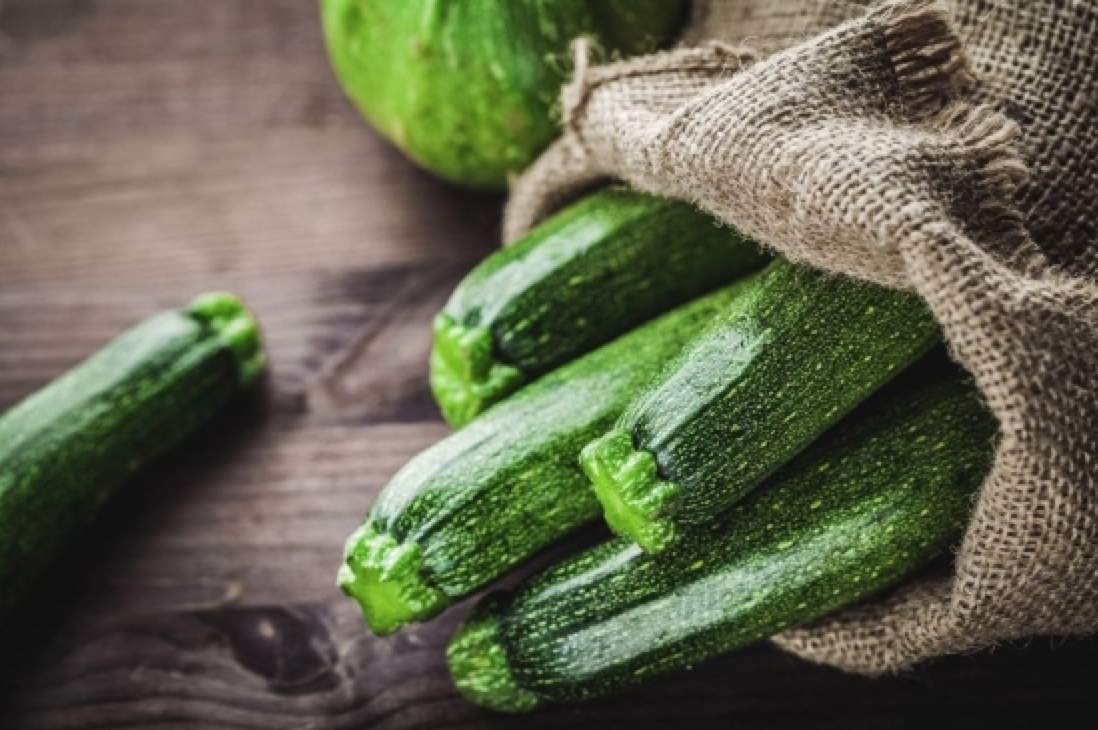
14. Zucchini,  water content: 95%

Although green squash such as zucchini may not sound like the perfect summer snack, it is loaded with lutein and zeaxanthin (which promote healthy vision), manganese (which protects tissue from damage caused by free radicals), and massive amounts of vitamin C. Zucchini also has a very high water content, and is the perfect addition to your summer diet.

15. Celery,  water content: 95%

Celery is a perfect food for satisfying cravings and promoting weight loss, all thanks to its high water and fiber content, and its absurdly low calorie count. At the same time, celery contains vitamins A, C, and K, making it nutritious as well as filling and thirst quenching.

16. Pineapple,  water content: 87%

One of the most popular tropical fruits, pineapples are extremely rich in vitamin C. In fact, 1 cup of fresh pineapple contains over 100% of the recommended daily value of vitamin C. Pineapple is also high in manganese, making it a healthy and energy-rich fruit that will also keep you hydrated.

17. Peaches,  water content: 88%

Another fruit which is great by itself or as a part of a larger meal, peaches are also known to calm upset stomachs and even relieve anxiety (they’re known as the “Fruit of Calmness” in Hungary). Their juicy flesh contains significant amounts of water, and makes a great snack.

18. Cranberries,  water content: 87%

The health benefits of cranberries are widely recognized, which is one of the reasons that cranberry juice is so often mixed with other juices. Cranberries contain vitamin C, fiber, and more antioxidants than almost any other fruit or vegetable. Their high water content makes them a must for those who want to eat healthy and keep hydrated.

19. Blueberries,  water content: 85%

These small, dark berries are often added to other dishes, and are known to help lower cholesterol, and also decrease the risk of diabetes and heart disease. Much like cranberries, they contain incredibly high amounts of antioxidants. And, also like cranberries, blueberries contain a high percentage of water.

20. Cucumberwater content: 96%

If cucumbers contained any more water, they’d probably be a soup. Suffice it to say that cucumbers contain more water than almost any other solid food. And, thanks to their high levels of vitamins, their ability to help flush toxins from the human body, and their usefulness in controlling blood pressure, cucumbers are actually one of the most nutritious foods available.

So, don’t let the summer heat dry you up; grab a few of your favorite hydrating ingredients and make a summer smoothie that will not only quench your thirst, but also nourish your body in the process. Now get out there and enjoy that sun!

[via The Blend]

Monday, June 16, 2014

Cucumber Tips & Tricks You Don't Want To Miss!

 
  • Cucumbers contain most of the vitamins you need every day, just one cucumber contains Vitamin B1, Vitamin B2, Vitamin B3, Vitamin B5, Vitamin B6, Folic Acid, Vitamin C, Calcium, Iron, Magnesium, Phosphorus, Potassium and Zinc.
  • For a pick me up in the afternoon... Put down the caffeinated soda and pick up a cucumber. Cucumbers are a good source of B Vitamins and Carbohydrates that can provide that quick pick-me-up that can last for hours. Slice some and put in your water bottle.
  • If you rub a cucumber slice along your bathroom mirror, it will eliminate the fog and provide a soothing, spa-like fragrance. 
  • Place a few slices of cucumber in a small pie tin and your garden will be free of pests all season long. The chemicals in the cucumber react with the aluminum to give off a scent undetectable to humans but drive garden pests crazy and make them flee the area.
  • Looking for a fast and easy way to remove cellulite before going out or to the pool? Try rubbing a slice or two of cucumbers along your problem area for a few minutes, the phytochemical in the cucumber cause the collagen in your skin to tighten, firming up the outer layer and reducing the visibility of cellulite. Works great on wrinkles too!!!
  • Want to avoid a hangover or terrible headache? Eat a few cucumber slices before going to bed and wake up refreshed and headache free. Cucumbers contain enough sugar, B vitamins and electrolytes to replenish essential nutrients the body lost, keeping everything in equilibrium, avoiding both a hangover and headache!
  • Looking to fight off that afternoon or evening snacking binge? Cucumbers have been used for centuries by European trappers, traders and explorers for quick meals to thwart off starvation.
  • Have an important meeting or job interview and you realize that you don’t have enough time to polish your shoes? Rub a freshly cut cucumber over the shoe, its chemicals will provide a quick and durable shine that not only looks great but also repels water.
  • Out of WD 40 and need to fix a squeaky hinge? Take a cucumber slice and rub it along the problematic hinge, and voila, the squeak is gone!
  • Stressed out and don’t have time for massage, facial or visit to the spa? Cut up an entire cucumber and place it in a boiling pot of water, the chemicals and nutrients from the cucumber will react with the boiling water and released in the steam, creating a soothing, relaxing aroma that has been shown to reduce stress in new mothers and college students during final exams.
  • Just finish a business lunch and realize you don’t have gum or mints? Take a slice of cucumber and press it to the roof of your mouth with your tongue for 30 seconds to eliminate bad breath, the photochemical will kill the bacteria in your mouth responsible for causing bad breath.
  • Looking for a ‘green’ way to clean your faucets, sinks or stainless steel? Take a slice of cucumber and rub it on the surface you want to clean, not only will it remove years of tarnish and bring back the shine, but it won’t leave streaks and won’t harm you fingers or fingernails while you clean.

Wednesday, January 15, 2014

Breakfast Boosters: 14 Foods to Fight Off a Cold

Kiwi

Kiwis contain between 90 and 110 milligrams of vitamin C — more than an average orange. They are a good source of potassium, an important mineral for strong muscles and nerves, plus immune-boosting vitamin E. They are also packed with flavonoids and carotenoids — antioxidants that promote respiratory health, heart health and optimum well-being, says Suki Hertz, M.S., R.D., nutrition professor at the Culinary Institute of America. Cut kiwis in half and scoop out the flesh for a fruit salad or mash up and stir into plain yogurt.

Papaya

Papayas are praised for their anti-inflammatory properties. They're also an excellent source of vitamin C—one medium papaya supplies 313 percent of your daily requirement, explains Hertz. Additionally, they are a great source of beta-carotene, a phytonutrient that gets converted to vitamin A in your body and keeps eyes, skin and mucous membranes moist. Have a few slices for breakfast in the morning or blend some with orange juice for a tropical smoothie.


Ginger

If you feel a cold coming on ward it off with ginger, which can alleviate cold symptoms and clear nasal passages. It also promotes digestive health, reduces gas pains and relaxes the intestinal tract, explains Hertz. If you find yourself battling a stomach bug or winter cold, try steeping slices of fresh ginger in hot water for a soothing and healthy morning drink.

Pumpkin Seeds

Pumpkin seeds are packed with vitamins, amino acids and minerals, including zinc. Zinc helps the immune system by acting as an antioxidant and minimizing damage to cell membranes from free radicals, explains Hertz. Pumpkin seeds are delicious alone or sprinkled in yogurt, oatmeal or cereal. For a sweet and spicy breakfast on the go, try this energy mix.

Wheat Germ

Full of essential vitamins and fats, wheat germ, the nutrient source of the wheat grain, can help give your immune system a boost. It's also high in vitamin E, an antioxidant that helps fight inflammation, says Hertz. Sprinkle wheat germ in yogurt, oatmeal or cold cereal.

Beets

Give your morning glass of orange juice a boost by blending it with cooked beets — just remember to strain it before serving. Packed with antioxidants and magnesium, a mineral that assists with nerve and muscle function, beets are also especially rich in folate. This B vitamin helps prevent serious birth defects and is important for women of childbearing age and for heart health, explains Hertz.

Flax Seeds

Flax seeds are chock-full of important nutrients and minerals, including vitamin E, an antioxidant that keeps cells healthy, and alpha-linolenic acid, a vegetarian source of omega-3 fatty acids. To obtain these healthy fats, flax seeds must be ground first, explains Hertz. A coffee grinder works perfectly for this.
Famous for their nutty flavor, flax seeds can be sprinkled on yogurt, oatmeal or cold cereal. Flax oil is another option and a good way to add important nutrients to smoothies. Both flax seeds and flax oil are highly perishable and should be kept in the refrigerator for up to three months.

Lemons

Besides being packed with vitamin C, lemons promote healthy bacteria, rather than the type that can cause viruses and colds. Hertz suggests using lemon in place of sugar and salt, both of which can weaken the immune system. In the morning, try squeezing some on fresh fruit instead of sprinkling with sugar. 


Blueberries

It's no wonder blueberries are called a superfood — they have more antioxidants than any other fruit or vegetable. They are also one of the highest-ranking foods in anthocyanidins (cancer-fighting antioxidants) and are excellent sources of vitamin C, manganese and fiber, says Hertz. Start your morning with this Greek yogurt parfait, a beautiful dish that delivers a healthy mix of berries.

Eggs

Egg yolks are a good source of selenium, a powerful mineral that supports a healthy immune system. Research on eggs is proving they are not the heart-disease villains they were once thought to be, explains Hertz. The protein in the whites is of the highest value, and the yolks, although high in dietary cholesterol, are relatively low in saturated fat.

Tofu

People who don't eat enough protein tend to load up on carbs, which can increase blood sugar levels and weaken the immune system. Tofu is a complete protein and a good source of calcium and omega-3 fatty acids, all of which can strengthen the immune system, says Hertz. For a high-protein drink that's good on the go, try this quick smoothie.

Quinoa

Quinoa (pronounced keen-wa) is commonly referred to as a grain, but it's actually a seed that can be cooked. A super food, quinoa is one of the few "complete proteins" of the plant world, meaning it supplies all of the essential amino acids that are found in meat, poultry or fish, such as lysine, which helps with tissue repair, says Hertz. In the morning, swap white or whole-wheat bread with a multigrain loaf that's loaded with quinoa, bulgur and millet.


Grapefruit and Oranges

Everyone knows that citrus is chock-full of vitamin C, and it's also packed with powerful antioxidants and is low in calories, says Hertz. For a healthy breakfast that's sure to strengthen your immune system, try a fruit salad that combines three types.

Cottage Cheese

Cottage cheese contains selenium, a powerful antioxidant that can strengthen the immune system, says Hertz. To give your immune system a boost, try this breakfast parfait which combines cottage cheese with vitamin C-rich papaya and wheat germ.


Monday, November 25, 2013

The Best Times to Take Vitamins and Supplements [infographic]

http://www.bengreenfieldfitness.com/wp-content/uploads/2013/11/MaximisingYourVitaminsSupplementIntake.jpgA lot of people understand the crucial role of vitamins and minerals play in helping the body work properly, but did you know timing can boost or diminish their effectiveness?  

Research from Healthspan, a UK vitamins and supplements supplier, makes a compelling case for paying attention to the clock when crafting your supplement routine. The company brought together a number of studies to produce this go-to guide on the best times to take certain vitamins and supplements throughout the day.  


When You Should Take Your Vitamins and Supplements?

Highlights of the research includes that there are some vitamins for which bedtime is a perfect time. For instance, calcium is a perfect example. Calcium is utilized by the body at night, and is a natural muscle relaxant thought to promote sleep. Research shows low calcium levels are associated with disturbed sleep patterns, including the lack of a deep REM sleep phase. Calcium works hand-in-hand with magnesium, which also has a calming effect on both the muscles and nervous system, and may therefore be beneficial in getting a good night’s sleep. I personally don’t use calcium and don’t really recommend you take it if you’re already eating a well-rounded diet. But magnesium is important, and you should take it before bed.

Probiotics are another supplement that can be taken as part of a bedtime regime. These ideally  need to be taken away from food to avoid interference with digestive enzymes and stomach acid. I personally don’t use probiotics unless I’m traveling, since I tend to eat lots of fermented foods when I’m at home.

For many supplements, a meal is necessary for adequate uptake by the body, and this is why you will see “take with food” on many labels. There are a group of vitamins called fat-soluble vitamins, which include vitamins A, D, E & K – these are the type of fats I personally get through using a fat-vitamin packed fish liver oil called “SuperEssentials“. These need fat in order to be absorbed, and therefore should be taken with meals that contain dietary fat.

B vitamins and vitamin C are recommended to be taken with food; in some individuals they can cause stomach acidity and mild nausea if taken on an empty stomach. B vitamins are important for the conversion of food into energy and are therefore best taken early in the day. Typically, if I need a bit of an extra kick or immune system boost during the day, I use a combination of B & C called “Lifeshotz“, and take it about an hour after breakfast.

Iron should ideally be taken on an empty stomach for maximum absorption, and away from other supplements that may affect its absorption such as calcium and vitamin E. First thing in the morning is therefore the best time. Iron supplements can cause stomach upsets in some individuals, in which case it should be taken with a light meal.

Summary

In conclusion, you can see that the timing of when you take your supplements can significantly affect the way in which your body can absorb and utilize your nutrients. While bedtime may be the most convenient option, it may be worth setting some reminders on your phone (e.g. using a Vitamin Reminder phone app) or refrigerator to ensure that you get the full benefits from your supplements throughout the day.

What are your thoughts? What supplements do you take? Do you have questions about my daily supplement protocol? Do you think supplements are a waste of time? Leave your questions, comments and feedback below the infographic!

[via New Hope 360 and Ben Greenfield Fitness]

Friday, October 18, 2013

Nut Butter Battle: Almond vs. Peanut

In recent years, almond butter was somehow anointed the chosen nut butter among health-conscious eaters, who smear it on their sprouted breads and gaze upon peanut butter as its low-brow relative.

But the creamy almond treat is not cheap (it's often about double the price of peanut), and when pressed, most people really can't tell you why they're willing to splurge.

So, we asked top nutritionists and health coaches to really break down the health differences between the two nut butters we're obsessed with most. (That is, unless you've already moved on to the new superfood-infused nut butters).

Which is better for you—almond or peanut? Welcome to the nut butter battle...

Macronutrients

When it comes to the big guys—carbs, protein, and fat—almond and peanut butter are like fraternal twins. "You can see a gram difference here or there, but it doesn't really make a difference," says Pure Nutrition founder Christian Henderson, MS, RD. A single two-tablespoon serving of either is high in calories (200) but comes with lots of protein (about 7g) and healthy fats.

Some nutritionists and health coaches point to almond's slightly higher concentration of good fats, but the difference is nominal. "Almonds have a little bit less saturated fat, but I feel a little bit silly saying that, since they're so close," says SPE Certified's senior culinary nutritionist Natalia Hancock, RD.

Micronutrients

Within the nitty gritty nutrients is where a difference starts to emerge between the butters.

"Almond is better for vitamin E and magnesium, which are two very important micronutrients," Henderson explains. "Vitamin E is an antioxidant and magnesium is important for bone health and your central nervous system." This is especially powerful since vitamin E is not found in a wide variety of foods.

Almond butter also has more calcium and iron than peanut.

Natural and Organic

No matter which nut butter you're choosing, looking out for added sugar and preservatives is a must; ingredient lists should include little more than plain old nuts. You can satisfy this requirement with either butter, but "when you go shopping for almond butter, it's almost all natural brands, you don’t see the Jiffy," says health coach and Sakara Life founder Danielle DuBoise. "It's just easier to choose a natural, no-added-sugar, no-preservatives almond butter."

And when it comes to organic, you have to be more careful with peanuts, says Henderson. "Peanuts are just one of those crops like soybeans and corn that are so overgrown and overprocessed in America. They're hard to grow, so many pesticides are often used on peanuts," she says. "If the peanut butter is not organic, you don’t want to be anywhere near it."

Other Factors

Aside for nutrition facts, there are a few other factors experts consider. Peanuts crops are susceptible to fungi called aflatoxins, which are associated with an array of diseases. The FDA does regulate the presence of aflatoxins, but some say you can't be too careful. "I worry about that, so I just err on the side of caution," DuBoise reasons.

Henderson also says that she's noticed from observations in her practice that almond butter has worked better for her clients struggling with weight loss. "Peanuts just tend to be more addictive for people; almonds tend to be more filling." Peanuts also may cause more bloating, since they're technically legumes, not nuts.

Taste and Uses

Of course, since both butters can be part of a healthy diet, a lot of decisions come down to which just works better, for your taste buds or whatever you're whipping up in the kitchen. "They each have their own place," says Hancock, who works with top chefs to create flavorful, healthy meals around the country. "I think peanut butter tastes better with bananas and almond tastes better with apples."

And while almond butter works really well in smoothies, peanut butter does tend to have more culinary uses, she says. "I'll use peanut butter in a stir fry, Thai style, and I do a really great African spicy sweet potato soup with peanut butter in it that’s really delicious."

Thursday, September 20, 2012

Kale: The New Food Superhero


It's no surprise (we hope) that eating a variety of natural, unprocessed vegetables can do wonders for your health. But kale has been standing out amongst it's veggie peers lately, recognized for it's exceptional nutrient richness, health benefits and unique flavor. 

So what exactly makes Kale such a devastatingly healthy superfood? Let's take a look: 

1. Kale is low in calories, high in fiber and has 0 fat. One cup of Kale has 36 calories, 5 grams of fiber and 0 grams of fat. This makes Kale a great tool in helping digestion and elimination. 

2. Kale is high in Iron. Per calorie, Kale has more iron than beef (wow!). Hemoglobin, the red blood cells that carry oxygen throughout your body depend on iron to carry out their essential functions. Iron also promotes cell growth and proper liver function. 

3. Kale is high in Vitamin K. Maintaining a high amount of Vitamin K can help prevent various cancers. Vitamin K also plays an essential role in bone health and the prevention of blood clotting. Recent studies are concluding that Vitamin K can also help those suffering from Alzheimer's disease. A recent study in the American Journal of Clinical Nutrition also found that vitamin K reduces the overall risk of developing or dying from cancer. 

4. Kale is filled with powerful antioxidants. Chances are you've heard quite a bit about acai berries, strawberries and others as powerful antioxidants. But kale is a big contender as it contains a heap of carotenoids and flavonoids, both of which are powerful antioxidants that help prevent cancer. 

5. Kale is a great anti-inflammatory food. One cup of kale is filled with 10% of the RDA of omega-3 fatty acids. Your body can't produce these essential fatty acids, so it's important to get them from your food. A diet full of kale will help overall brain function, prevent arthritis, asthma and other autoimmune disorders. 

6. Kale is great for the heart. Eating kale can keep your cholesterol levels low. 

7. Kale is high in Vitamin A. Kale has provided carrots with a new teammate to help help your vision as well as keep skin healthy and help prevent lung and oral cavity cancers. 

8. Kale is high in Vitamin C. 1 cup of kale contains about 80mg of Vitamin C which keeps helps keep you hydrated, your immune system strong and metabolism healthy. 

9. Kale does a body good. Per calorie, kale has more calcium than milk which as decades of pop culture ads have taught us, prevents bone loss, osteoporosis and maintains a healthy metabolism. 

10. Kale is a great detox food. Kale is filled with fiber and sulfur, both great for detoxifying your body and keeping your liver healthy. 

Kale is fast and easy! 
  • Kale chips are one of the easiest and most poplar uses of kale! Simply tear the kale off the stem into bite-size pieces. Toss the kale into a bowl with a little olive oil and a pinch of salt and give it a nice shake. Bake in the over for 10-15 minutes at 350 degrees and voila! 
  • Make a simple salad with lots of thinly sliced kale, red pepper, onion, raisins, and your favorite salad dressing
  • Braise chopped kale and apples, garnish with chopped walnuts and a splash of balsamic vinegar. 
  • Cover and cook a pound of chopped kale with a few garlic cloves and 2 tablespoons of olive oil for 5 minutes; season with salt, pepper and a tablespoon of red wine vinegar
Check out more kale recipes here!