Showing posts with label Antioxidant. Show all posts
Tuesday, November 1, 2016
Add Turmeric To Your Diet
If you're not using turmeric, now is the time to add it to your diet. Anti-inflammatory, antiseptic and antioxidant properties with benefits to indigestion, ulcers and osteoarthritis and more.
Labels:
anti-inflammatory,
Antioxidant,
antiseptic,
curcumin,
Detox,
Health Benefits,
indigestion,
osteoarthritis,
spice,
turmeric,
ulcers
Monday, September 26, 2016
4 Fall Produce Picks to Boost Immunity
Are you getting enough of this crucial vitamin? An antioxidant, vitamin C promotes wrinkle-free skin, supports good immunity, and may help the body protect itself against some diseases, such as cardiovascular disease and cancer.
Oranges and other citrus aren’t the only sources. These fall/winter vegetables offer ample amounts too. With cold and flu season around the corner, now is a good time to revamp your crisper drawer with these fresh picks.
Cooking tip: Vitamin C can be easily lost in the cooking process, particularly when veggies are boiled and drained. To retain more nutrients, cook into soups or stews, or lightly steam or microwave. Roasting or broiling results in less vitamin retention than other methods, but the results are very delicious. Frying virtually obliterates vitamin C and other volatile nutrients. Our advice? Avoid frying, vary other cooking methods, and enjoy.
Broccoli
Broccoli provides about 100 mg vitamin C per cup (chopped), plus sulforaphane, a potent antioxidant studied for its anticancer effects.Serving idea: Try lightly steaming and dressing with lemon juice (more C!), olive oil and salt.
Cauliflower
A cup of cauliflower contains approximately 93 mg vitamin C. Bonus: You’ll also get several grams of fiber.Serving idea: Steam cauliflower, then mash with miso, sesame oil and ginger; or garlic, olive oil and herbs.
Kale
A cup of kale contains tons of vitamin A (twice your daily value), vitamin K, trace minerals and 80 mg of vitamin C.Serving idea: Remove tough stems, chop, and massage with lemon juice, olive oil and a little garlic until slightly wilted. Let this sit at room temperature. Excellent add-ins: toasted sliced almonds, chopped hazelnuts, parmesan cheese or apple slices.
Brussels Sprouts
The tiny cousins of green cabbage, Brussels sprouts contain 48 mg vitamin C per half cup.Serving idea: Steam lightly and toss with hazelnut or walnut oil, a touch of maple syrup, and sea salt. (Roasting is a favorite cooking method because it brings out Brussels sprouts’ sweet flavor, but you’ll get less vitamin C.)
[via Organic Connections]
Labels:
Antioxidant,
broccoli,
Brussels sprouts,
cancer,
cardiovascular disease,
cauliflower,
Cooking,
fall,
immune boost,
Kale,
Organic,
vegetables,
Vitamin C,
Winter
Tuesday, December 30, 2014
Make 2015 an Organic Year
2014 was the year of science supporting the benefits of organic food and farming: for human health, pollinator health, and the health of the environment.
To help you ring in the new year and truly turn over a new healthy leaf, The Organic Center has transformed the top ten studies of 2014 into New Year's resolutions that show how to improve the state of your diet and the state of our planet by choosing organic.
1. Be Health-Minded, Eat Organic
A review of the latest research on the effects of organic agriculture and crops on public health found a clear health advantage in consuming organically produced food instead of conventionally produced. Published in the International Journal of Environmental Research and Public Health, the findings concluded the lower pesticide residue levels in organic produce were a significant factor in helping account for these benefits.2. Get Pesticides Out of Your Life
Pesticides, linked to numerous health problems, are still found on conventional produce in the grocery store. A study showed that eating an organic diet for just seven days can significantly reduce your exposure to pesticides. The research found pesticide metabolite levels in a group of individuals who ate a diet of at least 80 percent organic for a week were cut by up to 96 percent.3. Load Up on Antioxidant-Rich Foods
A key study of 2014 showed organic fruits and vegetables have higher levels of antioxidants. Researchers found that if you choose organic rather than conventional fruits and vegetables, you can get an average of 20-40 percent increase in antioxidants! Antioxidants protect our cells against the effects of free radicals, which can damage cells in the body and trigger disease.4. Bee Concerned
Commercial beekeepers are losing an average of 30 percent of their colonies each winter. This is a problem for bee-pollinated crops such as almonds, apples, cucumbers, avocados, oranges, and berries. One of the major contributors to bee deaths is exposure to pesticides, particularly neonicotinoids. In 2014, a study published by Harvard researchers supported and strengthened research in 2012 that found a link between neonicotinoid use and colony collapse disorder.5. Save Organic Citrus
A disease called citrus greening has devastated thousands of acres of citrus trees in the United States, and may even cause domestic citrus to disappear altogether. Research on controlling this disease focuses on toxic pesticide sprays and the development of GMO citrus varieties. The Organic Center has teamed up with professors at universities, industry members, and organic growers to launch a large-scale study looking at organic solutions to citrus greening. Visit the Organic Center Citrus Greening page.6. Do Your Part. Help Slow Down Climate Change
Research shows good news for climate change mitigation: organically managed soils could reverse the trend of increasing CO2 in the atmosphere! Conducted by the Rodale Institute, the research looks in-depth at how farming systems affect greenhouse gas emission, and illustrates the ability of soil to mitigate climate change when managed organically.7. The More the Merrier! Support Biodiversity
A study in the Journal of Applied Ecology found that organic farms support more species than conventional farms. On average, organic farms support 34 percent more plant, insect, and animal species than conventional farms. When the researchers looked at pollinators such as bees individually, they found that organic farms had 50 percent higher species diversity.8. Focus on Soil Health
A study on healthy soil biodiversity published in Agronomy for Sustainable Development found that conservation and organic farming techniques boost the number of soil organisms when compared to conventional farming. The researchers measured soil life over a period of 14 years and found that versus conventional systems, organic and conservation agriculture systems had more earthworms in the soil, 30 -70% more microorganisms, and improved bacterial pathways.9. Listen to the Birds
Research shows that organic farming is healthier for birds. Songbirds are especially sensitive, because conventional farms can reduce food supplies for young songbirds unable to leave their nests. An article in the journal Agriculture, Ecosystems & Environment compared availability of "nestling" food on organic and conventional farms. Because organic farming does not use synthetic pesticides and has longer, more diverse crop rotations, organic farms were found to provide more available nestling food than conventional farms.10. Keep Away From Toxins
Avoiding pesticides is even more important than previously thought. A study led by Organic Center Science Advisory Board member Professor Gilles-Eric Séralini showed that major pesticides are more toxic to humans than suggested by their active ingredients. Pesticides contain a mix of "inert" ingredients. These "inerts" are not taken into account in safety test trials, and the active ingredients are tested in isolation. This research looked at the toxicity of herbicides, fungicides, and insecticides when all ingredients were included, and found that eight out of nine pesticide formulations were up to one thousand times more toxic than their active ingredients.Bonus: Spread the Word
Help make 2015 an organic year for your friends, family, neighbors, and colleagues. Sign up for The Organic Center newsletter, and follow them on Facebook for the latest research on the science behind the benefits of organic year round. Stay informed…and pass your knowledge on!
[via The Organic Center]
Labels:
2015,
Antioxidant,
bees,
Biodiversity,
birds,
climate change,
healthy eating,
New Year's resolutions,
Organic,
organic citrus,
Pesticides,
soil health,
toxins
Thursday, September 20, 2012
Kale: The New Food Superhero
It's no surprise (we hope) that eating a variety of natural, unprocessed vegetables can do wonders for your health. But kale has been standing out amongst it's veggie peers lately, recognized for it's exceptional nutrient richness, health benefits and unique flavor.
So what exactly makes Kale such a devastatingly healthy superfood? Let's take a look:
1. Kale is low in calories, high in fiber and has 0 fat. One cup of Kale has 36 calories, 5 grams of fiber and 0 grams of fat. This makes Kale a great tool in helping digestion and elimination.
2. Kale is high in Iron. Per calorie, Kale has more iron than beef (wow!). Hemoglobin, the red blood cells that carry oxygen throughout your body depend on iron to carry out their essential functions. Iron also promotes cell growth and proper liver function.
3. Kale is high in Vitamin K. Maintaining a high amount of Vitamin K can help prevent various cancers. Vitamin K also plays an essential role in bone health and the prevention of blood clotting. Recent studies are concluding that Vitamin K can also help those suffering from Alzheimer's disease. A recent study in the American Journal of Clinical Nutrition also found that vitamin K reduces the overall risk of developing or dying from cancer.
4. Kale is filled with powerful antioxidants. Chances are you've heard quite a bit about acai berries, strawberries and others as powerful antioxidants. But kale is a big contender as it contains a heap of carotenoids and flavonoids, both of which are powerful antioxidants that help prevent cancer.
5. Kale is a great anti-inflammatory food. One cup of kale is filled with 10% of the RDA of omega-3 fatty acids. Your body can't produce these essential fatty acids, so it's important to get them from your food. A diet full of kale will help overall brain function, prevent arthritis, asthma and other autoimmune disorders.
6. Kale is great for the heart. Eating kale can keep your cholesterol levels low.
7. Kale is high in Vitamin A. Kale has provided carrots with a new teammate to help help your vision as well as keep skin healthy and help prevent lung and oral cavity cancers.
8. Kale is high in Vitamin C. 1 cup of kale contains about 80mg of Vitamin C which keeps helps keep you hydrated, your immune system strong and metabolism healthy.
9. Kale does a body good. Per calorie, kale has more calcium than milk which as decades of pop culture ads have taught us, prevents bone loss, osteoporosis and maintains a healthy metabolism.
10. Kale is a great detox food. Kale is filled with fiber and sulfur, both great for detoxifying your body and keeping your liver healthy.
- Kale chips are one of the easiest and most poplar uses of kale! Simply tear the kale off the stem into bite-size pieces. Toss the kale into a bowl with a little olive oil and a pinch of salt and give it a nice shake. Bake in the over for 10-15 minutes at 350 degrees and voila!
- Make a simple salad with lots of thinly sliced kale, red pepper, onion, raisins, and your favorite salad dressing
- Braise chopped kale and apples, garnish with chopped walnuts and a splash of balsamic vinegar.
- Cover and cook a pound of chopped kale with a few garlic cloves and 2 tablespoons of olive oil for 5 minutes; season with salt, pepper and a tablespoon of red wine vinegar
Labels:
Antioxidant,
food,
Food Network,
Food Network Recipes,
health,
Kale,
Kale Recipes,
Organic,
produce,
vegetables,
Vitamin A,
Vitamin C,
Vitamin K,
Vitamins
Wednesday, September 12, 2012
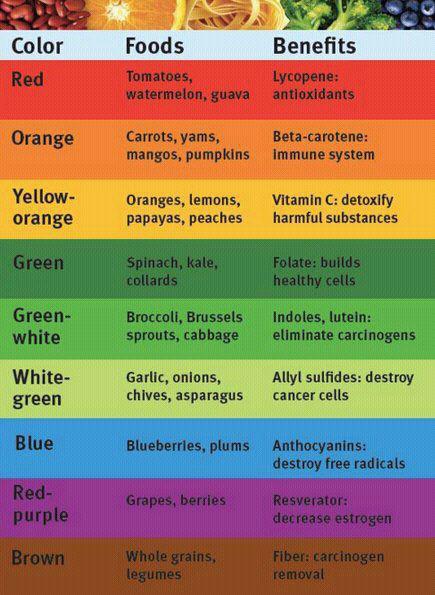
Enjoy the Colorful Benefits of Fruits and Veggies
Labels:
Antioxidant,
Benefits,
blog,
Detox,
Eating,
food,
Food Network,
fruit,
health,
healthy,
Kale,
Organic Gardening,
vegetables,
Vitamin C,
Vitamins,
Whole Foods
Subscribe to:
Posts (Atom)