Showing posts with label paleo. Show all posts

Wednesday, January 14, 2015

7 Ways to Eat More Healthy Fats

For my New Year’s resolution this year, I am focusing on eating more fat. Yes, that’s right. More fat. Because I am vegan and my diet consists mainly of whole grains, beans, legumes, and fresh produce, I sometimes forget to eat enough fat. Our bodies need fat for virtually every bodily function from regulating hormones to building cell walls.


As a vegan, I am particularly concerned about getting enough fat because it is needed to absorb the fat-soluble vitamins D and vitamin K – both of which are essential for bone health. Osteoporosis is affecting 1/3 of women and 1/5 of men over 60, so it is more than just vegans who should be worried about it. You can stand in the sun all day, but you won’t absorb vitamin D if you don’t have dietary fat to transport it into your body!

Of course I don’t plan on increasing my intake of just any fat. Trans fats, like those found in processed junk food, need to be avoided at all costs. It is the healthy unsaturated fats (monounsaturated and polyunsaturated fats) that our bodies need, as well as some types of saturated fat.  Here are some easy ways you can get more healthy fat in your diet.

Avocado Spreads

The reason that avocados taste so good is because they are loaded with fat: 75-80% of the calories in an avocado come from fat. Most of these fats are healthy monounsaturated fats which help heart health. There is saturated fat in avocado, but the benefits of the healthy fats are so much that studies show avocado reduces the risk of heart disease. As an added bonus, if you use avocado spreads in place of spreads like hydrogenated margarine or mayo, you are simultaneously decreasing your intake of unhealthy fats!

Nut Cheeses

Nuts are one of the best sources of healthy fats and Omega 3, as well as other nutrients like protein magnesium, vitamin E and B vitamins. Some are also great sources of calcium and iron. I already add ground nuts to my oatmeal every morning and they help me stay full all day long. This year, I am going to get more serious about healthy fat intake by consuming nut “cheeses.”

It is pretty easy to make a good nut cheese. You just soak some nuts (cashews work best) and then blend them up with some herbs and seasonings, and maybe some nutritional yeast too (which also happens to be a healthy fat).

Veggie Sticks with Fatty Dips and Spreads

Let’s say that you eat some celery sticks as a snack. Celery is rich in the fat soluble vitamins A and K. So, you would logically assume that celery is a good source of these vitamins. However, that is NOT the case because celery doesn’t contain any fat. In order to absorb the fat-soluble vitamins from the celery, you need to consume some fat along with it. Luckily, celery tastes awesome slathered in peanut butter or dunked into a homemade vegan tzatziki.

Some ideas for fat-rich healthy snacks include:
Eating celery with peanut butter means you will absorb the fat-soluble vitamins in the celery!

Make Your Own Fancy Salad Dressings

Don’t choose no-fat salad dressings! You need some fat in your salad dressings to help you absorb the fat soluble vitamins in the salad veggies. Plus, some fat is going to make the salad taste a heck of a lot better, thus increasing the likelihood that you will actually eat salad more often. Fat also helps you feel full for longer. Yes, a salad can fill you up!

Some of the best sources of healthy fats are specialty oils like hazelnut oil and walnut oil. These oils are too expensive to use regularly for cooking (at least for my budget), but they do make a great base for a salad dressing. Just mix with vinegar and some salt and drizzle on your salads. Or get even fancier by making your own salad dressing with healthy oils, avocado, coconut oil, or tahini as bases.

Chia Seed Pudding

Chia seeds deserve their title as a super food because they have a great Omega 3 to Omega 6 ratio and are a great vegan source of calcium, protein, fiber, and antioxidants. Still not sure what to do with these seeds aside from grow them into a chia pet? Try soaking 3 tbsp of chia seeds overnight in 1 cup of non-dairy milk (which is also a healthy fat) and add some fruit or chocolate.  The chia seeds will expand and turn into a nice pudding that you can eat for breakfast.

Specialty Flours

Thanks to the paleo and gluten-free craze, there are now tons of options for flours. I personally love gluten and grains so am not advocating to give up wheat completely, but you can really enhance your diet by embracing other types of flours in your cooking. As far as healthy fats go, here are some of my favorites:
  • Almond flour: You can buy it or make your own by blending almonds into a meal
  • Acorn flour: Yes, acorns are edible and super healthy! They are loaded with monounsaturated and some polyunsaturated fats, as well as protein, iron, calcium, and B vitamins. If you are in the US, you can buy acorn from this site. Or go gather some acorns and make your own :) 
  • Coconut flour: This one works especially well for baking sweets because of the rich flavor it gives. You can buy bulk organic coconut flour online by Viva Labs for fairly cheap.  It comes out to about $4 per pound.
  • Teff flour: Teff is a grain from Africa and is used in making delicious fermented injera Ethiopian bread. It is gluten free and loaded with protein, iron, calcium, fiber, and healthy fats.

Flax Eggs

Because of its favorable Omega 3 to Omega 6 ratio, flax is one of the healthiest fats in the world. If you are vegan, then you are already probably familiar with flax meal as an egg replacer. To make a “flegg” (flax egg), mix 1 tbsp of flax meal with 3 tbsp of warm water.  Use in place of a regular egg when baking.  You avoid the unhealthy fats and cholesterol from the egg while getting a boost of healthy fats plus fiber and nutrients from the flax.


Tuesday, August 26, 2014

12 Recipes for Healthy Homemade Chips


Crunchy and salty, how we love this snack time power couple! There’s no substitute for the crave-worthy flavor and satisfying texture that make carb-centric snacks so delicious. But store-bought chips are usually fried in an unhealthy amount of oil, which packs a significant amount of fat. Instead, try baking your own homemade chips by using vegetables, fruits and whole-wheat pitas. We’ve rounded up this list of healthier chip recipes that will certainly cure your case of munchies. Just don’t forget some salsa, hummus or dip!

http://blog.jchongstudio.com/2013/04/sweet-potato-baked-chips-with-orange.html

Baked Sweet Potato Chips with Orange and Thyme

Orange juice and blood orange zest give an unexpected twist to the classic sweet potato chip. If you need to use more than one baking sheet, make sure to adjust the 20-minute bake time accordingly. Bonus: These are paleo-friendly!

http://www.hiddenfruitsandveggies.com/2013/08/19/easy-homemade-pita-chips/

DIY Pita Chips

It’s quick and easy to make your own pita chips, and this recipe tells you the how much of each spice is optimal for seasoning. Try adding Parmesan if you want a cheesy taste, or use nutritional yeast if you’re vegan. We recommend using whole-wheat pitas for a serving of heart-healthy whole grains.

http://littleferrarokitchen.com/2013/05/homemade-taro-chips/

Homemade Taro Chips

Known as the “potato of the tropics,” taro is a purple root vegetable that’s a good source of vitamins B6 and C. Eat these sophisticated chips au natural or class them up for a party by using them as a crunchy base for salmon tartar.

http://kristaandmichele.com/garlic-bread-spinach-chips/

Garlic Bread Spinach Chips

Breadcrumbs, Parmesan and garlic give green leaves a kick in this savory snack that delivers a healthy serving of iron. Don’t skimp on the olive oil otherwise the delicious seasoning won’t stick to the spinach. And, be sure to use parchment paper on your baking sheet so your chips don’t burn.

Photo and Recipe: Veronica / The Vegetarian Ginger

Baked Cinnamon Apple Chips

Transform your apples into a cinnamon-y sweet treat! This recipe requires a three–hour baking and cool time, but the end result is worth it. We say fitting in a workout is the best way to make the time pass!

 Photo and Recipe: Dana / Minimalist Baker

Baked Chili Cheese Fritos

Tortillas, spices and olive oil come together to give your taste buds a spicy punch in this gluten-free and vegan recipe. It’s got all of the flavor and none of the suspicious ingredients found in the store-bought version that used to turn your fingers orange. Sprinkle these crisps on to chili or a hearty winter soup.

 Photo and Recipe: Belinda / The Moonblush Baker

Tofu Chips with Sesame and Miso

Asian-inspired seasoning made of miso paste and sesame seeds will take time to make, but the savory umami flavor is sure to get your taste buds’ attention. Pro tip: Make sure to press your tofu to release excess liquid before slicing it.

 Photo and Recipe: Amy / Kid Cultivation

Beet Chips with Curried Yogurt Dip

The sweetness of beets enhances these veggie crisps. To save some calories, skip the frying and bake these instead. They’ll pair perfectly with a mild dip that’s got extra protein from Greek yogurt.

 Photo and Recipe: Karielyn / The Healthy Family and Home

Lemon Dill Zucchini Chips

Tart taste lovers, rejoice! Lemony flavor steals the spotlight in this recipe. To slice your zucchinis as thin as possible to reduce baking time, use the thinnest setting on a mandolin slicer.

 Photo and Recipe: Zach and Clay / The Bitten Word

Microwave Sweet Potato Chips

If you don’t have an oven or a dehydrator, you can still make homemade chips with minimal equipment and ingredients. To prevent burning, make sure you keep a close eye as your sweet potato slices bake for 8 minutes or so since some microwaves emit an uneven amount of power.

Photo and Recipe:  Branny Boils Over

Hint of Lime Baked Tortilla Chips

A dash of citrus ups the ante on your standard Tex-Mex spread. The secret? Bake tortillas until they start to crisp, sprinkle them with a zest and salt mixture and then return to the oven for a few final minutes… Olé!

Photo and Recipe: Jaymee / E is for Eat

Pita Cups with Homemade Hummus

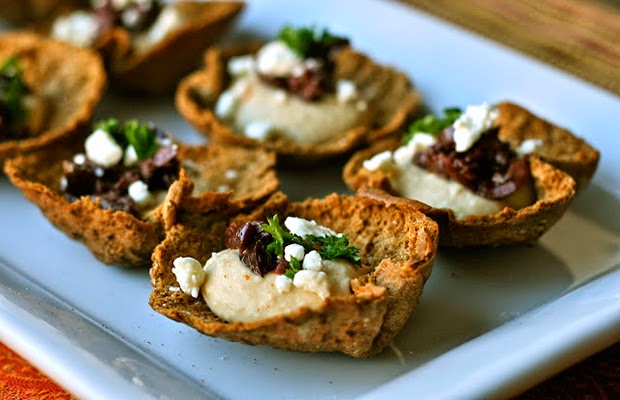
Though not technically a chip, these pita cups make a unique — and healthy! —  appetizer. Use an empty can or cup to make circular pita rounds, press them into muffin tins and voilà! You’ve got yourself a handy little cup just begging to be filled with hummus, salsa or artichoke dip.

Tuesday, August 19, 2014

Need a Pizza Crust Recipe? Here are 10 that Don’t Use Flour


When it comes to finding a good pizza crust recipe, many are on a lifelong search. Because let’s be honest- there’s nothing better than pizza made at home. But what if you can’t tolerate traditional flour? Or even any kind of flour at all? Is a good pizza crust recipe then simply an unattainable dream? No, my friend, it is not. There are plenty of ways to make creative pizza crusts without going anywhere near a bag of flour.

Here are 10 different pizza crust recipes that use everything from polenta to broccoli for the pizza base.

1. Polenta Pizza Crust
While you may think of polenta as a creamy side dish, it can also be used to make up a pizza. You can even make them in smaller rounds, since mini pizzas are perfect as a dinner party appetizer.

2. Almond Flour Pizza Crust
Using a bit of arrowroot flour to hold it all together, this almond flour pizza crust is the perfect base for a margherita pizza.

3. Cauliflower Pizza Crust
Cauliflower for a pizza crust? As long as you have a little cheese and egg, yes. The perfect way to make sure you’re eating enough vegetables too. And not to worry, if you need a dairy-free version, there’s that too.

4. Broccoli Pizza Crust
Don’t let broccoli feel left out with all the cauliflower pizza crusts you’ll be making. The concept for broccoli pizza crust is the same as with cauliflower, but you get a very green crust, which will brighten up the dinner table.

5. Carrot Pizza Crust
If you’ve got an overload of carrots, why not turn them into a pizza? This crust, which is made using grated carrots, can also work well for other crust-worthy recipes, like a quiche.

6. Zucchini Crust Pizza
Summer days are close, and when they get here, chances are you’ll be wondering what to do with all of that zucchini. Your answer? Test out this creative pizza crust recipe.

7. Portobello Mushroom Pizza
If you really want to simplify the pizza making process, you can skip the crust entirely and opt for portobello mushrooms instead. They make perfect individual pizzas and you don’t have to do any more work than layering on a few toppings.

8. Sweet Potato Pizza Crust
This pizza crust recipe involves mashing together cooked sweet potatoes with almond flour. The result is a crust with a crispy outside and soft center that’s full of nutrients.

9. Plantain Pizza Crust
Plantains are common in Caribbean cooking, but often, those of us living further north don’t always know what to do with them. Why not use them to make pizza? The plantains are mixed with a little tapioca starch and coconut flour to hold the crust together.

10. Butternut Squash Pizza Crust
This recipe takes on the same concept as the portobello mushroom pizzas, using the shape and consistency of butternut squash to simply serve as a crust replacement. All you have to do is slice the squash in the desired thickness and top away.
[via Organic Authority]

Friday, August 15, 2014

50 Grain-Free & Paleo Ground Beef Recipes

Whether you’re in a time crunch or are responsibly planning a week in advance, here are some mouth-watering grain-free dishes that call for ground beef (or ground beef can easily be substituted). Enjoy!

Burgers and Meatloaves

http://lovelovething.com/wp-content/uploads/2014/07/Paleo-Burger-with-Caramelized-Balsamic-Onions-Avocado-6.jpg

Paleo Burgers with Caramelized Balsamic Onions & Avocado – Joyful Healthy Eats

Salted Mocha Burgers – Popular Paleo

Stuffed Cheddar Beef Burgers – Delicious Obsessions

Burgers with Egg and Garlic Butter Balsamic – Primally Inspired

Sweet Potato Patties – Cinnamon Eats

http://paleospirit.com/2013/paleo-mini-meatloaves/

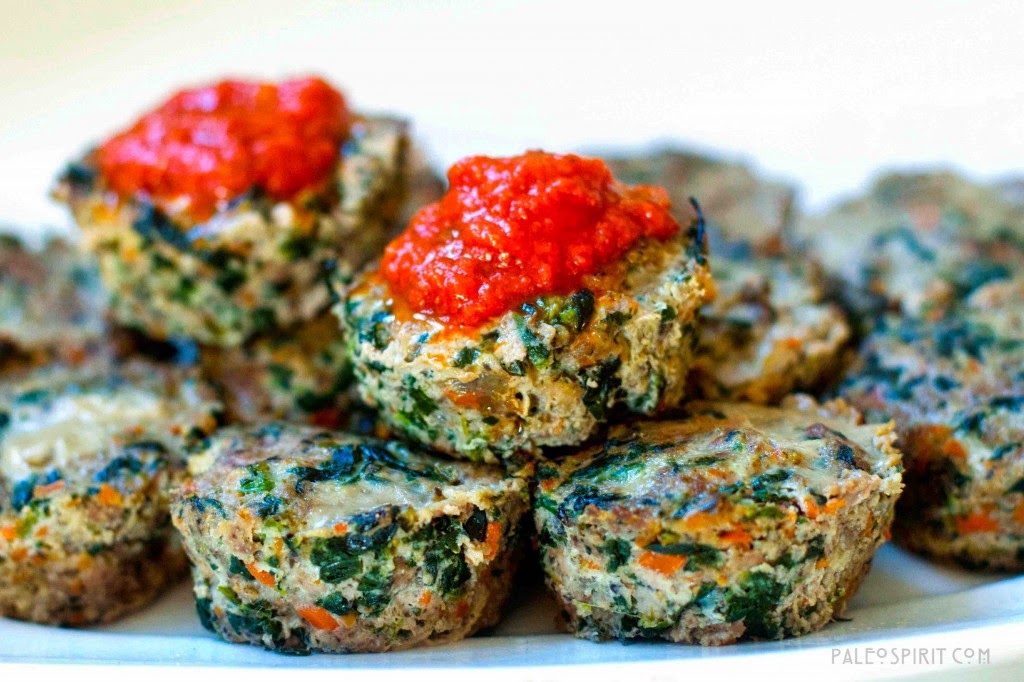
Paleo Mini Meatloaves – Paleo Spirit

Gluten-Free Kangaroo Burgers – Economies of Kale (Can use ground beef! ;) )

Meatballs & Kebabs

Bacon Meatballs with Mango Honey Mustard Sauce – PaleOMG

BBQ Meatballs – Healing Cuisine by Elise

Butternut Squash Meatballs with Zucchini and Carrot – Cinnamon Eats

Hidden Liver Meatballs – Real Food RN

Sweet and Sour Paleo Meatballs – Gutsy By Nature

Meatballs – Food Your Body Will Thank You For

Sweet & Sour Meatballs – Homemade Dutch Apple Pie

Grain-Free Italian Meatballs – Primally Inspired

Baked Chili Meatballs – Recipes to Nourish

Chelo Kebabs – And Here We Are

Kebabs with Roasted Butternut Squash and Zucchini – Cinnamon Eats

Entrees

http://www.theorganickitchen.org/blog-tutorials/zucchini-noodles-with-cranberries-and-walnuts/ 

Zucchini Noodles with Cranberries and Walnuts – The Organic Kitchen

Meatballs with Zucchini and Carrot “Pasta” – Cinnamon Eats

Easiest Crock Pot Taco Meat Ever – Delicious Obsessions

Shepherd’s Pie – Healing Cuisine by Elise

Twice-Baked Cheeseburger Spaghetti Squash – Popular Paleo

Potato-Free Shepherd’s Pie – It Takes Time

Healthy Butternut Squash Shepherd’s Pie – Primally Inspired

Ground Beef Cabbage Wraps – Fearless Eating

Sloppy “Rose” Lettuce Wraps – Recipes to Nourish

Creamy Plantain and Squash Ground Beef Mash – The Healthy Foodie

Paleo Ground Beef Stir-Fry with Wilted Napa Cabbage – Popular Paleo

Homemade Hamburger Helper – Healing Cuisine by Elise

Stuffed Winter Squash – Gutsy By Nature

Italian Spiced Beef Kefta with Avocado Cream Sauce – A Happy Healthnut

Paleo Cabbage Rolls (Galumpkis) – Sweet Potatoes and Social Change

Crock Pot Stuffed Peppers – Homemade Dutch Apple Pie

Furious Furikake Chilli Beef Hash – The Paleo Network

http://www.primalpalate.com/paleo-recipe/zucchini-lasagna/


Zucchini Lasagna – Primal Palate

Spiced Beef Kofte with a Pomegranate Glaze – The Paleo Network

Seriously Delicious Spaghetti Sauce – Holistic Health Herbalist (You can use zoodles (made with this) or spaghetti squash for the noodles)

Grass Fed Meat and Vegetable Muffins – Cinnamon Eats

Grass Fed Persian Spiced Beef and Roasted Butternut Squash – Cinnamon Eats

Spaghetti Squash Frittata Meatza – Real Food RN (you can sub the ground pork for ground beef)

Grain-Free Mexican Flatbread – A Happy Healthnut

Soups & Salads

Bacon and BBQ Burger Salad – Primally Inspired

Black Bean and Kangaroo Chili – Can use ground beef! :)

Grilled Hamburger Salad – Healing Cuisine by Elise

Vegetable Beef Soup – Raising Generation Nourished

Beef & Cabbage Soup – Raia’s Recipes

Love Your Body Chili – Food Your Body Will Thank You For

Slow Cooker Sweet Potato Chili – Farm Fresh Eats (Can omit the corn)

Spicy Paleo Slow Cooker Chili – Oh Snap Let’s Eat

Taco Salad with Cilantro-Mint Guacamole Sauce – Recipes to Nourish

Thursday, February 6, 2014

The Newbies Guide to Fermenting


Lacto-fermented vegetables are cultured vegetables. You've probably heard of sauerkraut, kim chi, and sour dill pickles, right? These are all forms of lacto-fermentation. Many people use whey as a starter but it is not necessary given you use enough salt. You can also make salt-free cultured vegetables without whey as long as you use some sort of acid, such as lemon juice, to prevent spoilage before the lactobacilli take over. Making your own lacto-fermented veggies is so easy that once you start you'll be hooked!

Traditionally lacto-fermentation was used to preserve the harvest and store vegetables for the winter. If you have a garden full of cabbage, cauliflower, beets, carrots, and green beans and don't know how to store them all, consider making a few batches of lacto-fermented vegetables. These veggies can be stored in your refrigerator for months....if they don't get eaten first!

Lacto-fermented vegetables provide a viable source of probiotics (at a cost well below most supplements) to heal and maintain a healthy gut. These beneficial microorganisms attach to receptors in our guts that send a signal to the immune system that says everything is okay, no need to overreact to foods and other things entering the gut, let's keep everything calm. If you are dealing with multiple allergies, chances are your gut is out of balance and is in need of a daily dose of beneficial microorganisms. These crispy, sour, salty vegetables are highly addicting and an easy, economical way to maintain a healthy gut. These vegetables are also important to include daily if you are following our Elimination Diet.

Lacto-Fermented Vegetables

We've tried fermenting all types of different vegetables. We have fun creating different flavors, some spicy and some not. Our current flavor addiction is beet-basil-dill-carrot-garlic. All of these vegetables combined in one jar is out of this world good....even if you thought you didn't like beets! I have tried using a salt brine made up from anywhere between 1 to 2 tablespoons of sea salt per 2 cups of water. I find that 2 tablespoons is too salty and slows down fermentation, so use anywhere between 1 and 1 1/2 tablespoons. It is very important that you use filtered water for all fermentation. Chlorine in water is great for keeping our water supply clean but not so good for allowing beneficial bacteria to grow and not so good for our guts and overall health.

1 glass quart jar with a plastic lid 1 to 1 1/2 tablespoons sea salt 2 cups filtered water

Any Combination of Raw Organic Vegetables chopped cauliflower chopped beets chopped carrots chopped green beans chopped bell peppers sliced radishes sliced daikon sliced cucumbers chopped turnips chopped broccoli chopped kale chopped onions chopped green onions chopped garlic cabbage leaves (for the top)

Any Combination of Herbs and Spices dried chili peppers black peppercorns bay leaf fresh dill fresh basil fresh tarragon fresh mint sea vegetables (arame or hijiki) - use less salt if using these

First dissolve your sea salt in water in a glass jar or 2-cup glass measure. Then place you favorite combination of vegetables into a quart jar (you can use a larger cylindrical jar or ceramic crock instead, just double or triple the salt brine keeping the same ratio of salt and water). Add a few layers of herbs and spices too. I prefer to keep the peppercorns in the first layer, on the bottom of the jar, so they don't float to the top. Make sure you leave about an inch from the top of the jar.

Then cover with your salt brine, leaving about an inch to a half inch from the top. Fold a small cabbage leaf and press it into the brine so the water floats above it and the vegetables are completely submerged. Cover with a plastic lid (it is best not to use metal as the salt and acids can corrode it, though I have used them occasionally if that is all I have). Screw the lids on tightly. After day 2 or 3 begin to "burp" your jars once or twice daily to let excess gasses escape. You can do this by unscrewing the lid just enough to hear the gasses release and then quickly tightening it back up. You should see a bit of bubbling and some liquid possibly dripping out after about day three, depending on the heat level in your home. I like to place my jars into some sort of container, like a rectangular Pyrex dish, to catch any drips. Set your jars in an undisturbed place in your kitchen out of direct sunlight. I like to store mine on top of my refrigerator.

You can taste the veggies after about five days to see how soured they are. I prefer to let mine ferment for about 7 to 8 days in the winter and 5 to 6 days in late summer. I have also let them ferment for 10 or more days. Just experiment, there is no exact science with fermentation. After your veggies are soured to your liking place the jar (or jars) into your refrigerator where they will store for months.

Use your vegetables to top cooked quinoa, beans, and chopped leafy greens. Serve them atop grilled fish or chicken. Serve them with scrambled eggs for breakfast. I like to add them to salmon or chicken salads made with mayonnaise. And try to restrain yourself from eating the whole jar in one sitting....it may be a little too much salt all at once! You can also whisk some of the leftover brine with olive oil, a squirt of dijon mustard, and a dash of honey for a probiotic salad dressing!