Showing posts with label protein. Show all posts

Wednesday, February 4, 2015

10 Powerhouse Plant Proteins


Easier on the planet’s water and land resources—and often easier on your digestive tract than animal proteins—plant foods offer ample essential amino acids to build muscle and maintain optimal health. From quinoa to lentils to chia, you’ll find these protein-rich plant foods ground into powders, added to breads and bars, and bringing substance to soups and other packaged vegan and vegetarian foods. Eating them fresh and whole is even better, of course, because you’ll also benefit from these foods’ abundant phytonutrients and antioxidants, in addition to essential amino acids, our bodies’ building blocks.

5 TOP MAINS
  1. Tempeh (7 ounces = 20 grams)
  2. Lentils (1 cup cooked = 18 grams)
  3. Chickpeas (1 cup cooked = 14.5 grams)
  4. Tofu (3 ounces = 9 grams)
  5. Quinoa (1 cup cooked = 9 grams)
5 TOP ADD-ONS
  1. Hemp seeds (3 tablespoons = 10 grams)
  2. Peanuts (¼ cup = 9.5 grams)
  3. Almonds (¼ cup = 8 grams)
  4. Sunflower seeds (¼ cup raw = 7 grams)
  5. Chia seeds (2 tablespoons = 6 grams)
Do you need to combine them?
These proteins are not all “complete” (except soy and quinoa)—most plants lack one or more of the essential amino acids; but plant-based nutrition has come a long way since its early days of combining bland, brown foods in the same meal. Now we know that vegetables like spinach pack a protein punch too; and as long as you have a variety of protein-rich foods in your diet, you don’t need to carefully plan proteins at every meal.

Can plant proteins meet your needs?
For kids, total protein (in grams) should be about 0.4 times bodyweight in pounds. For adults, it should be about 0.36 times bodyweight in pounds. So, if you’re a 130-pound 40-something, you’d want to aim for about 47 grams of protein. Thus if you add 2 tablespoons of chia (6 grams) and ¼ cup of almonds (8 grams) to one cup of cooked oatmeal (which also has 6 grams), at 20 total grams you’re nearly halfway there.

Thursday, November 20, 2014

8 High Protein Foods to Add to Your Daily Diet


Protein plays an important role in a well balanced diet, it is essential for the body. The key parts in our bodies would not hold together properly without it. Protein is also essential for metabolism, immune system function and regulatory hormones.

Here is a list of 8 High Protein Foods to add to your daily diet:

1. Hemp Hearts

Hemp seeds are a high, whole food protein source containing all nine essential amino acids.  They also include essential fats, Gamma Linoleic Acid (GLA), fiber, iron, zinc, carotene, B-Vitamins (1, 2, and 6), Vitamin D, Vitamin E, calcium, copper, potassium, chlorophyll, enzymes and more. Hemp seeds taste incredible! They have a creamy texture and a rich, earthy flavor.  Hemp seeds can be blended into shakes, nut milks, nut butters, smoothies, and ice cream for a creamy taste and consistency.  They can be sprinkled on top of food such as yogurt, salads, granola, etc. Hemp seeds can also be used in baking, sauces and spreads!

2. Pumpkin Seeds

Raw pumpkin seeds are truly a superfood! Among the many benefits, they are high in protein, zinc, iron, magnesium and omega-3s. By sourcing living seeds, we preserve their inherent nutrients and enzymes, providing your body with healthy fuel!

3. Chia Seeds

Chia seeds are exceptionally nutritious. They have high amounts of protein, fiber and many other essential minerals. They are also high in Omega-3, antioxidants, B-Vitamins, calcium, and boron. Chia seeds are a great food for runners.  Because they absorb ten times their weight in water as they expand, the water will then be released slowly and evenly into your system. This allows for maximum hydration, which is key when running long distances, during marathons or especially in high heat, where runners lose more and more fluids through their sweat.

4. Bee Pollen

Bee pollen is very good source of protein, 20-40%. It can rapidly pass directly into blood from stomach in about 2 hours after ingesting. Bee Pollen has been considered to be one of the most nutrient packed foods in the world, often called “nature’s perfect food”.  It is an alkaline food, loaded with minerals, antioxidants, micro-nutrients, trace elements and enzymes.  Consuming bee pollen is an incredible way to balance an over acidic system.  Bee pollen contains 18-22 amino acids including tryptophan, lysine and methionine.  Amino acids nourish the brain, protect the body against disease, and play a critical role in metabolizing nutrients. Bee pollen also has an expansive array of Vitamin B complexes, Vitamins A, C, and E.

5. Mesquite Powder

Mesquite powder is high in protein, low on the glycemic index, and rich in vitamins and minerals such as: iron, zinc, calcium, lysine, potassium, magnesium and dietary fiber. It digests slowly and does not cause spikes in blood sugar, making it a great choice for diabetics.

6. Spirulina

Spirulina contains over 60% complete protein (almost three times as much as that found in beef!), it has high concentrations of many other important vitamins and minerals, such as B complex vitamins, vitamin E, carotenoids, iodine, iron, manganese, zinc, essential fatty acids such as gamma linolenic acid (which is only otherwise found in mother’s milk), and more beta carotene than you can find in carrots! Spirulina is also one of the few plant sources of vitamin B12, which is essential for healthy nerves and tissues.

7. Cashew Nuts

Cashews are an incredible superfood providing the body with essential vitamins and minerals! Cashews are a great source of plant-based protein, iron, magnesium, zinc, copper, and trace minerals. Cashews have a mild, creamy flavor and smooth texture. They can be enjoyed plain as a healthy snack, or used to make nut milk or cream, dairy-free sauces & dips, and are a wonderful addition to smoothies, salads, stir fries, and trail mixes.

8. Goji Berries

Goji berries are  packed full of natural protein, trace minerals, essential fatty-acids, amino acids, antioxidants, and over 20 different vitamins and minerals. For thousands of years, traditional Chinese Medicine has used this revered fruit to enhance the immune system and treat more than 100 different ailments. The delightful, ruby colored Goji Berries are an excellent, healthy, high energy snack. These dried goodies give a vibrant burst of nutrients and flavor to any meal or snack. You can add them to smoothies, tea, cereals, salads or desserts.

Tuesday, September 23, 2014

Protein 101


At this point, everyone has heard talk of high-protein diets. But what do you really know about protein? You know you can get it from meats and beans — but if that’s all you know about protein, then you have a lot to learn.

First thing's first: What the recommended daily serving is for men, women and children? According to WebMD.com, serving sizes are different depending on your sex and age. Teenage boys and active men need three daily servings (7 ounces total), while women, children ages 2 to 6 and the elderly need two servings (5 ounces total), WebMD.com says. Older children, teenage girls, active women and men who aren’t as active need 6 total ounces, or two servings.

But What, Exactly, is Protein?

Anne Mauney, MPH, RD, a blogger at Fannetastic Food, explains: “Protein is a macronutrient that is a vital structural plus working substance in all cells. Protein is made up of building blocks called amino acids, which all have the same basic structure. There are nine essential amino acids — essential means that the body can't make them itself so we must get them through food.

“Protein is necessary in body growth, repair and replacement of damaged tissue,” Mauney continues. “It can also facilitate or regulate body reactions (as an enzyme); is a major structural component of all cells and the building blocks of muscle, skin, blood, bones, teeth, ligaments and tendons; and can act as hormones, transporters or antibodies as well.”

So why does everyone talk about eating protein in order to maintain weight or aid in weight loss? Mauney says it’s all about satiety. “Protein is the most satiating macronutrient,” she adds, “which means that eating protein helps send signals to your body that you are getting full.”

Straight to the Source

According to the CDC, there are many sources of protein: animal-based foods, such as red meat, poultry, fish, milk, eggs and cheese; legumes; tofu; nuts; and seeds. But what are the best forms of protein to eat?

“Protein from animal sources is higher quality because it contains all of the essential amino acids," Mauney says. "Vegetarian protein is an incomplete protein, as it does not contain all the essential amino acids, but simply pairing foods together that have complementary proteins (e.g., rice and beans) is a great way for vegetarians to get all the essential amino acids.”

Bonus tip: “You don't have to have all the essential amino acids in one sitting, either — having those complementary proteins at different times of the day is also fine,” according to Mauney.

Everything in Moderation

While high-protein or so-called low-carb diets are very popular, when trying to lose weight, Mauney prescribes to the “everything in moderation” school of thought. “If you are lacking protein, it's certainly important to add some in, but limiting carbs more often than not just leads to disordered relationships with food and a lot of guilt around mealtime, which can lead to restrict/binge cycles,” she says. “Don't be scared of carbs!”

Additionally, Mauney recommends eating protein throughout the day. “Whether you want to lose weight or just maintain weight, I'd always recommend having some form of protein at each meal of the day, and at snack time, too. Adding some protein to breakfast in particular is a great way to feel more satisfied through the day/morning.”
[via HellaWella]

Friday, August 15, 2014

50 Grain-Free & Paleo Ground Beef Recipes

Whether you’re in a time crunch or are responsibly planning a week in advance, here are some mouth-watering grain-free dishes that call for ground beef (or ground beef can easily be substituted). Enjoy!

Burgers and Meatloaves

http://lovelovething.com/wp-content/uploads/2014/07/Paleo-Burger-with-Caramelized-Balsamic-Onions-Avocado-6.jpg

Paleo Burgers with Caramelized Balsamic Onions & Avocado – Joyful Healthy Eats

Salted Mocha Burgers – Popular Paleo

Stuffed Cheddar Beef Burgers – Delicious Obsessions

Burgers with Egg and Garlic Butter Balsamic – Primally Inspired

Sweet Potato Patties – Cinnamon Eats

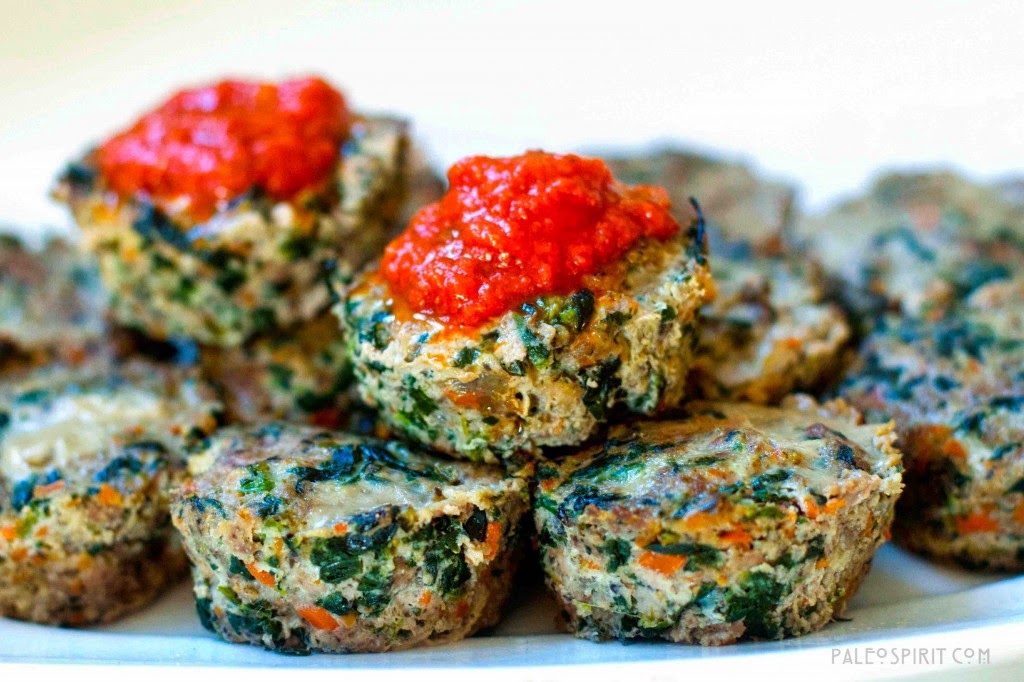
http://paleospirit.com/2013/paleo-mini-meatloaves/

Paleo Mini Meatloaves – Paleo Spirit

Gluten-Free Kangaroo Burgers – Economies of Kale (Can use ground beef! ;) )

Meatballs & Kebabs

Bacon Meatballs with Mango Honey Mustard Sauce – PaleOMG

BBQ Meatballs – Healing Cuisine by Elise

Butternut Squash Meatballs with Zucchini and Carrot – Cinnamon Eats

Hidden Liver Meatballs – Real Food RN

Sweet and Sour Paleo Meatballs – Gutsy By Nature

Meatballs – Food Your Body Will Thank You For

Sweet & Sour Meatballs – Homemade Dutch Apple Pie

Grain-Free Italian Meatballs – Primally Inspired

Baked Chili Meatballs – Recipes to Nourish

Chelo Kebabs – And Here We Are

Kebabs with Roasted Butternut Squash and Zucchini – Cinnamon Eats

Entrees

http://www.theorganickitchen.org/blog-tutorials/zucchini-noodles-with-cranberries-and-walnuts/ 

Zucchini Noodles with Cranberries and Walnuts – The Organic Kitchen

Meatballs with Zucchini and Carrot “Pasta” – Cinnamon Eats

Easiest Crock Pot Taco Meat Ever – Delicious Obsessions

Shepherd’s Pie – Healing Cuisine by Elise

Twice-Baked Cheeseburger Spaghetti Squash – Popular Paleo

Potato-Free Shepherd’s Pie – It Takes Time

Healthy Butternut Squash Shepherd’s Pie – Primally Inspired

Ground Beef Cabbage Wraps – Fearless Eating

Sloppy “Rose” Lettuce Wraps – Recipes to Nourish

Creamy Plantain and Squash Ground Beef Mash – The Healthy Foodie

Paleo Ground Beef Stir-Fry with Wilted Napa Cabbage – Popular Paleo

Homemade Hamburger Helper – Healing Cuisine by Elise

Stuffed Winter Squash – Gutsy By Nature

Italian Spiced Beef Kefta with Avocado Cream Sauce – A Happy Healthnut

Paleo Cabbage Rolls (Galumpkis) – Sweet Potatoes and Social Change

Crock Pot Stuffed Peppers – Homemade Dutch Apple Pie

Furious Furikake Chilli Beef Hash – The Paleo Network

http://www.primalpalate.com/paleo-recipe/zucchini-lasagna/


Zucchini Lasagna – Primal Palate

Spiced Beef Kofte with a Pomegranate Glaze – The Paleo Network

Seriously Delicious Spaghetti Sauce – Holistic Health Herbalist (You can use zoodles (made with this) or spaghetti squash for the noodles)

Grass Fed Meat and Vegetable Muffins – Cinnamon Eats

Grass Fed Persian Spiced Beef and Roasted Butternut Squash – Cinnamon Eats

Spaghetti Squash Frittata Meatza – Real Food RN (you can sub the ground pork for ground beef)

Grain-Free Mexican Flatbread – A Happy Healthnut

Soups & Salads

Bacon and BBQ Burger Salad – Primally Inspired

Black Bean and Kangaroo Chili – Can use ground beef! :)

Grilled Hamburger Salad – Healing Cuisine by Elise

Vegetable Beef Soup – Raising Generation Nourished

Beef & Cabbage Soup – Raia’s Recipes

Love Your Body Chili – Food Your Body Will Thank You For

Slow Cooker Sweet Potato Chili – Farm Fresh Eats (Can omit the corn)

Spicy Paleo Slow Cooker Chili – Oh Snap Let’s Eat

Taco Salad with Cilantro-Mint Guacamole Sauce – Recipes to Nourish

Wednesday, May 14, 2014

Chia, Hemp, and Flax: Are You Eating These Super Seeds?

The next big thing in nutrition might be these tiny seeds.

Chia, hemp, and flax … it’s been said that these tiny seeds are the next big thing in nutrition. If you’ve ever searched for a healthy smoothie recipe or healthy breakfast recipe, chances are you’ll find at least one of these seeds listed in the ingredients. So, why is there so much hype around these “super seeds” and how do we know which ones to include in our diets?

Seeds have been deemed “nutritional powerhouses” by health experts and for a good reason. It’s no wonder: seeds deliver as much protein as nuts (and in some cases more) and all three of these seeds deliver heart-healthy alpha-linolenic acid (ALA), the plant-based omega-3 fat, also found in walnuts. All three of these seeds listed below are packed with healthy oils, fiber, disease-fighting minerals and enzymes, antioxidants, and proteins. Each one of these tiny wonders has its own unique nutritional value and can be easily incorporated into just about any recipe without changing its taste or texture.

Here are 3 super food seeds that will add a nutrient-packed punch to your diet:

Chia Seeds

What is it? You may have heard of them first as the seeds that grow toy Chia pets, but chia seeds are actually an ancient super food used by Aztec warriors to increase energy and stamina on the battlefield.

Why is it good for you?
In addition to being an excellent source of fiber, antioxidants, and protein, chia is very rich in omega-3 fatty acids. Integrative Nutrition visiting teacher Dr. Andrew Weil suggests they may have even more so than flax. Not to mention that this tiny seed may have over three times more calcium than milk! Chia also forms a gel when added to liquid and absorbs ten times its weight in water making it an excellent source of hydration.

Try this Chia Chocolate Tapioca Recipe for a delicious and simple way to enjoy Chia seeds. 

Hemp Seeds

What is it? Hemp seeds come from the same Cannabis species as marijuana, but don’t worry about testing positive for drugs after consuming these seeds—the minuscule amounts of tetrahydrocannabinol (THC) found in hemps seed make them perfectly safe to incorporate in your healthy diet.

Why is it good for you?
Hemp seeds contain all the essential amino acids—something uncommon in plant protein sources. This means that hemps seeds are a fantastic protein supplement for people on a plant-based diet. They’re also chock-full of fiber and packed with other nutrients, such as omega-3 and omega-6, vitamin E, B vitamins and folic acid.

Start your morning off right by blending a tablespoon of hemp seeds into your oatmeal or your post-workout smoothie for an extra hit of protein and nutrition.

Flax Seeds

What is it? This seed comes from the flax plant and has been celebrated for centuries for its health benefits by people all over the world.

Why is it good for you? Flax seeds are rich in Alpha-Linolenic Acid (ALA), an essential fatty acid and powerful anti-inflammatory. Some studies show that due to their anti-inflammatory properties, flax seeds may help to prevent heart disease and reduce certain types of cancers.  They are also an excellent source of dietary fiber, lignans, calcium, potassium, and magnesium, among other nutrients. To get the most out of your flax seeds, try grinding them first—this will make them easier for you to digest and absorb all the nutrients.

Just sprinkle ground flax seeds into cereals, baked goods, smoothies, and yogurt for an extra boost of vitamins and minerals.

Which seeds do you add in your diet?

Monday, February 24, 2014

Becoming a Vegetarian: 7 Foods Your Body Needs If You Stop Eating Meat


By now, we all know that eating rib eye and pork chops isn’t good for our bodies or the environment. It’s an individual choice to go completely vegetarian, but many Americans are cutting back: From 2007 to 2012, American meat consumption plummeted by 12 percent. It’s recommended that protein make up 10 to 35 percent of our daily caloric intake. Essential amino acids, commonly consumed through meat and eggs, are necessary for digestion, growth, and body tissue repair. Having enough vitamin B12 proves even more difficult for herbivores: Important for energy conversion, the vitamin is mainly found in red meat and fish.

So how do we satisfy these nutritional needs without eating meat?


Hummus

Packed with flavor, this Middle Eastern dip kicks plain old chickpeas up a notch. Not only is it a low-cholesterol protein source; hummus has tons of fiber too. Most grocery stores carry a few ready-made varieties, but with some basic ingredients—tahini, olive oil, lemon, and garlic—it’s also easy to whip up in the kitchen.


Tempeh

Think of it as fermented, healthier tofu. Although tempeh is not as popular as its soy-based protein sister, in Indonesia it dates back to the 19th century. Having three times the amount of protein of tofu, it also contains vitamin B12, an essential nutrient for metabolism usually found in animal products.


Greek Yogurt

Thanks to the recent craze, Greek yogurt no longer carries the sad “food diet” rep. (Really, how healthy can all that added sugar be?) It has a creamier consistency, twice the protein, and half the carbs of regular yogurt. Opt for the plain type, of course, and add your favorite fruits for a tasty snack.


Edamame

Served as an appetizer in Japanese restaurants, edamame are a great source of protein. Don’t let the unfamiliar name fool you: Edamame are basically soybeans harvested just before ripening. They’re cheap, are easy to prepare (boil in water, and add a sprinkle of salt), and can be found in most freezer aisles. Feeling adventurous? Mix these baby soybeans in a stir-fry or a bowl of udon. 


Hemp Seeds

Chewy and nutty, hemp seeds are a perfect addition to yogurt and oatmeal. Unlike flaxseeds and chia seeds, they contain all of the essential amino acids—ideal for vegetarians and vegans.


Seaweed

Omega-3 fatty acids have many benefits, such as lowering risk for heart disease and cancer, and most people get their fix mainly through fish. But how do fish have so much of the good stuff, anyway? By eating seaweed. Many coastal communities have long relied on and consume it on a regular basis. And with seaweed’s growing popularity in the United States, many supermarkets already stock their aisles with the nutritious vegetable.


Quinoa

Sure, we’re all a little tired of hearing about the magical seed that is quinoa. That doesn’t make it any less wonderful. Cooked right, quinoa makes a great, fluffy substitute for carby grains like rice and oats. It’s packed with manganese, zinc, and iron, minerals more commonly consumed through shellfish. Also, it’s fun to say: kee-no-wah.
[via takepart]

Friday, October 18, 2013

Nut Butter Battle: Almond vs. Peanut

In recent years, almond butter was somehow anointed the chosen nut butter among health-conscious eaters, who smear it on their sprouted breads and gaze upon peanut butter as its low-brow relative.

But the creamy almond treat is not cheap (it's often about double the price of peanut), and when pressed, most people really can't tell you why they're willing to splurge.

So, we asked top nutritionists and health coaches to really break down the health differences between the two nut butters we're obsessed with most. (That is, unless you've already moved on to the new superfood-infused nut butters).

Which is better for you—almond or peanut? Welcome to the nut butter battle...

Macronutrients

When it comes to the big guys—carbs, protein, and fat—almond and peanut butter are like fraternal twins. "You can see a gram difference here or there, but it doesn't really make a difference," says Pure Nutrition founder Christian Henderson, MS, RD. A single two-tablespoon serving of either is high in calories (200) but comes with lots of protein (about 7g) and healthy fats.

Some nutritionists and health coaches point to almond's slightly higher concentration of good fats, but the difference is nominal. "Almonds have a little bit less saturated fat, but I feel a little bit silly saying that, since they're so close," says SPE Certified's senior culinary nutritionist Natalia Hancock, RD.

Micronutrients

Within the nitty gritty nutrients is where a difference starts to emerge between the butters.

"Almond is better for vitamin E and magnesium, which are two very important micronutrients," Henderson explains. "Vitamin E is an antioxidant and magnesium is important for bone health and your central nervous system." This is especially powerful since vitamin E is not found in a wide variety of foods.

Almond butter also has more calcium and iron than peanut.

Natural and Organic

No matter which nut butter you're choosing, looking out for added sugar and preservatives is a must; ingredient lists should include little more than plain old nuts. You can satisfy this requirement with either butter, but "when you go shopping for almond butter, it's almost all natural brands, you don’t see the Jiffy," says health coach and Sakara Life founder Danielle DuBoise. "It's just easier to choose a natural, no-added-sugar, no-preservatives almond butter."

And when it comes to organic, you have to be more careful with peanuts, says Henderson. "Peanuts are just one of those crops like soybeans and corn that are so overgrown and overprocessed in America. They're hard to grow, so many pesticides are often used on peanuts," she says. "If the peanut butter is not organic, you don’t want to be anywhere near it."

Other Factors

Aside for nutrition facts, there are a few other factors experts consider. Peanuts crops are susceptible to fungi called aflatoxins, which are associated with an array of diseases. The FDA does regulate the presence of aflatoxins, but some say you can't be too careful. "I worry about that, so I just err on the side of caution," DuBoise reasons.

Henderson also says that she's noticed from observations in her practice that almond butter has worked better for her clients struggling with weight loss. "Peanuts just tend to be more addictive for people; almonds tend to be more filling." Peanuts also may cause more bloating, since they're technically legumes, not nuts.

Taste and Uses

Of course, since both butters can be part of a healthy diet, a lot of decisions come down to which just works better, for your taste buds or whatever you're whipping up in the kitchen. "They each have their own place," says Hancock, who works with top chefs to create flavorful, healthy meals around the country. "I think peanut butter tastes better with bananas and almond tastes better with apples."

And while almond butter works really well in smoothies, peanut butter does tend to have more culinary uses, she says. "I'll use peanut butter in a stir fry, Thai style, and I do a really great African spicy sweet potato soup with peanut butter in it that’s really delicious."

Sunday, October 6, 2013

Plant-Based Protein Powerhouses

Like most people who have a higher health conscious, most vegans and vegetarians have a story about how they came to the decision to live their particular lifestyle. No matter your reasons, one of the challenges for non-meat eaters is making sure they get enough protein every day. But it’s not as big a deal as many think. Like most of the nutrients from quality food, a little goes a long way. Back in the hunter/gatherer days, primitive man ate a lot less meat - usually around 20% of his total diet - a far cry from how much the average American consumes daily in the 21st century.

Protein is an essential nutrient that plays a key role in how our bodies function. But too much protein is associated with several diseases. It is more important to eat a varied diet than to isolate and focus on any one nutrient. Including more plant sources of protein will also offer more health benefits including more fibre and nutrients. There are lots of nutrient dense foods with a high protein content, here are some of the top plant based proteins:

Below is a list of the top-7 plant-based foods high in protein and view our plant-based protein chart for simple conversions.

1. Quinoa: 11g Protein / Cup

A grain like seed, quinoa is a high protein alternative to rice or pasta, served alone or over vegetables and greens. It provides a good base for a veggie burger and is also a fantastic breakfast cereal when served cold with almond or coconut milk and berries.

2. Lentils: 17.9g  Protein / Cup

Delicious, nutritious and super easy to prepare. Trader Joe’s sells them pre-cooked and I’m not afraid to just eat them cold right out of the package for lunch or a snack on the run.

3. Tempeh: 24g Protein / 4 Ounces

A fermented soybean-based food, tempeh is a healthy protein-packed alternative to it’s non-fermented cousin tofu. It makes for a great veggie burger and doubles as a tasty meat alternative to meatballs in pasta, or over brown rice and vegetables.

4. Seitan: 24g Protein / 4 Ounces

An excellent substitute for beef, fish and soy products, one serving provides about 25% of your RDA of protein. But not for those with gluten sensitivities, as it is made from wheat gluten.

5. Beans (Black, Kidney, Mung, Pinto): 12-15g Protein / Cup

I love beans. Great on a veggie burrito, in chili and soups, on salads or over rice with vegetables, beans of all varieties are a daily staple of my diet.

6. Spirulina: 6g Protein / 10 grams

A blue-green algae, spirulina is a highly bioavailable complete protein containing all essential amino acids. At 60% protein (the highest of any natural food), it’s a plant-based protein powerhouse that finds it way into my Vitamix blends daily.

7. Hemp Seeds: 16g Protein / 3 Tbsp

With a perfect ration of omega-6 and omega-3 EFA’s, hemp seeds are another bioavailable complete protein rivaled only by spirulina. A simple and great addition to a multitude of dishes, from breakfast cereal to salads to smoothies to vegetables and rice.

Friday, October 4, 2013

Plant- Based Protein Chart


The following is a chart is adapted from the USDA Nutrient Database that displays the protein content of vegetarian foods, it does not include any dairy or soy.  Please note that in order to determine the amount of protein that is optimal for your body, use the following formula that is based on a vegetarian recommendation:

Convert weight to kg (pounds/2.2)
Multiply kg by .9 = Protein recommendation in grams

Nut/Seed (1/4 Cup; 4 tbs)

Protein (g)

Chia Seed 12
Hemp Seed 10
Flax Seed 8
Sunflower Seed 8
Salba 7.4
Almond 7
Pumpkin Seed 7
Sesame Seed 7
Pistachio 6
Walnut 5
Brazil Nut 5
Hazelnut 5
Pine Nut 4
Cashew 4


Beans (1 Cup cooked)

Protein (g)

Lentil 18
Adzuki 17
Cannellini (white beans) 17
Cranberry bean 17
Navy Bean 16
Split Peas 16
Anasazi 15
Black Bean 15
Garbanzos (chick peas) 15
Kidney Bean 15
Great Northern Beans 15
Lima Beans 15
Pink Beans 15
Black-eyed Peas 14
Mung Beans 14
Pinto Beans 14
Green Peas 9


Grains (1 Cup cooked)

Protein (g)

Triticale 25
Millet 8.4
Amaranth 7
Oat, bran 7
Wild Rice 7
Rye Berries 7
Whole Wheat Couscous 6
Bulgar Wheat 6
Buckwheat 6
Teff 6
Oat Groats 6
Barley 5
Quinoa 5
Brown Rice 5
Spelt 5


Vegetables (cooked)

Protein (g)

Corn (1 large cob) 5
Potato (with skin) 5
Mushroom, Oyster (1 cup) 5
Collard Greens (1 cup) 4
Peas (1/2 cup) 4
Artichoke (medium) 4
Broccoli (1 cup) 4
Brussel Sprouts (1 cup) 4
Mushroom,Shitake (1 cup) 3.5
Fennel (1 medium bulb) 3
Swiss Chard (1 cup) 3
Kale (1 cup) 2.5
Asparagus (5 spears) 2
String Beans (1 cup) 2
Beets (1 cup) 2
Sweet Potato (1 cup) 3
Cabbage (1 cup) 2
Carrot (1 cup) 2
Cauliflower (1 cup) 2
Rutabaga 2
Squash 2
Celery (1 cup) 1
Spinach (1 cup) 1
Bell Peppers (1 cup) 1
Cucumber (1 cup) 1
Eggplant (1 cup) 1
Leeks (1 cup) 1
Lettuce (1 cup) 1
Okra (1/2 cup) 1
Onion (1/2 cup) 1


Other Sources

Protein (g)

Egg 6
Sunwarrior Rice Protein (scoop) 17
Avocado (1 medium) 4
Cherimoya 7
Durian (1 cup) 4
Sapote (1 medium) 5

Thursday, July 18, 2013

5 Delicious Protein Shake Recipes

If you do not have time to eat 5 to 6 meals a day, protein shakes are a great filler; these are 5 Delicious Protein Shake Recipes you can try out, whether it is prior to, during, or after working out. Or, if you just need to get a meal in on the go, these are simple shake recipes you will love.

1. Keep it Plain

With a vanilla based protein powder, simply add soy or almond vanilla milk, a few ice cubes, and blend, or shake in a shaker. Depending on the consistency you prefer, the amount of ice (or whether you shake or blend) will vary for everyone. This is simple, you can make it anywhere, and it is going to taste good if you choose the right protein powder supplement.

2. Go Green

With the same base ingredients, you can add in spinach, kale, and your choice of greens. You will not taste these vegetables, and if you want, you can add a few fruits of choice for a sweeter taste. This is a great way to get your vegetables in for the day, without having to cook, plus you are not going to taste them if you are not a big fan of veggies.

3. Add a Coffee Hint

With the vanilla whey powder, soy or almond milk and ice, you can add in a little coffee for a unique taste (brewed or coffee bean); you can also use instant coffee packs if you don’t want to get the beans out, and adding in a 1/2 cup of oats is a great way to create a shake that is a little more filling, and can hold you over for a few hours.

4. Lemon Shake

If you enjoy a citrus taste, you can add 1 freshly squeezed lemon to the protein powder, water (or milk) and ice blend. If you like mixed blends, you can also add orange juice, or other citrus based fruits, in order to give it a little more flavor, and to add the citrus taste that you love.

5. Peanut Butter Blend

If you love peanut butter, add it to your shake. You will simply add one or two teaspoons in to the whey vanilla powder, your milk and ice blend; you can also add in a few blueberries or strawberries (or both), if you want to add a little sweetness to the mix. You can include any additional fruits you want, to make a distinct flavor blend.

There are so many shakes and unique flavors you can create. But always remember, it is best to use a vanilla based whey protein powder, since it is easy to flavor, and you can pretty much add anything in to the mix if you want more flavor, more sweetness, or simply want to create your own unique tastes and blends when you are looking for an extra source of protein. Anyway, I hope these recipes will help you make the tastiest protein shake ever!
[via: Happy Green]

Friday, September 28, 2012

How To: Add More Flaxseed To Your Family's Diet


Flaxseed is rich in Omega-3 alpha-linolenic acid and fiber, nutritional beneficials it is likely your family could use more of. If you have never purchased flaxseed, it is located in the baking section of most supermarkets. It is available as whole seeds or ground—finely ground flax seed yields the most nutritional benefits. Whole seeds can be ground using a blender or a coffee grinder. Here are few quick tips for adding more flaxseed into your family meals.

Pancakes:
 Add 1/4 cup ground flaxseed to your favorite pancake mix, and for extra flavor add 1 tablespoon of vanilla.

Pizza:
 Sprinkle 1/4 cup of ground flaxseed on your favorite homemade or frozen pizza. Cook according to normal directions.

Breads: Brush dinner rolls with olive oil, sprinkle the rolls with ground flaxseed, and warm them in the oven.

Breading:
 Add flaxseed (1 tablespoon – 1/4 cup) to your favorite bread crumbs and use this mixture as a coating for tofu, fish, poultry, or pork, or as a topping for casseroles, stuffed mushrooms, and more.

Veggies:
 Sprinkle ground flaxseed on hot vegetables just before serving OR sprinkle ground flaxseed on a salad and toss with dressing.

Breakfast: Add a teaspoon of ground flaxseed to yogurt, oatmeal, or granola.

Dessert: Sprinkle ground flaxseed on vanilla pudding, ice cream, or apple crisp.

Visit Healthy Flax for more great flaxseed recipe!