Showing posts with label hydration. Show all posts

Monday, January 5, 2015

7 Waters That Deliver Innovative Nutrition

Coconut water, the subtly sweet and electrolyte-filled beverage touted as nature’s energy drink, recently exploded in popularity. And it opened the floodgates: On today’s store shelves, you’ll find even more unusual specialty waters that deliver hydrating alternatives to sugary fruit juices and sodas.

In addition to fewer calories, these new “waters” offer perks such as vitamins and minerals, antioxidants, electrolytes, and, notably, sustainable ingredients sourced from North America rather than Southeast Asia, where coconuts are typically harvested before they’re shipped to the United States. Check out these natural quenchers—sometimes enhanced with yummy ingredients—for unique taste and health benefits.

Alkaline Water

What it is: Alkaline water is infused with trace minerals like calcium, magnesium, sodium, and potassium to elevate its pH to 9.5 (neutral is 7).

Why we love it:
Most American diets contain too many acid-producing animal products and insufficient alkaline-promoting fruits and vegetables. Some believe drinking alkaline water counteracts this imbalance to improve bone and muscle health.

The facts: One study published in The American Journal of Clinical Nutrition found that older adults who followed an alkaline diet for three years maintained more muscle mass than the control participants.

Try: Essentia Alkaline Water

Almond Water

What it is: Not to be confused with almond milk, which comes from ground almonds, almond water is made with boiled sliced almonds, water, cane sugar, and almond extract.

Why we love it:
It’s delicious! Almond water differs from other plant-based drinks because it doesn’t claim to be uniquely functional. It’s simply a refreshing, slightly sweet sipper to enjoy alone or with meals.

The facts:
The first nationally available almond water uses a traditional French recipe from the founder’s grandmother.

Try: Victoria's Kitchen Almond Water Original

Artichoke Water

What it is: A whole artichoke—including the heart, stem, leaves, and flower—is extracted into a bottle using a proprietary method to retain nutrients.

Why we love it:
Sometimes balanced with lemon and fresh mint and packing just 40 calories per 8 ounces, artichoke water delivers liver-supporting phytonutrients like silymarin.

The facts: Artichokes are typically harvested close to manufacturing facilities in California, so they boast a low carbon footprint.

Try: Arty Artichoke Water

Cactus Water

What it is: Juice and extract from the prickly pear cactus is blended with water and other natural ingredients such as lemon and stevia.

Why we love it:
Popular in Latin America, prickly pear is rich in antioxidants and carotenoids, magnesium, and vitamin C.

The facts:
Southwestern folk medicine uses prickly pear cactus fruit and juice to treat maladies from diabetes to hangovers.

Try: Caliwater Cactus Water

Coconut Water

What it is: Slightly bittersweet coconut water comes from the clear liquid found in young green coconuts.

Why we love it:
Touted as nature’s ultimate hydrator, coconut water contains high levels of electrolytes like potassium, magnesium, and calcium.

The facts:
In remote areas of the world, doctors have successfully used coconut water intravenously to rehydrate patients in emergencies.

Try:
Harmless Harvest 100% Raw Coconut Water Dark Cacao

Maple Water

What it is: Though traditionally processed into maple syrup, maple water is the unrefined tree sap that naturally travels through maple tree trunks in the spring thaw.

Why we love it: Slightly sweet and mild flavored, this refreshing beverage contains dozens of phytonutrients, including some unique to tree waters.

The facts: Drinking maple water conserves American forests by providing landowners a way to monetize their forests without cutting trees down.

Try: Vertical Water 100% Pure Maple Water

Melon Water

What it is: The best melon waters contain one cold-pressed ingredient: watermelon.

Why we love it: This energizing beverage is rich in anti-inflammatory antioxidants, potassium, and citrulline, a muscle-supporting amino acid—making it a fantastic sports drink.

The facts:
Some melon waters incorporate the watermelon rind, which contains even higher concentrations of citrulline.

Try:
WtrMln Wtr Cold Pressed Juiced Watermelon

Cashew: the next coconut water?

Usually left on the ground to rot, bright-red and yellow cashew apples are the stems left over after cashew nuts are plucked for harvest; they’re tangy, sweet, and packed with vitamin C. Now, a few large companies are putting this previously ignored resource to good use. PepsiCo India recently teamed up with the Clinton Foundation (yes, those Clintons) to collect cashew apples from a local network of small-scale farmers in India, turning the crop into a mixed-fruit drink (sold in India) and replacing more expensive ingredients like apple, pineapple, and banana. The dozen or so growers told The New York Times that this season’s cashew apple sales raised their families’ incomes by as much as 20 percent.

Thursday, July 10, 2014

20 Foods to Help You Stay Hydrated this Summer

For most of us, summertime is synonymous with long days, warm evenings, visits to the pool, and, above all, sunshine. But when that glorious yellow orb is warming and lighting the world, it can be easy to forget to stay hydrated. This is problematic, because poor hydration can lead to a host of short and long-term health problems, including constipation, nose bleeds, headaches, coughing, fatigue, acne, and unwanted weight gain. But staying hydrated when it’s hot outside doesn’t have to be a difficult chore; by including certain foods in your diet, you can help your body stay happy and hydrated while you beat the heat.

Here are 20 foods to stay hydrated with, so keep them on your menu when the days start to grow long and hot.

1. Watermelon,  water content: 92%

Watermelon is a cherished summer treat, and for good reason—it’s tasty, fun to eat, and undeniably refreshing. Of course, it’s no secret that watermelon is loaded with water; after all, it’s even in the name. However, it also contains lycopene, which is an antioxidant believed to help fight cancer.

2. Strawberries,  water content: 92%

Another summer favorite, strawberries are as water-rich as watermelons, but thanks to their small size, they are a bit easier to eat while on the go. They may also promote bone health, boost short-term memory, and even help burn stored fat.

3. Apricots,  water content: 86%

Generally only available fresh through the beginning of summer (due to the fact that they bloom early, have little tolerance to extreme heat, and are difficult to ship), fresh apricots are nonetheless widely popular. In addition to having a high water content, they are also rich in antioxidants, fiber, and beta carotene.

4. Iceberg Lettuce,  water content: 96%

Although you’re probably less-likely to grab a handful of lettuce to take along on your summer walk or July beach-trip, one of the things that makes lettuce such a wonderful food is that it’s easy to incorporate into other meals. A healthy salad or fresh sandwich can be a great way to get the hydrating benefits of lettuce—as well as the other nutritional advantages—while still enjoying a delicious meal.

5. Spinach,  water content: 92%

Spinach doesn’t have quite as much water in it as iceberg lettuce, but it is a bit more nutritious overall. However, the calcium and iron in raw spinach are often unprocessable by the human body, because of a compound called oxalic acid that is also present in spinach. This problem can be solved by simply cooking the spinach, blending it in a smoothie, or by pairing it with foods rich in vitamin C.

6. Grapefruit,  water content: 91%

Tart and tangy, grapefruits are loaded with mouth-watering citrus juice. They’re also suspected to help burn unwanted fat, while reducing cravings and boosting the immune system. For added nutrients and hydration, consider peeling the grapefruit and eating it like an orange, rather than cutting it.

7. Sweet Peppers,  water content: 92%

Sweet peppers are large, mild peppers which have a subtle sweet flavor and are generally very crisp. They come in a variety of colors, but all of them have a high water content. They are often used in salads and main dishes, but when sliced into smaller sections, they can make a great mid-day treat that’s high in vitamins C, E, B6, and helpful enzymes, and low in calories.

8. Tomatoes,  water content: 94%

We’ve come a long way in the last 200 hundred or so years, when the prevailing British and American belief was that tomatoes were poisonous (despite the fact that they were eaten regularly in Spain and Italy). These days, tomatoes are found in dishes around the world, and are considered by many to be world’s most popular (and possibly most nutritious) fruit.

9. Radishes,  water content: 95%

Often overlooked as a standalone vegetable, radishes are nevertheless a slightly spicy treat that can also help keep you hydrated and healthy. This is because radishes contain vitamin C, zinc, and phosphorus, which all play a part in keeping you feeling your best during the hot months.

10. Cauliflower,  water content: 92%

Although you may not realize it, cauliflower actually has as high of a percentage of water as strawberries—this helps contribute to the crispiness for which cauliflower is known. It also contains sulforaphane (which is believed to kill cancer stem cells), is loaded with vitamins, and helps to regulate digestion.

11. Broccoli,  water content: 91%

Similar to cauliflower in many respects, broccoli is likewise full of vitamins and sulforaphane, and contains a high amount of water. It is best for the body when eaten raw.

12. Carrots,  water content: 87%

Carrots are best known for their bright orange color and their sometimes-debated ability to improve vision. What they’re not as well known for is their water content. However, carrots are easy to pack along for snacks, and can help keep the body hydrated.

13. Cantaloupe,  water content: 90%

Cantaloupe is another great summer treat that will keep you hydrated. As summer-season fruits, they are available fresh all the way through to the end of August. They are nutritious and low in calories, and have a unique musky flavor. Consider giving it a sour-tasting flavor boost by eating it with a dash of lime or lemon juice.

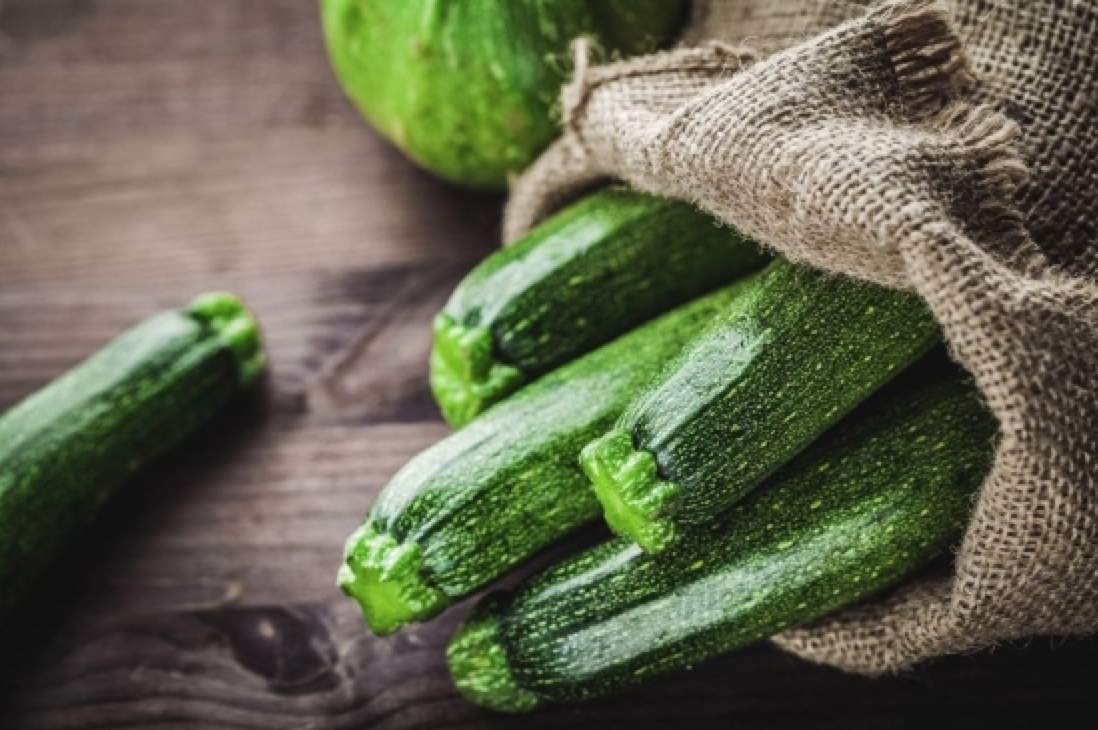
14. Zucchini,  water content: 95%

Although green squash such as zucchini may not sound like the perfect summer snack, it is loaded with lutein and zeaxanthin (which promote healthy vision), manganese (which protects tissue from damage caused by free radicals), and massive amounts of vitamin C. Zucchini also has a very high water content, and is the perfect addition to your summer diet.

15. Celery,  water content: 95%

Celery is a perfect food for satisfying cravings and promoting weight loss, all thanks to its high water and fiber content, and its absurdly low calorie count. At the same time, celery contains vitamins A, C, and K, making it nutritious as well as filling and thirst quenching.

16. Pineapple,  water content: 87%

One of the most popular tropical fruits, pineapples are extremely rich in vitamin C. In fact, 1 cup of fresh pineapple contains over 100% of the recommended daily value of vitamin C. Pineapple is also high in manganese, making it a healthy and energy-rich fruit that will also keep you hydrated.

17. Peaches,  water content: 88%

Another fruit which is great by itself or as a part of a larger meal, peaches are also known to calm upset stomachs and even relieve anxiety (they’re known as the “Fruit of Calmness” in Hungary). Their juicy flesh contains significant amounts of water, and makes a great snack.

18. Cranberries,  water content: 87%

The health benefits of cranberries are widely recognized, which is one of the reasons that cranberry juice is so often mixed with other juices. Cranberries contain vitamin C, fiber, and more antioxidants than almost any other fruit or vegetable. Their high water content makes them a must for those who want to eat healthy and keep hydrated.

19. Blueberries,  water content: 85%

These small, dark berries are often added to other dishes, and are known to help lower cholesterol, and also decrease the risk of diabetes and heart disease. Much like cranberries, they contain incredibly high amounts of antioxidants. And, also like cranberries, blueberries contain a high percentage of water.

20. Cucumber,  water content: 96%

If cucumbers contained any more water, they’d probably be a soup. Suffice it to say that cucumbers contain more water than almost any other solid food. And, thanks to their high levels of vitamins, their ability to help flush toxins from the human body, and their usefulness in controlling blood pressure, cucumbers are actually one of the most nutritious foods available.

So, don’t let the summer heat dry you up; grab a few of your favorite hydrating ingredients and make a summer smoothie that will not only quench your thirst, but also nourish your body in the process. Now get out there and enjoy that sun!

[via The Blend]

Tuesday, April 8, 2014

6 Food Myths Debunked

Don't completely ditch fat-free dressings, and feel free to eat some white vegetables.

Nutrition advice comes so fast and furious, sometimes it’s hard to keep track of what’s good and what’s bad for you. And oftentimes when that advice is boiled down to a hard and fast rule, that rule becomes, well, slightly untrue. So TIME asked some nutrition experts to identify the more common food myths we hear, and the truth behind them.

MYTH: Microwaving foods kills nutrients

Microwaving is actually among the more preferable ways of keeping all the good things in foods like vegetables intact. Boiling can leech out valuable vitamins and minerals, but because microwaving heats up food without using a lot of water, it helps foods to stay nutrient-packed.

MYTH: The more grains, the better

While grains are certainly preferable to refined white flour because they contain more fiber and vitamin B, don’t fall into the multigrain trap. Just because a product has multiple different grains doesn’t mean those grains aren’t processed and stripped of many of the good things you want from them. “In processing grains for convenience, you’re potentially losing the nutrients and changing the degree to which they are absorbed,” says Nicolette Pace, spokesperson for the New York State Dietetic Association.

Check the label and look for the word “whole” before any grains listed. And make sure the whole grains are the first thing among the ingredients, which confirms that they make up the most important part of the food.

Another clue is the fiber content. “If you’re seeing than an 11-cracker serving contains 1g of fiber, there’s probably not a lot of whole grain in there,” says Pace.

MYTH: Fat-free salad dressings are healthier

Fruits and vegetables have fat-soluble nutrients that need fat in order to work–like the lycopene in tomatoes, which has been linked to lower cancer and stroke risk. Opting for a fat-free dressing may deprive you of those benefits. Try olive oil-based options instead, or add avocados and nuts, both of which contain healthy fats, to your salad instead.

MYTH: Avoid white vegetables

Nutrition experts advocate for colorful foods – the brighter, and more diverse the rainbow on your plate, the better. And that’s still true; carrots and strawberries are high in beta carotene, an important antioxidant that fights damaging inflammation in cells, and dark green produce is a rich source of antioxidants, fiber, calcium, and vitamins like C and K.

But that doesn’t mean that their white cousins are nutritional failures. In fact, cauliflower, garlic, onions, mushrooms, and, yes, even potatoes are good sources of fiber, antioxidants, and potassium. And while the white potato has become tuber non grata for dieters, adding a moderate amount of potato to your diet won’t derail weight entirely. In fact, because it’s so full of fiber, a little goes a long way toward making you feel full and eating less overall. “It’s something you can use as a vehicle to build a meal,” says McDaniel. “If you add broccoli and little bit of cheese, it can be a satisfying meal for someone trying to lose weight.”

MYTH: Juice cleanses are cleansing

“People think juice cleanses are a good way to detox the body,” says Jennifer McDaniel, spokesperson for the Academy of Nutrition and Dietetics. “But I remind my clients that you have a built-in detox organ, the liver, and it’s very good at what it does.” It probably won’t harm you if you go on a juice cleanse for a day or so, but as a way to lose weight, it’s not such a good idea, since it deprives you of proteins and fats, and may lead to losing muscle.

MYTH: Coffee will only make you thirstier

While the caffeine in coffee is a diuretic, meaning it draws water out of your body, the amount of water in coffee means that overall, it can be a thirst quencher. Water is still your best option to stay hydrated, but don’t avoid coffee if you’re a regular java drinker because you think it dehydrate you.

[via TIME]

Sunday, July 21, 2013

How to Make Healthy Flavored Water at Home


Summer is upon us and hot, super-sunny days are abundant. Between hiking, biking, running around, and those lazy days at a park, it is important to stay hydrated.  And honestly, sometimes plain old water just doesn’t cut it.

Fruit infused waters seem to be the trick! Infused waters are easy to make, nutritious, and refreshing. Simply use any fresh fruit (except bananas — they don't work well), herbs, and spices to flavor your once plain water to create a perfect summer drink.

Minty Cucumber Lime

1/2 a cucumber, sliced
1/2 a lime, sliced
1/4 cup fresh mint leaves

Strawberry-Lemon with Basil

1/2 cup sliced strawberries
1/2 a lemon, sliced
1/4 cup fresh basil leaves

Watermelon Mint

1 cup cubed watermelon
1/4 cup fresh mint leaves

Pineapple-Orange with Ginger

1/2 cup cubed pineapple
1/2 an orange, sliced
1 tablespoon freshly-grated ginger

What You’ll Need:

1-quart jars
Water
Wooden Spoon
Agave or another sweetener (optional)

What to Do:

  1. Choose which recipe you're making — or come up with your own combination — and gather all of the ingredients.
  2. Place the fruit, herbs, and/or spices in the bottom of one of the glass jars, and muddle with a wooden spoon. (basically mash up the fruit in the bottom of the jar to release some of the flavor-filled juices.)
  3. Fill the jar with water and give it a taste. (You can also fill the jar with seltzer water for a fizzy treat.) If you'd like something a bit sweeter, try adding some agave (and mix until dissolved).
  4. Enjoy as-is or refrigerate overnight for maximum flavor.
[via Greatist]