Showing posts with label alternative medicine. Show all posts

Monday, November 2, 2015

Cranberries Have Role in Heart Health, Should We Give Thanks?


Several studies, including new research presented at the Cranberry Health Research Conference, suggest cranberries may play an important part in heart health. As we prepare for the Thanksgiving holiday and the height of cranberry season, it’s time to explore how these red berries may benefit heart health.

Cranberries are a rich source of polyphenols, including phenolic acids (e.g., benzoic, ellagic acids) and flavonoids (e.g., anthocyanins, flavonols), which have been found to have potent antioxidant properties. In fact, published research has shown “how polyphenol compounds help improve endothelial function, which is a critical factor in preventing atherosclerosis [hardening of the arteries]” and “to inhibit the abnormal platelet aggregation that cause most sudden heart attacks and strokes, while fighting inflammation and supporting healthy blood lipids.”

The current study follows several previous efforts to determine whether cranberries should be considered heart-healthy and worthy of attention beyond the role they have played for years. That role has focused on their ability to help prevent urinary tract infections, particularly in women who are susceptible to this common condition.

Studies of cranberries and heart health
Before we get to the latest research, let’s look briefly at what preceded it, beginning with a Tufts University study published in 2007. The authors of that review noted there was evidence to suggest that the polyphenols found in cranberries may reduce the risk of cardiovascular disease by hindering the accumulation of platelets and reducing blood pressure.

In a 2011 study, a team at Boston University School of Medicine examined the effects of cranberry juice on vascular function in individuals who had coronary artery disease. Two studies were conducted: an acute, no-placebo pilot that involved 15 patients, and a chronic, placebo-controlled crossover study that enrolled 44 patients.

In the chronic crossover study, the individuals were randomly assigned to drink 16 ounces daily of cranberry juice or placebo for four weeks. The participants in the acute study consumed 16 ounces of cranberry juice one time only.

Here’s what the investigators found:
  • Mean carotid-femoral pulse wave velocity (an important measure of stiffness of the aorta) decreased after cranberry juice and increased after placebo 
  • Several other important cardio measures, including blood pressure, brachial artery flow-mediated dilation, digital pulse amplitude tonometry, and carotid-radial pulse wave velocity, did not change
  • In the pilot study, there was an improvement in brachial artery flow-mediated dilation and digital pulse amplitude tonometry four hours after the participants consumed a single 16-ounce portion of the juice
In a subsequent (2013) double-blind, randomized study, the authors set out to see whether daily consumption of double-strength cranberry juice over four months would have a beneficial impact on vascular function and endothelial cells (which line the walls of the arteries). A total of 69 men and women who had peripheral endothelial dysfunction and cardiovascular risk factors participated in the study and completed it.

The authors found that drinking the cranberry juice may protect against atherosclerosis by reducing the number of endothelial cells that make a compound called osteocalcin, which has been linked to hardening of the arteries.

Latest study of cranberries and heart health
In this latest study, the authors enrolled 10 healthy males (age 18-40) and evaluated the immediate impact on vascular health after they consumed 16 ounces of cranberry juice at various concentrations, ranging from 0 to 117 percent, including 25 percent, which is the concentration commonly found in commercial cranberry juice cocktail.

The investigators found that drinking cranberry juice improved (increased) flow-mediated vasodilation, which is a measure of blood flow and vascular health, ranging from 1 to 2.5 percent, depending on the concentration and when the participants were tested. At the highest concentration, there was a 10 mmHg decline in systolic blood pressure as well.

According to the study’s lead investigator, Dr. Ana Rodriguez-Mateos, of University Duesseldorf, Germany, “Significant improvements in vascular function from drinking two cups of cranberry juice suggest an important role for cranberries in a heart-healthy diet.”

The findings of these studies provide some evidence that cranberries may have a role in heart health. Although it may be too early to stock up on cranberry juice (which can contain lots of sugar depending on what you buy), it may be comforting to know that these little red berries may have more potential than helping ward off urinary tract infections. You may want to raise a glass of cranberry juice more often in the future…for heart health.

Thursday, January 30, 2014

Health Benefits of Rosemary Oil

Rosemary oil is one of the most popular essential oils for its wide array of health benefits. It has become increasingly important and popular over the years as more of its various health benefits have become understood, including its ability to stimulate hair growth, boost mental activity, relieve respiratory problems and reduce pain.

Rosemary, also known as Rosmarinus Officinalis, is very popular in the Mediterranean region as a culinary herb. Many dishes are cooked with rosemary oil and freshly plucked rosemary leaves. Rosemary essential oil is mostly extracted from the leaves. The rosemary bush belongs to the mint family which includes basil, lavender, myrtle, and sage.

Rosemary has been extensively used since ancient times for a variety of purposes. The Romans gave special importance to the rosemary plant and used it frequently in religious ceremonies. It was also used during wedding ceremonies, food preparation, cosmetic care, and medicinal herbal care. Rosemary plant and its extract were also used by the ancient, Egyptian civilization as incense.

The health benefits of rosemary essential oil made it a favorite of Paracelsus, a renowned German-Swiss physician and botanist, who made significant contributions to the understanding of herbal medicine during the 16th century. Paracelsus valued rosemary oil due because of its ability to strengthen the entire body. He correctly believed that rosemary oil had the ability to heal delicate organs such as the liver, brain, and heart.

Health Benefits of Rosemary Oil

Today, many medicinal preparations contain rosemary oil. The various, well-researched health benefits of rosemary oil are listed below:

Indigestion: Rosemary oil is often used for indigestion, relieving flatulence, stomach cramps, constipation, and bloating. Rosemary essential oil is also thought to relieve symptoms of dyspepsia and it is an appetite stimulant. Furthermore, research has shown the essential oil to be detoxifying for the liver, and it also helps to regulate the creation and release of bile, which is a key part of the digestive process. It also stimulates blood flow and improves circulation, which can benefit the absorption of nutrients from food. Rosemary leaves are often added to meat dishes because it is particularly helpful in digesting meat, particularly lamb, beef and pork.

Hair care: Rosemary oil and rosemary teas are widely used for hair care in shampoos and lotions. Regular use of rosemary oil helps to stimulate follicles, making hair grow longer and stronger. It is also believed that rosemary oil slows down premature hair loss and graying of the hair. Therefore, it is an excellent tonic for bald people or those who are beginning to show signs on male pattern baldness.

Rosemary essential oil is also beneficial for dry and flaky scalps. Regular massaging of the scalp with rosemary oil nourishes the scalp and removes dandruff. Furthermore, it is often mixed with tea tree oil and basil oil to alternately treat scalp problems. For many years, rosemary has been combined with olive oil as a way to darken and strengthen hair by using hot oil treatments.

Mouth care: Rosemary essential oil is a disinfectant and is often used as a mouth wash. It also helps in removing bad breath. By removing oral bacteria, rosemary essential oil can prevent gingivitis, cavities, plaque build up, and other damaging dental conditions.


Skin care: Rosemary essential oil is not used in skin care as extensively as it is used in hair care, but it does have antimicrobial and antiseptic qualities that make it beneficial in efforts to eliminate eczema, dermatitis, oily skin, and acne. Topical application of the essential oil, or regular massage with the oil helps in toning your skin and removing dryness. It can also give your skin a healthy, even glow when regularly applied, or when it is a main component of your moisturizers and other creams.

Boosting mental activity: Rosemary essential oil is an excellent brain and nerve tonic. It is often used by students during exam times because it increases concentration and helps in studying efficiently. It stimulates mental activity and is a good remedy for depression, mental fatigue and forgetfulness. Inhaling rosemary oil seems lift your spirits immediately. Whenever your brain is tired, try inhaling a little rosemary oil to remove boredom and renew your mental energy.

In a study, researchers found that of 144 test participants who inhaled rosemary oil during an exam displayed significantly higher cognitive function. This is why some researchers are beginning to explore the options for using rosemary oil as an alternative treatment for slowing down the onset of Alzheimer’s disease in certain patients because of this apparent connection between boosted neural activity and the essential oil.

Stress Relief: Aside from the relaxing nature of aromatherapy and general inhalation of rosemary essential oil, it has been proven to actually decrease the level of cortisol in the saliva. Cortisol is one of the main stress hormones that are released during the “flight or fight” response of the body to stress. Excess cortisol in the blood that may occur due to chronic stress can wreak havoc on the body, including its hormonal balance and the efficiency of the metabolism. A study said that inhaling rosemary oil and lavender oil for five minutes significantly reduced the levels of cortisol in the test subject’s saliva, which could seriously decrease the dangers inherent from chronic stress.
Advertisement

Immune System Boost: Antioxidants are some of the most valuable defensive weapons we have in our body for fighting off infection and disease, so any food or essential oil that either adds to or stimulates the activity of antioxidants is a huge benefit to overall health. The same study which found that cortisol levels decreased after simultaneous massage and inhalation of rosemary essential oil also found that the scavenging free radical activity in the test subjects’ bodies also increased significantly. This means that regular use or inhalation of rosemary essential oil in aromatherapy sessions or in other ways can increase the strength of the immune system and help combat all of the diseases associated with free radicals, including cancer and heart disease.

Pain relief: The ability of rosemary essential oil to relieve pain has resulted in its extensive use in treating headaches, muscle pains, rheumatism and even arthritis. Massaging the affected area that is in pain with rosemary essential oil can give quickly relieve the pain. Vapor baths with rosemary oil are also found to be effective in the treatment of rheumatism. It has certain anti-inflammatory qualities as well, which makes it very good for relieving the pain from sprains and joint aches. Furthermore, it is known to stimulate blood circulation, which can relieve pain and also aid in coagulation of wounds for faster healing.

Aroma: Rosemary has a mesmerizing aroma, which makes rosemary essential oil an excellent inhalant. The oil is used in room fresheners, cosmetics, beauty aids, food, bath oil, candles and perfumes because of its unique and intoxicating aroma. When the oil is inhaled, it can boost mental energy and is also known to clear the respiratory tract. Many people spray a mixture of rosemary essential oil and water to remove bad odors from room and objects.


Sexually Transmitted Diseases: Recent research suggests that the use of rosemary essential oil’s antimicrobial qualities can help reduce the effects and recurring inflammation of the herpes virus. The herpes virus can quickly develop immunity to normal antiviral medication, so alternative methods are always being explored. A number of studies have now shown the essential oil of rosemary to be an effective option for reducing the symptoms of the Herpes virus in test subjects, and even affects the level of contagiousness of the virus.

Respiratory problems: The benefits of rosemary essential oil in treating respiratory problems are well-researched and supported. The scent of the oil has been shown to give relief from throat congestion, and it is also used in the treatment of respiratory allergies, colds, sore throats and the flu. Since rosemary oil also has antiseptic qualities, it is also effective for respiratory infections. The oil is antispasmodic and is therefore used in some treatment programs for bronchial asthma.

There are various other claims regarding possible health benefits of rosemary oil, including its usage for disorders in menstrual cycle, menstrual cramps, peptic ulcer, urine flow, prostate, gall bladder, intestine, liver, cataract, heart, sperm mobility, leukemia, kidney stones and associated pain. Research is currently being performed to study its potential in treating various types of cancers including those of the colon, stomach, breasts, and lungs.

Rosemary oil may, at times, cause allergic reactions, so it should only be used if prescribed or after thorough consultation with your medical specialist. Since rosemary oil is volatile in nature, the oil has occasionally caused vomiting and spasms. Therefore, it should never be ingested. It is strongly suggested that rosemary essential oil should not be used by pregnant, breastfeeding, or nursing women. Excessive use of the oil may even lead to miscarriage or a disability in the fetus.

Rosemary essential oil is used extensively in aromatherapy due to its versatility as a welcome aroma in so many popular combinations. The oil blends well with frankincense, lavender, clary sage, cedarwood, basil, thyme, citronella, lemongrass, elemi, geranium, chamomile, peppermint and cardamom.

Wednesday, January 15, 2014

Breakfast Boosters: 14 Foods to Fight Off a Cold

Kiwi

Kiwis contain between 90 and 110 milligrams of vitamin C — more than an average orange. They are a good source of potassium, an important mineral for strong muscles and nerves, plus immune-boosting vitamin E. They are also packed with flavonoids and carotenoids — antioxidants that promote respiratory health, heart health and optimum well-being, says Suki Hertz, M.S., R.D., nutrition professor at the Culinary Institute of America. Cut kiwis in half and scoop out the flesh for a fruit salad or mash up and stir into plain yogurt.

Papaya

Papayas are praised for their anti-inflammatory properties. They're also an excellent source of vitamin C—one medium papaya supplies 313 percent of your daily requirement, explains Hertz. Additionally, they are a great source of beta-carotene, a phytonutrient that gets converted to vitamin A in your body and keeps eyes, skin and mucous membranes moist. Have a few slices for breakfast in the morning or blend some with orange juice for a tropical smoothie.


Ginger

If you feel a cold coming on ward it off with ginger, which can alleviate cold symptoms and clear nasal passages. It also promotes digestive health, reduces gas pains and relaxes the intestinal tract, explains Hertz. If you find yourself battling a stomach bug or winter cold, try steeping slices of fresh ginger in hot water for a soothing and healthy morning drink.

Pumpkin Seeds

Pumpkin seeds are packed with vitamins, amino acids and minerals, including zinc. Zinc helps the immune system by acting as an antioxidant and minimizing damage to cell membranes from free radicals, explains Hertz. Pumpkin seeds are delicious alone or sprinkled in yogurt, oatmeal or cereal. For a sweet and spicy breakfast on the go, try this energy mix.

Wheat Germ

Full of essential vitamins and fats, wheat germ, the nutrient source of the wheat grain, can help give your immune system a boost. It's also high in vitamin E, an antioxidant that helps fight inflammation, says Hertz. Sprinkle wheat germ in yogurt, oatmeal or cold cereal.

Beets

Give your morning glass of orange juice a boost by blending it with cooked beets — just remember to strain it before serving. Packed with antioxidants and magnesium, a mineral that assists with nerve and muscle function, beets are also especially rich in folate. This B vitamin helps prevent serious birth defects and is important for women of childbearing age and for heart health, explains Hertz.

Flax Seeds

Flax seeds are chock-full of important nutrients and minerals, including vitamin E, an antioxidant that keeps cells healthy, and alpha-linolenic acid, a vegetarian source of omega-3 fatty acids. To obtain these healthy fats, flax seeds must be ground first, explains Hertz. A coffee grinder works perfectly for this.
Famous for their nutty flavor, flax seeds can be sprinkled on yogurt, oatmeal or cold cereal. Flax oil is another option and a good way to add important nutrients to smoothies. Both flax seeds and flax oil are highly perishable and should be kept in the refrigerator for up to three months.

Lemons

Besides being packed with vitamin C, lemons promote healthy bacteria, rather than the type that can cause viruses and colds. Hertz suggests using lemon in place of sugar and salt, both of which can weaken the immune system. In the morning, try squeezing some on fresh fruit instead of sprinkling with sugar. 


Blueberries

It's no wonder blueberries are called a superfood — they have more antioxidants than any other fruit or vegetable. They are also one of the highest-ranking foods in anthocyanidins (cancer-fighting antioxidants) and are excellent sources of vitamin C, manganese and fiber, says Hertz. Start your morning with this Greek yogurt parfait, a beautiful dish that delivers a healthy mix of berries.

Eggs

Egg yolks are a good source of selenium, a powerful mineral that supports a healthy immune system. Research on eggs is proving they are not the heart-disease villains they were once thought to be, explains Hertz. The protein in the whites is of the highest value, and the yolks, although high in dietary cholesterol, are relatively low in saturated fat.

Tofu

People who don't eat enough protein tend to load up on carbs, which can increase blood sugar levels and weaken the immune system. Tofu is a complete protein and a good source of calcium and omega-3 fatty acids, all of which can strengthen the immune system, says Hertz. For a high-protein drink that's good on the go, try this quick smoothie.

Quinoa

Quinoa (pronounced keen-wa) is commonly referred to as a grain, but it's actually a seed that can be cooked. A super food, quinoa is one of the few "complete proteins" of the plant world, meaning it supplies all of the essential amino acids that are found in meat, poultry or fish, such as lysine, which helps with tissue repair, says Hertz. In the morning, swap white or whole-wheat bread with a multigrain loaf that's loaded with quinoa, bulgur and millet.


Grapefruit and Oranges

Everyone knows that citrus is chock-full of vitamin C, and it's also packed with powerful antioxidants and is low in calories, says Hertz. For a healthy breakfast that's sure to strengthen your immune system, try a fruit salad that combines three types.

Cottage Cheese

Cottage cheese contains selenium, a powerful antioxidant that can strengthen the immune system, says Hertz. To give your immune system a boost, try this breakfast parfait which combines cottage cheese with vitamin C-rich papaya and wheat germ.


Thursday, December 19, 2013

10 Supplements for a Good Night's Rest


When you’re caught up in the daily whirlwind called life, it can be hard to fully unwind at day’s end, which in turn makes a good night’s sleep elusive. By some estimates, 40 million Americans suffer from chronic sleep problems, and it’s no wonder. We all can name countless stress culprits: work-related pressures, relationship issues, and simply not being able to keep up with the to-do list. So you toss and turn at night, wake up tired, and then fuel your systems with caffeine, which not only puts you on edge but further interferes with getting solid shut-eye.

What’s a modern-day worker bee to do? It’s essential to learn to mindfully manage stress and create evening rituals that help you unwind, but a number of supplements can also help dial down body and brain after a hectic day.

Buffer stress. For decades, B-complex vitamins have been recognized as stress busters, in part because they provide some of the building blocks for calm-inspiring neurotransmitters, such as serotonin. Large amounts of vitamin B6 in the afternoon or evening can cause vivid, sleep-disrupting dreams, so take in the morning. In addition, omega-3 fish oils lessen anxiety, and a new study found that they can ease feelings of stress, as well.

Dose: High-potency B-complex containing 25–50 mg each of vitamins B1, B2, and B3, once daily; plus 1–2 grams omega-3s daily.

Calm down.
Simply sipping a warm cup of any decaffeinated tea can relax you, but make it a cup of chamomile tea and the benefits grow. Prefer a concentrated approach? Two recent studies found that chamomile extracts reduced anxiety along with depression. (Don’t take chamomile if you have ragweed allergies.) If you need something stronger, try L-theanine, a green tea extract that boosts the activity of brain waves linked to calmer feelings and relaxation. Another option is gamma-aminobutyric acid (GABA), an amino acid and calming neurotransmitter that helps the brain filter out distractions.  Some formulas combine both L-theanine and GABA; they’re safe to take together.

Dose: Follow label directions for chamomile supplements. For L-theanine, try 50–100 mg up to three times daily. For GABA, take 500 mg one to three times daily, at least one hour apart from food.

Drift off to sleep. Melatonin, the hormone that regulates your circadian rhythm, normally increases in the evening and decreases by morning. It’s a safe sleep aid, but the effective dose varies from person to person. L-tryptophan and 5-hydroxytryptophan (5-HTP), two forms of the same nutrient, are precursors to both serotonin and melatonin. The herb valerian works well when combined with hops to help you sleep—both are mild sedatives.  Don’t take all of these supplements together. If you feel sluggish the next morning, you’ve probably taken too high a dose.

Dose: Take melatonin about an hour before bedtime, and start at a low dose, such as 250–500 mcg. Most people don’t need more than 3 mg (3,000 mcg) nightly, but a few might need 5–10 mg. For L-tryptophan, take 500–1,000 mg before bed; for 5-HTP, try 50–100 mg before bed. For valerian and hops, follow label directions for use.

Supplements to try:

Jarrow Formulas L-Tryptophan provides 500 mg of this amino acid; take on an empty stomach 30 minutes before bed.

Nature’s Way Chamomile Flowers capsules contain 350 mg of dried chamomile buds. NutriCology ZenMind recommends two capsules daily between meals, which provide 550 mg GABA and 200 mg L-theanine per dose.

Solgar 10 mg Liquid Melatonin
comes with an eyedropper so you can easily take 5–10 mg (or less) before bed.

Wednesday, November 20, 2013

Countless Uses for Coconut Oil – The Simple, the Strange, and the Downright Odd

Coconut oil has been a dietary and beauty staple for millennia. It’s a powerful destroyer of all kinds of microbes, from viruses to bacteria to protozoa, many of which can be harmful, and provides your body with high-quality fat that is critical for optimal health.

Around 50 percent of the fat in coconut oil is lauric acid, which is rarely found in nature. In fact, coconut oil contains the most lauric acid of any substance on Earth.

Your body converts lauric acid into monolaurin, a monoglyceride that can actually destroy lipid-coated viruses such as HIV and herpes, influenza, measles, gram-negative bacteria, and protozoa such as giardia lamblia.

This is undoubtedly part of what makes it so medicinally useful—both when taken internally and applied externally.

Coconut oil is comprised of medium chain fatty acids (MCFAs) that are easily digested and readily cross cell membranes. MCFAs are immediately converted by your liver into energy rather than being stored as fat. This is in part why I recommend coconut oil as an ideal replacement for non-vegetable carbohydrates.

Coconut oil is easy on your digestive system and does not produce an insulin spike in your bloodstream, so for a quick energy boost, you could simply eat a spoonful of coconut oil, or add it to your food. In the video above, I also share my recipe for a scrumptious yet healthful chocolate treat, courtesy of the healthy fat from coconut oil.

To get more coconut oil into your diet, you can add it to your tea or coffee, in lieu of a sweetener. It will also help improve absorption of fat-soluble vitamins, so taking a spoonful of coconut oil along with your daily vitamins may help boost their effectiveness.

Coconut oil is ideal for all sorts of cooking and baking, as it can withstand higher temperatures without being damaged like many other oils (olive oil, for example, should not be used for cooking for this reason).

Furthermore, coconut oil does not go rancid, which is a huge boon when you’re making homemade concoctions. Coconut oil that has been kept at room temperature for a year has been tested for rancidity, and showed no evidence of it. Since you would expect the small percentage of unsaturated oils naturally contained in coconut oil to become rancid, it seems that the other (saturated) oils have a powerful antioxidant effect.

General Health Benefits of Coconut Oil

In all, coconut oil offers a truly impressive array of health benefits when included in your daily diet. In addition to its antimicrobial properties, coconut oil is beneficial for:
  • Promoting heart health
  • Supporting proper thyroid function
  • Promoting healthy brain function
  • Strengthening your immune system
  • Providing an excellent “fuel” for your body and supporting a strong metabolism that can aid in weight loss
  • Maintaining healthy and youthful looking skin
While coconut oil is an ideal food for fostering health and beauty from the inside out, it also has a staggering number of other uses, from topical beauty applications to first aid treatments, to general household cleaning. Once you’re done reading through this article, you’ll probably be inspired to stock up for all eventualities!

Coconut Oil Can Replace Dozens of Beauty and Personal Care Products

One of the best personal care products you’ll ever find may be sitting in your kitchen cupboard right now. These videos, featuring HolisticHabits3 blogger and coconut oil aficionado Sarah, recounts many of its beauty uses and also includes a recipe making your own coconut oil-based deodorant. A previous article by Delicious Obsessions also lists no less than 122 creative uses for this household staple, including 21 DIY coconut oil skin care recipes. For example, coconut oil can be used to replace the following personal care and beauty products.
  • Makeup remover: Swipe on with a moist cotton ball. Wipe off with clean cotton ball or wet washcloth.
  • Facial cleanser: Massage a dollop of coconut oil onto face and neck. Wash off with wet washcloth and pat dry.
  • Body scrub: Mix equal parts coconut oil with organic cane sugar in a glass jar. Use the scrub on dry skin prior to your shower or bath.
  • Facial scrub: Instead of sugar, mix coconut oil with baking soda, or oatmeal with a dash of cinnamon, for a gentle facial scrub.
  • Shaving lotion: Apply a thin layer of coconut oil on area to be shaved, and shave as usual. The lauric acid in the coconut oil will also serve as an antiseptic for cuts that result from shaving.
  • Face and body moisturizer: You can use it either by itself, or add your favorite essential oil. (Make sure you’re using a high quality essential oil that is safe for topical application). The featured article also suggests whipping the coconut oil with an electric mixer to produce a fluffy moisturizer that stays soft and spreadable even in cooler temperatures. When applied topically, coconut oil helps to reduce the appearance of fine lines and wrinkles by helping to keep your connective tissues strong and supple, and aids in exfoliating the outer layer of dead skin cells, making your skin smoother.
  • Eye cream: Apply a thin layer of coconut oil around your eyes to soften wrinkles and counteract thinning, sagging skin.
  • Cuticle cream: Simply rub a small amount of coconut oil around your cuticles to soften dry areas.
  • Deodorant: Applying a small amount of coconut oil directly onto your armpits can help keep odors at bay, courtesy of the oil’s antibacterial properties. If you prefer, you can add a small amount of baking soda, or make a homemade deodorant using coconut oil, baking soda and arrow root powder. For directions, click here. DeliciousObsessions.com also lists additional deodorant recipes using coconut oil as the base.
  • Bath soak: Adding coconut oil to your bath can help moisturize dry itchy skin (Make sure to scrub your tub afterward to prevent slipping!). Make sure the water is warmer than 76 degrees Fahrenheit though, otherwise the oil will turn to a solid.
  • Soap: Coconut oil is one of the base ingredients in many homemade soap recipes, such as this one by NourishingJoy.com
  • Lip balm: You can either apply a small amount of coconut oil, as is, or make your own lip balm using coconut oil as one of the base ingredients. You can find all sorts of recipes online, but here’s one by The Liberated Kitchen.
  • Toothpaste: Mixed with baking soda, coconut oil can replace your regular toothpaste. The baking soda will gently cleanse while the coconut oil’s antibacterial action may help keep harmful bacteria in check. For recipes using essential oils to spruce up your toothpaste, see DeliciousObsessions.com.
  • Insect repellent: Mixing coconut oil with high-quality essential oils may help keep biting insects at bay when applied to exposed skin. Effective choices include: peppermint, lemon balm, rosemary, tea tree oil, neem, citronella (Java Citronella), geraniol, catnip oil (according to one study,11 catnip oil is 10 times more effective than DEET), and/or clear vanilla extract 

Hair’s Best Friend

Coconut oil is also known for its hair benefits. Most women seem to prefer using it as a pre-shampoo conditioner. Simply massage the coconut oil onto dry hair and leave on for about an hour or longer. You could even leave it on overnight. Just wear a shower cap to protect your pillow. Then, wash and style as usual.

When applied in this manner, the coconut oil inhibits the penetration of water into the hair strands, which would otherwise cause the cuticle, or surface of the hair shaft, to rise, making it prone to damage and breakage. Furthermore, when applied as a pre-wash treatment, a small amount of the coconut oil is able to penetrate deeper into the hair shaft during the wash, when the hair fiber swells slightly.

This can also explain why so many rave about the oil’s ability to prevent “the frizzies” in humid weather—this is another feature of its hydrophobic activity. More porous types of hair may find coconut oil particularly beneficial, such as African and chemically treated hair, as well as those suffering with any type of scalp problems, including dandruff.

Oral Health Benefits

Coconut oil mixed with baking soda makes for very simple and inexpensive, yet effective, toothpaste. It’s also a great alternative if you want a fluoride-free toothpaste but don’t want to spend the extra money, since they tend to cost more than most regular, fluoridated toothpaste brands.

Another oral health technique where I believe coconut oil can be quite beneficial is oil pulling. This technique has significantly reduced my plaque buildup, allowing me to go longer between visits to the dental hygienist. (Adding fermented vegetables to my diet has been another game-changer in my oral health.)

Oil pulling is a practice dating back thousands of years, having originated with Ayurvedic medicine. When oil pulling is combined with the antimicrobial power of coconut oil, I believe it can be a very powerful health tool. Sesame oil is traditionally recommended, but it has relatively high concentration of omega-6 oils. Therefore, I believe coconut oil is far superior, and, in my mind, it tastes better. But from a mechanical and biophysical perspective, it is likely that both work.

Oil pulling involves rinsing your mouth with the oil, much like you would with a mouthwash. The oil is “worked” around your mouth by pushing, pulling, and drawing it through your teeth for a period of 15 minutes. If you are obsessive like me and want even better results, you can go for 30-45 minutes. This process allows the oil to “pull out” bacteria, viruses, fungi and other debris. The best time is in the morning before eating breakfast, but it can be done at any time. I try to do it twice a day if my schedule allows. When done, spit out the oil and rinse your mouth with water. Avoid swallowing the oil as it will be loaded with bacteria and whatever potential toxins and debris it has pulled out.

When done correctly, oil pulling has a significant cleansing, detoxifying and healing affect, not only for your mouth and sinuses but for the rest of your body as well. Candida and Streptococcus are common residents in your mouth, and these germs and their toxic waste products can contribute to plaque accumulation and tooth decay, in addition to secondary infections and chronic inflammation throughout your body. Oil pulling may help lessen the overall toxic burden on your immune system by preventing the spread of these organisms from your mouth to the rest of your body, by way of your bloodstream.

Coconut Oil to the Rescue

Besides its usefulness in the kitchen and bathroom, coconut oil deserves a place in your medicine cabinet as well—again courtesy of its antimicrobial and anti-viral activity. For example, coconut oil may be helpful in the treatment of:
  • Ear infections: Place a couple of drops into each ear canal. If the coconut oil has solidified, you can easily liquefy it by placing a small amount in a shot glass or other small container and placing it into a cup of hot water
  • Fungal and/or yeast infections, such as athlete’s foot and ringworm. For fungal infections, you can mix in a small amount of oregano oil or tea tree oil
  • Cold sores: mix in a small amount of oregano oil, and apply at the first signs
  • Thrush
  • Vaginal Dryness
  • Skin rashes and irritations, including chicken pox and shingles: Simply apply a small amount to the affected area
  • Bug bites and bee stings
  • Frequent nosebleeds may be improved by regularly applying a small amount to the inside of your nostrils
  • Hemorrhoids and piles: You may add a small amount of lavender essential oil for added healing power
  • Perineal massage: Expectant mothers can use it to massage the perineum daily, starting about a month or so before your due date, to help reduce your chances of tearing and/or the need for an episiotomy

Coconut Oil—More Effective Than Permethrin for Head Lice

According to research published in the European Journal of Pediatrics, 14 a combination of coconut oil and anise was found to be nearly twice as effective as the commonly prescribed permethrin lotion for the treatment of head lice. According to the authors:
“We designed a randomized, controlled, parallel group trial involving 100 participants with active head louse infestation to investigate the activity of a coconut and anise spray and to see whether permethrin lotion is still effective, using two applications of product 9 days apart. The spray was significantly more successful (41/50, 82.0%) cures compared with permethrin (21/50, 42.0%…). Per-protocol success was 83.3% and 44.7%, respectively. Thirty-three people reported irritant reactions following alcohol contact with excoriated skin. We concluded that, although permethrin lotion is still effective for some people, the coconut and anise spray can be a significantly more effective alternative treatment.” [Emphasis mine]
Isn’t it wonderful to see how nature provides us with so many effective solutions to so many of our ills? And does so in a way that is oftentimes more effective than our chemical drug concoctions! Another anecdotal Hawaiian head lice treatment is to first soak your hair in vinegar and leave it in to dry (don’t rinse). Next, coat your hair with coconut oil over night. I’d recommend sleeping with a shower cap to protect your bedding. The following day, the nits reportedly comb out easily.

14 Surprising Uses for Coconut Oil Around the House

Last but not least, coconut oil can be used for a number of household tasks otherwise relegated to more costly, and potentially toxic, alternatives. Following are 14 creative yet practical uses for this fantastic oil:
  1. Clean, condition and sanitize your wooden cutting board. Use whenever the wood starts to look dry.
  2. Use when making compost tea for your garden to reduce foam.
  3. Use as a metal polish. Make sure to test a small area first.
  4. Moisturize and soften leather goods as you would using other leather conditioners.
  5. Season your cast iron pots and pans using coconut oil in lieu of lard or corn oil.
  6. Lubricate squeaky hinges and sticky mechanisms with coconut oil instead of WD-40.
  7. Clean and condition wooden furniture in lieu of furniture polish. Make sure to test a small area first.
  8. Lubricate your guitar strings.
  9. Clean soap scum from your shower using a small dollop of coconut oil on a damp cloth. Spray the area with white vinegar and wipe dry with a lint-free cloth.
  10. Clean your hands and paint brushes with coconut oil after using oil-based paints, in lieu of mineral spirits.
  11. Clean and condition the inside of your car by adding a small amount to a soft lint-free cloth. Rub in and wipe off excess.
  12. Clean and sanitize your mouth guard by applying a thin layer of coconut oil. Leave the coconut oil on when not in use. Rinse before using.
  13. Cleanse and add a glossy finish to indoor plants by wiping the leaves with a small amount of coconut oil on a lint-free cloth.
  14. Remove chewing gum from virtually any area, including carpets and hair.

Tuesday, August 20, 2013

The Best and Worst Foods for Digestion

Good for your gut

In theory, you should be able to digest just about any type of food you put in your mouth.

But changes in food processing and preparation (think fried) not to mention lifestyle (think sedentary) mean our stomachs don't always react well to everything we eat.

It's best to avoid some food—like fatty meats—to avoid upset tummies. But, fortunately, nature also provides foods that can ease our digestion. Here's a guide to what's good and what's bad when it comes to keeping your system running smoothly.

High-fat and fried food: Worst

Both high-fat and fried food can overwhelm the stomach, resulting in acid reflux and heartburn. "The body can only handle so much at one time," says Jessica Anderson, RD, a diabetes educator with the Texas A&M Health Science Center Coastal Bend Health Education Center, in Corpus Christi.

High-fat food also can result in pale-colored stool, a phenomenon called steatorrhea, which is essentially excess fat in the feces. A lot of people with irritable bowel syndrome need to stay away from foods high in fat, she says, including butter and cream because they can cause digestive problems.

Chili peppers: Worst

This staple of spicy cuisine can irritate the esophagus and lead to heartburn pain.

This can be a particular problem for people with irritable bowel syndrome or those who already suffer from chronic heartburn, says Tim McCashland, MD, a gastroenterologist at the University of Nebraska Medical Center, in Omaha.

Dairy: Worst

For the lactose intolerant, dairy products can cause diarrhea, gas, and abdominal bloating and cramps.

Lactose intolerance, a common problem, occurs when people don't make enough lactase, an enzyme that breaks down lactose (the sugar found in milk). Celiac disease, Crohn's disease, and chemotherapy can damage the intestines, which also can lead to lactose intolerance.

If you're lactose intolerant, staying away from dairy is probably your best bet.

Alcohol: Worst

Alcohol relaxes the body, but, unfortunately, it also relaxes the esophageal sphincter. This can lead to acid reflux or heartburn.

Drinking also can inflame the stomach lining, impairing certain enzymes and preventing nutrients from being absorbed, Anderson says. Too much alcohol can cause diarrhea and cramping, but unless you have a gastrointestinal disorder, moderate amounts of alcohol shouldn't irritate the digestive tract.

Guidelines suggest no more than two drinks a day for men and one for women.

Berries: Worst

Berries are good for your health, but ones with tiny seeds can be a problem for people who have diverticulitis, or pockets that develop in the intestine (usually the large intestine) that become inflamed or infected.

"The theory is that the seeds will obstruct the [pockets] and pose a risk of infection," Dr. McCashland says. "It's never been proven in a study but it's always been theorized." If you find that seeds, including sunflower or pumpkin seeds, irritate your intestines, stay away from them.

Chocolate: Worst

A 2005 study suggested that chocolate may be a problem in those with irritable bowel syndrome or chronic constipation.

But chocolate itself may not be the villain, Anderson says. For people with milk allergies, the real culprit could be the milk contained in many chocolate treats. And chocolate has caffeine in it, which can stimulate cramps, bloating, and diarrhea.

Coffee, tea, and soft drinks: Worst

Coffee, tea, and carbonated beverages not only over-relax the esophageal sphincter, which keeps stomach acid confined to the stomach, but they also can act as diuretics, which can lead to diarrhea and cramping, Anderson says.

Caffeinated beverages can be a particular problem, especially for people with gastroesophageal reflux disease (GERD).

If you have GERD or heartburn, you should avoid mint tea; it can, however, also calm the stomach, Anderson says.

Corn: Worst

Fiber-rich corn is good for you, but it also contains cellulose, a type of fiber that humans can't break down easily because we lack a necessary enzyme.

Our evolutionary ancestors were probably able to break it down with bigger, stronger teeth, Anderson says. If you chew corn longer, you can probably digest it just fine, she says. But wolf it down and it may pass through you undigested, and cause gas and abdominal pain.

Yogurt: Best

You have trillions of bacteria in your gut that help you digest food, and yogurt contains some types of these healthy bacteria. (Although not all yogurts have them—check for "live and active cultures" on the label.)

"Yogurt has bacteria, which replenishes the normal flora within the gastrointestinal tract so it's healthy," Dr. McCashland says.

Kimchi: Best

Kimchi is a Korean favorite usually made with cabbage, radish, or onion, along with lots of spices. The main ingredient is usually cabbage, which promotes the growth of healthy bacteria in the colon.

And cabbage is a type of fiber that's not digested, so it helps eliminate waste, keeping bowel movements regular, Anderson says. Sauerkraut is good for the same reasons.

This dish can be spicy, however, so it might not be a good option if you’ve found that spicy foods trigger digestive problems for you.

Lean meat and fish: Best

If you're going to eat meat, go for chicken, fish, and other lean meats—they'll go down a lot easier than a juicy steak.

"Red meats tend to be fattier," Anderson says. "Your body can handle lean meats and fish and chicken a whole lot better than prime rib."

And lean meats and fish have not been associated with an increased risk of colon cancer like high-fat red meats have.

Whole grains: Best

Whole grains, such as whole-wheat bread, oats, and brown rice, are a good source of fiber, which helps digestion.

"If there's one thing America lacks, it's fiber," Anderson says. "We need 20 to 30 grams a day and we maybe get 12."

Fiber also can help you feel full and lower cholesterol, but it can cause bloating, gas, and other problems in people who quickly ramp up their intake—it's better to take it slow when consuming more. And wheat grains are a no-no for those with celiac disease or gluten intolerance.

Bananas: Best

Bananas help restore normal bowel function, especially if you have diarrhea (say, from too much alcohol).

And they restore electrolytes and potassium that may be lost due to runny stool. This fruit also has lots of fiber to aid digestion. "A banana a day is what I always say," Anderson says.

Ginger: Best

This spice has been used for thousands of years as a safe way to relieve nausea, vomiting, motion sickness, morning sickness, gas, loss of appetite, and colic.

But it's best to consume it in moderation. High doses of ginger can backfire; more than 2 to 4 grams per day can cause heartburn.

Wednesday, August 7, 2013

DIY: How to Make Your Own Tinctures from Herbs at Home


Many people who take an active role in their own health and well being also tend towards naturally sourced nutritional supplements and remedies for minor ailments, such as taking a cup of chamomile tea to alleviate insomnia, or a peppermint infusion to soothe an upset stomach. In addition to serving as drinkable herbal delights, tinctures can be effective remedies for a variety of issues. Read on to take a look at what they are, and how to make them.

What is a Tincture?

A tincture is a type of herbal preparation in which the alkaloids, glycosides, minerals, and essential oils of a plant are extracted into a solvent. The liquids that are most often used as solvents are high-proof alcohols such as vodka or brandy, or occasionally apple cider vinegar or even vegetable glycerin. The latter are sometimes used for children’s preparations, or by those who abstain from alcohol of any kind, but they’re not as effective at drawing the medicinal components from the plants.

In terms of efficacy, a single dose of a tincture has the same effect as a cup of herbal tea: it’s just concentrated, and absorbed more easily into your body via the alcohol (or other solvent). Some of these tinctures have medicinal properties, while others may have nutritional benefits.

What you’ll need:

  • High-proof alcohol (at least 80 proof). If you’re in the United States and have access to Everclear, use that. Otherwise, vodka or brandy works well.
  • Alternative to alcohol if necessary: high quality apple cider vinegar. Organic, if you can find it.
  • An herb of your choice: fresh or dried
  • A pint jar (16oz) with a tight-fitting lid
  • Small, dark glass bottles for storing the tinctures. Cobalt or amber glass are great, and should have tight-fitting screw-on or snap-down lids.
  • A fine strainer
  • Fine cheesecloth or muslin
  • A bowl or glass measuring cup with a spout
  • A small funnel

How to Make a Tincture

It’s incredibly easy to make your own tinctures: you literally just need to soak plant matter in a menstruum (solvent) for a few weeks so all of its “good stuff” can be absorbed into the liquid. While vodka is usually the best choice, you can use brandy instead. Remember that regardless of the that alcohol is chosen, it has to be at least 80-proof (namely, 40% alcohol) to prevent any mildewing of the plant material in the bottle. 100-proof (50% alcohol) is better, if you can get your hands on it. This high-proof alcohol acts as a preservative, and if you store your tinctures in a cool, dark place, they can have a shelf life of 7-10 years.

If you’re using fresh herbs, chop them up a bit or bruise them with a mortar and pestle. You’ll be putting enough of the fresh herb to fill your jar about 3/4 full, but don’t pack it in too tightly: it should fill the jar well, but be loose enough to move around. The reason you should leave a bit of head room in the jar is that you need to cover the plant matter completely with the alcohol—no part of the plants should be exposed to the air. You’ll fill the jar with alcohol to the spot where the lid ring begins, and then screw the lid on tightly.

For dried herbs, you’ll fill your pint jar halfway, and then fill with alcohol the same way you did with fresh plants. The reason you have to use less dry root than fresh is that the vodka/brandy/etc. will partially re-constitute the plant matter, causing it to swell up: you need to leave some room for this to happen. Be sure to stir the dried root well to ensure that it absorbs the liquid.

Generally, the ratio of fresh herbs to alcohol is 1:2 (so 1 part plant to 2 parts alcohol), and the ratio of dried herbs to alcohol is 1:4 or 1: 5, but there will always be exceptions to this: be sure to do thorough research on the herb you’ll be tincturing before you begin so you have a good idea of what the required ratio is.

Label your jars and date them, and then let them steep in a cool, dark, dry place. During the first week, give the jar a little shake every day to swish the alcohol around the plant matter and move it around a little bit. You’ll then let it just sit in that cupboard (or other appropriate place of your choosing) for another 5 weeks, so it’ll steep for 6 weeks in total.

After it has steeped for several weeks, line a fine-mesh strainer with a layer or two of muslin or cheesecloth, and then hold that over your bowl or measuring cup. Pour the tincture over the cloth so that it strains well, pressing gently on the herbs to squeeze out the liquid. You can even gather the sides of the cloth and twist it to really squish out every last drop. Compost the used plant matter, and wash out the cloth to be used again another time.

Now, you’ll use the funnel to decant the tincture into your little glass bottles (preferably the kind with droppers), filling them close to the top. Label each bottle with the herb used, as well as the date decanted, and then store them away from direct sunlight.

If you’d like to watch a demonstration on how to create tinctures, Mountain Rose Herbs has put together a video that takes you through every step. You can watch it here.

IMPORTANT: Before You Make Anything…

Please keep in mind that people react to tinctures in different ways, and what works well for one person might not work well for another. Tinctures are not guaranteed to ailments, nor is it a good idea to mix and match them without having a thorough knowledge of contraindications and such. If you’re feeling ill, it’s important to go to a healthcare professional (be that a physician, naturopath, or herbalist) to get their advice before attempting to self-diagnose and/or self-medicate. Herbs have medicinal properties that may have different effects on those who take them, so it’s vital that you ensure that you know what it is you’re treating before you make/take anything.

Additionally, it’s of the highest importance that you know exactly what plant you’re using if you decide to make a tincture for your own use. Going out and foraging for leaves and twigs that bear a vague resemblance to the plant you’re aiming to use can be incredibly harmful, so unless you have total certainty about the plant you’re using, don’t use it. When in doubt, it’s better to err on the side of caution and pick up a tincture from a retailer instead.
[via Inhabitat]

Thursday, July 25, 2013

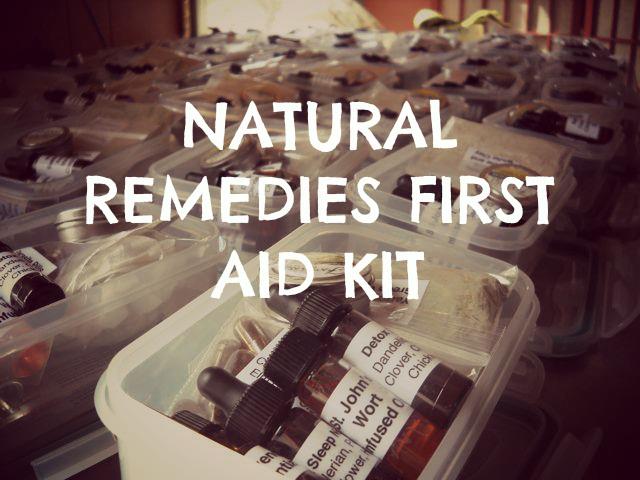
Natural Remedies First Aid Kit Checklist


1. Valerian Tincture

The sedative properties of valerian make it useful for relieving anxiety, insomnia and tension; it may also provide mild pain relief.

2. Eucalyptus Essential Oil

A potent antibiotic and antiviral, eucalyptus is excellent for treating colds and sinus infections when used as a steam inhalation.

3. Witch Hazel Extract

Distilled witch hazel has reported astringent, antiseptic and anti-inflammatory properties, useful for treating insect bites and skin irritations. It’s also an excellent base for diluting essential oils for topical application. Do not take it internally.

4. Herbal Insect Repellent

Herbal insect repellents work well when applied liberally and frequently.

5. Arnica Gel or Cream

Arnica flowers have anti-inflammatory and circulation-stimulating properties; the gel or cream may help relieve sore muscles, sprains, strains and bruises. Do not apply arnica to broken skin.

6. Grindelia Poison Ivy Treatment

Grindelia, also known as gumweed, contains resins and tannins that help relieve the symptoms of plant rashes such as poison ivy and poison oak.

7. Lemon Essential Oil

Uplifting, clarifying lemon essential oil can be used as aromatherapy to help dispel mental fatigue. It is also antiseptic, but should be diluted before being applied to the skin.

8. Echinacea Liquid Extract

Rich in phytochemicals that boost immunity, versatile liquid echinacea extract can be used internally to treat infections and externally for wounds and burns.

9. Calendula/Comfrey Salve

With calendula’s antimicrobial and anti-inflammatory properties and comfrey’s ability to help heal wounds, this salve is perfect for minor cuts and scrapes.

10. Goldenseal Capsules or Powder

A powerful antimicrobial, goldenseal is effective against a variety of microorganisms that cause traveler’s diarrhea. The powder also has antiseptic properties and can be sprinkled onto cuts or wounds to stop bleeding. Do not use during pregnancy.

11. Ginger Capsules, Tea Bags or Crystallized Ginger

The antispasmodic and gas-relieving properties of ginger soothe digestive upsets. Ginger also has been shown to relieve motion sickness better than Dramamine, the conventional drug treatment.

12. Peppermint Essential Oil and Tea Bags

Peppermint soothes an upset stomach, eases congestion from the common cold and curbs itching from insect bites. If you have sensitive skin, dilute peppermint oil before applying. Peppermint tea may aggravate heartburn.

13. Eleuthero Standardized Extract

An excellent adaptogen, eleuthero can help prevent jet lag. Standardized extracts guarantee you’re getting sufficient amounts of eleutherosides, the herb’s active compounds.

14. Lavender Essential Oil

Multi-purpose lavender has sedative, anti-inflammatory and antiseptic properties. It’s helpful for anxiety, insomnia, headaches, wounds and burns. Most people can tolerate lavender essential oil applied directly to the skin. Do not take more than 1 to 2 drops internally.

15. Chamomile Tea Bags

Gentle enough for children, chamomile tea promotes relaxation, relieves indigestion and, applied topically, soothes skin irritations.

16. Elderberry Capsules or Liquid Extract

Elderberries can help prevent cold and flu viruses from invading and infecting cells. If you’re flying or otherwise potentially exposed to viruses, taking elderberry is a good preventive. If you come down with a cold or flu, elderberry can hasten your recovery time.

17. Aloe Vera Gel

Cooling and healing, aloe vera soothes the inflammation of sunburn and mild kitchen burns.
