Showing posts with label Benefits. Show all posts

Tuesday, February 7, 2017

Health Benefits of Brussels Sprouts


Not everyone loves Brussels sprouts, but those little green buds contain some surprising and potent health benefits.  With some of the highest plant protein of any vegetable and considerable density in many important vitamins and minerals, there are more than a few reasons to include Brussels sprouts in your diet. Here are some potential health benefits of Brussels sprouts.

1. Excellent Source of Vitamin C

As little as 50 grams of boiled Brussels sprouts can help you meet your daily requirement for vitamin C. In fact, there’s more vitamin C in Brussels sprouts than oranges. Vitamin C is necessary for a variety of important natural functions, including regulating your blood pressure and bolstering your immune system. Vitamin C health Benefits

2. Reduce Cholesterol

Due to their high fiber content, Brussels sprouts are great at helping the body regular cholesterol levels. The fiber contained in each sprout can bind with bile acids, making it easy for your body to get rid of them from your system.

3. Rich Source of Vitamins and Minerals

As little as a single serving of Brussels sprouts can provide you with your complete daily requirement of vitamin K, B, and C. They’re also an excellent source for a number of important minerals including potassium, phosphorus, calcium, zinc, iron, and magnesium.

4. Protect your DNA

There are enzymes in your body that can do serious harm to the stability of your DNA within the white blood cells that are crucial to your immune system.  Brussels sprouts can actually block these enzymes from affecting your DNA, which can protect you from a variety of serious genetic problems.

5. Reduces Risks of Cardiovascular Disease

Brussels sprouts are also a potent anti-inflammatory agent, and may even help repair damaged blood vessels. This is due to isothiocyanate sulforaphane, a compound in Brussels sprouts that helps support your heart’s health, and may even lower your risk of a heart attack.

6. Excellent Source of Fiber

The body uses fiber for a healthy and efficient digestive process. Like many vegetables, Brussels sprouts are an excellent source of fiber. A serving as small as 100 grams of sprouts each day can help provide nearly 20% of your daily value.

7. Good For Bones

Brussels sprouts have some of the highest vitamin K content of any vegetable, which is vital for healthy bone structures, regular calcification, and helping your body absorb and distribute other vitamins. One cup of sprouts every day will provide double your daily value.

8. Fight Free Radicals

Brussels sprouts contain a variety of antioxidant compounds and flavonoids. Combined with a high density of important vitamins like A, C, B6, and K, they provide almost everything your body needs to help fight off the oxidative stress placed on your body every day.

9. Anti-inflammatory Properties

Sprouts are an excellent source of glucosinolate, which are a compound necessary in the natural regulation of the body’s inflammatory response. With enough Brussels sprouts in your diet, you can help prevent or reduce chronic inflammation.

10. A Well-Rounded Addition to Any Diet

A single serving of Brussels can help provide you with more than 100% of your daily requirement for several critical vitamins and minerals. While many fruits or vegetables are a rich source of one or two vitamins, like oranges with vitamin C, Brussels sprouts are a well-rounded addition to any diet.

Tuesday, May 5, 2015

11 Healthiest Cooking Oils

Olive oil isn't your only option. From coconut to sesame, learn how to take advantage of the flavor, nutrition, and cooking profiles of the many healthy oils available at your natural foods store.

Confused by all the processing methods and terms? Here's your cheat sheet:
  • Expeller-pressed: Oil is mechanically extracted by squeezing nuts, seeds, fruits, legumes, or grains under very high pressure, without using solvents.
  • Cold-pressed: Oil is expeller-pressed, but friction is reduced so the temperature is kept below 120 degrees during processing.
  • Refined: Tiny particles may remain in extracted oils; to make refined oils, particles are filtered out. Refined oils may also be bleached and deodorized to create a neutral flavor and color.
  • Unrefined: Tiny particles remain in the oil, enhancing flavor, aroma, and nutritional value. Because particulate matter lowers an oil’s smoke point, unrefined oils should only be used unheated or for very low-heat applications.
  • Heat extraction: Pressed oils may also be heated during the extraction process to break down the material and allow greater quantities of oil to be extracted.
  • Chemical extraction: Solvents like hexane are used to break down plant walls and allow oils to be more easily extracted.

Almond Oil

Made by expeller pressing the oil in ground almonds; available refined and unrefined.

Benefits: Increases healthy HDL cholesterol while lowering harmful LDL, supports immune function and liver health, alleviates irritable bowel syndrome, and may reduce colon cancer risk.

Smoke point: 420 degrees

Flavor: Light, clean, and mildly sweet; unrefined has a nutty, toasty flavor with buttery undertones.

Uses: Refined‘s high smoke point makes it best for stir-frying, roasting, grilling, and other high-heat applications. Use unrefined for salad dressings, in dips, and to drizzle on cooked dishes.

Price: $8 to $10 for 16 ounces

Fats breakdown: 70% mono, 17% poly, 8% sat


Avocado Oil

Made by grinding and then expeller pressing avocado flesh; available refined and unrefined.

Benefits: Decreases inflammation and improves cholesterol balance; may increase absorption of antioxidant carotenoids.

Smoke point: 520 degrees

Flavor: Rich, clean taste and lush mouthfeel. Unrefined is emerald green, with a buttery flavor and grassy undertones. Refined has a mild, neutral flavor with the slightest hint of avocado taste.

Uses: Refined is best for high-heat grilling, frying, or roasting. Use unrefined for salad dressing, in pesto, or as a dip for bread. Refrigerate.

Price: $10 to $12 for 8 ounces

Fats breakdown: 71% mono, 14% poly, 12% sat


Canola Oil

Made from rapeseed, a mustard-family plant; usually chemically extracted using solvents, but also expeller-pressed. To avoid GMOs, buy organic; 80 percent of canola is genetically modified.

Benefits: Lowers total and LDL cholesterol and triglycerides; improves insulin sensitivity.

Smoke point: 400 degrees

Flavor: Extremely neutral but provides a dense mouthfeel; pale color.

Uses: Good for high-heat roasting, broiling, baking, and stir-frying, or as a blank canvas for creating mayonnaise or salad dressings.

Price: $8 to $10 for 1 liter

Fats breakdown: 63% mono, 28% poly, 7% sat


Coconut Oil

White and solid at room temperature; clear and liquid when warmed. Virgin coconut oil is expeller-pressed; also available refined.

Benefits: Antibacterial, antifungal, and antiviral; may reduce total and LDL cholesterol while raising HDL cholesterol.

Smoke point: 350 degrees (unrefined); 400 degrees (refined)

Flavor: Unrefined has a creamy, oily texture, caramel-buttery flavor, and rich scent and taste. Refined is more neutral.

Uses: Refined works great for sautéing, stir-frying, roasting, and grilling. Use unrefined in baked goods, Asian-inspired dishes, or as a spread.

Price: $7 to $14 for 16 ounces

Fats breakdown: 6% mono, 2% poly, 87% sat


Flaxseed Oil

Made by pressing crushed brown flaxseeds, a process that removes healthy lignans. Some brands add lignans back to make "high-lignan" flaxseed oil.

Benefits: High in alpha-linolenic acid (ALA); may reduce risk of diabetes, cancer, arthritis, osteoporosis, and autoimmune and neurological disorders.

Smoke point: Do not heat

Flavor: Warm and nutty with bitter undertones and an aggressive, but not unpleasant, aroma.

Uses: Drizzle on oatmeal or cooked vegetables, use in salad dressings, and toss with quinoa or other grains. Refrigerate.

Price: $8 to $9 for 16 ounces

Fats breakdown: 19% mono, 68% poly, 9% sat


Grape Seed Oil

Extracted from grape seeds (generally from wine grapes), typically via chemical solvents; to avoid solvents, choose expeller-pressed.

Benefits: High in vitamin E; however, contains high levels of omega-6s and polycyclic aromatic hydrocarbons (PAHs), a result of the extraction process.

Smoke point: Do not heat.

Flavor: Neutral in flavor and aroma, with a rich, heavy texture.

Uses: Good for moisture-rich baking, dressings, and mayonnaise, where a neutral flavor is needed.

Price: $8 to $12 for 16 ounces

Fats breakdown: 17% mono, 71% poly, 12% sat


Hemp Oil

Made by cold-pressing Cannabis sativa seeds (part of the marijuana family but with no THC, the psychoactive component).

Benefits: Contains chlorophyll and toco-pherols, antioxidants that support immune function and protect the heart.

Smoke point: Do not heat.

Flavor: Earthy, grassy flavor with mushroom undertones; deep green color.

Uses: Use in dips, dressings, and pesto, or drizzle on steamed kale or sweet potatoes. Refrigerate.

Price: $12 to $16 for 16 ounces

Fats breakdown: 14% mono, 77% poly, 6% sat


Olive Oil

Extra-virgin is cold-pressed from the first olive pressing; "virgin" or "pure" is heat-extracted. Organic or California Olive Oil Council (COOC) labels signal no adulteration with cheap oils.

Benefits: Increases heart-protective HDL cholesterol; polyphenol antioxidants promote bone growth and reduce cancer risk; rich in vitamin K.

Smoke point: 420 degrees

Flavor: Extra-virgin, from the first pressing, has leafy, herbal, peppery under-tones. All varieties offer robust flavor, rich texture, and a green-gold hue.

Uses: Grilling, baking, and sautéing. Drizzle extra-virgin on tomatoes and steamed greens. Use any kind in salad dressings.

Price: $9 to $15 for 1 liter (pure); $12 to $20 for 1 liter (extra-virgin)

Fats breakdown: 73% mono, 11% poly, 14% sat


Rice Bran Oil

Extracted from the germ and inner husk of rice grains; most kinds are chemically extracted. Look for cold-pressed varieties, which are not heated during extraction.

Benefits: Contains vitamin E tocotrienols that lower LDL cholesterol, stem inflammation, and reduce cancer risk; rich in vitamin K.

Smoke point: 490 degrees

Flavor: Light and clean, with a fresh, neutral flavor and delicate aroma.

Uses: High-heat stir-frying, grilling, roasting or sautéing, or in dressings or mayonnaise when a neutral flavor is desired.

Price: $7 to $9 for 16 ounces

Fats breakdown: 39% mono, 35% poly, 20% sat


Sesame Oil

Made by expeller-pressing or chemically extracting oil from sesame seeds; available refined or unrefined. Seeds roasted before pressing yield fragrant, toasted sesame oil.

Benefits: Rich in anti-oxidants and abundant in lignans and phenols, which may ease diabetes symptoms.

Smoke point: 410 degrees

Flavor: Light and nutty; toasted sesame oil is dark brown, with a distinctive roasted scent.

Uses: Ideal for broiling and high-temperature stir-frying. Unrefined works well for light sautées, tossed with grains, or in salad dressings. Lightly drizzle toasted oil over finished dishes.

Price: $8 to $10 for 16 ounces

Fats breakdown: 40% mono, 42% poly, 14% sat

Walnut Oil

Made from dried and expeller-pressed walnuts; available refined and unrefined.

Benefits: Contains omega-3 fats that protect against prostate cancer and diabetes, reduce inflammation, promote heart health, and stave off bone loss.

Smoke point: 400 degrees

Flavor: Bold and pleasantly heavy, with a decadent nut flavor and earthy notes.

Uses: Refined is good for moderate-heat sautéeing and baking. Use unrefined as a finishing oil: Toss with cooked beets, add to salad dressings, and drizzle over cream soups. Refrigerate.

Price: $10 to $14 for 8 ounces

Fats breakdown: 23% mono, 63% poly, 9% sat

Friday, December 19, 2014

Aloe Vera: Natural Magic Bullet


Aloe Vera is one of the most famous plants in the world. It is considered as a miracle plant because of its amazing healing health benefits. The aloe vera leaf is filled with gel and it is rich in vitamins like B1,B2,B6,B12,A, C and E, Niacin, Folic Acid.The Aloe Vera plant is easy to grow even in cold climates and many people grow it as a house plant.

Health Benefits and uses of Aloe vera juice


Increase Immune system

Drinking aloe juice regularly replenishes the amino acid deficiency in your body. The high vitamin content in it boosts up your body’s immune system and self-defense mechanism.

Control Many Diseases

Drinking aloe vera juice help ease congestion, stomach ulcers, colitis, hemorrhoids, urinary tract infections and prostate problems.

Skin Care

Brighten skin. Aloe can decrease pigmentation and dark spots. Make skin new again with an exfoliating, organic sugar scrub by mixing together two tbsp. of aloe vera, 2 tbsp. of organic brown sugar and 1 tsp. of organic lemon juice.

Weight Loss

You must have taken slimming tablets or tried all the exercises and diets to lose weight. However, you didn’t get the desired results. Do you want to lose weight naturally? Aloe vera juice is the easy and natural weight loss solution. It reduces weight by stabilizing the metabolic rate, reducing lipid levels and helping burn fat.

Control Diabetes

Aloe Vera is good for diabetes patients because it helps to regulate the blood sugar levels when consumed regularly. However, consult your doctor before you start consuming the aloe juice.You need to have the dose prescribed by doctor so that it doesn’t interfere with the medicines you are having to curb blood sugar. Aloe vera plant is considered to be a miracle plant because of its too many curative and healing health benefits.

Hair Care

Speed up hair growth by massaging aloe into the scalp, letting it sit for 30 minutes, and rinsing. Reduce hair dandruff by mixing aloe vera juice with coconut milk and wheat germ oil. Massage into scalp and rinse.

Stimulates Metabolism

Aloe vera juice also increases energy level and helps to maintain a healthy body weight. Drinking aloe vera juice regularly stimulates the metabolism and helps the body to burn calories more quickly. So aloe vera keeps you slim naturally.

Help in Reproduction

Aloe vera tonic is wonderful for the female reproductive system. It helps to rejuvenate the uterus. It is very beneficial to drink aloe vera juice if you are experiencing painful menstrual cycle.

Use as Shaving Cream

In-the-know beauty buffs swear by pure aloe as the perfect shaving cream: It’s antibacterial, which is great for nicks; it’s slippery, allowing for a nice close shave; and it moisturizes, too. You can use it on its own, or combine with other nourishing ingredients for a more luxe (but still DIY) product.

As Face Wash

Mix 1 Tbsp aloe vera gel with 1 tsp almond milk, and 1 tsp lemon, wash and let sit for a few minutes before rinsing. Since some minerals found in aloe are antibacterial, this face wash is ideal for sensitive skin, breakouts, and rosacea, says Pekar. Need an anti-aging boost? Mix 1 Tbsp aloe with 1 tsp 100% raw organic coconut oil, massage into hands until the contents are warm, then wash and rinse.

Control Bad Breath

Come a little closer…no, actually—don’t. When bad breath hits, drink up to 1/4 cup pure aloe vera gel dissolved in a 1/2 cup of water or apple juice, suggests herbalist Letha Hadady, author of Healthy Beauty. Aloe vera contains an anti-inflammatory compound called B-sitosterol that soothes acid indigestion, a common cause of bad breath. But resist the urge to chug; in large doses, aloe vera can work like a laxative.

Wrinkle Repair

Skin loves Vitamins C and E which are present in Aloe, helping to improve skins firmness and keep it hydrated. Combining virgin coconut oil can make a creamier way to supplement nutrients, essential fats and moisture. Aloe Vera gel penetrates skin almost four times faster than water, and its super emollient qualities help it moisturize the under layers of skin.

Gastrointestinal Disorders

For gastrointestinal disorders like indigestion, heartburn, stomach ulcers, haemorrhoids, congestion, urinary infections, colitis, prostate problems, rheumatism pain and arthritis, aloe vera juice can be taken orally. It helps in comforting these disorders.

Detox

Aloe vera juice can be a great natural option for detoxing. Because of the way we live including stress, pollution and junk food, we need to occasionally cleanse our systems. Aloe vera juice is an ideal way to do this because it contains many trace elements, vitamins and minerals that can help the body deal with daily stresses and strains.

Cardiovascular Health

Some research has shown that when doctors inject aloe vera extract into the blood, it drastically multiplies the diffusion abilities of red blood cells as well as the oxygen transportation. It contains nutrients that can regulate blood pressure, improve blood oxidation and circulation, lower cholesterol and make blood less sticky.

Get Rid of Eczema

Aloe vera can be applied topically to minimize inflammation, puffiness, and also itching onto the skin by using a lotion, cream, gel or shampoo. It is also available in tablet form, as a juice and a few other forms for the patients who wish to consume it orally.

Repair Damaged Tissue

Minimize damaged tissues because of frostbite. Try natural aloe gel from a bottle or perhaps straight from a plant’s stem on to the infected place two times a day.

Vitamin and Mineral Source

Every day our body needs to ingest several vitamin and minerals and aloe vera juice contains a great deal of these. It includes vitamin A, vitamin B1, vitamin B2, vitamin B6, vitamin B12, vitamin C, vitamin E, niacin and folic acid. In addition to these, it also contains chromium, magnesium, manganese, zinc, copper, potassium, iron, sodium, calcium and others.

Wednesday, December 17, 2014

5 Studies That Link Science Behind the Benefits of Organic


Benefits to Public Health

A new study published in the International Journal of Environmental Research and Public Health concluded that eating an organic diet can contribute to human well-being. The research was led by Swedish University of Agricultural Sciences-based Dr. Jan Johansson, who reviewed current research on the effect of organic agriculture and crops on public health.

Finding a clear health advantage of consuming organic, her team states that "both animal studies and in vitro studies clearly indicate the benefits of consumption of organically produced food instead of that conventionally produced."

The increased phenolic compounds and lower pesticide residues found in organic produce could partially account for these benefits, but the study also points out that the significant advantages of organic cannot be explained by these variables alone. Researchers suggest that synergistic effects between various constituents within organic food are likely to be part of the reason it's more beneficial to public health than conventional products.


Reduced Pesticide Exposure

A new study published in the journal Environmental Research found that eating an organic diet for a week can reduce a person's pesticide exposure. The research was led by Dr. Liza Oates, who examined pesticide metabolites in the urine of 13 individuals who consumed a diet of at least 80 percent organic over seven days, and conventional food for seven days.

Dr. Oates’ team found that the total pesticide metabolite levels were reduced by as much as 96 percent by eating organic, with an average reduction of 50 percent. This study shows that eating an organic diet can reduce exposure to chemicals that have been associated with health risks. As stated by Dr. Oates, “Recent studies have raised concerns for the health effects of these chemicals even at relatively low levels.”

It’s nice to see a study showing that choosing organic can make a significant difference in your exposure levels.

Nutritional Benefits

A new study published in the British Journal of Nutrition shows conclusive evidence that organic crops, and the food made from them, are healthier than their conventional counterparts. In this study, researchers conducted a meta-analysis on 342 peer-reviewed publications looking at the health benefits of organic agriculture and found that organic crops have higher antioxidant levels, lower cadmium levels and less pesticide residues than non-organic crops. They found that organic crops had significantly higher levels of antioxidants that have been linked to decreases in chronic disease risks such as cardiovascular disease, neurodegenerative diseases and certain cancers.

The study also found fewer pesticide residues and lower toxic metal levels in organic versus conventional food, and organic crops had on average 48 percent lower cadmium levels than conventional crops. Cadmium is a highly toxic metal that can cause kidney failure, bone softening and liver damage. It can accumulate in the body, so even at low levels chronic exposure is dangerous. The findings of this study strongly support the health benefits of organic food.


Neonicotinoid Pesticides Linked to Honeybee Die-Off

A new study published in the Bulletin of Insectology by Harvard researchers found further evidence of the link between neonicotinoid use and Colony Collapse Disorder (CCD), in which bees abandon their hives over the winter and eventually die.

This study was led by Professor Chensheng (Alex) Lu, an advisory board member for The Organic Center and associate professor of Environmental Exposure Biology at the Harvard School of Public Health. It supports his previous research, which found that 94 percent of hives exposed to low levels of the neonicotinoid imidacloprid died within 23 weeks of exposure. The new study added a second neonicotinoid called clothianidin to their observations. The researchers found that the same negative effects were associated with bee exposure to clothianidin as with imidacloprid. “We demonstrated again in this study that neonicotinoids are highly likely to be responsible for triggering CCD in honeybee hives that were healthy prior to the arrival of winter,” said Dr. Lu.


Organically Managed Soils Could Reverse Effects of Climate Change

The Rodale Institute has done some amazing science supporting the benefits of organic agriculture, and its new report, entitled “Regenerative Organic Agriculture and Climate Change,” maintains this high quality of investigation. The report takes an in-depth look at how farming systems affect greenhouse gas emission and illustrates the benefits that organic agriculture can have on climate change. Specifically, the publication focuses on the ability of soil to mitigate climate change when managed organically.

Findings include a decrease of annual greenhouse gas emissions by 40 percent if management of all current cropland transitioned to regenerative organic agriculture. Transitioning global pasture would add to carbon sequestration by 71 percent. “We could sequester more than 100 percent of current annual CO2 emissions with a switch to widely available and inexpensive organic management practices,” the report states.

Monday, June 16, 2014

5 (More) Reasons the Benefits of Organic Food are So Incredible


In many cases, organic food does cost more than the conventional options. But the benefits of organic food for you, your family, the farmers and our environment, make it not only a worthwhile expense, but also a true investment into our future.

Need more reasons to make sure you’re getting all the benefits of organic food? Check out some of these latest stories in the news:

1. Pollinators love Organics: We know that pesticides and herbicides are detrimental to our pollinator friends, especially honey bees. And now, new data published in the journal Animal Conservation finds that pollinators actually prefer organically grown flowers. The insect-flower interactions were significantly and consistently higher in organic vineyards than they were on conventional vineyards.

2. Organic Food Reduces Pesticide Exposure:
Sure, this sounds like old news—one of the original arguments for the organic movement in the first place. But new research published in a recent issue of the journal Environmental Research found that the benefits of organic food reduce pesticide exposure in just one week. Study participants who ate at a diet that was at least 80 percent organic for a 7-day period reduced their pesticide metabolite levels by as much as 96 percent!

3. Everyone Benefits from Organic Food:
Certain “synergistic effects” exist in organic food that have a benefit far beyond your own plate, found researchers at the Swedish University of Agricultural Sciences in a study published in the International Journal of Environmental Research and Public Health. Conventional foods just don’t measure up to the phenolic compounds and lower pesticide levels in organics, the researchers discovered.

4. Organic Tomatoes Have More Antioxidants: Recent research published in the IOSR Journal of Agriculture and Veterinary Science found that the antioxidant levels in organic tomatoes were higher than samples of conventional tomatoes.
 
5. Can Organic Soil Stop Global Warming? Climate Change, Global Warming…whatever you call it, know this: organic soil may help to reduce greenhouse gas emissions by as much as 40 percent and sequester as much as 71 percent of carbon, finds a report from the Rodale Institute.

Thursday, May 29, 2014

Health Benefits of Wakame

Some of the health benefits of wakame include its ability to aid in weight loss, lower cholesterol, boost heart health, prevent cancer, boost energy levels, maintains hormonal balance, build strong bones, increase circulation, improve skin health, and protects infant health.

Introduction to Wakame

Wakame is a variety of seaweed that is commonly used in Japanese cuisine. Its scientific name is Undaria pinnatifida and although it is considered one of the most invasive species of seaweed on the planet, it is healthy and beneficial when added to any diet. In Japan, wakame is commonly used in soups and salads, as well as in the form of a side dish, like tofu. The taste is briny and salty, with a slightly sweet taste mixed in that flavors other foods in such a delightful way. Japanese sea farmers have grown this seaweed for hundreds of years, and it is beginning to gain popularity in other parts of the world as well, particularly in France.

However, the best thing about wakame, besides its taste and versatility, is the enormous amount of health benefits that it contains. Most of these health benefits come from the rich supply of vitamins and minerals contained in these delicate green leaves, as well as certain organic compounds that have only recently begun to be studied.

Nutritional Facts of Wakame

Wakame is a very important source of vitamins and minerals, including iodine, calcium, iron, and magnesium, as well as folate, vitamin A, C, D, E, K, and B2. Wakame also contains lignans and fucoxanthin, which have their own unique health benefits. Let’s take a closer look at some of these health benefits.

Health Benefits of Wakame

Weight Control: The extremely small amount of calories, carbohydrates, and fats in wakame are one reason why it fills you up without adding too many calories to your diet, but that isn’t the only reason why people turn to wakame to control their obesity. Researchers have discovered a compound called fucoxanthin in wakame that actually inhibits the accumulation of fat in the cells and stimulates fat oxidation. This unique compound, rarely found in vegetables, is the reason that wakame has its unusual brown color, because it also helps in photosynthesis.

Cholesterol and Heart Health: Along with its inhibitory affects on fat accumulation, fucoxanthin also stimulates the liver to increase its production of DHA, which is a particularly kind of fatty acid that actually lowers the levels of “bad” cholesterol in your system. This is the type of cholesterol commonly associated with atherosclerosis and artery blockage, so you are able to protect yourself from various heart diseases, as well as heart attacks and strokes by adding this brittle, salty seaweed to your soups and salads!

Circulation: The high content of iron in wakame means that it increases your production of red blood cells. Iron is an essential part of red blood cells, and higher levels means increased circulation in your cardiovascular system, which provides additional oxygen to essential parts of the body, boosts energy, increases the health of your skin, and speeds up the healing process of all the tissues and organs in your body!

Cancer Prevention: Although it might seem like an insignificant addition to your diet, wakame can actually help to protect your body from developing cancer. Iodine, which is an essential part of any diet, is very high in all seaweeds, particularly wakame. Iodine has been connected to lower levels of breast cancer, evidenced by the notable increase in Japanese men and women who turn to a more Western diet. Furthermore, the lignans found in wakame have also been linked to lower levels of breast cancer!

Energy Booster: Magnesium is an extremely versatile and useful mineral in our body. The high levels in wakame mean that this variety of seaweed can help our body transfer energy efficiently, regulate hormones throughout the body, and help our body produce and utilize protein, which is essential for almost every bodily function related to growth or repair.

Infant Health: Folate, also known as Vitamin B9, is extremely vital for pregnant women, as it has been consistently connected with lowered chances of neural tube defects in infants. Wakame contains significant amounts of folate, so pregnant women should add some Japanese dishes to their pregnancy diet!

Bone Health: Calcium is one of the most important minerals when it comes to protecting the integrity and durability of our bones. The high levels of calcium found in wakame help your body increase bone growth and speeds up repair, thereby preventing early onset osteoporosis and keeping you fit and active well into your old age!

Hormonal Balance: Iodine is the most important component of the hormonal balance in our body. It is an integral aspect of creating the thyroid hormone, which controls a number of processes throughout the body, and it is also necessary for the production of energy in the body. High levels of iodine in wakame have been praised around the world as a healthy, delicious way to keep your energy levels up and your hormones balanced.

A Final Word of Caution: Although the vast majority of the components in wakame are beneficial for your health, it does have a relatively high level of sodium, which isn’t the best choice for people already suffering from obesity or blood pressure problems. Sodium works against potassium to lower blood pressure, so be careful not to overdo it on the wakame in your meals. Other than that, enjoy this delicious Japanese delicacy!

Wednesday, May 14, 2014

The Complex Nature of Big Organic

A spate of recent acquisitions in the organic sphere brings the resurgence of discussions about the costs and benefits of organic "going big."

Thursday, January 30, 2014

Health Benefits of Rosemary Oil

Rosemary oil is one of the most popular essential oils for its wide array of health benefits. It has become increasingly important and popular over the years as more of its various health benefits have become understood, including its ability to stimulate hair growth, boost mental activity, relieve respiratory problems and reduce pain.

Rosemary, also known as Rosmarinus Officinalis, is very popular in the Mediterranean region as a culinary herb. Many dishes are cooked with rosemary oil and freshly plucked rosemary leaves. Rosemary essential oil is mostly extracted from the leaves. The rosemary bush belongs to the mint family which includes basil, lavender, myrtle, and sage.

Rosemary has been extensively used since ancient times for a variety of purposes. The Romans gave special importance to the rosemary plant and used it frequently in religious ceremonies. It was also used during wedding ceremonies, food preparation, cosmetic care, and medicinal herbal care. Rosemary plant and its extract were also used by the ancient, Egyptian civilization as incense.

The health benefits of rosemary essential oil made it a favorite of Paracelsus, a renowned German-Swiss physician and botanist, who made significant contributions to the understanding of herbal medicine during the 16th century. Paracelsus valued rosemary oil due because of its ability to strengthen the entire body. He correctly believed that rosemary oil had the ability to heal delicate organs such as the liver, brain, and heart.

Health Benefits of Rosemary Oil

Today, many medicinal preparations contain rosemary oil. The various, well-researched health benefits of rosemary oil are listed below:

Indigestion: Rosemary oil is often used for indigestion, relieving flatulence, stomach cramps, constipation, and bloating. Rosemary essential oil is also thought to relieve symptoms of dyspepsia and it is an appetite stimulant. Furthermore, research has shown the essential oil to be detoxifying for the liver, and it also helps to regulate the creation and release of bile, which is a key part of the digestive process. It also stimulates blood flow and improves circulation, which can benefit the absorption of nutrients from food. Rosemary leaves are often added to meat dishes because it is particularly helpful in digesting meat, particularly lamb, beef and pork.

Hair care: Rosemary oil and rosemary teas are widely used for hair care in shampoos and lotions. Regular use of rosemary oil helps to stimulate follicles, making hair grow longer and stronger. It is also believed that rosemary oil slows down premature hair loss and graying of the hair. Therefore, it is an excellent tonic for bald people or those who are beginning to show signs on male pattern baldness.

Rosemary essential oil is also beneficial for dry and flaky scalps. Regular massaging of the scalp with rosemary oil nourishes the scalp and removes dandruff. Furthermore, it is often mixed with tea tree oil and basil oil to alternately treat scalp problems. For many years, rosemary has been combined with olive oil as a way to darken and strengthen hair by using hot oil treatments.

Mouth care: Rosemary essential oil is a disinfectant and is often used as a mouth wash. It also helps in removing bad breath. By removing oral bacteria, rosemary essential oil can prevent gingivitis, cavities, plaque build up, and other damaging dental conditions.


Skin care: Rosemary essential oil is not used in skin care as extensively as it is used in hair care, but it does have antimicrobial and antiseptic qualities that make it beneficial in efforts to eliminate eczema, dermatitis, oily skin, and acne. Topical application of the essential oil, or regular massage with the oil helps in toning your skin and removing dryness. It can also give your skin a healthy, even glow when regularly applied, or when it is a main component of your moisturizers and other creams.

Boosting mental activity: Rosemary essential oil is an excellent brain and nerve tonic. It is often used by students during exam times because it increases concentration and helps in studying efficiently. It stimulates mental activity and is a good remedy for depression, mental fatigue and forgetfulness. Inhaling rosemary oil seems lift your spirits immediately. Whenever your brain is tired, try inhaling a little rosemary oil to remove boredom and renew your mental energy.

In a study, researchers found that of 144 test participants who inhaled rosemary oil during an exam displayed significantly higher cognitive function. This is why some researchers are beginning to explore the options for using rosemary oil as an alternative treatment for slowing down the onset of Alzheimer’s disease in certain patients because of this apparent connection between boosted neural activity and the essential oil.

Stress Relief: Aside from the relaxing nature of aromatherapy and general inhalation of rosemary essential oil, it has been proven to actually decrease the level of cortisol in the saliva. Cortisol is one of the main stress hormones that are released during the “flight or fight” response of the body to stress. Excess cortisol in the blood that may occur due to chronic stress can wreak havoc on the body, including its hormonal balance and the efficiency of the metabolism. A study said that inhaling rosemary oil and lavender oil for five minutes significantly reduced the levels of cortisol in the test subject’s saliva, which could seriously decrease the dangers inherent from chronic stress.
Advertisement

Immune System Boost: Antioxidants are some of the most valuable defensive weapons we have in our body for fighting off infection and disease, so any food or essential oil that either adds to or stimulates the activity of antioxidants is a huge benefit to overall health. The same study which found that cortisol levels decreased after simultaneous massage and inhalation of rosemary essential oil also found that the scavenging free radical activity in the test subjects’ bodies also increased significantly. This means that regular use or inhalation of rosemary essential oil in aromatherapy sessions or in other ways can increase the strength of the immune system and help combat all of the diseases associated with free radicals, including cancer and heart disease.

Pain relief: The ability of rosemary essential oil to relieve pain has resulted in its extensive use in treating headaches, muscle pains, rheumatism and even arthritis. Massaging the affected area that is in pain with rosemary essential oil can give quickly relieve the pain. Vapor baths with rosemary oil are also found to be effective in the treatment of rheumatism. It has certain anti-inflammatory qualities as well, which makes it very good for relieving the pain from sprains and joint aches. Furthermore, it is known to stimulate blood circulation, which can relieve pain and also aid in coagulation of wounds for faster healing.

Aroma: Rosemary has a mesmerizing aroma, which makes rosemary essential oil an excellent inhalant. The oil is used in room fresheners, cosmetics, beauty aids, food, bath oil, candles and perfumes because of its unique and intoxicating aroma. When the oil is inhaled, it can boost mental energy and is also known to clear the respiratory tract. Many people spray a mixture of rosemary essential oil and water to remove bad odors from room and objects.


Sexually Transmitted Diseases: Recent research suggests that the use of rosemary essential oil’s antimicrobial qualities can help reduce the effects and recurring inflammation of the herpes virus. The herpes virus can quickly develop immunity to normal antiviral medication, so alternative methods are always being explored. A number of studies have now shown the essential oil of rosemary to be an effective option for reducing the symptoms of the Herpes virus in test subjects, and even affects the level of contagiousness of the virus.

Respiratory problems: The benefits of rosemary essential oil in treating respiratory problems are well-researched and supported. The scent of the oil has been shown to give relief from throat congestion, and it is also used in the treatment of respiratory allergies, colds, sore throats and the flu. Since rosemary oil also has antiseptic qualities, it is also effective for respiratory infections. The oil is antispasmodic and is therefore used in some treatment programs for bronchial asthma.

There are various other claims regarding possible health benefits of rosemary oil, including its usage for disorders in menstrual cycle, menstrual cramps, peptic ulcer, urine flow, prostate, gall bladder, intestine, liver, cataract, heart, sperm mobility, leukemia, kidney stones and associated pain. Research is currently being performed to study its potential in treating various types of cancers including those of the colon, stomach, breasts, and lungs.

Rosemary oil may, at times, cause allergic reactions, so it should only be used if prescribed or after thorough consultation with your medical specialist. Since rosemary oil is volatile in nature, the oil has occasionally caused vomiting and spasms. Therefore, it should never be ingested. It is strongly suggested that rosemary essential oil should not be used by pregnant, breastfeeding, or nursing women. Excessive use of the oil may even lead to miscarriage or a disability in the fetus.

Rosemary essential oil is used extensively in aromatherapy due to its versatility as a welcome aroma in so many popular combinations. The oil blends well with frankincense, lavender, clary sage, cedarwood, basil, thyme, citronella, lemongrass, elemi, geranium, chamomile, peppermint and cardamom.

Monday, December 23, 2013

Seven Reasons to Eat More Dark Chocolate


More and more health reasons for eating dark chocolate keep coming in. Many will be pointed out here, then explained further in the sources indicated by numbers in parenthesis. But first, understand that organic dark chocolate brought into the market place under fair trade agreements is best.

Some of the major cheap chocolate producers use child slaves in Africa to pick cacao. The more dark the chocolate with less sugar, milk, and other ingredients, the closer it is to cacao. A range of at least 70% to 90% cacao in dark chocolate is both tasty and healthy.

Milk chocolate contains milk, which negates the health benefits, and sugar, which feeds cancer cells. Avoid it.

According to Dr. Debra Miller's statement in Chemistry Central Journal , "Cacao seeds are a 'Super Fruit' providing nutritive value beyond that of their macronutrient composition."

Interestingly, one doesn't have to gorge lots of chocolate every day to get the health benefits. A little treat, like a square or two daily will support good health.

A study of almost 20,000 participants in Germany concluded that those who ate 7.5 grams of dark chocolate a day received most of the heart protection benefits of chocolate. Organic dark chocolate bars are usually 100 grams.

Benefits of Dark Chocolate

Cardiac and stroke protection : Dark chocolate lowers blood pressure, which lowers risks of heart attacks and strokes.

Reduces risk of colon cancer : Cocoa polyphenols from dark chocolate reduce the risk of colorectal cancer. This was determined in a study by the Science and Technology Institute of Food and Nutrition in Spain, which was published in the journal Molecular Nutrition.

Healthy fats :The fat in chocolate does little to raise cholesterol. It contains abundant oleic acid, the type of fatty acid found in olive oil, which helps prevent heart disease and promote antioxidant activity.

Enhances glucose metabolism : Dark chocolate (70% plus) candy bars inhibit blood sugar issues to help prevent diabetes and obesity. How's that for a surprise!

Improves mood : Studies have shown that dark chocolate contains serotonin and increases endorphin production. It's a natural anti-depressant.

Improves brain function : Nottingham University professor Ian MacDonald used MRI analysis to determine improved brain activity with people who had just consumed cocoa drinks. 

Eases PMS issues : Here's a hint for husbands and boyfriends to give dark chocolate to your wives and lady friends.

There you have it
: many reasons to enjoy organic dark chocolate that is at least 70% cacao. There are brands with 80% to 90% as well. These aren't your kiddy chocolates with lots of sugar or milk or creamy nugget fillings, etc. They are semi-sweet at best.

The more bitter the better. It's not difficult to get used to if you really like chocolate. Enjoy chocolate with the knowledge that it's actually good for you.


Wednesday, November 13, 2013

The Powerful Health Benefits of the Pomegranate

One of the oldest known fruits, found in writings and artifacts of many cultures and religions, the pomegranate (punica granatum) is an original native of Persia. This nutrient dense, antioxidant rich fruit has been revered as a symbol of health, fertility and eternal life.
If you're not familiar with the pomegranate, it is a red fruit with a tough outer layer; only the juice and the seeds inside are edible. Pomegranate juice is available year round, but you can purchase fresh pomegranates in most grocery stores from September through January. When refrigerated in a plastic bag, pomegranates keep for up to 2 months. Try tossing the seeds on a salad for a brilliantly colorful, crunchy, and nutritious addition.

Seeding a pomegranate may seem like a lot of work for just a piece of fruit but think again. getting at those seeds may be well worth it. The pomegranate is a nutrient dense food source rich in phytochemical compounds. Pomegranates contain high levels of flavonoids and polyphenols, potent antioxidants offering protection against heart disease and cancer. A glass of pomegranate juice has more antioxidants than red wine, green tea, blueberries, and cranberries.

Amazing Clinical Results

This fantastic little fruit recently made its way back into the news after some spectacular clinical results. Here's what you need to know:

Compounds found only in pomegranates called punicalagins are shown to benefit the heart and blood vessels. Punicalagins are the major component responsible for pomegranate's antioxidant and health benefits. They not only lower cholesterol, but also lower blood pressure and increase the speed at which heart blockages (atherosclerosis) melt away.

Recent medical research studied heart patients with severe carotid artery blockages. They were given an ounce of pomegranate juice each day for a year. Not only did study participants' blood pressure lower by over 12 percent, but there was a 30 percent reduction in atherosclerotic plaque. Just as astounding, participants who did not take the pomegranate juice saw their atherosclerotic plaque increase by 9 percent.1

In other studies, potent antioxidant compounds found in pomegranates have shown to reduce platelet aggregation and naturally lower blood pressure, factors that prevent both heart attacks and strokes.2

Not only are pomegranates good for your heart and blood vessels but they have been shown to inhibit breast cancer, prostate cancer, colon cancer, leukemia and to prevent vascular changes that promote tumor growth in lab animals.3 Several in vitro studies have shown this remarkable anti-cancer effect. Additional studies and clinical trials currently taking place are hopeful to reveal this fascinating effect on humans.

Also of note, pomegranate juice contains phytochemical compounds that stimulate serotonin and estrogen receptors, improving symptoms of depression and increasing bone mass in lab animals.4

Many studies show that the pomegranate is one of the most powerful, nutrient dense foods for overall good health. These clinical findings clearly show a correlation between pomegranate compounds and their positive effect on both human and animal cardiovascular, nervous, and skeletal health. This is one fruit that you can't afford to exclude from your diet!

A Proven Supplement
Dr. Fuhrman recommends that all patients who have heart disease, high cholesterol, or high blood pressure as well as those who are looking to prevent these ailments incorporate the powerful components of pomegranates into their diet. He developed a unique supplement, LDL Protect to do just that.

All pomegranate extracts are not equal. Dr. Fuhrman's LDL Protect uses the highest grade and potency of pomegranate extract available. Some less costly grades are not certified to contain high levels of active polyphenols. The pomegranate extract used in LDL Protect contains the full array of polyphenols present in the fruit's seeds, husk and juice and is particularly rich in punicalagins. LDL Protect delivers the potent synergistic effects that have been observed in natural spectrum extracts of pomegranate. 5

For those who still have LDL cholesterol above 100 mg/dl after dietary intervention, Dr. Fuhrman designed this mixture of high quality, cholesterol-lowering and cardiac protective compounds - plant sterols and pomegranate. No other product on the market offers this combination of ingredients. LDL Protect is an all natural, high quality formula that is both effective and safe.

Friday, October 18, 2013

Nut Butter Battle: Almond vs. Peanut

In recent years, almond butter was somehow anointed the chosen nut butter among health-conscious eaters, who smear it on their sprouted breads and gaze upon peanut butter as its low-brow relative.

But the creamy almond treat is not cheap (it's often about double the price of peanut), and when pressed, most people really can't tell you why they're willing to splurge.

So, we asked top nutritionists and health coaches to really break down the health differences between the two nut butters we're obsessed with most. (That is, unless you've already moved on to the new superfood-infused nut butters).

Which is better for you—almond or peanut? Welcome to the nut butter battle...

Macronutrients

When it comes to the big guys—carbs, protein, and fat—almond and peanut butter are like fraternal twins. "You can see a gram difference here or there, but it doesn't really make a difference," says Pure Nutrition founder Christian Henderson, MS, RD. A single two-tablespoon serving of either is high in calories (200) but comes with lots of protein (about 7g) and healthy fats.

Some nutritionists and health coaches point to almond's slightly higher concentration of good fats, but the difference is nominal. "Almonds have a little bit less saturated fat, but I feel a little bit silly saying that, since they're so close," says SPE Certified's senior culinary nutritionist Natalia Hancock, RD.

Micronutrients

Within the nitty gritty nutrients is where a difference starts to emerge between the butters.

"Almond is better for vitamin E and magnesium, which are two very important micronutrients," Henderson explains. "Vitamin E is an antioxidant and magnesium is important for bone health and your central nervous system." This is especially powerful since vitamin E is not found in a wide variety of foods.

Almond butter also has more calcium and iron than peanut.

Natural and Organic

No matter which nut butter you're choosing, looking out for added sugar and preservatives is a must; ingredient lists should include little more than plain old nuts. You can satisfy this requirement with either butter, but "when you go shopping for almond butter, it's almost all natural brands, you don’t see the Jiffy," says health coach and Sakara Life founder Danielle DuBoise. "It's just easier to choose a natural, no-added-sugar, no-preservatives almond butter."

And when it comes to organic, you have to be more careful with peanuts, says Henderson. "Peanuts are just one of those crops like soybeans and corn that are so overgrown and overprocessed in America. They're hard to grow, so many pesticides are often used on peanuts," she says. "If the peanut butter is not organic, you don’t want to be anywhere near it."

Other Factors

Aside for nutrition facts, there are a few other factors experts consider. Peanuts crops are susceptible to fungi called aflatoxins, which are associated with an array of diseases. The FDA does regulate the presence of aflatoxins, but some say you can't be too careful. "I worry about that, so I just err on the side of caution," DuBoise reasons.

Henderson also says that she's noticed from observations in her practice that almond butter has worked better for her clients struggling with weight loss. "Peanuts just tend to be more addictive for people; almonds tend to be more filling." Peanuts also may cause more bloating, since they're technically legumes, not nuts.

Taste and Uses

Of course, since both butters can be part of a healthy diet, a lot of decisions come down to which just works better, for your taste buds or whatever you're whipping up in the kitchen. "They each have their own place," says Hancock, who works with top chefs to create flavorful, healthy meals around the country. "I think peanut butter tastes better with bananas and almond tastes better with apples."

And while almond butter works really well in smoothies, peanut butter does tend to have more culinary uses, she says. "I'll use peanut butter in a stir fry, Thai style, and I do a really great African spicy sweet potato soup with peanut butter in it that’s really delicious."

Wednesday, September 25, 2013

10 Good Reasons To Go Organic

1. Organic products meet stringent standards

Organic certification is the public’s assurance that products have been grown and handled according to strict procedures without persistent toxic chemical inputs.

2. Organic food tastes great!

It’s common sense – well-balanced soils produce strong, healthy plants that become nourishing food for people and animals.

3. Organic production reduces health risks

Many EPA-approved pesticides were registered long before extensive research linked these chemicals to cancer and other diseases. Organic agriculture is one way to prevent any more of these chemicals from getting into the air, earth and water that sustain us.

4. Organic farms respect our water resources

The elimination of polluting chemicals and nitrogen leaching, done in combination with soil building, protects and conserves water resources.

5. Organic farmers build healthy soil

Soil is the foundation of the food chain. The primary focus of organic farming is to use practices that build healthy soils.

6. Organic farmers work in harmony with nature

Organic agricultural respects the balance demanded of a healthy ecosystem: wildlife is encouraged by including forage crops in rotation and by retaining fence rows, wetlands, and other natural areas.

7. Organic producers are leaders in innovative research

Organic farmers have led the way, largely at their own expense, with innovative on-farm research aimed at reducing pesticide use and minimizing agriculture’s impact on the environment.

8. Organic producers strive to preserve diversity

The loss of a large variety of species (biodiversity) is one of the most pressing environmental concerns. The good news is that many organic farmers and gardeners have been collecting and preserving seeds, and growing unusual varieties for decades.

9. Organic farming helps keep rural communities healthy

USDA reported that in 1997, half of U.S. farm production came from only 2% of farms. Organic agriculture can be a lifeline for small farms because it offers an alternative market where sellers can command fair prices for crops.

10. Organic abundance – Foods and non-foods alike!

Now every food category has an organic alternative. And non-food agricultural products are being grown organically – even cotton, which most experts felt could not be grown this way.

Wednesday, May 29, 2013

Health Powers of Asparagus


Asparagus found to have anti-cancer properties.

A new study published in the Indian Journal of Pharmacology found asparagus contains certain compounds that have substantial anticancer properties. Researchers tested the compounds, known as shatavarins, on test tubes of human breast, colon and kidney cancer, as well as on mice with breast cancer.
All the results showed that shatavarins had potent toxicity against cancer cells. Extract of asparagus administered orally in doses of 250 and 500 mg/kg body weight for 10 days caused a significant reduction in tumor volume and tumor cell count.

Asparagus may help prevent diabetes.

In addition to the anticancer properties of asparagus, it may have some anti-diabetic properties as well. Researchers at the University of Karachi in Pakistan found that high doses of asparagus extract had a positive effect on insulin output by the pancreas. The findings add to a 2006 study by the British Medical Journal that found the vegetable triggered an 81 percent increase in glucose uptake by body tissues. Therefore, asparagus can help diabetes by stimulating an increased production of insulin, in addition to enabling the body to absorb more glucose.

Asparagus may prevent a hangover.

Those who celebrate the New Year by drinking too much alcohol may prevent a hangover by taking asparagus extract. Chronic drinking can cause detrimental changes in the liver, as well as the unpleasant symptoms of a hangover. Scientists at the Institute of Medical Science and Jeju National University in Korea found the asparagus extracts “significantly alleviated” the cellular toxicity of alcohol, a benefit that translates to lessening of a hangover and protection of liver cells.

Asparagus offers up tremendous cardiovascular benefits.

This vegetable contains a compound called rutin that can help prevent deadly blood clots, which can lead to heart attacks and strokes. Moreover, asparagus is a good food source of folic acid, a nutrient that helps counter the bad effects of homocysteine, an amino acid in the blood linked to increased cardiovascular risk.

Asparagus can help balance out your electrolytes

Adding to the list of impressive health properties are three more benefits. Asparagus is a rich source of potassium, a mineral that regulates fluid balance; so the diuretic effects of asparagus can reduce bloating in the tummy area that sometimes occurs after eating a big meal. The vegetable also has anti-inflammatory and antifungal properties.

Thursday, April 18, 2013

Benefits of Beets


Beets, these ruby red root vegetables provide so much nutritional benefits! Who doesn't love the deep red color that beets provide.

Betacyanin


Betacyanin is a type of pigment that ranges from dark red to purple. Betacyanin is being studied for it's anticancer and tumor fighting effects. It's also a powerful antioxidant that increases the bodies immunity against different aliments. Beet juice is a great way to build immunity.

Betaine

Betaine is being studied from its ability to lower homocysteine levels. Homocysteine is linked to heart disease.

Fiber

Beet juice and beets have soluble fiber. This is my favorite type of fiber because soluble fiber delays the emptying of your stomach which could help control weight gain. Soluble fiber also is capable of lowering LDL (bad) cholesterol.

Folate

Beets are packed with folate (provides 34% of the Daily Value) (Barone et. al, 2002). Folate is important for pregnant women, since it may prevent birth defects and promote brain development of unborn babies. Folate may also protects us against heart disease and cancer.

Anemia

Beets may also prevent anemia since it can foster red blood cells due to it's components iron and folic acid. It's also a natural blood purifier since it works to push toxins out of the blood.

Alkaline Elements

Due to it's alkaline elements beets are a natural antacid.

Natural Laxative

Beets are a natural laxative and prevent constipation.

Lower Blood Pressure and Increase Athletic Performance

Beets are packed with nitrates. Many clinical studies have found that supplementing your diet with 2 cups of beet juice per day actually lowers your blood pressure. Besides lowering your blood pressure the nitrates found in beets enhance athletic performance by reducing your body's need for oxygen during a workout.

Drinking 2 cups of beet juice before a workout is safer and healthier than taking caffeine and workout supplements. Workout supplements often have nitrite which is toxic at high levels.

Monday, April 8, 2013

8 in 10 parents buy organic

ORGANIC TRADE ASSOCIATION 


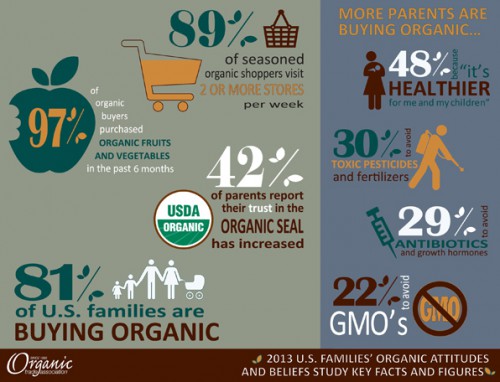
U.S. families are increasingly embracing organic products in a wide range of categories, with 81 percent now reporting they purchase organic at least sometimes. This finding is one of many contained in the Organic Trade Association’s (OTA’s) newly released 2013 U.S. Families’ Organic Attitudes and Beliefs Study, conducted Jan. 18 to 24, 2013.

 “More and more parents choose organic foods primarily because of their desire to provide healthful options for their children,” said Christine Bushway, OTA’s CEO and executive director.

Not only are more consumers choosing organic products at least sometimes, but the majority of those buying organic foods are purchasing more items than a year earlier. New entrants to buying organic now represent 41 percent of all families—demonstrating interest in the benefits of organic food and farming is on the rise.

Produce continues to be the leading category of organic purchases, with 97 percent of organic buyers saying they had purchased organic fruits or vegetables in the past six months. Breads and grains, dairy and packaged foods were also frequently cited (all scoring above 85 percent) among those who purchase organic. Families choosing organic foods are increasingly important to retailers of all types, with organic buyers reporting spending more per shopping trip, and shopping more frequently than those who never purchase organic food.

Consistent with findings from previous studies, nearly half (48 percent) of those who purchase organic foods said they do so because they are “healthier for me and my children.” Additionally, parents’ desire to avoid toxic and persistent pesticides and fertilizers (30 percent), antibiotics and growth hormones (29 percent), and genetically modified organisms (22 percent) ranked high among the reasons cited for buying organic products.

Awareness of the USDA Organic seal has also grown, with more consumers more likely to look for the seal when shopping for organic products. Moreover, over 4 in 10 parents (42 percent) say their trust in organic products has increased, versus 32 percent who indicated this point of view a year ago. In fact, younger, new-to-organic parents are significantly more likely to report improved levels of trust in organic products.

“Consumer trust is on the upswing for organic as the gold standard when seeking to avoid toxic and persistent pesticides, antibiotics, synthetic hormones, genetically engineered ingredients, and additives,” Bushway added.

Study findings, gathered in partnership with KIWI Magazine, are based on responses from 1,239 U.S. households about their attitudes and behaviors related to organic foods. The report provides in-depth information about organic consumers’ demographics, purchase motivation, labeling comprehension, shopping patterns, and more.

The 2013 U.S. Families’ Organic Attitudes and Beliefs Study is available for purchase.

Wednesday, April 3, 2013

Tea’s health benefits boost its popularity


Alex Treadway/National Geographic Image Collection via Alamy - India’s tea producers are benefiting from the growing popularity of the drink in the United States.


By Laura Ungar, Published: April 1, Washington Post


In the latte-obsessed United States, tea is gaining ground as scientists and the public learn more about its benefits.

A growing body of research suggests that the world’s second-most-consumed beverage — only water is more popular — helps prevent cardiovascular disease, burn calories and ward off some types of cancer.

“We don’t clearly understand why tea is so beneficial, but we know it is,” said Thomas G. Sherman, an associate professor in the Department of Pharmacology and Physiology at Georgetown University Medical Center. “There are lots of epidemiological studies, and so of course people see these studies and want to drink tea and gain these benefits.”

Nationally, tea purchases have risen for 20 consecutive years, annual supermarket sales have surpassed $2.2 billion, and away-from-home consumption of tea has grown by at least 10 percent each year for a decade, according to the Tea Association of the USA, a New York-based industry group. On any given day, the association says, 160 million Americans drink tea.

Although coffee is still king in the United States, change is brewing. Department of Agriculture statistics show tea drinking has increased as coffee drinking has declined: Per-person tea consumption was nine gallons in 2009, up from 7.3 gallons in 1980; per-person coffee consumption was 23.3 gallons in 2009, down from 26.7 gallons in 1980, about half what it was in the mid-1940s. And while studies also show that coffee is associated with many health benefits, including helping protect against diabetes and Parkinson’s disease, a typical cup has much more jitter-producing caffeine than tea does.

Manelle Martino, co-owner of Capital Teas in Washington, said she has seen the explosion of interest in tea firsthand. Her sales of loose-leaf tea have risen substantially each year since she opened the business in 2007. “We started the tea company with one shop. Now, there are six stores in the D.C. area,” she said. “People are becoming more health-conscious. You have baby boomers who are into preserving their youth. You see them wanting to take better care of themselves.”

Tea and cholesterol

Tea comes from the leaves of the warm-weather evergreen Camellia sinensis, and it is classified into five types: black, white, green, oolong and puerh.

Experts say all are healthful. Many scientists link health benefits to tea’s polyphenol antioxidants, which protect against oxidative stress, but others say they don’t know exactly which chemicals or combinations of chemicals in tea produce the benefits. Sherman, for example, said there’s no evidence connecting tea’s antioxidants to beneficial effects, and he pointed to a study showing that black tea reduces LDL, or “bad,” cholesterol without affecting antioxidant levels, suggesting something else in tea is causing this.

Numerous epidemiological studies — which establish correlation, not cause and effect — focus on tea’s role in reducing cardiovascular disease, the nation’s biggest killer.

A 2004 paper in the Archives of Internal Medicine, for instance, looked at hypertension rates among people who drank tea for at least a year. The study, conducted in Taiwan, found that those who drank about four ounces to 20 ounces of tea per day had a 46 percent lower risk of developing high blood pressure than people who didn’t drink tea regularly.


Another paper, published in 2002 in the American Journal of Clinical Nutrition, culled through the results of a large study concerning chronic disease and found that people drinking the greatest amount of tea — more than 12 ounces a day — had barely half the risk of heart attack as people who did not drink tea.

More recent cardiovascular research was presented in September at a symposium at the Department of Agriculture in Washington. One study found that black tea reduced blood pressure in all participants and counteracted the detrimental effects of high-fat meals in people with high blood pressure.


“The more tea you drink, the better,” Sherman said. “It’s astounding, really.”

Cancer prevention less clear

As for cancer prevention, the evidence is less compelling.

A review of studies published in the Journal of Cancer Research and Clinical Oncology last year suggested that consuming 10 Japanese-size cups of green tea a day helps prevent several cancers and protect against recurrence of colorectal cancer. And a 2006 review in the Journal of the American College of Nutrition of the beneficial effects of green tea noted studies linking tea to reduced risk of ovarian, prostate and breast cancers.

But that review also cited some conflicting research. For example, two studies revealed a breast cancer benefit, one showing a decreasing risk among Asian American women with rising tea intake and another showing a lower risk of recurrence among Japanese patients who drank three or more cups a day. But a larger Japanese study of more than 35,000 women concluded tea intake didn’t affect the risk of breast cancer.

And scientists at the Johns Hopkins Kimmel Cancer Center announced last week that black and green teas (and coffee) were among the foods and flavorings that affected a gene linked to cancer. But they said this doesn’t mean people should stop drinking tea and coffee, only that more research is needed.

Studies have also examined whether tea affects weight loss. One, from 2004, found that caffeine, theanine and perhaps other components in green tea powder suppressed weight gain and fat accumulation in laboratory mice.

There is also some evidence that drinking tea promotes digestive health generally. Gerry Mullin, an associate professor of medicine at Johns Hopkins School of Medicine and author of “The Inside Tract: Your Good Gut Guide to Great Digestive Health,” said tea appears to help control glucose and insulin and keep the gastrointestinal system running well.

“At the end of the day, these teas are anti-inflammatory in nature. They have anti-bacterial properties,” Mullin said. “They [boost] the immune system and provide a lot of different benefits.”
 
That soothing cup

Sherman’s wife, Guinevere Eden, loves to start her day with a soothing cup of tea. For the working mother of two preschoolers, the healthy brew conjures a quiet moment and a sense of well-being while stirring memories of her childhood in England.

“First thing in the morning, it feels so good,” said Eden, 45, of Potomac.

Over the course of a day, she said, she drinks five or six cups of tea. “That’s actually all I drink. I don’t drink coffee.”


Tea experts disagree on how much tea to recommend for better health. Some say two eight-ounce cups a day, while others say five or more cups.

Experts said tea’s relatively low caffeine levels make it possible to drink large amounts without the jitters, fast heartbeat and stomach upset that the same amount of coffee would probably induce. Black tea, which has more caffeine than green, oolong or white teas, has about half the caffeine of coffee.


Still, experts advise against overdoing it, noting that tea, unlike coffee, contains trace amounts of aluminum. But according to the National Cancer Institute, while aluminum can accumulate in the body and cause neurodegenerative disorders, there’s no evidence of aluminum toxicity associated with drinking tea.

Sherman said iced tea should provide the same benefits as hot tea, as long as it starts out as hot and is then cooled, not just brewed in the sun or made from store-bought powdered mixtures.

He said adding milk to tea may not be as beneficial as drinking it straight, since there’s some evidence that protein in milk binds to the healthful chemicals in tea and prevents them from being absorbed. Sugar doesn’t seem to reduce tea’s benefits, he and others said, although it comes with problems of its own, such as empty calories that can lead to weight gain.

Martino, of Capital Teas, said customers at her shops often ask about health benefits, especially after pronouncements by celebrity physicians such as Mehmet Oz. Whenever Oz mentions a certain tea, Martino said, “people come flooding in looking for that tea.”

Erika Sanchez, a manager at the Dupont Circle Teaism shop in Washington, said customers do much the same at her shop — and then discover how many different types of teas are out there: “If you’re new to the tea world, it can be surprising.”

America’s rising interest in tea has been attracting international attention.

Sundeep Mukherjee, principal adviser to the Darjeeling Tea Association, said three-quarters of the tea from that region of India is exported, with up to 10 percent going to the United States, a portion that’s been rising over the last decade as health benefits become more widely known.

“The tea industry is doing well,” Mukherjee said. “This is a product everyone drinks.”


Ungar is the medical writer at the Courier-Journal in Louisville.