Showing posts sorted by relevance for query lettuce. Sort by date Show all posts

Wednesday, October 2, 2013

Superlettuce!

Extreme weather calls for extreme crops.

It’s hot. By 9 a.m., a dusty desert film radiates hazy stillness over thirsty fields of produce. The air is dry as static, and temperatures are well on their way to a blistering peak of 103 degrees in the desert town of El Centro, California, 13 miles from the Mexican border. But Beiquan Mou, a research geneticist with the U.S Department of Agriculture, is buoyant, because his acre-wide field of green and purple lettuce is thriving in these oven-like conditions.

Lettuce is a delicate mistress; it must be coddled and kept below 85 degrees or it will struggle — bad news for America’s salads, as scientists claim climate change is poised to turn central California, home to the nation’s “salad bowl,” into a dust bowl by the end of the century. Most of the year, 60 percent of all the lettuce Americans consume grows in the Salinas Valley, 500 miles from here, cooled by the Pacific breeze. Temperatures there hover at an average of 68 degrees. In El Centro, highs of 106 are not unusual. And that is why Mou is here. Someday, much of America’s prime agricultural land will be subject to the same weather conditions that conspired to make 2012 the hottest year on record in the continental U.S. Over the course of this century, North America will see longer periods of extreme heat. Farmers could see annual losses of $5 billion or more.

Meet the Superlettuce

Mou, tall and serious in a round straw hat, armed with clipboard and pen, is picking thick, green heads of iceberg and juicy-looking romaine in leaf-wilting heat. “The Margarita looks good,” he says, touching a tender butterhead cultivar, blooming in the cracked roseate sand.

Since 2010, Mou has been on an epic quest for the world’s most heat-tolerant lettuces. Backed by a three-year federal grant, part of a $38 million effort to cope with climate change, he has growtested more than 3,500 varieties of lettuce and spinach in a heat chamber laboratory, exposing them to scorching temperatures and recording the results. The goal: Identify the hardiest species, and isolate their survival genes.

Someday, hopefully, the winners of this gladiatorial death match will wind up on salad plates. The lettuce of the future may look and taste the same, but thanks to the research Mou has begun, its DNA will contain a heat-resistant gene to help farmers cultivate it pretty much anywhere — even the desert.

By late May, Mou’s 84 finalists — 28 icebergs, 28 romaines and 28 butterheads — are ready to be picked and analyzed. They even have superhero names like Gladiator, Jericho, Sniper and Invader. Crouching in pristine, button-down ensembles, Mou and his assistant pile lettuce heads into containers and carry them back to their shade tent. They weigh them, test their firmness, split them open and measure their cores, taking note of tip burn and leaf stress.

Many of Mou’s plants have grown into mutant parodies of supermarket lettuce. Some green-leaf varieties are more than a foot wide with heads bigger than wedding bouquets. Others have cooked in the sun so long they look like burnt marshmallows.

The weirdest-looking lettuces have shot their stems 2รณ feet into the air, growing leaves in the shape of Christmas trees. Called “bolting,” this is a survival tactic in which lettuce under heat stress tries to flower quickly in an attempt to reproduce.

But Mou’s lettuce has to do more than look good. He bites into a tasty-looking iceberg cultivar called Glacier and makes a face. It is piercingly bitter. “In the Salinas Valley, that one tastes just fine,” he says, shaking his head. He uses his knife to slit open a neighboring iceberg. He nods in approval. It’s sweet. It will take trial and error to produce a lettuce that is both hardy and tasty.

Global warming will dictate the world’s salad bar selection in the not-so-distant future, and Mou isn’t the only one rushing to condition our unprepared produce.

One of the USDA’s top objectives in coming years is to identify crop varieties with the most resilient all-weather genes. In addition to Mou’s work, USDA plant physiologists in North Carolina are looking for soybean cultivars that can tolerate elevated ozone and carbon dioxide levels. In Wisconsin, scientists are adapting cranberries to unexpected frost snaps — another regional effect of climate change. In Maryland, researchers are studying crops that deliver better yields with higher levels of carbon dioxide.

Mou won’t have results until 2014. But finding the world’s first superlettuce is only half the challenge. It will take time — and money — to find a way to crossbreed the lettuce genotypes with other existing strains. Charles Walthall, acting deputy administrator of the USDA’s Natural Resources and Sustainable Agriculture Systems program, says industry leaders like Monsanto are already focused on similar research. Syngenta, for example, has taken an interest in Mou’s study, and sent representatives to one of his lettuce fields.

If all goes well, our lettuce may be more primed than we are to survive the hot, dry times ahead.

“You think this is hot?” laughs Mou, sweating.

“Maybe every day in the future will be this hot.”

[via: Modern Farmer | Image credit: Julia Scott]

Thursday, July 10, 2014

20 Foods to Help You Stay Hydrated this Summer

For most of us, summertime is synonymous with long days, warm evenings, visits to the pool, and, above all, sunshine. But when that glorious yellow orb is warming and lighting the world, it can be easy to forget to stay hydrated. This is problematic, because poor hydration can lead to a host of short and long-term health problems, including constipation, nose bleeds, headaches, coughing, fatigue, acne, and unwanted weight gain. But staying hydrated when it’s hot outside doesn’t have to be a difficult chore; by including certain foods in your diet, you can help your body stay happy and hydrated while you beat the heat.

Here are 20 foods to stay hydrated with, so keep them on your menu when the days start to grow long and hot.

1. Watermelonwater content: 92%

Watermelon is a cherished summer treat, and for good reason—it’s tasty, fun to eat, and undeniably refreshing. Of course, it’s no secret that watermelon is loaded with water; after all, it’s even in the name. However, it also contains lycopene, which is an antioxidant believed to help fight cancer.

2. Strawberries,  water content: 92%

Another summer favorite, strawberries are as water-rich as watermelons, but thanks to their small size, they are a bit easier to eat while on the go. They may also promote bone health, boost short-term memory, and even help burn stored fat.

3. Apricotswater content: 86%

Generally only available fresh through the beginning of summer (due to the fact that they bloom early, have little tolerance to extreme heat, and are difficult to ship), fresh apricots are nonetheless widely popular. In addition to having a high water content, they are also rich in antioxidants, fiber, and beta carotene.

4. Iceberg Lettucewater content: 96%

Although you’re probably less-likely to grab a handful of lettuce to take along on your summer walk or July beach-trip, one of the things that makes lettuce such a wonderful food is that it’s easy to incorporate into other meals. A healthy salad or fresh sandwich can be a great way to get the hydrating benefits of lettuce—as well as the other nutritional advantages—while still enjoying a delicious meal.

5. Spinach,  water content: 92%

Spinach doesn’t have quite as much water in it as iceberg lettuce, but it is a bit more nutritious overall. However, the calcium and iron in raw spinach are often unprocessable by the human body, because of a compound called oxalic acid that is also present in spinach. This problem can be solved by simply cooking the spinach, blending it in a smoothie, or by pairing it with foods rich in vitamin C.

6. Grapefruit,  water content: 91%

Tart and tangy, grapefruits are loaded with mouth-watering citrus juice. They’re also suspected to help burn unwanted fat, while reducing cravings and boosting the immune system. For added nutrients and hydration, consider peeling the grapefruit and eating it like an orange, rather than cutting it.

7. Sweet Peppers,  water content: 92%

Sweet peppers are large, mild peppers which have a subtle sweet flavor and are generally very crisp. They come in a variety of colors, but all of them have a high water content. They are often used in salads and main dishes, but when sliced into smaller sections, they can make a great mid-day treat that’s high in vitamins C, E, B6, and helpful enzymes, and low in calories.

8. Tomatoeswater content: 94%

We’ve come a long way in the last 200 hundred or so years, when the prevailing British and American belief was that tomatoes were poisonous (despite the fact that they were eaten regularly in Spain and Italy). These days, tomatoes are found in dishes around the world, and are considered by many to be world’s most popular (and possibly most nutritious) fruit.

9. Radishes,  water content: 95%

Often overlooked as a standalone vegetable, radishes are nevertheless a slightly spicy treat that can also help keep you hydrated and healthy. This is because radishes contain vitamin C, zinc, and phosphorus, which all play a part in keeping you feeling your best during the hot months.

10. Cauliflower,  water content: 92%

Although you may not realize it, cauliflower actually has as high of a percentage of water as strawberries—this helps contribute to the crispiness for which cauliflower is known. It also contains sulforaphane (which is believed to kill cancer stem cells), is loaded with vitamins, and helps to regulate digestion.

11. Broccoli,  water content: 91%

Similar to cauliflower in many respects, broccoli is likewise full of vitamins and sulforaphane, and contains a high amount of water. It is best for the body when eaten raw.

12. Carrots,  water content: 87%

Carrots are best known for their bright orange color and their sometimes-debated ability to improve vision. What they’re not as well known for is their water content. However, carrots are easy to pack along for snacks, and can help keep the body hydrated.

13. Cantaloupe,  water content: 90%

Cantaloupe is another great summer treat that will keep you hydrated. As summer-season fruits, they are available fresh all the way through to the end of August. They are nutritious and low in calories, and have a unique musky flavor. Consider giving it a sour-tasting flavor boost by eating it with a dash of lime or lemon juice.

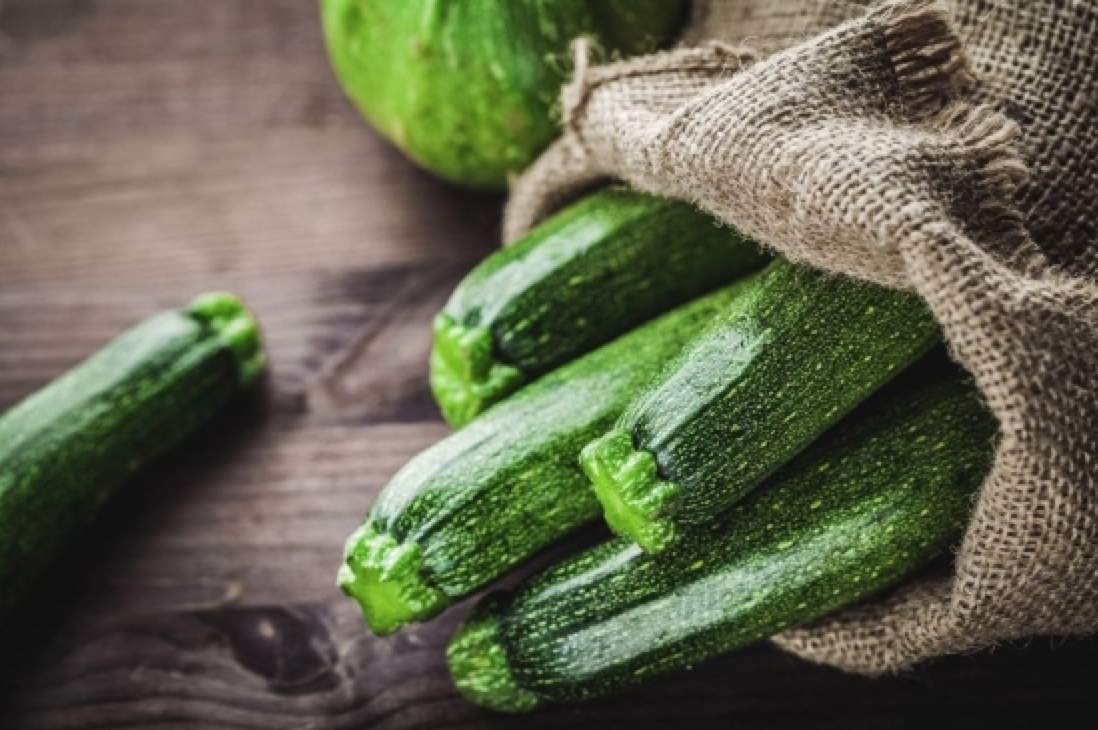
14. Zucchini,  water content: 95%

Although green squash such as zucchini may not sound like the perfect summer snack, it is loaded with lutein and zeaxanthin (which promote healthy vision), manganese (which protects tissue from damage caused by free radicals), and massive amounts of vitamin C. Zucchini also has a very high water content, and is the perfect addition to your summer diet.

15. Celery,  water content: 95%

Celery is a perfect food for satisfying cravings and promoting weight loss, all thanks to its high water and fiber content, and its absurdly low calorie count. At the same time, celery contains vitamins A, C, and K, making it nutritious as well as filling and thirst quenching.

16. Pineapple,  water content: 87%

One of the most popular tropical fruits, pineapples are extremely rich in vitamin C. In fact, 1 cup of fresh pineapple contains over 100% of the recommended daily value of vitamin C. Pineapple is also high in manganese, making it a healthy and energy-rich fruit that will also keep you hydrated.

17. Peaches,  water content: 88%

Another fruit which is great by itself or as a part of a larger meal, peaches are also known to calm upset stomachs and even relieve anxiety (they’re known as the “Fruit of Calmness” in Hungary). Their juicy flesh contains significant amounts of water, and makes a great snack.

18. Cranberries,  water content: 87%

The health benefits of cranberries are widely recognized, which is one of the reasons that cranberry juice is so often mixed with other juices. Cranberries contain vitamin C, fiber, and more antioxidants than almost any other fruit or vegetable. Their high water content makes them a must for those who want to eat healthy and keep hydrated.

19. Blueberries,  water content: 85%

These small, dark berries are often added to other dishes, and are known to help lower cholesterol, and also decrease the risk of diabetes and heart disease. Much like cranberries, they contain incredibly high amounts of antioxidants. And, also like cranberries, blueberries contain a high percentage of water.

20. Cucumberwater content: 96%

If cucumbers contained any more water, they’d probably be a soup. Suffice it to say that cucumbers contain more water than almost any other solid food. And, thanks to their high levels of vitamins, their ability to help flush toxins from the human body, and their usefulness in controlling blood pressure, cucumbers are actually one of the most nutritious foods available.

So, don’t let the summer heat dry you up; grab a few of your favorite hydrating ingredients and make a summer smoothie that will not only quench your thirst, but also nourish your body in the process. Now get out there and enjoy that sun!

[via The Blend]

Wednesday, November 6, 2013

6 Tips for Growing Winter Salad Greens


Summer's over, but there's no reason why you can't enjoy fresh, delicious salad greens throughout the winter months. With just a few small adjustments to your gardening methods and techniques,you'll be able to grow your own tasty winter salad greens all year round.

There are several hardy varieties of winter salad greens perfectly suited to colder climates. While the usual spring and summer varieties need warm weather, or a greenhouse, these leafy vegetables can be cultivated even in chilly temps. Learn how to sow seeds for winter salad greens with our easy gardening tips.

6 Tips for Growing Winter Salad Greens

1. Prepare your soil - If you're growing your winter salad greens outside, find a sheltered and sunny spot in your garden. Or choose large and narrow containers or pots for growing in a greenhouse or polytunnel. It's important to choose a spot (or pot) with good drainage as seedlings can freeze if left in pools of water. Sift your soil into a fine grade if using your own compost, and add any necessary nutrients such as lime or potassium to make potting soil.

2. Sowing the seeds
- The ideal time for sowing seeds is between early September and late November, depending on the first estimated frost date in your area. Sow your seeds in short and shallow rows, spaced as instructed on your seed packet. Cover with a thin layer of soil and water. If you have sown your seeds outside and a cold night is in the forecast, cover them with a fleece or cloches to protect them. For a continous supply of salad greens, sow seeds apporximately every 3 to 4 weeks.

3. Caring for your seedlings - Keep the soil moist but don't let it get too wet, as the seedlings can die from the chill. Don't water your winter salad greens in the evening or too early in the morning. 

4. Thinning your greens - If you have sown ample seed, your beds or pots will have likely have too many seedlings trying to grow in them. You can thin them so that the ones you've left have ample growing space. Use the thinned baby greens in a salad!

5. Harvesting your greens - Your winter salad greens are ready for harvest when they are about 4 inches tall. Harvest the outer leaves, letting the smaller inner leaves form to full size.

6.  Suggested varieties:
  • Arctic King Lettuce - a large butterhead type lettuce that is light green and crunchy.
  • Texsel Greens - fast-growing leaves similar to spinach, also known as Ethiopian greens.
  • Land Cress - an alternative to watercress, hardy and spicy. 
  • Rouge d'Hiver Lettuce - dark green and reddish leaves, tender and similar to red Romaine lettuce.
  • CanCan Endive - hardy and light green with a frisee type texture. 
  • Golden Purslane - Similar to the hardy Winter Purslane, but with golden leaves and red stems or a colorful salad.
  • Mizuna Greens - Japanese greens similar to arugula but less spicy and more tender.  

Tuesday, September 17, 2013

Planting a Fall Garden the Easy Way

Fall doesn’t have to be a time in your garden when your bountiful summer crops simply start to slow down. In fact, in most areas of the country, fall can be one of the most productive times of year in your garden. Many crops thrive in the cooler weather of autumn, and even into winter with a bit of protection. Think spinach, lettuce, beets, carrots, cabbage, parsnips, turnips, radishes, broccoli, kale, chard, mustard greens — the list goes on!

One main question gardeners have about planting a fall garden is, “When should I plant?” No gardener wants to spend time adding compost and putting in new crops, only to have winter’s frosty chill come along and stall or kill the plants before they’ve produced harvestable yields.

In steps a tool we’ve been raving about for a few years now: the Vegetable Garden Planner. This online tool allows you to create a snazzy digital plan of your fall garden. You draw your beds, click on whatever crops you want to grow, and arrange them in your garden. The tool automatically spaces the crops for you. Then, you click on the “Plant List” button within the Garden Planner, and it tells you the window of time in which to plant each crop based on your exact location (you plug in your ZIP code when you begin), along with an expected harvest window for each.

New to the Garden Planner this year are various “garden objects” you can place in your plan. Especially useful for fall gardening are the season-extension devices you can add. Choose from hoop houses, cold frames, row covers, greenhouses, heated greenhouses and more. Just place whatever devices you’re using in your garden directly over the crops you plan to protect. The possible planting times and harvest windows will adjust for those crops.


In the image above, I’ve added a small hoop house over the left garden bed. Inside the hoop house, I’m growing spinach, kale and leaf lettuce. I’ve also added a small cold frame next to my shed, off the right. In the cold frame, I’ve indicated that I’ll be growing some mustard greens. If you like, you can add labels such as “hoop house” or “cold frame” next to these objects.

Of course, other crops were in these same beds earlier in the year — and that’s OK. For each crop you add to your garden plan, you can specific exactly which months it will be in the ground. When you remove summer crops such as zucchini and add some fall crops in the same spot, you just make those timing adjustments right in the Planner. The tool even tells you which crop family each crop belongs to, and warns you if you’re about to violate crop-rotation practices. You can see in the plan above that the kale, cabbage and mustard greens all have a light green shadow around them. The size of the shadow indicates how much space these crops will take up in your garden, and the color of the shadow tells you the crop family — in this case, that these are all brassicas. These features are so cool — and save me a lot of time!

If you live in an area with HOT summers — meaning spring and fall are definitely your prime growing seasons—you can tell the Garden Planner to “split” your seasons. When you do this, you’ll get two sets of planting windows and harvest windows: one for early in the year and one for late in the year. Fall gardeners can take advantage of this feature, too. If you want to plant lettuce, for example, in spring and in fall, just “split” your seasons to get two recommended planting times for the year.

For more fall gardening tips, see Grow Your Best Fall Garden. Happy gardening! We wish you bountiful harvests in every season.

Thursday, September 11, 2014

Lunch Ideas For Back To School

Back to school time is the perfect opportunity to start packing a healthier lunchbox with these healthy kids lunch recipes and kids snack ideas. Our easy lunches for kids are quick to pack, especially our bento lunchbox recipes. Pack our Pizza Roll-Up Bento lunch for a healthy kids lunch your child won’t be willing to trade!
http://www.eatingwell.com/recipes/egg_salad_bento_lunch.html

Egg Salad Bento Lunch

This egg salad bento box is a hearty lunch and snack all in one. Spoon the egg salad into a lettuce “bowl” to keep it looking pretty and enjoy with cocktail bread and veggies. Toss banana and blueberries with yogurt to keep the bananas from turning brown. Save the chocolate chips and pistachios for an afternoon pick-me-up.

Pizza Roll-Up Bento Lunch

This easy pizza-inspired roll-up is a kid-pleaser. Make crunchy vegetables more appealing by selecting colorful varieties like orange and purple cauliflower—and don't forget the dip! Keep 'em smiling with watermelon cut into fun shapes with cookie cutters.

http://www.eatingwell.com/recipes/bbq_chicken_sandwich.html

BBQ Chicken Sandwich

Toss leftover cooked chicken with barbecue sauce and crunchy carrots for a quick and healthy lunch.


Turkey, Corn & Sun-Dried Tomato Wraps

Fresh corn kernels, tomatoes and lettuce fill these hearty turkey wraps. This wrap is great for picnics or when you need to have dinner on the run. Add some crumbled feta or shredded cheddar for another layer of flavor. Serve with carrot sticks, sliced bell pepper or other crunchy vegetables plus your favorite creamy dressing.

Salmon Salad Bento Lunch

Watercress acts as a tasty divider between the salmon salad and crackers. Multicolored peppers and grapes add color to this bento and boost your daily servings of fruits and veggies.


Broccoli-Cheese Pie

If you want to give this a fancy name, call it a crustless quiche. For a vegetarian version, simply omit the Canadian bacon.


Soy-Lime Tofu & Rice Bento Lunch

Tofu, rice and vegetables are classic bento ingredients. Make extra rice for dinner and roll leftovers into balls for lunch. To keep green veggies vibrant and crisp, cook them briefly and immediately dunk them into a bowl of ice water. You can also use cubed store-bought baked tofu in place of the roasted tofu.

http://www.eatingwell.com/recipes/tuscan_style_tuna_salad.html

Tuscan-Style Tuna Salad

This streamlined version of a northern Italian idea is perfect for a summer evening: no-fuss, no-cook and big taste. You can even make it ahead and store it, covered, in the refrigerator for several days. If you do, use it as a wrap filling for the next day's lunch.

Cottage Cheese Veggie Dip

Stir lemon pepper into cottage cheese for a quick and healthy vegetable dip. We like carrots and snow peas, but any crunchy vegetables you have on hand will do.


Zesty Bean Dip & Chips

Stirring salsa into versatile canned refried beans makes a quick and healthy bean dip. It also works well as a sandwich spread with your favorite vegetables and a sprinkle of cheese.

Frogs on a Log

Give this childhood treat a savory twist by swapping the peanut butter and raisins for cream cheese and olives. For a spicy snack, try chopped pickled jalapenos instead of olives.

http://www.eatingwell.com/recipes/lemon_parm_popcorn.html

Lemon-Parm Popcorn

Perk up your popcorn with a bit of lemon pepper and Parmesan cheese.

Chocolate-Banana Grahams

A graham cracker smeared with Nutella and topped with banana and coconut is a light way to satisfy your sweet tooth.

Wednesday, May 8, 2013

Companion Planting


May 15th is the traditional cut off date for a final frost. Meaning, starting next week, everything goes – in your garden. I will be seeding watermelons and transplanting chile peppers. As you prepare to fill your summer plot, consider not only what you’re planting, but where you’re planting. The logic and tradition of companion planting is based on setting up mutually beneficial relationships between plants. This method of organization can encourage pest control and stimulate vigorous growth. It is even said to produce tastier tomatoes.

Every plant demands and provides differently – absorbing certain soil nutrients, attracting specific pests while repelling others. It makes sense, then, to arrange your garden in a way that takes advantage of these individual properties. Companion planting originated with the Native American custom of the “Three Sisters” guild. Historically, Native Americans would plant corn, squash and beans side by side on a small plot of land. The tall stalks of corn provided a trellis for the beans, while the sprawling squash offered ground cover, stamping out potential weeds. Beans, a legume, are nitrogen fixing, and will not disturb nutrient intake of corn or squash.

Trap crops are another example of companion planting. If you are concerned about squash bugs attacking your cucumber bed, plant zucchini nearby. Summer squash leaves are sweeter and more preferable to the pests, thus deterring them from your main crop cukes.

Overtime, growers have collectively developed a comprehensive guide to companion planting. Inevitably, these guides are part truth, part lore, but in any case, a home garden offers the perfect scale in which to trial some of this knowledge. We can’t tend to our garden at all times, so why not let the plants themselves do some of the work?

Here are a few suggestions:

Basil with tomatoes – repels tomato hornworms

Nasturtiums with squash – deters squash bugs

Radishes and cucumbers – trap crop for cucumber beetles

Lettuce and carrots – for best flavor of both

Bee balm and tomatoes – for enhanced tomato flavor

Tomatoes and lettuce – tall trellis can provide welcome shade for tender greens

Wednesday, August 13, 2014

What To Plant in August


The garden doesn’t have to stop producing just because summer is waning. In fact, August is the perfect time to add some variety and get a second season harvest from your space. Plant these garden favorites and harvest right through the fall and have plenty to preserve for winter as well.

Kale

If you haven’t grown kale yet, there is no time like the present. Start it now and in many zones you’ll be able to harvest right through the winter months. In fact, a bit of frost will just make these tasty greens even sweeter.

Lettuce

Cooler temperatures are on the way, and that’s perfect for lettuce. Plant now for fresh salad greens (and reds) for weeks and months to come.

Beans

Believe it or not there is still plenty of time for another round of beans. Select fast growing varieties and get ready to preserve the bounty because beans love this time of year almost as much as I do.

Radishes

Radishes are one of the fastest growing garden vegetables, usually ready from seed to table in less than a month. Plant a few rows every two weeks for fresh radishes all season.

Spinach

Spinach thrives in the cooler temps of fall, and getting those seeds in the ground now will give them plenty of time to get a strong root system before the weather cools off.
[via Urban Fig]

Monday, October 7, 2013

Is Big Organic Bad?

How organics’ growth has changed the food landscape—for better and worse.


Every winter I visit my dad in central Idaho, where the snow piles high along the two-lane interstate that slices the state from north to south and guides travelers through serene valleys and canyons dotted with tiny rural towns. In McCall, Idaho, nearby farms and ranches sell organic beef, eggs, fresh herbs, and even wild huckleberries at the weekly farmers’ market during warmer months, and most households keep a deep freezer in the garage stocked with locally harvested elk meat, salmon, and trout.

It seems like an idyllic throwback that hasn’t succumbed to big-box stores and urban sprawl. But even here, long winters notwithstanding, my dad and his neighbors can find nonlocal organic food in the grocery aisles year-round, thanks to organics’ meteoric expansion during the past three decades.

It’s at this intersection of supply and demand where some people question organics’ exponential growth, wondering if the movement has lost its soul along the way. Many longtime organic champions voice concerns about the implications of “Big Organic” and how it affects the true tenets of organic agriculture. Producers, retailers, and shoppers alike fret about increased environmental and economic impacts as organic expands. Are the worries justified? Or must organic scale up to compete in a global marketplace?

What is Big Organic?

You probably support your own small-scale organic favorites: local companies that make great, wholesome products, sell them at regional shops, and maintain a homemade, hometown vibe. But you’ve undoubtedly seen (and likely bought) Big Organic too: large-scale operations, such as Earthbound Farm or Horizon Organic, that supply enormous amounts of certified-organic products to national and international markets (think Costco and Walmart), often at lower prices.

Small towns like McCall are not the only parts of the United States that desperately need access to organics across socioeconomic lines. Even large urban districts with sound infrastructure suffer from restricted access to affordable, organically grown produce and packaged goods. Walmart recently released a statement that it intends to double its organic-produce offerings, but it didn’t mention accountability measures or specific time frames.

As the organic market grows to meet demand, the following challenges—and compromises—will grow, too.

Local Challenges


Although small-scale organic food makers are the movement’s roots, they sometimes struggle to produce enough, often because of forces outside their control (weather, commodity price fluctuation, sourcing difficulty) that can drive up prices.

In contrast, large companies are able to lean on a deep and wide supply network, which mitigates some of the variables all food producers face.

Let’s say, for example, that you make a fantastic granola with certified-organic ingredients in a small commercial kitchen. You might order your oats from a nearby farmer you know personally and your nuts and dried fruit from in-state sources. But then you decide to expand your business, so now you need to make a lot more granola. That probably means connecting with suppliers you don’t know but who can provide larger quantities, perhaps from distant or even international farms.
In addition, now your ingredients travel from all over the world to reach you, and you must ship your finished product in all directions—using vastly more production resources and fossil fuels than before. So more people get your organic granola, but it’s a trade-off.

“Scale has always been a challenge in organic food for the simple reason that conventional farming, organics’ antithesis, uses herbicides, pesticides, and GMOs to maximize crop yield in the shortest time possible. Large-scale organic operations also aim for healthy yields but subscribe to a broader ethical and sustainable farming approach,” says Danny Houghton, vice president of marketing and sales at One Degree Organic Foods in Abbotsford, British Columbia. “Choosing to compete in this way with conventional farmers is not something that should be passed over lightly. It’s a daunting task.”

Economic Challenges


Size also matters when it comes to making organic goods affordable for more consumers. Larger-scale companies can reach a larger pool of customers because of improved production and transportation efficiencies, says Houghton.

Earthbound Farm, suppliers of now-ubiquitous organic boxed lettuce, was among the earliest organic players to go big. “We’re proud to offer an organic alternative to conventionally produced food where people do the majority of their shopping: at the supermarket,” says cofounder Myra Goodman. Because Earthbound Farm is able to achieve economies of scale by large production year-round in a suitable climate, it is able to make organic more affordable and reach a larger audience. Another little-heralded economic benefit: Organic farming is more labor-intensive and provides more long-term work for skilled farm workers, thus contributing to local economies.

But while availability goes up and prices go down, Goodman also acknowledges that something important gets lost.

“Small growers can offer consumers a much more intimate connection with their food. It’s wonderful to be able to meet the people who are growing your food face-to-face, whether at a farmers’ market or while picking up your CSA box, and be able to ask questions and hear their unique stories about what’s going on in their fields or orchards,” she says. Another often-overlooked consideration: In a time when many large-scale organics are owned by conglomerates, such as Unilever and PepsiCo, smaller ones tend to be independently owned and invested in their local communities.

Environmental Challenges

Because of USDA Organic standards, which took effect in 2000, all certified-organic manufacturers must comply with strict regulations and meet regular inspection requirements.

In a sense, these standards were written with organics’ soul in mind, to create a level playing field for anyone seeking to earn the trusted USDA Organic seal.

One primary function of these standards: to protect Earth. Small organic producers are nimble enough to implement new strategies or change harvest practices if necessary when prices or weather patterns fluctuate, but the sheer size of large operations often forces them to rely on gas- and water-sucking farm equipment to meet their supply goals.

Even so, says Goodman, it’s worth it. According to the USDA, there are nearly 5 million acres of organic farmland across the nation, representing less than 1 percent of total U.S. agricultural acreage. “The more people buy organic food, the more land is farmed without dangerous synthetic chemicals. Earthbound Farm alone avoids the use of more than 19 million pounds of synthetic agricultural chemicals every year; that’s a huge impact,” she says.

Organic benefits Earth’s inhabitants, too, and not just the shoppers who eat clean, toxin-free foods. Farm workers in organic fields are exposed to far fewer pesticides and herbicides compared with conventional farms, many of which require no safety measures for laborers.

Vote with Your Dollars

So is small always beautiful? That depends on your priorities. “While all food companies are entitled to make a profit, you should do your homework and choose to reward companies that balance the pursuit of profit with tangible, sustainable business practices,” says Houghton.

Whether you find shelves of organic cereal in a big-box store or a single organic brand in a small Idaho town, Goodman’s personal approach may simplify your decisions. “I think in this conversation about big and small organic, it’s really important not to pit one against the other and realize that all organic farming is a huge step in the direction of creating a healthy and sustainable food supply,” she says. “People need to know that when the health of their family and the environment is a top concern, they need to choose organic first and foremost. The questions of size and location are truly secondary.”

Monday, June 3, 2013

Breeding the Nutrition Out of Our Food


The present-day sweet corn we serve in summer bears little resemblance to its wild ancestor - a grassy plant called teosinte. A bushy plant with short spikes of grain instead of ears, teosinte has only 5 to 12 kernels in each spike and the kernels are encased in shells so hard you'd need a hammer to crack open. High in starch, low in sugar, teosinte has 10 times more protein than the corn we eat today.

The case of corn illustrates a much broader trend of nutrient loss in our current selections of fruits and vegetables. Thanks to selective breeding practices and spontaneous mutation events, the food we grow contains far fewer nutrients than the wild plantlife from which it derives. That's the central tenet of an eye-opening recent New York Times op-ed by Jo Robinson, author of "Eating on the Wild Side: The Missing Link to Optimum Health" (available June 4). Robinson explains:
Each fruit and vegetable in our stores has a unique history of nutrient loss, I’ve discovered, but there are two common themes. Throughout the ages, our farming ancestors have chosen the least bitter plants to grow in their gardens. It is now known that many of the most beneficial phytonutrients have a bitter, sour or astringent taste. Second, early farmers favored plants that were relatively low in fiber and high in sugar, starch and oil. These energy-dense plants were pleasurable to eat and provided the calories needed to fuel a strenuous lifestyle. The more palatable our fruits and vegetables became, however, the less advantageous they were for our health.
So, as consumers, how do we address the issue? Robinson presents some helpful hints. As for corn, she says, select the type with deep yellow kernels, and if you're cooking with cornmeal, use blue, red, or purple. When it comes to lettuce, look for high-antioxidant arugula, which is very similar to its wild ancestor. Scallions, or green onions, have more than five times more phytonutrients than many common onions do. And use lots of herbs:
Herbs are wild plants incognito. We’ve long valued them for their intense flavors and aroma, which is why they’ve not been given a flavor makeover. Because we’ve left them well enough alone, their phytonutrient content has remained intact.
Read the article here.
[via NYT, SHFT]

Thursday, July 12, 2012

Find Farms In New York City By Looking Up


Back in the 1960s, Lisa Douglas, the Manhattan socialite played by Eva Gabor in the television sitcom “Green Acres,” had to give up her “penthouse view” to indulge her husband’s desire for “farm livin’.”

Mr. Flanner, the president and head farmer of the Brooklyn Grange farming operation, picked greens last week for a restaurant in Brooklyn.

Today, she could have had both. New York City is suddenly a farming kind of town. Almost a decade after the last family farm within the city’s boundaries closed, basil and bok choy are growing in Brooklyn, and tomatoes, leeks and cucumbers in Queens. Commercial agriculture is bound for the South Bronx, where the city recently solicited proposals for what would be the largest rooftop farm in the United States, and possibly the world.

Fed by the interest in locally grown produce, the new farm operations in New York are selling greens and other vegetables by the boxful to organically inclined residents, and by the bushel to supermarket chains like Whole Foods. The main difference between this century and previous ones is location: whether soil-based or hydroponic, in which vegetables are grown in water rather than soil, the new farms are spreading on rooftops, perhaps the last slice of untapped real estate in the city.

“In terms of rooftop commercial agriculture, New York is definitely a leader at this moment,” said Joe Nasr, co-author of “Carrot City: Creating Places for Urban Agriculture” and a researcher at the Centre for Studies in Food Security at Ryerson University in Toronto. “I expect it will continue to expand, and much more rapidly, in the near future.”

For city officials, the rise of commercial agriculture has ancillary benefits, as well. Rooftop farms have the potential to capture millions of gallons of storm water and divert it from the sewer system, which can overflow when it rains. And harvesting produce in the boroughs means fewer trucks on local roadways and lower greenhouse gas emissions, a goal of Mayor Michael R. Bloomberg’s administration.

Community gardeners and educators have tended plots and grown food for years. But they have only recently been joined by for-profit companies intent on getting back to the urban land.

Gotham Greens began harvesting from its hydroponic greenhouse on a rooftop in the Greenpoint section of Brooklyn last year; it plans to open three more next year in Brooklyn, Queens and the Bronx. The existing operation, with 20 employees, grows bok choy, basil and oak leaf lettuce, and sells to retailers like Whole Foods and FreshDirect.

Brooklyn Grange, another farming operation, incorporated with the intention of finding a site in Brooklyn. But two years ago, a one-acre rooftop became available instead in Long Island City, Queens. The partners, led by Ben Flanner, the president and head farmer, spread out 1.2 million pounds of soil and started planting. This spring, Brooklyn Grange finally made good on its name, starting a second farm on a 65,000-square-foot roof at the Brooklyn Navy Yard, where more than 100 rows feature pattypan squash, scallions and beefsteak tomatoes.
Mr. Flanner pointed out two benefits to an agricultural aerie — plentiful sun and an absence of pests. “There are a number of parallels with regular agriculture,” he said. “What we don’t have are deer or foxes or rodents.”
One challenge: wind, which can whip between buildings and topple delicate seedlings. “We have to be clever to come up with solutions to reduce the amount of wind on the plants,” he said. “We do a lot of staking and trellising.”

Plans are in the works for even larger operations. In March, BrightFarms, which develops greenhouses near supermarkets to shorten the food-supply chain, announced it would create a sprawling hydroponic greenhouse on a roof in Sunset Park, Brooklyn, that is expected to yield a million pounds of produce a year. The chief executive, Paul Lightfoot, said the greenhouse would occupy up to 100,000 square feet, making it the nation’s largest such operation when it opens next year. (Recently, the company reached an agreement with the A&P supermarket chain to sell the Brooklyn produce.)

And last month, the city’s Economic Development Corporation issued a request for proposals for a 200,000-square-foot rooftop farm on a city-owned building on Food Center Drive in Hunts Point, the food-distribution hub in the Bronx. “We’re testing the marketplace,” said Seth W. Pinsky, the corporation’s president. “It was a logical place for a rooftop farm. If we’re successful at Food Center Drive, our hope would be to replicate this elsewhere.”
While there may be a veritable prairie of empty rooftops in the city, not all are suitable for growing crops, Mr. Nasr, of Ryerson University, said. Roofs must be strong enough to accommodate the weight of either soil or a greenhouse, and if they are not, strengthening them can be costly. Access is also a challenge, with some buildings lacking stairs or an elevator to the roof. Not all roofs enjoy full sun, with shadows cast by adjacent buildings. And neighbors wary of increased traffic and noise can be prickly.

“But in New York City,” Mr. Nasr said, “even if you eliminate roofs for all those reasons, you are still left with a large number that could be considered.”

The City Planning Department recently revamped the zoning regulations to encourage green development, including rooftop farms, and the City Council approved the changes. The new rules, called Zone Green, exempt greenhouses on nonresidential buildings from certain height and floor-area limits. Such structures cannot, however, exceed 25 feet in height and must be set back six feet from the edge of the roof.

Amanda M. Burden, the planning commissioner, credited the changes with “creating more places for urban agriculture to take root in a dense, built-up environment.”

Whether the relaxation of the zoning rules will unleash a flood of new proposals remains to be seen. None, so far, are planned for Park Avenue.
(via New York Times)

Friday, October 4, 2013

Plant- Based Protein Chart


The following is a chart is adapted from the USDA Nutrient Database that displays the protein content of vegetarian foods, it does not include any dairy or soy.  Please note that in order to determine the amount of protein that is optimal for your body, use the following formula that is based on a vegetarian recommendation:

Convert weight to kg (pounds/2.2)
Multiply kg by .9 = Protein recommendation in grams

Nut/Seed (1/4 Cup; 4 tbs)

Protein (g)

Chia Seed 12
Hemp Seed 10
Flax Seed 8
Sunflower Seed 8
Salba 7.4
Almond 7
Pumpkin Seed 7
Sesame Seed 7
Pistachio 6
Walnut 5
Brazil Nut 5
Hazelnut 5
Pine Nut 4
Cashew 4


Beans (1 Cup cooked)

Protein (g)

Lentil 18
Adzuki 17
Cannellini (white beans) 17
Cranberry bean 17
Navy Bean 16
Split Peas 16
Anasazi 15
Black Bean 15
Garbanzos (chick peas) 15
Kidney Bean 15
Great Northern Beans 15
Lima Beans 15
Pink Beans 15
Black-eyed Peas 14
Mung Beans 14
Pinto Beans 14
Green Peas 9


Grains (1 Cup cooked)

Protein (g)

Triticale 25
Millet 8.4
Amaranth 7
Oat, bran 7
Wild Rice 7
Rye Berries 7
Whole Wheat Couscous 6
Bulgar Wheat 6
Buckwheat 6
Teff 6
Oat Groats 6
Barley 5
Quinoa 5
Brown Rice 5
Spelt 5


Vegetables (cooked)

Protein (g)

Corn (1 large cob) 5
Potato (with skin) 5
Mushroom, Oyster (1 cup) 5
Collard Greens (1 cup) 4
Peas (1/2 cup) 4
Artichoke (medium) 4
Broccoli (1 cup) 4
Brussel Sprouts (1 cup) 4
Mushroom,Shitake (1 cup) 3.5
Fennel (1 medium bulb) 3
Swiss Chard (1 cup) 3
Kale (1 cup) 2.5
Asparagus (5 spears) 2
String Beans (1 cup) 2
Beets (1 cup) 2
Sweet Potato (1 cup) 3
Cabbage (1 cup) 2
Carrot (1 cup) 2
Cauliflower (1 cup) 2
Rutabaga 2
Squash 2
Celery (1 cup) 1
Spinach (1 cup) 1
Bell Peppers (1 cup) 1
Cucumber (1 cup) 1
Eggplant (1 cup) 1
Leeks (1 cup) 1
Lettuce (1 cup) 1
Okra (1/2 cup) 1
Onion (1/2 cup) 1


Other Sources

Protein (g)

Egg 6
Sunwarrior Rice Protein (scoop) 17
Avocado (1 medium) 4
Cherimoya 7
Durian (1 cup) 4
Sapote (1 medium) 5

Monday, February 6, 2012

Hunting for Organic, Local Winter Produce?

Shopping for organic produce in the winter can be expensive and a challenge, but there is a bigger bounty of produce available than you might realize. Eating seasonally, which is essentially eating locally, makes it more manageable. If you get over the idea that you should be able to eat anything you want anytime of the year, you will provide yourself with exciting opportunities to try new foods and seasonal recipes.

The winter organic produce list below is general — the region you live in may provide more, or less. Also below are links for finding winter produce recipes, as well as local and seasonal food in your area. And be sure to try our winter recipe pick — Sunset Magazine’s delectable seven-vegetable couscous dish with a Moroccan spice mix!

Winter Organic Produce
Potatoes, sweet potatoes, beets, carrots, leafy greens (kale, chard, spinach and more), cabbage, broccoli, cauliflower, apples

Tips for Healthy Winter Eating
  • Eat what is seasonal and local — produce that is not seasonal or local has typically traveled a long way
  • Buy a winter CSA (Community Supported Agriculture) share
  • Utilize Environmental Working Group's list to identify foods highest in pesticides and buy organic whenever possible — some of the “best-to-buy organic” veggies on our winter produce list are apples, spinach, potatoes, lettuce, and kale
  • Remember that soups are a hearty, traditional winter dish that can be customized to make best use of your available local produce

CSAs, Winter Farmers Markets and Local Food in Your Area
The Daily Green – Enter your ZIP code in the “get local info” box on the home page to find organic, local, and seasonal food in your area from stores, farms, farmers markets, and CSAs
Eat Well Guide – This guide also uses your ZIP code to direct you to local, sustainable, and organic food sources in your area.
Sustainable Table – Check out this seemingly endless list of shopper’s guides to sustainable eating, and more.
Natural Resources Defense Council – This great resource provides an abundance of information about seasonal and local eating, and what and where to buy organic and local
Locavore Network – This invaluable resource for information on local, organic food makes organic shopping easier.


Monday, August 4, 2014

8 Essential Tips for Avoiding Food Waste


None of us like wasting food. We definitely don't set out to do it. But, as hard as we try it inevitably seems to happen in one way or another. The Kitchn talks a lot about food waste, like, ways to avoid it, great habits to to help you prevent it, the useful tips to minimize it.

Here are their eight favorite reader tips on how to avoid food waste and make full use of the good food you buy. Too great not to share!!

1. When in doubt, freeze it.

We freeze! All the time. Even a small amount of stew in the freezer is the beginning of a great shepherds pie! - cecilia g

Being mindful about freezing items nice and early on is important, too; if you think you may not finish it in time, just freeze it! You can always defrost later. Leftover pizza, cooked veggies, some leftover sauces (i.e. pesto) etc....you can freeze more than you think. - lesleyrocket

I have been freezing milk for years. My friends think it's weird but it works. We buy milk in bulk when it is on sale, freeze the extra. I have never had it go sour. - Melizza

2. Keep perishables at eye level in the refrigerator.

One trick I learned is to put some produce at eye level instead of hiding it in the drawer. Then rotate it. - Emmi

I put a small plastic tray on the top shelf of the fridge. It's called The Triage Box. If it's there, count on using it. It currently holds the last of the blueberries, leftover sliced strawberries, the last of the berry coulis, simple syrup that won't go bad soon but I know I'll forget, and the last of the red miso that should get used before it dries up. I just realized I have tamarind paste and olivada that need to find their way to that box, stat. - cmcinnyc

I've tried rearranging the stuff in my fridge so that the most perishable items are the most "in your face" when you open the door. Condiments are on the bottom shelf while produce is front and center. That way its a bit harder to forget that you have that head of lettuce and you're reminded to use it. - elissa

3. Store condiments in the crisper.

I use the freshener drawers to keep condiments in. They're not going to wilt if I forget they're there. Other items are in clear plastic bags and good quality clear plastic containers. - shotsi

4. Plan ahead... but not too far ahead.

I've started making meal plans, and they have really worked! I plan for usually three days in advance. I found that if I plan further out than that we end up wasting food due to an impromptu invite to dinner, etc.! - Dionna

A trick I find useful is to buy less and more often. I can't come up with a meal plan for the whole week, and stick to it. So what I do is buy for 2 or 3 days, which makes it easier to stick to the plan, and if something unexpected comes up food won't go bad and you can make it the following day. - chispita

I also agree on not overplanning. If I plan out all the meals for a week, often times stuff comes up (late home from work, last minute going out with a friend, etc.) and I don't have time to cook everything I bought to eat. I think it's good to leave a few gaps in your meal plan and a pantry stocked with goods (pasta, canned or frozen food) that can be used to fill the gaps if needed. - illuminatedpst

5. Repurpose leftovers.

I often turn leftovers into new meals...leftover taco-fixings become omelets or breakfast burritos the next morning. Leftover beef or pork roast becomes chopped bbq or stew the next day. Small portions of meats or cheeses get added into new casseroles, fritters, empanadas or stuffed into homemade biscuits. Leftover pasta becomes baked ziti or spaghetti pie the next day. Leftover roasted veggies make great soups and pot pies. - marymccreery

I make a clear-out-the-fridge vegetarian soup and freeze it in 2 oz containers. Something I learned from justbento.com is to make the soup with almost no water to create a concentrate. The frozen concentrate thaws in my lunchbox so, when it's time to eat, all that's needed is some boiling water to warm up the vegetables and dilute the seasonings. Takes up half the room in the freezer, which is great since space is at a premium. - Chinadoll

Never underestimate the power of pizza! We use leftovers all the time as pizza toppings. Those are some of my family's favorite meals. If you don't eat wheat products, use a cauliflower crust instead! - meganvanfleet

I make preserves out of rinds of melons. I also make a greens gumbo out of greens like carrot tops, radish tops, beet greens, mustard, etc. - makeroux10

6. Make an "eat this soon" list.

We keep a "eat this soon" list on corner the kitchen whiteboard. It really helps, especially when you can quickly see something to pack for lunch. - MaryCooksalot

Put a white board on your fridge and keep an inventory of everything you have in there. As you eat the items, erase them and consult the board before going shopping. Helps with both using things that may have been overlooked, as well making sure you don't overbuy when you go to the grocery store. - ecandle96

7. Keep a broth bag in the freezer.

I always keep a 'broth bag' in the freezer. In the bag go: carrot ends, the knobs and peelings from most veggies, mushroom stalks, herb stems (when all I needed was the leaves), the occasional potato peels, the garlic scapes that are about to go bad, even the papery garlic shells. Just anything that would be good in broth. Then when the bag's full, I make a nice stock, adding whatever's still necessary. - if1hadwords

8. Store food properly.

Fresh herbs can really invigorate your cooking, but it can be truly frustrating to buy a big bunch of parsley, use 25% of it. But my wife taught me a surprisingly simple way to dramatically extend the shelf life of fresh herbs (and other types of produce as well) in our fridge: Place the herbs in the plastic bag, add a couple of tablespoons of water into the bag, and then tie the bag with a loose knot. - Daniel Koontz
[via The Kitchn]