Showing posts with label salad. Show all posts

Monday, September 29, 2014

17 Delicious Apple Recipes for Fall


After you've stuffed yourself with Honeycrisps, Sweet Tangos, and Jonagolds at the farmers market, you should start thinking about ways to incorporate your favorite fall fruit into your daily meals. From puffed apple pancake for breakfast, to stuffed streusel apples for dessert, plus savory goodness like a roasted apple and winter squash soup, here are plenty of ways to get your apple fix this fall.

You can find apples to eat and cook with all year round, but you get the best variety in the fall. Apples are an incredible ingredient to use in recipes because they are inexpensive and are easy to work with. They also offer a wonderful sweetness to any recipe.

But before you go off gallivanting in the farmers market in search for apples to use in these recipes, you should know they are not all created equal. Some apples are best for baking, while others are best eaten on their own. Read this guide for finding the best apples for all your baking needs.


So which recipe will you make first? Will you delve into the apple loaf, or start of strong with an apple pie? Here are 17 recipes to get you started.

Apples for Breakfast

http://www.thekitchn.com/weeknight-recipe-oatmealbrown-75752 

Apples for Dessert


Apples for Lunch, Dinner, Snacks & More

[via the kitchn]

Thursday, September 25, 2014

It's Harvest Time! 10 Snacks We Fall For

Falling for autumn we are; the cozy, warm harvest comes as a welcome reprise from the fruity wiles of summer. Crisp red apples, hearty sundry squashes, hot spices and comforting soups, what a celebratory time of plenty filled with gratitude for the fruitfulness of life and deliciousness wafting in the wind.

Here are our chosen autumnal evening snack recipes, designed to give you the sustained energy you need to take care of yourself, your family and your work – with some left over for playing in the leaves.

1. Apple Cranberry Baked Brie

Slice a wheel of Brie cheese (with rind) in half. Top the bottom half of the circle (sliced edge up) with a mixture of 2 tablespoons maple syrup, one tablespoon unsalted melted butter, one small chopped apple, ⅓ cup sliced natural almonds and ⅓ cup dried cranberries, saving a bit of the mix to go on top as garnish. Put the top section of Brie back on and bake at 350°F for 7 minutes. Garnish with the remaining fruit and nut mixture and serve with table-water crackers.

2. Pumpkin Soup

This easy and delicious soup is a great appetizer at an autumn dinner or on its own for a filling afternoon snack. Puree 2 cups of cooked pumpkin (or you can used canned) along with 4 cups vegetable stock, ½ cup milk, one tablespoon butter, one tablespoon Bragg’s seasoning and ¼ cup dry milk. Heat until boiling, and enjoy!

3. Cinnamon Apple Oatmeal Deluxe

Cook steel-cut oats according to package directions, then add any (or all!) of the following for a warm autumn snack that will keep you going for hours: butter, cream, brown sugar or maple syrup, chopped apples or applesauce, roasted nuts, raisins or dried fruit, plus a dash of cinnamon and salt.

4. Baked Squash Rings

Cut an acorn squash (any color) into ½” rings, discarding the seeds and membrane. Arrange slices in large baking dish, pour ½ cup of orange juice over the rings, cover with them loosely with foil and bake at 350°F for 30 minutes. While the rings are baking, combine ¼ cup brown sugar and 2 tablespoons each maple syrup and butter in a saucepan. Bring it to boil and simmer for 2-3 minutes, stirring constantly. Brush this mixture over the squash slices and continue to bake, uncovered, for 15 minutes or until the squash is tender and lightly browned.

5. Harvest Salad

Top your favorite greens with half of a chopped Granny Smith apple and ¼ cup each of dried sweetened cranberries and roasted walnuts. Crumble 1-2 ounces of blue cheese on the salad, and then finish it off with creamy balsamic vinaigrette for a delicious salad that is bursting with different fall flavors.

6. Apple Dip

This easy dip is great for apples or any kind of fruit. Combine one 8-ounce carton of sour cream with two tablespoons brown sugar and a half-teaspoon of cinnamon. Stir in ½ cup of toasted pecans or walnuts, and enjoy with your favorite kind of apple!

7. Pumpkin Pancakes

Pumpkin is packed with nutrients, and these yummy pancakes are super moist and perfect for a leisurely brunch. Prepare pancake batter as usual. Add half a can of pumpkin-pie mix to the batter for each four servings of pancakes you are making. Top with maple syrup plus a handful of roasted pecans. Great for breakfast, an afternoon treat or a dinnertime dessert!

8. Roasted Pumpkin Seeds

After you carve a pumpkin, don’t throw out the seeds! Instead, rinse them and cook on a greased baking sheet for 25-35 minutes at 325°F, stirring about every five minutes. Flavor simply with salt and pepper or get creative with other spices like cayenne, cumin and chili powder.

9. Autumn Snack Mix

Roast 8 ounces of pecan halves in 350°F oven for 4 minutes; stir, then roast for another 4 minutes (you can brush the pecans with butter before you roast them for added flavor). Cool completely, then salt the nuts lightly and combine with 4 ounces of dried, sweetened cranberries and 4 ounces of dried, sweetened apples. If you have a sweet tooth, you can add Reese’s pieces, candy corn or autumn-colored M&Ms.

10. Baked Apples with Cranberry Sauce

Preheat oven to 350°. Core four Granny Smith apples to within ½” of the bottom. Mix together ¼ cup whole-berry cranberry sauce or relish, 2 tablespoons brown sugar and ½ teaspoon cinnamon, and then stuff into the apples. Put apples in baking dish and cover with foil. Bake in middle of oven until very tender when pierced and still intact, 1 to 1 1/4 hours (start checking apples for doneness at 45 minutes). Serve alone or topped with vanilla ice cream and a handful of toasted walnuts.
 

Friday, August 15, 2014

50 Grain-Free & Paleo Ground Beef Recipes

Whether you’re in a time crunch or are responsibly planning a week in advance, here are some mouth-watering grain-free dishes that call for ground beef (or ground beef can easily be substituted). Enjoy!

Burgers and Meatloaves

http://lovelovething.com/wp-content/uploads/2014/07/Paleo-Burger-with-Caramelized-Balsamic-Onions-Avocado-6.jpg

Paleo Burgers with Caramelized Balsamic Onions & Avocado – Joyful Healthy Eats

Salted Mocha Burgers – Popular Paleo

Stuffed Cheddar Beef Burgers – Delicious Obsessions

Burgers with Egg and Garlic Butter Balsamic – Primally Inspired

Sweet Potato Patties – Cinnamon Eats

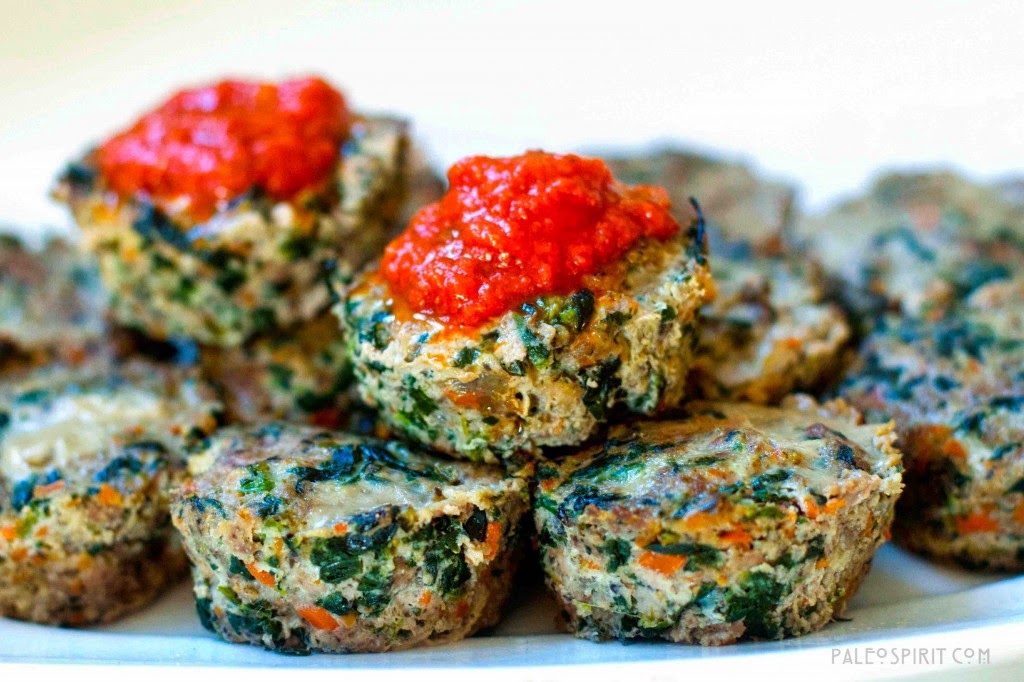
http://paleospirit.com/2013/paleo-mini-meatloaves/

Paleo Mini Meatloaves – Paleo Spirit

Gluten-Free Kangaroo Burgers – Economies of Kale (Can use ground beef! ;) )

Meatballs & Kebabs

Bacon Meatballs with Mango Honey Mustard Sauce – PaleOMG

BBQ Meatballs – Healing Cuisine by Elise

Butternut Squash Meatballs with Zucchini and Carrot – Cinnamon Eats

Hidden Liver Meatballs – Real Food RN

Sweet and Sour Paleo Meatballs – Gutsy By Nature

Meatballs – Food Your Body Will Thank You For

Sweet & Sour Meatballs – Homemade Dutch Apple Pie

Grain-Free Italian Meatballs – Primally Inspired

Baked Chili Meatballs – Recipes to Nourish

Chelo Kebabs – And Here We Are

Kebabs with Roasted Butternut Squash and Zucchini – Cinnamon Eats

Entrees

http://www.theorganickitchen.org/blog-tutorials/zucchini-noodles-with-cranberries-and-walnuts/ 

Zucchini Noodles with Cranberries and Walnuts – The Organic Kitchen

Meatballs with Zucchini and Carrot “Pasta” – Cinnamon Eats

Easiest Crock Pot Taco Meat Ever – Delicious Obsessions

Shepherd’s Pie – Healing Cuisine by Elise

Twice-Baked Cheeseburger Spaghetti Squash – Popular Paleo

Potato-Free Shepherd’s Pie – It Takes Time

Healthy Butternut Squash Shepherd’s Pie – Primally Inspired

Ground Beef Cabbage Wraps – Fearless Eating

Sloppy “Rose” Lettuce Wraps – Recipes to Nourish

Creamy Plantain and Squash Ground Beef Mash – The Healthy Foodie

Paleo Ground Beef Stir-Fry with Wilted Napa Cabbage – Popular Paleo

Homemade Hamburger Helper – Healing Cuisine by Elise

Stuffed Winter Squash – Gutsy By Nature

Italian Spiced Beef Kefta with Avocado Cream Sauce – A Happy Healthnut

Paleo Cabbage Rolls (Galumpkis) – Sweet Potatoes and Social Change

Crock Pot Stuffed Peppers – Homemade Dutch Apple Pie

Furious Furikake Chilli Beef Hash – The Paleo Network

http://www.primalpalate.com/paleo-recipe/zucchini-lasagna/


Zucchini Lasagna – Primal Palate

Spiced Beef Kofte with a Pomegranate Glaze – The Paleo Network

Seriously Delicious Spaghetti Sauce – Holistic Health Herbalist (You can use zoodles (made with this) or spaghetti squash for the noodles)

Grass Fed Meat and Vegetable Muffins – Cinnamon Eats

Grass Fed Persian Spiced Beef and Roasted Butternut Squash – Cinnamon Eats

Spaghetti Squash Frittata Meatza – Real Food RN (you can sub the ground pork for ground beef)

Grain-Free Mexican Flatbread – A Happy Healthnut

Soups & Salads

Bacon and BBQ Burger Salad – Primally Inspired

Black Bean and Kangaroo Chili – Can use ground beef! :)

Grilled Hamburger Salad – Healing Cuisine by Elise

Vegetable Beef Soup – Raising Generation Nourished

Beef & Cabbage Soup – Raia’s Recipes

Love Your Body Chili – Food Your Body Will Thank You For

Slow Cooker Sweet Potato Chili – Farm Fresh Eats (Can omit the corn)

Spicy Paleo Slow Cooker Chili – Oh Snap Let’s Eat

Taco Salad with Cilantro-Mint Guacamole Sauce – Recipes to Nourish

Wednesday, October 2, 2013

Superlettuce!

Extreme weather calls for extreme crops.

It’s hot. By 9 a.m., a dusty desert film radiates hazy stillness over thirsty fields of produce. The air is dry as static, and temperatures are well on their way to a blistering peak of 103 degrees in the desert town of El Centro, California, 13 miles from the Mexican border. But Beiquan Mou, a research geneticist with the U.S Department of Agriculture, is buoyant, because his acre-wide field of green and purple lettuce is thriving in these oven-like conditions.

Lettuce is a delicate mistress; it must be coddled and kept below 85 degrees or it will struggle — bad news for America’s salads, as scientists claim climate change is poised to turn central California, home to the nation’s “salad bowl,” into a dust bowl by the end of the century. Most of the year, 60 percent of all the lettuce Americans consume grows in the Salinas Valley, 500 miles from here, cooled by the Pacific breeze. Temperatures there hover at an average of 68 degrees. In El Centro, highs of 106 are not unusual. And that is why Mou is here. Someday, much of America’s prime agricultural land will be subject to the same weather conditions that conspired to make 2012 the hottest year on record in the continental U.S. Over the course of this century, North America will see longer periods of extreme heat. Farmers could see annual losses of $5 billion or more.

Meet the Superlettuce

Mou, tall and serious in a round straw hat, armed with clipboard and pen, is picking thick, green heads of iceberg and juicy-looking romaine in leaf-wilting heat. “The Margarita looks good,” he says, touching a tender butterhead cultivar, blooming in the cracked roseate sand.

Since 2010, Mou has been on an epic quest for the world’s most heat-tolerant lettuces. Backed by a three-year federal grant, part of a $38 million effort to cope with climate change, he has growtested more than 3,500 varieties of lettuce and spinach in a heat chamber laboratory, exposing them to scorching temperatures and recording the results. The goal: Identify the hardiest species, and isolate their survival genes.

Someday, hopefully, the winners of this gladiatorial death match will wind up on salad plates. The lettuce of the future may look and taste the same, but thanks to the research Mou has begun, its DNA will contain a heat-resistant gene to help farmers cultivate it pretty much anywhere — even the desert.

By late May, Mou’s 84 finalists — 28 icebergs, 28 romaines and 28 butterheads — are ready to be picked and analyzed. They even have superhero names like Gladiator, Jericho, Sniper and Invader. Crouching in pristine, button-down ensembles, Mou and his assistant pile lettuce heads into containers and carry them back to their shade tent. They weigh them, test their firmness, split them open and measure their cores, taking note of tip burn and leaf stress.

Many of Mou’s plants have grown into mutant parodies of supermarket lettuce. Some green-leaf varieties are more than a foot wide with heads bigger than wedding bouquets. Others have cooked in the sun so long they look like burnt marshmallows.

The weirdest-looking lettuces have shot their stems 2รณ feet into the air, growing leaves in the shape of Christmas trees. Called “bolting,” this is a survival tactic in which lettuce under heat stress tries to flower quickly in an attempt to reproduce.

But Mou’s lettuce has to do more than look good. He bites into a tasty-looking iceberg cultivar called Glacier and makes a face. It is piercingly bitter. “In the Salinas Valley, that one tastes just fine,” he says, shaking his head. He uses his knife to slit open a neighboring iceberg. He nods in approval. It’s sweet. It will take trial and error to produce a lettuce that is both hardy and tasty.

Global warming will dictate the world’s salad bar selection in the not-so-distant future, and Mou isn’t the only one rushing to condition our unprepared produce.

One of the USDA’s top objectives in coming years is to identify crop varieties with the most resilient all-weather genes. In addition to Mou’s work, USDA plant physiologists in North Carolina are looking for soybean cultivars that can tolerate elevated ozone and carbon dioxide levels. In Wisconsin, scientists are adapting cranberries to unexpected frost snaps — another regional effect of climate change. In Maryland, researchers are studying crops that deliver better yields with higher levels of carbon dioxide.

Mou won’t have results until 2014. But finding the world’s first superlettuce is only half the challenge. It will take time — and money — to find a way to crossbreed the lettuce genotypes with other existing strains. Charles Walthall, acting deputy administrator of the USDA’s Natural Resources and Sustainable Agriculture Systems program, says industry leaders like Monsanto are already focused on similar research. Syngenta, for example, has taken an interest in Mou’s study, and sent representatives to one of his lettuce fields.

If all goes well, our lettuce may be more primed than we are to survive the hot, dry times ahead.

“You think this is hot?” laughs Mou, sweating.

“Maybe every day in the future will be this hot.”

[via: Modern Farmer | Image credit: Julia Scott]