Showing posts with label coconut. Show all posts

Tuesday, May 5, 2015

11 Healthiest Cooking Oils

Olive oil isn't your only option. From coconut to sesame, learn how to take advantage of the flavor, nutrition, and cooking profiles of the many healthy oils available at your natural foods store.

Confused by all the processing methods and terms? Here's your cheat sheet:
  • Expeller-pressed: Oil is mechanically extracted by squeezing nuts, seeds, fruits, legumes, or grains under very high pressure, without using solvents.
  • Cold-pressed: Oil is expeller-pressed, but friction is reduced so the temperature is kept below 120 degrees during processing.
  • Refined: Tiny particles may remain in extracted oils; to make refined oils, particles are filtered out. Refined oils may also be bleached and deodorized to create a neutral flavor and color.
  • Unrefined: Tiny particles remain in the oil, enhancing flavor, aroma, and nutritional value. Because particulate matter lowers an oil’s smoke point, unrefined oils should only be used unheated or for very low-heat applications.
  • Heat extraction: Pressed oils may also be heated during the extraction process to break down the material and allow greater quantities of oil to be extracted.
  • Chemical extraction: Solvents like hexane are used to break down plant walls and allow oils to be more easily extracted.

Almond Oil

Made by expeller pressing the oil in ground almonds; available refined and unrefined.

Benefits: Increases healthy HDL cholesterol while lowering harmful LDL, supports immune function and liver health, alleviates irritable bowel syndrome, and may reduce colon cancer risk.

Smoke point: 420 degrees

Flavor: Light, clean, and mildly sweet; unrefined has a nutty, toasty flavor with buttery undertones.

Uses: Refined‘s high smoke point makes it best for stir-frying, roasting, grilling, and other high-heat applications. Use unrefined for salad dressings, in dips, and to drizzle on cooked dishes.

Price: $8 to $10 for 16 ounces

Fats breakdown: 70% mono, 17% poly, 8% sat


Avocado Oil

Made by grinding and then expeller pressing avocado flesh; available refined and unrefined.

Benefits: Decreases inflammation and improves cholesterol balance; may increase absorption of antioxidant carotenoids.

Smoke point: 520 degrees

Flavor: Rich, clean taste and lush mouthfeel. Unrefined is emerald green, with a buttery flavor and grassy undertones. Refined has a mild, neutral flavor with the slightest hint of avocado taste.

Uses: Refined is best for high-heat grilling, frying, or roasting. Use unrefined for salad dressing, in pesto, or as a dip for bread. Refrigerate.

Price: $10 to $12 for 8 ounces

Fats breakdown: 71% mono, 14% poly, 12% sat


Canola Oil

Made from rapeseed, a mustard-family plant; usually chemically extracted using solvents, but also expeller-pressed. To avoid GMOs, buy organic; 80 percent of canola is genetically modified.

Benefits: Lowers total and LDL cholesterol and triglycerides; improves insulin sensitivity.

Smoke point: 400 degrees

Flavor: Extremely neutral but provides a dense mouthfeel; pale color.

Uses: Good for high-heat roasting, broiling, baking, and stir-frying, or as a blank canvas for creating mayonnaise or salad dressings.

Price: $8 to $10 for 1 liter

Fats breakdown: 63% mono, 28% poly, 7% sat


Coconut Oil

White and solid at room temperature; clear and liquid when warmed. Virgin coconut oil is expeller-pressed; also available refined.

Benefits: Antibacterial, antifungal, and antiviral; may reduce total and LDL cholesterol while raising HDL cholesterol.

Smoke point: 350 degrees (unrefined); 400 degrees (refined)

Flavor: Unrefined has a creamy, oily texture, caramel-buttery flavor, and rich scent and taste. Refined is more neutral.

Uses: Refined works great for sautéing, stir-frying, roasting, and grilling. Use unrefined in baked goods, Asian-inspired dishes, or as a spread.

Price: $7 to $14 for 16 ounces

Fats breakdown: 6% mono, 2% poly, 87% sat


Flaxseed Oil

Made by pressing crushed brown flaxseeds, a process that removes healthy lignans. Some brands add lignans back to make "high-lignan" flaxseed oil.

Benefits: High in alpha-linolenic acid (ALA); may reduce risk of diabetes, cancer, arthritis, osteoporosis, and autoimmune and neurological disorders.

Smoke point: Do not heat

Flavor: Warm and nutty with bitter undertones and an aggressive, but not unpleasant, aroma.

Uses: Drizzle on oatmeal or cooked vegetables, use in salad dressings, and toss with quinoa or other grains. Refrigerate.

Price: $8 to $9 for 16 ounces

Fats breakdown: 19% mono, 68% poly, 9% sat


Grape Seed Oil

Extracted from grape seeds (generally from wine grapes), typically via chemical solvents; to avoid solvents, choose expeller-pressed.

Benefits: High in vitamin E; however, contains high levels of omega-6s and polycyclic aromatic hydrocarbons (PAHs), a result of the extraction process.

Smoke point: Do not heat.

Flavor: Neutral in flavor and aroma, with a rich, heavy texture.

Uses: Good for moisture-rich baking, dressings, and mayonnaise, where a neutral flavor is needed.

Price: $8 to $12 for 16 ounces

Fats breakdown: 17% mono, 71% poly, 12% sat


Hemp Oil

Made by cold-pressing Cannabis sativa seeds (part of the marijuana family but with no THC, the psychoactive component).

Benefits: Contains chlorophyll and toco-pherols, antioxidants that support immune function and protect the heart.

Smoke point: Do not heat.

Flavor: Earthy, grassy flavor with mushroom undertones; deep green color.

Uses: Use in dips, dressings, and pesto, or drizzle on steamed kale or sweet potatoes. Refrigerate.

Price: $12 to $16 for 16 ounces

Fats breakdown: 14% mono, 77% poly, 6% sat


Olive Oil

Extra-virgin is cold-pressed from the first olive pressing; "virgin" or "pure" is heat-extracted. Organic or California Olive Oil Council (COOC) labels signal no adulteration with cheap oils.

Benefits: Increases heart-protective HDL cholesterol; polyphenol antioxidants promote bone growth and reduce cancer risk; rich in vitamin K.

Smoke point: 420 degrees

Flavor: Extra-virgin, from the first pressing, has leafy, herbal, peppery under-tones. All varieties offer robust flavor, rich texture, and a green-gold hue.

Uses: Grilling, baking, and sautéing. Drizzle extra-virgin on tomatoes and steamed greens. Use any kind in salad dressings.

Price: $9 to $15 for 1 liter (pure); $12 to $20 for 1 liter (extra-virgin)

Fats breakdown: 73% mono, 11% poly, 14% sat


Rice Bran Oil

Extracted from the germ and inner husk of rice grains; most kinds are chemically extracted. Look for cold-pressed varieties, which are not heated during extraction.

Benefits: Contains vitamin E tocotrienols that lower LDL cholesterol, stem inflammation, and reduce cancer risk; rich in vitamin K.

Smoke point: 490 degrees

Flavor: Light and clean, with a fresh, neutral flavor and delicate aroma.

Uses: High-heat stir-frying, grilling, roasting or sautéing, or in dressings or mayonnaise when a neutral flavor is desired.

Price: $7 to $9 for 16 ounces

Fats breakdown: 39% mono, 35% poly, 20% sat


Sesame Oil

Made by expeller-pressing or chemically extracting oil from sesame seeds; available refined or unrefined. Seeds roasted before pressing yield fragrant, toasted sesame oil.

Benefits: Rich in anti-oxidants and abundant in lignans and phenols, which may ease diabetes symptoms.

Smoke point: 410 degrees

Flavor: Light and nutty; toasted sesame oil is dark brown, with a distinctive roasted scent.

Uses: Ideal for broiling and high-temperature stir-frying. Unrefined works well for light sautées, tossed with grains, or in salad dressings. Lightly drizzle toasted oil over finished dishes.

Price: $8 to $10 for 16 ounces

Fats breakdown: 40% mono, 42% poly, 14% sat

Walnut Oil

Made from dried and expeller-pressed walnuts; available refined and unrefined.

Benefits: Contains omega-3 fats that protect against prostate cancer and diabetes, reduce inflammation, promote heart health, and stave off bone loss.

Smoke point: 400 degrees

Flavor: Bold and pleasantly heavy, with a decadent nut flavor and earthy notes.

Uses: Refined is good for moderate-heat sautéeing and baking. Use unrefined as a finishing oil: Toss with cooked beets, add to salad dressings, and drizzle over cream soups. Refrigerate.

Price: $10 to $14 for 8 ounces

Fats breakdown: 23% mono, 63% poly, 9% sat

Tuesday, March 17, 2015

7 Natural and Healthy Foods To Boost Your Mood

We did a little research and compared recent studies in order to build the ultimate list of healthy foods, which can help in our constant fight against stress, anxiety and depression. Feel free to browse through the pages and see which healthy foods to eat in order to feel happier.

Dark Chocolate

It's no surprise that chocolate is first on our list, but it's good to know that there is a little science behind the theory that eating chocolate makes us happy. Consuming dark chocolate every day for two weeks (1.4 ounces of it) will reduce the stress hormones, cortisol included. According to the experts we have to thank the antioxidants in chocolate. Just stick to those 1.4 ounces or you may find yourself in a world of stress when you see some extra pounds in the mirror.


Carbs

Many believe that carbs make you fat. Well they don't, in fact they can be a great mood buster. According to a recent study in the Archives of Internal Medicine, people who followed a very-low-carbohydrate diet – felt victims to depression, anger, bad mood and anxiety than those who followed a low-fat, high-carb diet, focused on low-fat dairy, whole grains, beans and fruits.

Carbs stimulate the production of serotonin – a feel-good brain chemical.


Fruits and Vegetables

In order to eat healthy we must turn our attention to foods that have been processed or refined as little as possible. We stumbled upon a recent study in the British Journal of Psychiatry, that evolved around 3.500 people eating a whole foods diet rich program. The results have show that they were less likely to feel depressed than those who ate fried foods, processed meats and other high fat refined dairy products.

Antioxidants found in fruits and vegetables as well as omega -3 fatty acids are always associated with good mood. Folate (a Vitamin B) found in dark green vegetables like spinach or in beans and citrus affects the neurotransmitters that are in charge of our mood.

Fish

Omega 3 is a key mood-boosting nutrient found in oily, fatty fish like salmon, tuna, sardines and rainbow trout. They alter the brain chemicals (dopamine and serotonin) which are directly linked with our mood. Dopamine is a rewarding chemical released by the brain as a reaction to pleasurable experiences, while the lack of serotonin is associated with aggression, depression and suicidal tendencies.

Saffron

There are many evidences from earlier studies that support the claim that saffron helps decline mood swings and depression. In fact this plant has the same antidepressant effect as the antidepressants fluoxetine (Prozac) and imipramine (Tofranil). It works by the same principal as Prozac, transmitting more feel good serotonin to the brain.

Coconut

Did you know that only the scent of coconut may blunt your natural response to “flight or fight” by slowing the heart rate? A small pilot research done by the Colombia University has shown that coconut fragrance recovers the blood pressure more quickly. Inhaling a pleasant scent may enhance awareness by relieving the reaction to stress.

Tea

According to The Journal of Nutrition, drinking green, caffeinated or oolong tea may evoke a more active state of mind. When we drink these types of tea – an amino acid called theanine is working synergistically with caffeine to improve awareness and focus. The same study suggest drinking at least 5 to 6 cups of tea daily.


Tuesday, February 3, 2015

29 Amazing Vegan Ice Cream Recipes


Yes, you can make amazing ice cream without a cow in sight. There are lots of different ingredients to experiment with (coconut milk, frozen bananas, avocado, soy or almond milk), and you can do it with or without an ice cream maker (frozen bananas are your new best friend if you don’t have one). Here are a few basic tips to keep in mind:
  • Fat helps you get the right creamy texture. That’s what makes coconut milk such a perfect substitute for whole milk and cream. Give it a shot, even if you think you don’t love coconut; the flavor is pretty subtle, especially if you mix it with fruit, chocolate, etc.
  • Thickeners like corn starch and arrowroot (like in this basic coconut ice cream recipe) can also help make a creamier texture.
  • Make sure any sweetener you add is in syrup/liquid form, or it’ll cause crystals to form.
  • Make sure all your ingredients are as cold as they can be pre-freezing/blending. That’ll help everything combine without starting to melt too much, which can make for a grainy final product.

Coconut-based Ice Creams

1. Fig, Coconut and Blackberry Ice Cream


The flavors are pretty fruity and complex, not at all like a standard sugar and cream recipe. Make sure to use ripe figs (preferably mission figs), they taste sweeter. Find the recipe here.

2. Vegan Coconut Ice Cream


For those of you who love coconut milk, this ice cream will be right up your alley.  If you’re familiar with Hawaiian and/or tropical desserts, it’ll probably remind you of haupia.  This recipe uses the same basic ingredients– coconut milk, cornstarch and sugar– but instead of turning the ingredients into gelatin-like squares, you end up with a dazzling white frozen dessert. 

3. Salted Caramel Pretzel Ice Cream


Smooth vanilla ice cream with ribbons of salted caramel and lots of chunky chocolate-covered pretzels. You'll never eat pretzels from a bag again! Try out the recipe here.

4. Vegan Rhubarb Ice Cream


An ice cream meant for those who enjoy the tartness of rhubarb.  The perfect treat during those hot, sticky summer days. Recipe here.

5. Coffee Coconut Milk Ice Cream with Hot Fudge


This recipe is incredibly simple and yields great results. The coconut milk churned just like regular ice cream, and once frozen became the farthest thing from your typical vegan dessert. A key thing to note is that the ice cream doesn’t have a strong coconut flavor, like you would think. So if you’re not a coconut lover,  you’ll still like it - especially if you add the coffee.

6. Avocado-Coconut Ice Cream


This recipe is a bit unusual, but that’s what makes it so appealing. It’s also creamy and smooth without being heavy. And though you feel slightly virtuous as you eat it, it still tastes like a treat. But most importantly, it’s cool and refreshing, which is just what you want during those hot days.

7. Vegan Chocolate Coconut Ice Cream


This delicious recipe is rich and creamy and sweet just like regular ice cream. And the cinnamon sugar and actual toast flecks gave it a whole new flavor dimension.

8. Vegan Cinnamon Toast Ice Cream


A creamy texture that is much better than any cow’s milk product I have ever made. You’ve seen a can of full fat coconut milk, and that creamy layer on the top, it’s beautiful. And it’s incredible in ice cream, with a smooth and rich flavor that's similar to gelato in Italy. You will love this recipe and everyone will be shocked that it’s vegan.

9. Vegan Black Sesame and Ginger Ice Creams


Intrigued by the deep asphalt grey color of black sesame, which is so uncharacteristic to ice cream or any dessert for that matter. Deviant ice cream. Paired with some ginger ice cream to go with the grey batch. Ginger is another one of those warming, earthy flavors, which combines wonderfully with the sesame. The pairing of the two is very comforting, almost soothing to have after a long day or to end a peaceful dinner. Find the recipe here.

10. Vegan Butter Pecan Ice Cream


You’ll need to buy (or make) a vegan butter substitute to get the ideal buttery flavor in this recipe.

11. Vegan Mango Coconut Ice Cream


Start with a can of coconut milk for a rich and creamy base. Simply combine the coconut milk with some almond milk and blend in ripe fruit and organic sugar. Chill the mixture then freeze in an ice cream maker. Scoop and enjoy. Recipe here.

12. Vegan Peanut Butter Chunk and Chocolate Crunch Ice Cream


Using coconut milk makes this recipe dairy free + vegan and incredibly simple to make.

13. Vegan Pumpkin Spice Ice Cream


If your children like pumpkin pie, they are going to love this pumpkin ice cream. Recipe here.

14. Vegan Chocolate Chunk Ice Cream


So yummy and refreshing, this vegan chocolate chunk ice cream recipe is sure to be a delight!

Banana-based Ice Cream

15. Vegan Maple Pecan Ice Cream


Bananas are inexpensive and when fully ripe are as sweet as can be. And they can be dressed up many ways, like this ice cream. Recipe here.

16. Banana Cherry Garcia Soft Serve


Cherries + dark chocolate is always a winning pair! Frozen bananas make magical ice cream with just a blender. Recipe here.

17. Lavender Banana-Coconut Ice Cream


A relaxing and delicious blend of lavender, coconut, and banana.  And, you don’t even need an ice cream maker to enjoy this decadent and sweet recipe.

18. Vegan Cake Batter Ice Cream


This fun recipe is just like soft serve ice cream, but it’s healthy, vegan and incredibly easy to whip up. Now you can have your cake and eat ice cream, too.

19. Vegan Chunky Monkey Ice Cream


This recipe is delicious and super healthy, much better than the store bought version any day

20. Vegan Strawberry-Banana Ice Cream


Are you ready to indulge and be blown away by this easy and decadent raw recipe? It’s 100% raw, vegan, gluten-free, sweetener free and delicious :)

21. Vegan Mango-Banana Ice Cream


A no fuss fruity, creamy, and even healthy — frozen mango and bananas are all you need in this recipe.

22. Salted Banana Peanut Butter Ice Cream with Chocolate Caramel Sauce


This recipe is easy and insanely delicious! If those that isn't enough, it’s also dairy free, gluten free and has no refined sugar. plus you don’t need a fancy ice cream maker. Follow the recipe along here.

Nut-based and Other Ice Creams

23. Vegan Peach-Almond Ice Cream


This recipe involves making your own almond milk as part of the process (don’t worry, it’s not hard).

24. Vegan Salted Caramel Ice Cream


This ice cream is made with silken tofu for added oomph. Recipe here.

25. Chocolate Sorbet


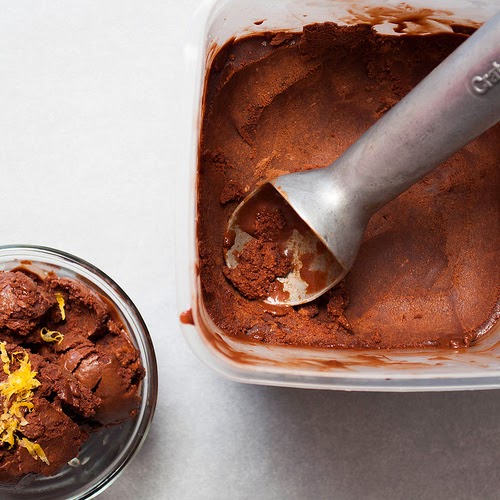
This is the good stuff. It’s essentially a mix of hot chocolate and actual chocolate, melted together and frozen into someone scoopable. This recipe is for people who wish chocolate ice cream tasted more like chocolate.

26. Chocolate Soy Ice Cream


This deliciously diet-friendly chocolate soy ice cream recipe is easy to fit into a sensible diet, plus it’s a great source of protein, fiber, iron and calcium. It’s easy and cheap to make, too, and if you don’t have an ice cream maker yet, it’s a great reason to get one.

27. Raw Mint Chocolate Chip Ice Cream


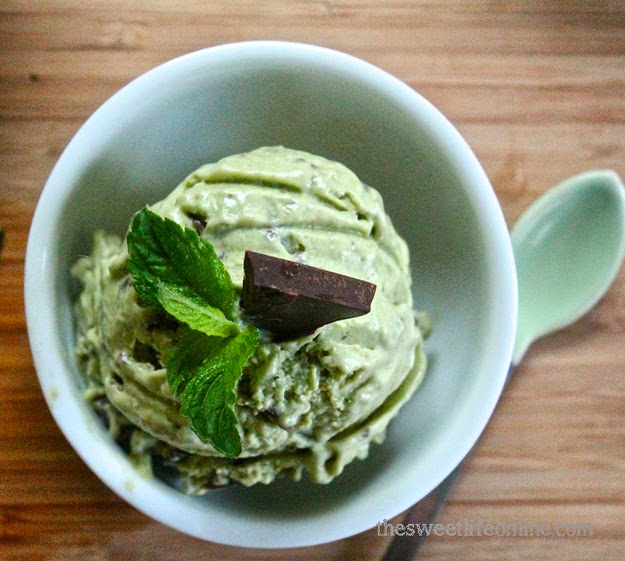
Cashews and almond milk give this ice cream recipe a great creamy texture with zero custard-cooking required.

28. Vegan Blueberry Crumble Ice Cream


This recipe takes blueberry ice cream to all new heights. Almond and coconut milk team up in this base.

29. Vegan Chocolate-Avocado Soft Serve


You can make this in a blender or food processor; just make sure to chill the coconut milk and avocados ahead of time. Recipe here.
[via BuzzFeed]

Wednesday, November 20, 2013

Countless Uses for Coconut Oil – The Simple, the Strange, and the Downright Odd

Coconut oil has been a dietary and beauty staple for millennia. It’s a powerful destroyer of all kinds of microbes, from viruses to bacteria to protozoa, many of which can be harmful, and provides your body with high-quality fat that is critical for optimal health.

Around 50 percent of the fat in coconut oil is lauric acid, which is rarely found in nature. In fact, coconut oil contains the most lauric acid of any substance on Earth.

Your body converts lauric acid into monolaurin, a monoglyceride that can actually destroy lipid-coated viruses such as HIV and herpes, influenza, measles, gram-negative bacteria, and protozoa such as giardia lamblia.

This is undoubtedly part of what makes it so medicinally useful—both when taken internally and applied externally.

Coconut oil is comprised of medium chain fatty acids (MCFAs) that are easily digested and readily cross cell membranes. MCFAs are immediately converted by your liver into energy rather than being stored as fat. This is in part why I recommend coconut oil as an ideal replacement for non-vegetable carbohydrates.

Coconut oil is easy on your digestive system and does not produce an insulin spike in your bloodstream, so for a quick energy boost, you could simply eat a spoonful of coconut oil, or add it to your food. In the video above, I also share my recipe for a scrumptious yet healthful chocolate treat, courtesy of the healthy fat from coconut oil.

To get more coconut oil into your diet, you can add it to your tea or coffee, in lieu of a sweetener. It will also help improve absorption of fat-soluble vitamins, so taking a spoonful of coconut oil along with your daily vitamins may help boost their effectiveness.

Coconut oil is ideal for all sorts of cooking and baking, as it can withstand higher temperatures without being damaged like many other oils (olive oil, for example, should not be used for cooking for this reason).

Furthermore, coconut oil does not go rancid, which is a huge boon when you’re making homemade concoctions. Coconut oil that has been kept at room temperature for a year has been tested for rancidity, and showed no evidence of it. Since you would expect the small percentage of unsaturated oils naturally contained in coconut oil to become rancid, it seems that the other (saturated) oils have a powerful antioxidant effect.

General Health Benefits of Coconut Oil

In all, coconut oil offers a truly impressive array of health benefits when included in your daily diet. In addition to its antimicrobial properties, coconut oil is beneficial for:
  • Promoting heart health
  • Supporting proper thyroid function
  • Promoting healthy brain function
  • Strengthening your immune system
  • Providing an excellent “fuel” for your body and supporting a strong metabolism that can aid in weight loss
  • Maintaining healthy and youthful looking skin
While coconut oil is an ideal food for fostering health and beauty from the inside out, it also has a staggering number of other uses, from topical beauty applications to first aid treatments, to general household cleaning. Once you’re done reading through this article, you’ll probably be inspired to stock up for all eventualities!

Coconut Oil Can Replace Dozens of Beauty and Personal Care Products

One of the best personal care products you’ll ever find may be sitting in your kitchen cupboard right now. These videos, featuring HolisticHabits3 blogger and coconut oil aficionado Sarah, recounts many of its beauty uses and also includes a recipe making your own coconut oil-based deodorant. A previous article by Delicious Obsessions also lists no less than 122 creative uses for this household staple, including 21 DIY coconut oil skin care recipes. For example, coconut oil can be used to replace the following personal care and beauty products.
  • Makeup remover: Swipe on with a moist cotton ball. Wipe off with clean cotton ball or wet washcloth.
  • Facial cleanser: Massage a dollop of coconut oil onto face and neck. Wash off with wet washcloth and pat dry.
  • Body scrub: Mix equal parts coconut oil with organic cane sugar in a glass jar. Use the scrub on dry skin prior to your shower or bath.
  • Facial scrub: Instead of sugar, mix coconut oil with baking soda, or oatmeal with a dash of cinnamon, for a gentle facial scrub.
  • Shaving lotion: Apply a thin layer of coconut oil on area to be shaved, and shave as usual. The lauric acid in the coconut oil will also serve as an antiseptic for cuts that result from shaving.
  • Face and body moisturizer: You can use it either by itself, or add your favorite essential oil. (Make sure you’re using a high quality essential oil that is safe for topical application). The featured article also suggests whipping the coconut oil with an electric mixer to produce a fluffy moisturizer that stays soft and spreadable even in cooler temperatures. When applied topically, coconut oil helps to reduce the appearance of fine lines and wrinkles by helping to keep your connective tissues strong and supple, and aids in exfoliating the outer layer of dead skin cells, making your skin smoother.
  • Eye cream: Apply a thin layer of coconut oil around your eyes to soften wrinkles and counteract thinning, sagging skin.
  • Cuticle cream: Simply rub a small amount of coconut oil around your cuticles to soften dry areas.
  • Deodorant: Applying a small amount of coconut oil directly onto your armpits can help keep odors at bay, courtesy of the oil’s antibacterial properties. If you prefer, you can add a small amount of baking soda, or make a homemade deodorant using coconut oil, baking soda and arrow root powder. For directions, click here. DeliciousObsessions.com also lists additional deodorant recipes using coconut oil as the base.
  • Bath soak: Adding coconut oil to your bath can help moisturize dry itchy skin (Make sure to scrub your tub afterward to prevent slipping!). Make sure the water is warmer than 76 degrees Fahrenheit though, otherwise the oil will turn to a solid.
  • Soap: Coconut oil is one of the base ingredients in many homemade soap recipes, such as this one by NourishingJoy.com
  • Lip balm: You can either apply a small amount of coconut oil, as is, or make your own lip balm using coconut oil as one of the base ingredients. You can find all sorts of recipes online, but here’s one by The Liberated Kitchen.
  • Toothpaste: Mixed with baking soda, coconut oil can replace your regular toothpaste. The baking soda will gently cleanse while the coconut oil’s antibacterial action may help keep harmful bacteria in check. For recipes using essential oils to spruce up your toothpaste, see DeliciousObsessions.com.
  • Insect repellent: Mixing coconut oil with high-quality essential oils may help keep biting insects at bay when applied to exposed skin. Effective choices include: peppermint, lemon balm, rosemary, tea tree oil, neem, citronella (Java Citronella), geraniol, catnip oil (according to one study,11 catnip oil is 10 times more effective than DEET), and/or clear vanilla extract 

Hair’s Best Friend

Coconut oil is also known for its hair benefits. Most women seem to prefer using it as a pre-shampoo conditioner. Simply massage the coconut oil onto dry hair and leave on for about an hour or longer. You could even leave it on overnight. Just wear a shower cap to protect your pillow. Then, wash and style as usual.

When applied in this manner, the coconut oil inhibits the penetration of water into the hair strands, which would otherwise cause the cuticle, or surface of the hair shaft, to rise, making it prone to damage and breakage. Furthermore, when applied as a pre-wash treatment, a small amount of the coconut oil is able to penetrate deeper into the hair shaft during the wash, when the hair fiber swells slightly.

This can also explain why so many rave about the oil’s ability to prevent “the frizzies” in humid weather—this is another feature of its hydrophobic activity. More porous types of hair may find coconut oil particularly beneficial, such as African and chemically treated hair, as well as those suffering with any type of scalp problems, including dandruff.

Oral Health Benefits

Coconut oil mixed with baking soda makes for very simple and inexpensive, yet effective, toothpaste. It’s also a great alternative if you want a fluoride-free toothpaste but don’t want to spend the extra money, since they tend to cost more than most regular, fluoridated toothpaste brands.

Another oral health technique where I believe coconut oil can be quite beneficial is oil pulling. This technique has significantly reduced my plaque buildup, allowing me to go longer between visits to the dental hygienist. (Adding fermented vegetables to my diet has been another game-changer in my oral health.)

Oil pulling is a practice dating back thousands of years, having originated with Ayurvedic medicine. When oil pulling is combined with the antimicrobial power of coconut oil, I believe it can be a very powerful health tool. Sesame oil is traditionally recommended, but it has relatively high concentration of omega-6 oils. Therefore, I believe coconut oil is far superior, and, in my mind, it tastes better. But from a mechanical and biophysical perspective, it is likely that both work.

Oil pulling involves rinsing your mouth with the oil, much like you would with a mouthwash. The oil is “worked” around your mouth by pushing, pulling, and drawing it through your teeth for a period of 15 minutes. If you are obsessive like me and want even better results, you can go for 30-45 minutes. This process allows the oil to “pull out” bacteria, viruses, fungi and other debris. The best time is in the morning before eating breakfast, but it can be done at any time. I try to do it twice a day if my schedule allows. When done, spit out the oil and rinse your mouth with water. Avoid swallowing the oil as it will be loaded with bacteria and whatever potential toxins and debris it has pulled out.

When done correctly, oil pulling has a significant cleansing, detoxifying and healing affect, not only for your mouth and sinuses but for the rest of your body as well. Candida and Streptococcus are common residents in your mouth, and these germs and their toxic waste products can contribute to plaque accumulation and tooth decay, in addition to secondary infections and chronic inflammation throughout your body. Oil pulling may help lessen the overall toxic burden on your immune system by preventing the spread of these organisms from your mouth to the rest of your body, by way of your bloodstream.

Coconut Oil to the Rescue

Besides its usefulness in the kitchen and bathroom, coconut oil deserves a place in your medicine cabinet as well—again courtesy of its antimicrobial and anti-viral activity. For example, coconut oil may be helpful in the treatment of:
  • Ear infections: Place a couple of drops into each ear canal. If the coconut oil has solidified, you can easily liquefy it by placing a small amount in a shot glass or other small container and placing it into a cup of hot water
  • Fungal and/or yeast infections, such as athlete’s foot and ringworm. For fungal infections, you can mix in a small amount of oregano oil or tea tree oil
  • Cold sores: mix in a small amount of oregano oil, and apply at the first signs
  • Thrush
  • Vaginal Dryness
  • Skin rashes and irritations, including chicken pox and shingles: Simply apply a small amount to the affected area
  • Bug bites and bee stings
  • Frequent nosebleeds may be improved by regularly applying a small amount to the inside of your nostrils
  • Hemorrhoids and piles: You may add a small amount of lavender essential oil for added healing power
  • Perineal massage: Expectant mothers can use it to massage the perineum daily, starting about a month or so before your due date, to help reduce your chances of tearing and/or the need for an episiotomy

Coconut Oil—More Effective Than Permethrin for Head Lice

According to research published in the European Journal of Pediatrics, 14 a combination of coconut oil and anise was found to be nearly twice as effective as the commonly prescribed permethrin lotion for the treatment of head lice. According to the authors:
“We designed a randomized, controlled, parallel group trial involving 100 participants with active head louse infestation to investigate the activity of a coconut and anise spray and to see whether permethrin lotion is still effective, using two applications of product 9 days apart. The spray was significantly more successful (41/50, 82.0%) cures compared with permethrin (21/50, 42.0%…). Per-protocol success was 83.3% and 44.7%, respectively. Thirty-three people reported irritant reactions following alcohol contact with excoriated skin. We concluded that, although permethrin lotion is still effective for some people, the coconut and anise spray can be a significantly more effective alternative treatment.” [Emphasis mine]
Isn’t it wonderful to see how nature provides us with so many effective solutions to so many of our ills? And does so in a way that is oftentimes more effective than our chemical drug concoctions! Another anecdotal Hawaiian head lice treatment is to first soak your hair in vinegar and leave it in to dry (don’t rinse). Next, coat your hair with coconut oil over night. I’d recommend sleeping with a shower cap to protect your bedding. The following day, the nits reportedly comb out easily.

14 Surprising Uses for Coconut Oil Around the House

Last but not least, coconut oil can be used for a number of household tasks otherwise relegated to more costly, and potentially toxic, alternatives. Following are 14 creative yet practical uses for this fantastic oil:
  1. Clean, condition and sanitize your wooden cutting board. Use whenever the wood starts to look dry.
  2. Use when making compost tea for your garden to reduce foam.
  3. Use as a metal polish. Make sure to test a small area first.
  4. Moisturize and soften leather goods as you would using other leather conditioners.
  5. Season your cast iron pots and pans using coconut oil in lieu of lard or corn oil.
  6. Lubricate squeaky hinges and sticky mechanisms with coconut oil instead of WD-40.
  7. Clean and condition wooden furniture in lieu of furniture polish. Make sure to test a small area first.
  8. Lubricate your guitar strings.
  9. Clean soap scum from your shower using a small dollop of coconut oil on a damp cloth. Spray the area with white vinegar and wipe dry with a lint-free cloth.
  10. Clean your hands and paint brushes with coconut oil after using oil-based paints, in lieu of mineral spirits.
  11. Clean and condition the inside of your car by adding a small amount to a soft lint-free cloth. Rub in and wipe off excess.
  12. Clean and sanitize your mouth guard by applying a thin layer of coconut oil. Leave the coconut oil on when not in use. Rinse before using.
  13. Cleanse and add a glossy finish to indoor plants by wiping the leaves with a small amount of coconut oil on a lint-free cloth.
  14. Remove chewing gum from virtually any area, including carpets and hair.