Showing posts with label alternative. Show all posts

Monday, March 2, 2015

10 Natural Tips To Beat Chronic Stress


"If you really knew what was happening to you when you are stressed, you would freak out. It's not pretty," I said during the 2013 Third Metric women's conference.

I wasn't exaggerating. Chronic stress has become epidemic in our society, where faster seems better and we pack more obligations into our ever-expanding schedules.

Research has confirmed the havoc stress can wreak, with one meta-analysis involving 300 studies finding that chronic stress could damage immunity. Another study found stressed-out women had significantly higher waist circumference compared to non-stressed women.

Experts have connected stress with blood sugar and belly fat. Chronic stress raises insulin, driving relentless metabolic dysfunction that becomes weight gain, insulin resistance and ultimately diabetes.

Insulin isn't the only hormone that becomes out of balance with stress. Your adrenal glands release hormones like adrenaline and cortisol that flood your system, raising your heart rate, increasing your blood pressure, making your blood more likely to clot, damaging your brain's memory center, increasing belly fat storage, and generally doing damage to your body.

Want to reduce stress? Start with your diet.

The right diet can do wonders to reduce stress's impact. When you eat whole, real foods, you restore balance to insulin, cortisol, and other hormones.

Eliminating mind-robbing molecules like caffeine, alcohol, and refined sugars and eating regularly can help you avoid the short-term stress of starvation on your body. You maintain an even-keeled mindset throughout the day, even when things get hectic.

You'll replace those foods with clean protein, healthy fats, leafy and cruciferous vegetables, berries and non-gluten grains. Food is information that controls your gene expression, hormones and metabolism. When you eat the right foods, you balance blood sugar, restore hormonal balance and reduce stress's damaging impact.

Reconsidering Stress

Stress is a thought, a perception of a threat, even if it isn't real. That's it. No more, no less. If that's true, then we have complete control over stress, because it's not something that happens to us but something that happens in us.

Here's where it become interesting. Stressors can be real or perceived. You might imagine your spouse is angry with you. Whether or not they are, you raise stress levels. Real or imagined, when you perceive something as stressful, it creates the same response in the body.

Fortunately, a wide variety of techniques and tools can help effectively manage stress. Among them, these 10 are most beneficial:

1. Address the underlying biological causes of stress.

Find the biological causes of problems with the mind including mercury toxicity, magnesium and vitamin B12 deficiencies, and gluten allergies. Changing your body can change your mind.

2. Begin actively relaxing.

Humans remain primed to always do something. Even when we're not working, our mind is on work. To engage the powerful forces of the mind on the body, you must do something relaxing. You can't just sit there watching television or drinking beer. Whether that means deep breathing or a simple leisurely walk, find active relaxation that works for you and do it.

3. Learn new skills.

Try learning new skills such as yoga, biofeedback, and progressive muscle relaxation or take a hot bath, make love, get a massage, watch a sunset, or walk in the woods or on the beach.

4. Make movement your drug.

Exercise is a powerful, well-studied way to burn off stress chemicals and heal the mind. Studies show exercise works better than or equal to pharmaceutical drugs for treating depression. Try interval training if you're short on time but want a powerful, intense workout.

5. Supplement.

Take a multivitamin and nutrients to help balance the stress response, such as vitamin C; the B-complex vitamins, including B6 and B5 or pantothenic acid; zinc; and most important, magnesium, the relaxation mineral.

6. Reframe your point of view.

Challenge your beliefs, attitudes, and responses to common situations and reframe your point of view to reduce stress.

7. Find a community.

Consciously build your network of friends, family and community. They're your most powerful allies in achieving long-term health.

8. Take care of your vagus nerve by using deep breaths.

Most of us hold our breath often or breathe swallow, anxious breaths. Deep, slow, full breaths have a profound affect on resetting the stress response, because the relaxation nerve (or vagus nerve) goes through your diaphragm and is activated with every deep breath. Take five deep breaths now. See how differently you feel?

9. Meditate.

No matter how much or little time you have to commit, find a practice that works for you.

10. Sleep.

Lack of sleep increases stress hormones. Get your eight hours no matter what. Take a nap if you missed sleep. Prioritize it, and if you feel like you're not getting high-quality shut-eye, find strategies to improve it.

Tuesday, February 3, 2015

29 Amazing Vegan Ice Cream Recipes


Yes, you can make amazing ice cream without a cow in sight. There are lots of different ingredients to experiment with (coconut milk, frozen bananas, avocado, soy or almond milk), and you can do it with or without an ice cream maker (frozen bananas are your new best friend if you don’t have one). Here are a few basic tips to keep in mind:
  • Fat helps you get the right creamy texture. That’s what makes coconut milk such a perfect substitute for whole milk and cream. Give it a shot, even if you think you don’t love coconut; the flavor is pretty subtle, especially if you mix it with fruit, chocolate, etc.
  • Thickeners like corn starch and arrowroot (like in this basic coconut ice cream recipe) can also help make a creamier texture.
  • Make sure any sweetener you add is in syrup/liquid form, or it’ll cause crystals to form.
  • Make sure all your ingredients are as cold as they can be pre-freezing/blending. That’ll help everything combine without starting to melt too much, which can make for a grainy final product.

Coconut-based Ice Creams

1. Fig, Coconut and Blackberry Ice Cream


The flavors are pretty fruity and complex, not at all like a standard sugar and cream recipe. Make sure to use ripe figs (preferably mission figs), they taste sweeter. Find the recipe here.

2. Vegan Coconut Ice Cream


For those of you who love coconut milk, this ice cream will be right up your alley.  If you’re familiar with Hawaiian and/or tropical desserts, it’ll probably remind you of haupia.  This recipe uses the same basic ingredients– coconut milk, cornstarch and sugar– but instead of turning the ingredients into gelatin-like squares, you end up with a dazzling white frozen dessert. 

3. Salted Caramel Pretzel Ice Cream


Smooth vanilla ice cream with ribbons of salted caramel and lots of chunky chocolate-covered pretzels. You'll never eat pretzels from a bag again! Try out the recipe here.

4. Vegan Rhubarb Ice Cream


An ice cream meant for those who enjoy the tartness of rhubarb.  The perfect treat during those hot, sticky summer days. Recipe here.

5. Coffee Coconut Milk Ice Cream with Hot Fudge


This recipe is incredibly simple and yields great results. The coconut milk churned just like regular ice cream, and once frozen became the farthest thing from your typical vegan dessert. A key thing to note is that the ice cream doesn’t have a strong coconut flavor, like you would think. So if you’re not a coconut lover,  you’ll still like it - especially if you add the coffee.

6. Avocado-Coconut Ice Cream


This recipe is a bit unusual, but that’s what makes it so appealing. It’s also creamy and smooth without being heavy. And though you feel slightly virtuous as you eat it, it still tastes like a treat. But most importantly, it’s cool and refreshing, which is just what you want during those hot days.

7. Vegan Chocolate Coconut Ice Cream


This delicious recipe is rich and creamy and sweet just like regular ice cream. And the cinnamon sugar and actual toast flecks gave it a whole new flavor dimension.

8. Vegan Cinnamon Toast Ice Cream


A creamy texture that is much better than any cow’s milk product I have ever made. You’ve seen a can of full fat coconut milk, and that creamy layer on the top, it’s beautiful. And it’s incredible in ice cream, with a smooth and rich flavor that's similar to gelato in Italy. You will love this recipe and everyone will be shocked that it’s vegan.

9. Vegan Black Sesame and Ginger Ice Creams


Intrigued by the deep asphalt grey color of black sesame, which is so uncharacteristic to ice cream or any dessert for that matter. Deviant ice cream. Paired with some ginger ice cream to go with the grey batch. Ginger is another one of those warming, earthy flavors, which combines wonderfully with the sesame. The pairing of the two is very comforting, almost soothing to have after a long day or to end a peaceful dinner. Find the recipe here.

10. Vegan Butter Pecan Ice Cream


You’ll need to buy (or make) a vegan butter substitute to get the ideal buttery flavor in this recipe.

11. Vegan Mango Coconut Ice Cream


Start with a can of coconut milk for a rich and creamy base. Simply combine the coconut milk with some almond milk and blend in ripe fruit and organic sugar. Chill the mixture then freeze in an ice cream maker. Scoop and enjoy. Recipe here.

12. Vegan Peanut Butter Chunk and Chocolate Crunch Ice Cream


Using coconut milk makes this recipe dairy free + vegan and incredibly simple to make.

13. Vegan Pumpkin Spice Ice Cream


If your children like pumpkin pie, they are going to love this pumpkin ice cream. Recipe here.

14. Vegan Chocolate Chunk Ice Cream


So yummy and refreshing, this vegan chocolate chunk ice cream recipe is sure to be a delight!

Banana-based Ice Cream

15. Vegan Maple Pecan Ice Cream


Bananas are inexpensive and when fully ripe are as sweet as can be. And they can be dressed up many ways, like this ice cream. Recipe here.

16. Banana Cherry Garcia Soft Serve


Cherries + dark chocolate is always a winning pair! Frozen bananas make magical ice cream with just a blender. Recipe here.

17. Lavender Banana-Coconut Ice Cream


A relaxing and delicious blend of lavender, coconut, and banana.  And, you don’t even need an ice cream maker to enjoy this decadent and sweet recipe.

18. Vegan Cake Batter Ice Cream


This fun recipe is just like soft serve ice cream, but it’s healthy, vegan and incredibly easy to whip up. Now you can have your cake and eat ice cream, too.

19. Vegan Chunky Monkey Ice Cream


This recipe is delicious and super healthy, much better than the store bought version any day

20. Vegan Strawberry-Banana Ice Cream


Are you ready to indulge and be blown away by this easy and decadent raw recipe? It’s 100% raw, vegan, gluten-free, sweetener free and delicious :)

21. Vegan Mango-Banana Ice Cream


A no fuss fruity, creamy, and even healthy — frozen mango and bananas are all you need in this recipe.

22. Salted Banana Peanut Butter Ice Cream with Chocolate Caramel Sauce


This recipe is easy and insanely delicious! If those that isn't enough, it’s also dairy free, gluten free and has no refined sugar. plus you don’t need a fancy ice cream maker. Follow the recipe along here.

Nut-based and Other Ice Creams

23. Vegan Peach-Almond Ice Cream


This recipe involves making your own almond milk as part of the process (don’t worry, it’s not hard).

24. Vegan Salted Caramel Ice Cream


This ice cream is made with silken tofu for added oomph. Recipe here.

25. Chocolate Sorbet


This is the good stuff. It’s essentially a mix of hot chocolate and actual chocolate, melted together and frozen into someone scoopable. This recipe is for people who wish chocolate ice cream tasted more like chocolate.

26. Chocolate Soy Ice Cream


This deliciously diet-friendly chocolate soy ice cream recipe is easy to fit into a sensible diet, plus it’s a great source of protein, fiber, iron and calcium. It’s easy and cheap to make, too, and if you don’t have an ice cream maker yet, it’s a great reason to get one.

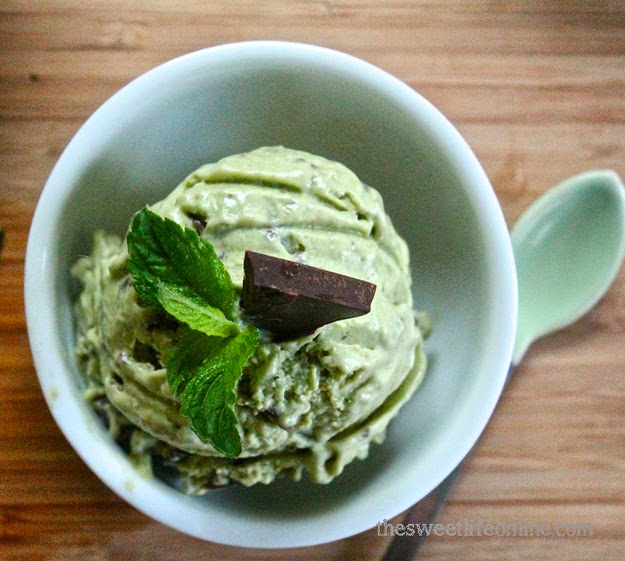
27. Raw Mint Chocolate Chip Ice Cream


Cashews and almond milk give this ice cream recipe a great creamy texture with zero custard-cooking required.

28. Vegan Blueberry Crumble Ice Cream


This recipe takes blueberry ice cream to all new heights. Almond and coconut milk team up in this base.

29. Vegan Chocolate-Avocado Soft Serve


You can make this in a blender or food processor; just make sure to chill the coconut milk and avocados ahead of time. Recipe here.
[via BuzzFeed]

Wednesday, December 10, 2014

Ditch Refined Sugar Now!

Christmas is right around the corner, and that means loads of cookies to be eaten!

Did you know refined sugar is the devil? Always avoid it whenever possible and that means in my cabinets too. I don’t buy white sugar EVER. The closest thing I get to white sugar is sucanat or organic evaporated cane juice and even then I don’t really use much of that stuff either. You see – there is little to no nutritional value in these refined sugars. Eating refined sugar is addictive, makes you fat, tired, depressed, age faster, makes your skin dull, weakens immunity and when consumed in excess causes all sorts of diseases… No thanks.

So how do you sweeten my desserts without the use of refined sugars and with nutrition?

Here’s three of Food Babe's favorite ways to sugar your sweets that won’t wreak havoc on your health…


Organic Coconut Palm Sugar – This type of sugar is a perfect 1:1 substitute for any recipe that calls for regular old sugar. One of the big pluses of coconut palm sugar – it’s completely unrefined and not bleached like typical refined white sugar, helping to preserve all of its teeming vitamins and minerals. It is naturally high in amino acids – has 10,000 times more potassium, 20 times more magnesium and 20 times more iron than conventional sugar. Converting to this type of sugar could also, lower your risk of developing diabetes because it’s glycemic index is half of that compared to sugar.

The flavor is more like brown sugar and it definitely adds a nice touch of richness to cookies and cakes.


Date Sugar – Produced by grinding dried dates into a powder, it is completely raw and unrefined. Date sugar is equal parts sucrose, glucose and fructose and much higher in vitamins and minerals than refined sugar. For instance it has more than twice the amount of magnesium, iron and potassium. Date sugar doesn’t dissolve so it’s perfect for sprinkling on top of baked goods in the place of regular old powdered sugar. It won’t be as sweet but will give you that sugary boost you need to make desserts worth while.

Food Babe’s Sweet Blend – Obviously this is my favorite way to sweeten cookies and cakes. One of the first steps I do in any cookie or cake recipe is to blend the sugar component with the fat component. For my special sweet blend, I like to use organic raw pitted dates, prunes, bananas and sometimes apple sauce or maple syrup together in the blender along with some fat – either organic coconut oil or melted organic butter. This kills two birds with one stone – all you have to do is add vanilla (or other flavorings) and the dry ingredients to make the most deliciously sweet cookies or cakes… I highly recommend this blend as much as possible when baking because it uses 100% whole organic ingredients – no processing and all nutrition.


So the next time you are itching to bake and make something sweet think about how many nutrients you can pack into your bite! Imagine your body enjoying all the minerals and vitamins it is receiving instead of attacking itself destroying your immune system and causing disease. Ditch the refined sugar – you have no excuses.

Ok off to make more cookies!
[via Food Babe]

Monday, October 27, 2014

Natural Moisturizers for Winter Skin Care

Keep your skin glowing through the dry winter days. Try these natural moisturizers for winter skin care.


Plant-derived oils and naturally sourced fats and ingredients are better for your skin and body than chemical preservatives and stabilizers. Along with the rest of nature, our skin changes as the seasons turn. With winter comes low humidity, which strips skin of its natural moisture, leaving it dry and more susceptible to damage. To protect your skin from the cold, turn to natural moisturizers with healing natural ingredients.

Four Homemade Moisturizers


Moisturizing Basics for Winter Skin Care

When choosing a commercial moisturizer, your first consideration should be your skin type. For oily skin, use a light moisturizer; for normal to oily skin, use a moisturizing lotion; and for dry skin, use a moisturizing cream.

Next, analyze a product’s ingredient list: Nearly every moisturizer contains some combination of emollients, humectants, emulsifiers, “active ingredients” and penetration enhancers.

Emollients, such as phospholipids and lecithin, soften, heal and hydrate. Plant oils such as olive, castor, jojoba and coconut make great emollients because they mimic the soothing oils our own skin produces.

Humectants attract moisture to the skin. Look for moisturizers made with glycerin and sorbitol derived from natural sources. (To find out if the ingredients are from natural sources, consult the ingredients list or peruse the company’s website.)

Emulsifiers are used to keep the ingredients in a moisturizer from separating. Lanolin is an excellent natural emulsifier. Similar to the natural oil in human skin, lanolin, commonly called wool fat, is a fatty substance naturally produced in sheepskin. It coats wool, acting as a protective agent against cold and dampness, and is extracted from shorn wool by centrifugal separators. This cream, which can be found at any health-food store, is typically used in moisturizers as a water-absorbing emulsifier.

A product’s “active ingredients” are usually responsible for providing its advertised effects, such as soothing, treating blemishes or preventing signs of aging. For example, zinc oxide is a natural active ingredient that protects against sun damage. Be careful when choosing skin products purported to remove wrinkles, blemishes or dark spots: These often contain harsh chemicals. To find out more about natural active ingredients, see “The Best Active Ingredients in Moisturizers” further in this article.

Penetration enhancers help a product’s active ingredients absorb into the skin. Look for moisturizers with natural penetration enhancers such as essential oils (menthol or chamomile are common), vegetable squalene, linoleic acid and oleic acid rather than synthetic penetration enhancers such as propylene glycol and tetrasodium EDTA.

Avoid poor-quality ingredients such as mineral oils, harsh chemicals, and artificial colors and fragrances. Harsh chemicals such as parabens, formaldehyde and propylene glycol are often used to give moisturizers a longer shelf life and help them absorb into the skin, but they can have side effects ranging from skin irritation to potential reproductive disorders. You can find effective, safe natural moisturizers or make your own simple, inexpensive moisturizer using this Homemade Moisturizer Recipe. For more information on ingredients in personal-care products to avoid and extensive listings of safer options, read Come Clean: Natural Alternatives to Chemical-Laden Personal-Care Products.

5 Moisturizer Ingredients to Avoid

  • Formaldehyde: A human carcinogen; watch for ingredients dimethyl-dimethyl (DMDM) hydantoin, imidazolidinyl urea, diazolidinyl urea, sodium hydroxymethylglycinate, and 2-bromo-2-nitropropane-1, 3-diol or bronopol
  • Fragrance: Usually contains phthalates, linked to hormone disruption, possible birth defects, infertility and breast cancer
  • Parabens: May cause reproductive disorders and has been detected in breast cancer tissue; watch for any ingredient ending in -paraben
  • Propylene glycol: May cause hives, allergic reactions and other skin irritation in concentrations as low as 2 percent; synonyms include PPG, 1,2-dihydroxypropane, 2-hydroxypropanol, methylethyl glycol, 1,2-propanediol, and propane-1,2-diol
  • Retinyl palmitate and retinol (vitamin A): Rich in antioxidants and anti-aging properties; may also speed up the development of cancerous skin tumors when exposed to the sun; excessive amounts may be toxic to a developing fetus if pregnant women are exposed

The Best Active Ingredients in Moisturizers


  • Anti-aging: Boswellia serrata, CoQ10
  • Antibacterial and antifungal: Tea tree oil
  • Anti-irritants: Comfrey leaf and root, Aloe vera, licorice root, marshmallow root, chamomile, white willow bark, vitamin C
  • Soothing: Aloe vera, licorice root, green tea, chamomile extract
  • Sun protection: Zinc oxide, titanium dioxide

Wednesday, April 16, 2014

Effective Natural Remedies to Cure Spring Allergies

Spring allergy is commonly used to refer to hay fever, a seasonal allergic rhinitis attack experienced by more than 35 million Americans every year as the season changes and many allergens start to blossom - during springtime. As pollens scatter and travel through air, people as far as hundreds of miles away unknowingly sniff them, triggering allergic reactions, such as sneezing, coughing, eye and nose irritation and runny nose.


Many over-the-counter medications for spring allergies are available at affordable prices. These drugs, nonetheless, can cause several side-effects and unnecessary expenses. Common side-effects include drowsiness, headache and occasional loss of appetite. Why bother experiencing them when there are scientifically proven natural remedies that can aid in fighting spring allergies?

You can try the following alternative treatments for safer and effective relief.

Garlic: On clinical studies, quercetin, a natural compound found in garlic and onion, is observed to mimic the antihistamine effect of certain drugs. When regularly added to the diet, spring may just pass without causing hassle sniffs.

Onion and apple are good sources too.

Cayenne pepper: Like garlic, it also contains quercetin that can act as antihistamine. But more than that, it has anti-inflammatory properties that can prevent throat and nasal irritations. Some people prefer using cayenne pepper because the natural heat it produces in the body is said to comfort irritations caused by allergens.

Thyme: This herb is proven to be an effective natural expectorant that can relieve phlegm production during the onset of spring allergies. Even some drugs add it to their components for much more effective decongestion benefit. It also has high antimicrobial properties that aids in fighting infections caused by phlegm.

To experience its benefits, drink a tea made from fresh thyme twice a day or buy prepared brands that preserve the natural properties of the plant without altering its chemical components.

Chamomile: A healthy and delicious drink, chamomile tea can also relieve itchiness and dryness of the eyes. By placing a cold tea bag for five to 10 minutes, you will feel the immediate effects against allergic reaction.

Elderberries: This fruit is insanely high in antioxidant content and phytonutrients that are best used against flu. As it strengthens the immune system, it also makes recovery from cold faster. Its anti-inflammatory effects can be experienced by drinking fresh juice or even wine made from real fruits.

Chicken soup: Medical experts considered this as a mere hoax until a year ago when a research showed surprising benefits to the recovery rate of subjects experiencing the common cold. Since spring allergy triggers nasal fluid build-up, it is a smart idea to have chicken soup not only on a rainy day but during springtime as well.

Neti pot: Oprah considers this product as one of her favorite things because of its fast action against clogged nasal passages due to allergens. Cheap and natural, it safely soothes the passage using sterile water and a dash of salt.

Acupuncture: This ancient art of healing is said to relieve swollen nasal passages at a faster rate than some herbs do. Acupuncture is also said to strengthen the immune system; thus, strengthening the body's defense against spring allergies, or any kind of allergy for that matter.

Thursday, January 30, 2014

Health Benefits of Rosemary Oil

Rosemary oil is one of the most popular essential oils for its wide array of health benefits. It has become increasingly important and popular over the years as more of its various health benefits have become understood, including its ability to stimulate hair growth, boost mental activity, relieve respiratory problems and reduce pain.

Rosemary, also known as Rosmarinus Officinalis, is very popular in the Mediterranean region as a culinary herb. Many dishes are cooked with rosemary oil and freshly plucked rosemary leaves. Rosemary essential oil is mostly extracted from the leaves. The rosemary bush belongs to the mint family which includes basil, lavender, myrtle, and sage.

Rosemary has been extensively used since ancient times for a variety of purposes. The Romans gave special importance to the rosemary plant and used it frequently in religious ceremonies. It was also used during wedding ceremonies, food preparation, cosmetic care, and medicinal herbal care. Rosemary plant and its extract were also used by the ancient, Egyptian civilization as incense.

The health benefits of rosemary essential oil made it a favorite of Paracelsus, a renowned German-Swiss physician and botanist, who made significant contributions to the understanding of herbal medicine during the 16th century. Paracelsus valued rosemary oil due because of its ability to strengthen the entire body. He correctly believed that rosemary oil had the ability to heal delicate organs such as the liver, brain, and heart.

Health Benefits of Rosemary Oil

Today, many medicinal preparations contain rosemary oil. The various, well-researched health benefits of rosemary oil are listed below:

Indigestion: Rosemary oil is often used for indigestion, relieving flatulence, stomach cramps, constipation, and bloating. Rosemary essential oil is also thought to relieve symptoms of dyspepsia and it is an appetite stimulant. Furthermore, research has shown the essential oil to be detoxifying for the liver, and it also helps to regulate the creation and release of bile, which is a key part of the digestive process. It also stimulates blood flow and improves circulation, which can benefit the absorption of nutrients from food. Rosemary leaves are often added to meat dishes because it is particularly helpful in digesting meat, particularly lamb, beef and pork.

Hair care: Rosemary oil and rosemary teas are widely used for hair care in shampoos and lotions. Regular use of rosemary oil helps to stimulate follicles, making hair grow longer and stronger. It is also believed that rosemary oil slows down premature hair loss and graying of the hair. Therefore, it is an excellent tonic for bald people or those who are beginning to show signs on male pattern baldness.

Rosemary essential oil is also beneficial for dry and flaky scalps. Regular massaging of the scalp with rosemary oil nourishes the scalp and removes dandruff. Furthermore, it is often mixed with tea tree oil and basil oil to alternately treat scalp problems. For many years, rosemary has been combined with olive oil as a way to darken and strengthen hair by using hot oil treatments.

Mouth care: Rosemary essential oil is a disinfectant and is often used as a mouth wash. It also helps in removing bad breath. By removing oral bacteria, rosemary essential oil can prevent gingivitis, cavities, plaque build up, and other damaging dental conditions.


Skin care: Rosemary essential oil is not used in skin care as extensively as it is used in hair care, but it does have antimicrobial and antiseptic qualities that make it beneficial in efforts to eliminate eczema, dermatitis, oily skin, and acne. Topical application of the essential oil, or regular massage with the oil helps in toning your skin and removing dryness. It can also give your skin a healthy, even glow when regularly applied, or when it is a main component of your moisturizers and other creams.

Boosting mental activity: Rosemary essential oil is an excellent brain and nerve tonic. It is often used by students during exam times because it increases concentration and helps in studying efficiently. It stimulates mental activity and is a good remedy for depression, mental fatigue and forgetfulness. Inhaling rosemary oil seems lift your spirits immediately. Whenever your brain is tired, try inhaling a little rosemary oil to remove boredom and renew your mental energy.

In a study, researchers found that of 144 test participants who inhaled rosemary oil during an exam displayed significantly higher cognitive function. This is why some researchers are beginning to explore the options for using rosemary oil as an alternative treatment for slowing down the onset of Alzheimer’s disease in certain patients because of this apparent connection between boosted neural activity and the essential oil.

Stress Relief: Aside from the relaxing nature of aromatherapy and general inhalation of rosemary essential oil, it has been proven to actually decrease the level of cortisol in the saliva. Cortisol is one of the main stress hormones that are released during the “flight or fight” response of the body to stress. Excess cortisol in the blood that may occur due to chronic stress can wreak havoc on the body, including its hormonal balance and the efficiency of the metabolism. A study said that inhaling rosemary oil and lavender oil for five minutes significantly reduced the levels of cortisol in the test subject’s saliva, which could seriously decrease the dangers inherent from chronic stress.
Advertisement

Immune System Boost: Antioxidants are some of the most valuable defensive weapons we have in our body for fighting off infection and disease, so any food or essential oil that either adds to or stimulates the activity of antioxidants is a huge benefit to overall health. The same study which found that cortisol levels decreased after simultaneous massage and inhalation of rosemary essential oil also found that the scavenging free radical activity in the test subjects’ bodies also increased significantly. This means that regular use or inhalation of rosemary essential oil in aromatherapy sessions or in other ways can increase the strength of the immune system and help combat all of the diseases associated with free radicals, including cancer and heart disease.

Pain relief: The ability of rosemary essential oil to relieve pain has resulted in its extensive use in treating headaches, muscle pains, rheumatism and even arthritis. Massaging the affected area that is in pain with rosemary essential oil can give quickly relieve the pain. Vapor baths with rosemary oil are also found to be effective in the treatment of rheumatism. It has certain anti-inflammatory qualities as well, which makes it very good for relieving the pain from sprains and joint aches. Furthermore, it is known to stimulate blood circulation, which can relieve pain and also aid in coagulation of wounds for faster healing.

Aroma: Rosemary has a mesmerizing aroma, which makes rosemary essential oil an excellent inhalant. The oil is used in room fresheners, cosmetics, beauty aids, food, bath oil, candles and perfumes because of its unique and intoxicating aroma. When the oil is inhaled, it can boost mental energy and is also known to clear the respiratory tract. Many people spray a mixture of rosemary essential oil and water to remove bad odors from room and objects.


Sexually Transmitted Diseases: Recent research suggests that the use of rosemary essential oil’s antimicrobial qualities can help reduce the effects and recurring inflammation of the herpes virus. The herpes virus can quickly develop immunity to normal antiviral medication, so alternative methods are always being explored. A number of studies have now shown the essential oil of rosemary to be an effective option for reducing the symptoms of the Herpes virus in test subjects, and even affects the level of contagiousness of the virus.

Respiratory problems: The benefits of rosemary essential oil in treating respiratory problems are well-researched and supported. The scent of the oil has been shown to give relief from throat congestion, and it is also used in the treatment of respiratory allergies, colds, sore throats and the flu. Since rosemary oil also has antiseptic qualities, it is also effective for respiratory infections. The oil is antispasmodic and is therefore used in some treatment programs for bronchial asthma.

There are various other claims regarding possible health benefits of rosemary oil, including its usage for disorders in menstrual cycle, menstrual cramps, peptic ulcer, urine flow, prostate, gall bladder, intestine, liver, cataract, heart, sperm mobility, leukemia, kidney stones and associated pain. Research is currently being performed to study its potential in treating various types of cancers including those of the colon, stomach, breasts, and lungs.

Rosemary oil may, at times, cause allergic reactions, so it should only be used if prescribed or after thorough consultation with your medical specialist. Since rosemary oil is volatile in nature, the oil has occasionally caused vomiting and spasms. Therefore, it should never be ingested. It is strongly suggested that rosemary essential oil should not be used by pregnant, breastfeeding, or nursing women. Excessive use of the oil may even lead to miscarriage or a disability in the fetus.

Rosemary essential oil is used extensively in aromatherapy due to its versatility as a welcome aroma in so many popular combinations. The oil blends well with frankincense, lavender, clary sage, cedarwood, basil, thyme, citronella, lemongrass, elemi, geranium, chamomile, peppermint and cardamom.

Wednesday, December 18, 2013

22 DIY Alternatives To A Christmas Tree

 http://www.notmartha.org/archives/2010/12/20/christmas-tree-ornament-mobile/

Decorating Christmas tree with our family is probably among the best childhood memories we have. However, not everyone likes the idea of cutting down the trees, so people came up with an idea to replace them with artificial ones. And now, as the boundaries of imagination are only expanding, the most recent trend is the DIY Christmas trees!

For the spaces, that couldn’t fit an actual Christmas tree, or for the people, who want to make the holidays even more special, a DIY Christmas tree is a great project. That way, you can pick the size, the color, the style and the texture completely on your own, and make the Christmas tree look like a beautiful accessory, complementing the interior. What is more, that way it will definitely be one of a kind! To give you some ideas, we have made a selection of some DIY X-mas trees that we liked a lot. What will yours look like this year? Click the images to find the how-tos!


http://pattiewack.blogspot.com/2007/12/glass-bottle-christmas-tree.html

http://www.thecreativityexchange.com/2010/12/fabric-covered-poster-board-christmas-tree-cones.html

http://www.notmartha.org/archives/2011/12/21/3d-christmas-tree-gingerbread-cookies/

http://www.motherearthliving.com/~/media/Images/MEL/Editorial/Articles/Magazine%20Articles/2009/11-01/Try%20This%20Projects%20for%20the%20Holidays%20Newspaper%20Christmas%20Tree/HomemadeDecor.ashx

http://www.littlethingsbringsmiles.com/2010/12/almond-tree.html

http://www.alittletipsy.com/2011/11/elmers-craft-tell-party-giveaway-how-to.html

http://www.parafalardecasamento.com/2010/12/arvore-de-natal-com-botoes-diy.html

http://www.michaeljohansson.com/works/seasons_greetings.html

http://luniversdezelles.blogspot.com/

http://www.cantstopmakingthings.com/2011/01/strawberry-christmas-tree.html

http://www.amerrymishapblog.com/2010/12/mail.html

http://www.flickr.com/photos/celestialkiddy/2112523958/sizes/l/in/photostream/

http://laloleblog.blogspot.co.uk/2011/12/mi-arbol-de-navidad.html

http://www.apartmenttherapy.com/janes-wall-collection-christma-72170

http://www.digsdigs.com/unusual-eco-friendly-christmas-tabletop-tree/

http://www.freshomedecor.com/christmas-decoration-ideas-scandinavian-or-nordic-style/christmas-decorating-ideas-2012/

http://twentytwowords.com/2011/12/12/a-christmas-tree-made-of-stacked-books/

http://www.nedesignbuild.com/holiday-design-tip-alternative-christmas-trees/

http://www.studiodiy.com/2012/11/20/diy-faux-christmas-tree/