Showing posts sorted by relevance for query cold. Sort by date Show all posts

Wednesday, January 15, 2014

Breakfast Boosters: 14 Foods to Fight Off a Cold

Kiwi

Kiwis contain between 90 and 110 milligrams of vitamin C — more than an average orange. They are a good source of potassium, an important mineral for strong muscles and nerves, plus immune-boosting vitamin E. They are also packed with flavonoids and carotenoids — antioxidants that promote respiratory health, heart health and optimum well-being, says Suki Hertz, M.S., R.D., nutrition professor at the Culinary Institute of America. Cut kiwis in half and scoop out the flesh for a fruit salad or mash up and stir into plain yogurt.

Papaya

Papayas are praised for their anti-inflammatory properties. They're also an excellent source of vitamin C—one medium papaya supplies 313 percent of your daily requirement, explains Hertz. Additionally, they are a great source of beta-carotene, a phytonutrient that gets converted to vitamin A in your body and keeps eyes, skin and mucous membranes moist. Have a few slices for breakfast in the morning or blend some with orange juice for a tropical smoothie.


Ginger

If you feel a cold coming on ward it off with ginger, which can alleviate cold symptoms and clear nasal passages. It also promotes digestive health, reduces gas pains and relaxes the intestinal tract, explains Hertz. If you find yourself battling a stomach bug or winter cold, try steeping slices of fresh ginger in hot water for a soothing and healthy morning drink.

Pumpkin Seeds

Pumpkin seeds are packed with vitamins, amino acids and minerals, including zinc. Zinc helps the immune system by acting as an antioxidant and minimizing damage to cell membranes from free radicals, explains Hertz. Pumpkin seeds are delicious alone or sprinkled in yogurt, oatmeal or cereal. For a sweet and spicy breakfast on the go, try this energy mix.

Wheat Germ

Full of essential vitamins and fats, wheat germ, the nutrient source of the wheat grain, can help give your immune system a boost. It's also high in vitamin E, an antioxidant that helps fight inflammation, says Hertz. Sprinkle wheat germ in yogurt, oatmeal or cold cereal.

Beets

Give your morning glass of orange juice a boost by blending it with cooked beets — just remember to strain it before serving. Packed with antioxidants and magnesium, a mineral that assists with nerve and muscle function, beets are also especially rich in folate. This B vitamin helps prevent serious birth defects and is important for women of childbearing age and for heart health, explains Hertz.

Flax Seeds

Flax seeds are chock-full of important nutrients and minerals, including vitamin E, an antioxidant that keeps cells healthy, and alpha-linolenic acid, a vegetarian source of omega-3 fatty acids. To obtain these healthy fats, flax seeds must be ground first, explains Hertz. A coffee grinder works perfectly for this.
Famous for their nutty flavor, flax seeds can be sprinkled on yogurt, oatmeal or cold cereal. Flax oil is another option and a good way to add important nutrients to smoothies. Both flax seeds and flax oil are highly perishable and should be kept in the refrigerator for up to three months.

Lemons

Besides being packed with vitamin C, lemons promote healthy bacteria, rather than the type that can cause viruses and colds. Hertz suggests using lemon in place of sugar and salt, both of which can weaken the immune system. In the morning, try squeezing some on fresh fruit instead of sprinkling with sugar. 


Blueberries

It's no wonder blueberries are called a superfood — they have more antioxidants than any other fruit or vegetable. They are also one of the highest-ranking foods in anthocyanidins (cancer-fighting antioxidants) and are excellent sources of vitamin C, manganese and fiber, says Hertz. Start your morning with this Greek yogurt parfait, a beautiful dish that delivers a healthy mix of berries.

Eggs

Egg yolks are a good source of selenium, a powerful mineral that supports a healthy immune system. Research on eggs is proving they are not the heart-disease villains they were once thought to be, explains Hertz. The protein in the whites is of the highest value, and the yolks, although high in dietary cholesterol, are relatively low in saturated fat.

Tofu

People who don't eat enough protein tend to load up on carbs, which can increase blood sugar levels and weaken the immune system. Tofu is a complete protein and a good source of calcium and omega-3 fatty acids, all of which can strengthen the immune system, says Hertz. For a high-protein drink that's good on the go, try this quick smoothie.

Quinoa

Quinoa (pronounced keen-wa) is commonly referred to as a grain, but it's actually a seed that can be cooked. A super food, quinoa is one of the few "complete proteins" of the plant world, meaning it supplies all of the essential amino acids that are found in meat, poultry or fish, such as lysine, which helps with tissue repair, says Hertz. In the morning, swap white or whole-wheat bread with a multigrain loaf that's loaded with quinoa, bulgur and millet.


Grapefruit and Oranges

Everyone knows that citrus is chock-full of vitamin C, and it's also packed with powerful antioxidants and is low in calories, says Hertz. For a healthy breakfast that's sure to strengthen your immune system, try a fruit salad that combines three types.

Cottage Cheese

Cottage cheese contains selenium, a powerful antioxidant that can strengthen the immune system, says Hertz. To give your immune system a boost, try this breakfast parfait which combines cottage cheese with vitamin C-rich papaya and wheat germ.


Tuesday, August 28, 2012

Breakfast: The Most Important Meal of Every Day


Arch Design House shows us that Breakfast really is the most important meal of the day...every single day. 


"Breakfast is the most important meal."
93% of Americans totally agree with this statement


But surprisingly, 56% SKIP breakfast every day


People who skip breakfast tend to have: 
-Higher cholesterol
-Elevated insulin levels
-Larger waist circumferences


Benefits of eating breakfast: 
-Improved concentration & performance
-More strength & endurance to engage in physical activity
-Lower cholesterol levels


Breakfast eaters by age: 
18-24 : 53%
34-44 : 55%
45-54 : 54%
55-64 : 71%
65+    : 83%


The Most odd breakfast: 
39% of Americans have at some point, eaten cold pizza for breakfast

This is a phenomenon documented by singer Christine Lavin back in 1986: 
"I want cold pizza for breakfast and a pinch 'o cold spaghetti will do but there's nothing in the world that I like better than eatin' cold pizza with you"

and here's what normal Americans eat for breakfast: 
31%: Cold Cereal
13%: Meat & Eggs
12%: Toast, French Toast, Bagels
9%: Eggs
9%: Hot Cereal
6%: Fruit
4%: Muffins & Pastries
3%: Bacon
3%: Yogurt & Smoothies
2%: Pancakes & Waffles
8%: Other

So what should I eat for breakfast?
-Oatmeal with flaxseed, blueberries, almonds
-Cereal with milk
-Yogurt with fresh berries, granola
-Fruit: Cut up apples, melons, berries, oranges, pears, bananas, grapes (and cottage cheese if you're brave)
-Eggs: Hard boiled, omelet, scrambled, sunny side up
-Muffins: Blueberry, banana, oat bran
-Toast & Bread: French toast, pizza toast, cream cheese, PB & J
-Waffles & Pancakes with maple syrup

"All happiness depends on a leisurely breakfast"
     - John Gunther

Friday, February 5, 2016

15 Soups That Will Actually Cure Your Cold

1. Coconut Ginger Carrot Soup


Creamy is where this incredible coconut ginger carrot soup recipe goes. Have your heard so many delicious flavors in one recipe title? Even better, this soup is an amazing immunity-booster just in time for cold and flu season.

2. Immune Boosting Vegetable Soup


Tis the season for colds, flus, and sickey germs everywhere. This supremely flexible ingredient soup is the perfect antidote to all that.

3. Flu Fighter Chicken Noodle


Loaded with good for you ingredients and full of flavor – this absolutely delicious chicken noodle soup makes for a wonderful dinner! It’s also a tasty remedy for battling off a nasty cold or flu!

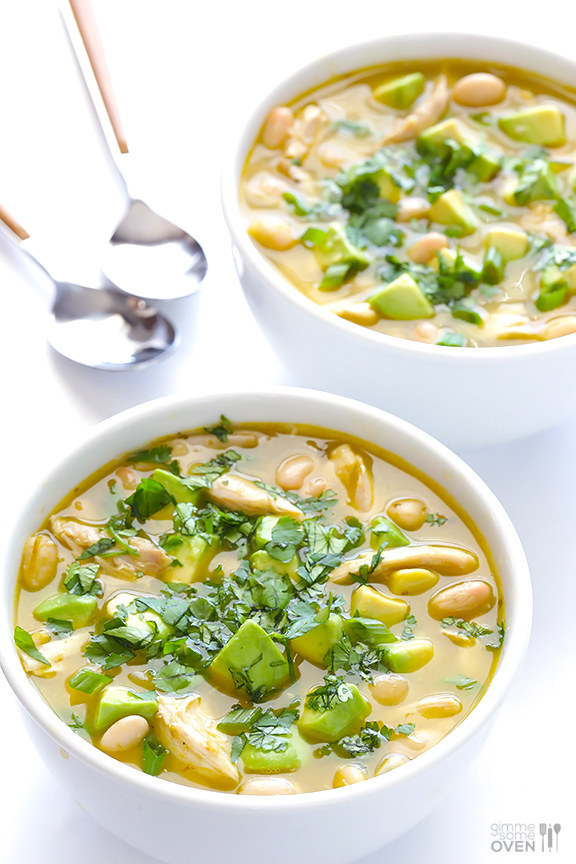
4. 5 Ingredient White Chicken Chili


All you need are few simple ingredients to create this delicious 5-Ingredient Easy White Chicken Chili recipe. You can make it quickly on the stove, or let it simmer all day in your slow cooker.

5. Healing Green Tea and Chickpea Soup


This recipe is for a marvelous, healing soup with some cold-fighting garlic-y tortilla triangles for dipping. It’s a triple-carb affair (naturally) because your body needs the fuel so, yes, now is the time to eat chickpeas, pasta and bread in one meal. There are veggies in there too and it’s the perfect base to add some shredded chicken or tofu to if you desire.

6. Roasted Carrot Ginger


Besides the vigor added from the fresh ginger, the flavoring of this soup comes from a little bit of ground coriander and allspice. Simple.

7. 15-Minute Coconut Curry Noodle Soup


Despite the speediness of its assembly, this soup has an amazingly complex, flavor. Enjoy the richness of the coconut milk, the spicy of the curry paste, the tangy bite of the lime to the funky awesomeness of the fish sauce.

8. Roasted Carrot and Sweet Potato Turmeric Soup


This roasted carrot and sweet potato soup is warm, comfy, and healing for the soul. And with turmeric – a natural anti-inflammatory will ease all pain.

9. Turmeric Miso Soup with Shiitakes, Turnips and Soba Noodles


To “cleanse” your body of toxins is to treat it well. By that, we mean more fruits and vegetables, clean food free of preservatives, and more home-cooked meals. We know the thought of making a home-cooked meal can be daunting, given busy schedules and such. But what if you could make this delicious (and healthy) soup in 20 minutes?

10. Turmeric Broth Detox Soup


Make this fragrant detoxing Turmeric broth, then make the soup your own. This one meal can easily be made in 30 minutes or less! If you feel like slurping, add in some rice noodles, chickpeas and kale

11. Cleansing Detox Soup


This oil-free Cleansing Detox Soup is packed with all the good stuff, and by good stuff we mean immune-boosting natural remedies like fresh lemon juice, fresh zingy ginger, bright turmeric, balancing cinnamon, and a touch of spicy cayenne. Detoxifying vegetables and leafy greens like kale, broccoli, celery and carrots will cleanse, nourish and make you feel whole.

12. Golden Beet and Fennel Soup


This Golden Beet and Fennel Soup is an earthy creamy healthful soup. full of nutrients and fiber. Not only is this golden beet soup not red, it also hits the spot on a cold winter’s day. BOOMshakalaka!

13. Thai Yam Soup with Lemongrass and Ginger


Vegan and gluten free, this recipe for Thai Sweet Potato Soup is healthy and light, and will bring a little sunshine into your life with its bright, warm flavors.

14. Black Bean and Sweet Potato Superfood Soup

This soup has a hint of sweetness and is spiced with chipotle chili powder, cumin, and turmeric. Black beans, sweet potato, and red cabbage all make a superfood star appearance dressed with cilantro and avocado.

15. Immune Boosting Garden Herb Stock


There is nothing more of a sialagogue than a pot of stock simmering away on the stovetop and this vegan garden herb stock is a recipe you will definitely want to make again and again.

[via]

Tuesday, October 22, 2013

How to Freeze Peppers


If you like frozen peppers in the winter, just imagine how good it would taste if you had picked a bag yourself and then quickly froze it at home!  It is also one of the simplest ways to put up a vegetable for the winter. Here's how to do it, complete instructions in easy steps and completely illustrated. The peppers will taste MUCH better than any canned or frozen you've ever had from a store. And if you'd rather can your peppers, see this page.

Directions for Freezing Peppers


Ingredients

  • fresh peppers - any quantity (about one handful per serving)

Equipment

  • 1 Large pot of boiling water
  • 2 large bowls, one filled with cold water and ice.
  • 1 sharp knife
  • Vacuum food sealer or "ziploc" type freezer bags (the freezer bag version is heavier and protects better against freezer burn.

Instructions


Step 1 - Get your peppers!

Start with fresh peppers - as fresh as you can get.  Select crisp, tender, green or bright peppers. If there is a delay between harvesting and freezing, put it in the refrigerator or put ice on it. And don't use peppers that are old, limp, overripe or dried out (see below):

Step 2 - Wash the peppers!

I'm sure you can figure out how to rinse the peppers in plain cold or lukewarm water.

Step 3 - Slice the peppers in half, scoop out the seeds and cut into smaller pieces

Cut out stems, cut in half and remove seeds. If desired, cut into 1/2-inch strips or rings.
Of course, if your prefer Julianne cut peppers, you can cut the peppers lengthwise in thin strips instead or chop into smaller pieces.

Step 4 - Decide how you will be using them later

This determines how you will prepare them
  • If you will be using them heated (in cooking):
    • Then you will need to water blanch them - go on to Step 5
  • If you will be using them in uncooked foods where you need a crisper texture, or possibly still use them in cooked foods:  
    • Skip to Step 7

Step 5 - Blanch the peppers

  • Get the pots ready. Get the pot of boiling water ready (about 2/3 filled) and a LARGE bowl with ice and cold water.
All fruits and vegetables contain enzymes and bacteria that, over time, break down the destroy nutrients and change the color, flavor, and texture of food during frozen storage. peppers requires a brief heat treatment, called blanching, in boiling water or steam, to destroy the enzymes before freezing. Blanch the pepper halves for 3 minutes; and strips or rings for 2 minutes.
  • Then cool them promptly in a large bowl of ice water for 3 or 4 minutes. Drain and package, leaving 1/2-inch headspace. Seal and freeze.
The duration is intended to be just long enough to stop the action of the enzymes and kill the bacteria.
Begin counting the blanching time as soon as you place the peppers in the boiling water. Cover the kettle and boil at a high temperature for the required length of time. You may use the same blanching water several times (up to 5). Be sure to add more hot water from the tap from time to time to keep the water level at the required height.

Step 6 - Cool the peppers

Cool peppers immediately in ice water. Drain the peppers thoroughly. After vegetables are blanched, cool them quickly to prevent overcooking. Plunge the peppers into a large quantity of ice-cold water (I keep adding more ice to it). A good rule of thumb: Cool for the same amount of time as the blanch step. For instance, if you blanch sweet peppers for 7 minutes, then cool in ice water for 7 minutes.
Drain thoroughly.

Step 7 - Bag the peppers

I love the FoodSavers vacuum sealing - these things really work.  If you don't have one, ziploc bags work, too, but it is hard to get as much air out of the bags.  Remove the air to prevent drying and freezer burn. TIP:  If you don't own a vacuum food sealer to freeze foods, place food in a Ziploc bags, zip the top shut but leave enough space to insert the tip of a soda straw. When straw is in place, remove air by sucking the air out.  To remove straw, press straw closed  where inserted and finish pressing the bag closed as you remove straw.

Step 8 - Done!

Pop them into the freezer, on the "quick freeze" shelf, if you have one!

Tips:

  • Harvest the peppers at its peak maturity but not old - mushy! Younger is better than older
  • Process promptly after harvesting, or keep cooled in the fridge or with ice until then.

Frequently Asked Questions

How long can they be frozen?

It depends upon how cold is your freezer and how you packed them.  Colder (deep freezes) are better than frost free compartments, which actually cycle above freezing (that's how they melt the ice).  Vacuum packing results in longer storage capability, too.  Thicker bags also help prevent freezer burn.

In general, up to 9 months in a ziploc bag in an ordinary freezer, and 14 months in a deep freeze in a vacuum packed bag.  After that, they peppers won't make you sick; they just won't taste a s good.

Tuesday, September 17, 2013

Planting a Fall Garden the Easy Way

Fall doesn’t have to be a time in your garden when your bountiful summer crops simply start to slow down. In fact, in most areas of the country, fall can be one of the most productive times of year in your garden. Many crops thrive in the cooler weather of autumn, and even into winter with a bit of protection. Think spinach, lettuce, beets, carrots, cabbage, parsnips, turnips, radishes, broccoli, kale, chard, mustard greens — the list goes on!

One main question gardeners have about planting a fall garden is, “When should I plant?” No gardener wants to spend time adding compost and putting in new crops, only to have winter’s frosty chill come along and stall or kill the plants before they’ve produced harvestable yields.

In steps a tool we’ve been raving about for a few years now: the Vegetable Garden Planner. This online tool allows you to create a snazzy digital plan of your fall garden. You draw your beds, click on whatever crops you want to grow, and arrange them in your garden. The tool automatically spaces the crops for you. Then, you click on the “Plant List” button within the Garden Planner, and it tells you the window of time in which to plant each crop based on your exact location (you plug in your ZIP code when you begin), along with an expected harvest window for each.

New to the Garden Planner this year are various “garden objects” you can place in your plan. Especially useful for fall gardening are the season-extension devices you can add. Choose from hoop houses, cold frames, row covers, greenhouses, heated greenhouses and more. Just place whatever devices you’re using in your garden directly over the crops you plan to protect. The possible planting times and harvest windows will adjust for those crops.


In the image above, I’ve added a small hoop house over the left garden bed. Inside the hoop house, I’m growing spinach, kale and leaf lettuce. I’ve also added a small cold frame next to my shed, off the right. In the cold frame, I’ve indicated that I’ll be growing some mustard greens. If you like, you can add labels such as “hoop house” or “cold frame” next to these objects.

Of course, other crops were in these same beds earlier in the year — and that’s OK. For each crop you add to your garden plan, you can specific exactly which months it will be in the ground. When you remove summer crops such as zucchini and add some fall crops in the same spot, you just make those timing adjustments right in the Planner. The tool even tells you which crop family each crop belongs to, and warns you if you’re about to violate crop-rotation practices. You can see in the plan above that the kale, cabbage and mustard greens all have a light green shadow around them. The size of the shadow indicates how much space these crops will take up in your garden, and the color of the shadow tells you the crop family — in this case, that these are all brassicas. These features are so cool — and save me a lot of time!

If you live in an area with HOT summers — meaning spring and fall are definitely your prime growing seasons—you can tell the Garden Planner to “split” your seasons. When you do this, you’ll get two sets of planting windows and harvest windows: one for early in the year and one for late in the year. Fall gardeners can take advantage of this feature, too. If you want to plant lettuce, for example, in spring and in fall, just “split” your seasons to get two recommended planting times for the year.

For more fall gardening tips, see Grow Your Best Fall Garden. Happy gardening! We wish you bountiful harvests in every season.

Tuesday, May 5, 2015

11 Healthiest Cooking Oils

Olive oil isn't your only option. From coconut to sesame, learn how to take advantage of the flavor, nutrition, and cooking profiles of the many healthy oils available at your natural foods store.

Confused by all the processing methods and terms? Here's your cheat sheet:
  • Expeller-pressed: Oil is mechanically extracted by squeezing nuts, seeds, fruits, legumes, or grains under very high pressure, without using solvents.
  • Cold-pressed: Oil is expeller-pressed, but friction is reduced so the temperature is kept below 120 degrees during processing.
  • Refined: Tiny particles may remain in extracted oils; to make refined oils, particles are filtered out. Refined oils may also be bleached and deodorized to create a neutral flavor and color.
  • Unrefined: Tiny particles remain in the oil, enhancing flavor, aroma, and nutritional value. Because particulate matter lowers an oil’s smoke point, unrefined oils should only be used unheated or for very low-heat applications.
  • Heat extraction: Pressed oils may also be heated during the extraction process to break down the material and allow greater quantities of oil to be extracted.
  • Chemical extraction: Solvents like hexane are used to break down plant walls and allow oils to be more easily extracted.

Almond Oil

Made by expeller pressing the oil in ground almonds; available refined and unrefined.

Benefits: Increases healthy HDL cholesterol while lowering harmful LDL, supports immune function and liver health, alleviates irritable bowel syndrome, and may reduce colon cancer risk.

Smoke point: 420 degrees

Flavor: Light, clean, and mildly sweet; unrefined has a nutty, toasty flavor with buttery undertones.

Uses: Refined‘s high smoke point makes it best for stir-frying, roasting, grilling, and other high-heat applications. Use unrefined for salad dressings, in dips, and to drizzle on cooked dishes.

Price: $8 to $10 for 16 ounces

Fats breakdown: 70% mono, 17% poly, 8% sat


Avocado Oil

Made by grinding and then expeller pressing avocado flesh; available refined and unrefined.

Benefits: Decreases inflammation and improves cholesterol balance; may increase absorption of antioxidant carotenoids.

Smoke point: 520 degrees

Flavor: Rich, clean taste and lush mouthfeel. Unrefined is emerald green, with a buttery flavor and grassy undertones. Refined has a mild, neutral flavor with the slightest hint of avocado taste.

Uses: Refined is best for high-heat grilling, frying, or roasting. Use unrefined for salad dressing, in pesto, or as a dip for bread. Refrigerate.

Price: $10 to $12 for 8 ounces

Fats breakdown: 71% mono, 14% poly, 12% sat


Canola Oil

Made from rapeseed, a mustard-family plant; usually chemically extracted using solvents, but also expeller-pressed. To avoid GMOs, buy organic; 80 percent of canola is genetically modified.

Benefits: Lowers total and LDL cholesterol and triglycerides; improves insulin sensitivity.

Smoke point: 400 degrees

Flavor: Extremely neutral but provides a dense mouthfeel; pale color.

Uses: Good for high-heat roasting, broiling, baking, and stir-frying, or as a blank canvas for creating mayonnaise or salad dressings.

Price: $8 to $10 for 1 liter

Fats breakdown: 63% mono, 28% poly, 7% sat


Coconut Oil

White and solid at room temperature; clear and liquid when warmed. Virgin coconut oil is expeller-pressed; also available refined.

Benefits: Antibacterial, antifungal, and antiviral; may reduce total and LDL cholesterol while raising HDL cholesterol.

Smoke point: 350 degrees (unrefined); 400 degrees (refined)

Flavor: Unrefined has a creamy, oily texture, caramel-buttery flavor, and rich scent and taste. Refined is more neutral.

Uses: Refined works great for sautéing, stir-frying, roasting, and grilling. Use unrefined in baked goods, Asian-inspired dishes, or as a spread.

Price: $7 to $14 for 16 ounces

Fats breakdown: 6% mono, 2% poly, 87% sat


Flaxseed Oil

Made by pressing crushed brown flaxseeds, a process that removes healthy lignans. Some brands add lignans back to make "high-lignan" flaxseed oil.

Benefits: High in alpha-linolenic acid (ALA); may reduce risk of diabetes, cancer, arthritis, osteoporosis, and autoimmune and neurological disorders.

Smoke point: Do not heat

Flavor: Warm and nutty with bitter undertones and an aggressive, but not unpleasant, aroma.

Uses: Drizzle on oatmeal or cooked vegetables, use in salad dressings, and toss with quinoa or other grains. Refrigerate.

Price: $8 to $9 for 16 ounces

Fats breakdown: 19% mono, 68% poly, 9% sat


Grape Seed Oil

Extracted from grape seeds (generally from wine grapes), typically via chemical solvents; to avoid solvents, choose expeller-pressed.

Benefits: High in vitamin E; however, contains high levels of omega-6s and polycyclic aromatic hydrocarbons (PAHs), a result of the extraction process.

Smoke point: Do not heat.

Flavor: Neutral in flavor and aroma, with a rich, heavy texture.

Uses: Good for moisture-rich baking, dressings, and mayonnaise, where a neutral flavor is needed.

Price: $8 to $12 for 16 ounces

Fats breakdown: 17% mono, 71% poly, 12% sat


Hemp Oil

Made by cold-pressing Cannabis sativa seeds (part of the marijuana family but with no THC, the psychoactive component).

Benefits: Contains chlorophyll and toco-pherols, antioxidants that support immune function and protect the heart.

Smoke point: Do not heat.

Flavor: Earthy, grassy flavor with mushroom undertones; deep green color.

Uses: Use in dips, dressings, and pesto, or drizzle on steamed kale or sweet potatoes. Refrigerate.

Price: $12 to $16 for 16 ounces

Fats breakdown: 14% mono, 77% poly, 6% sat


Olive Oil

Extra-virgin is cold-pressed from the first olive pressing; "virgin" or "pure" is heat-extracted. Organic or California Olive Oil Council (COOC) labels signal no adulteration with cheap oils.

Benefits: Increases heart-protective HDL cholesterol; polyphenol antioxidants promote bone growth and reduce cancer risk; rich in vitamin K.

Smoke point: 420 degrees

Flavor: Extra-virgin, from the first pressing, has leafy, herbal, peppery under-tones. All varieties offer robust flavor, rich texture, and a green-gold hue.

Uses: Grilling, baking, and sautéing. Drizzle extra-virgin on tomatoes and steamed greens. Use any kind in salad dressings.

Price: $9 to $15 for 1 liter (pure); $12 to $20 for 1 liter (extra-virgin)

Fats breakdown: 73% mono, 11% poly, 14% sat


Rice Bran Oil

Extracted from the germ and inner husk of rice grains; most kinds are chemically extracted. Look for cold-pressed varieties, which are not heated during extraction.

Benefits: Contains vitamin E tocotrienols that lower LDL cholesterol, stem inflammation, and reduce cancer risk; rich in vitamin K.

Smoke point: 490 degrees

Flavor: Light and clean, with a fresh, neutral flavor and delicate aroma.

Uses: High-heat stir-frying, grilling, roasting or sautéing, or in dressings or mayonnaise when a neutral flavor is desired.

Price: $7 to $9 for 16 ounces

Fats breakdown: 39% mono, 35% poly, 20% sat


Sesame Oil

Made by expeller-pressing or chemically extracting oil from sesame seeds; available refined or unrefined. Seeds roasted before pressing yield fragrant, toasted sesame oil.

Benefits: Rich in anti-oxidants and abundant in lignans and phenols, which may ease diabetes symptoms.

Smoke point: 410 degrees

Flavor: Light and nutty; toasted sesame oil is dark brown, with a distinctive roasted scent.

Uses: Ideal for broiling and high-temperature stir-frying. Unrefined works well for light sautées, tossed with grains, or in salad dressings. Lightly drizzle toasted oil over finished dishes.

Price: $8 to $10 for 16 ounces

Fats breakdown: 40% mono, 42% poly, 14% sat

Walnut Oil

Made from dried and expeller-pressed walnuts; available refined and unrefined.

Benefits: Contains omega-3 fats that protect against prostate cancer and diabetes, reduce inflammation, promote heart health, and stave off bone loss.

Smoke point: 400 degrees

Flavor: Bold and pleasantly heavy, with a decadent nut flavor and earthy notes.

Uses: Refined is good for moderate-heat sautéeing and baking. Use unrefined as a finishing oil: Toss with cooked beets, add to salad dressings, and drizzle over cream soups. Refrigerate.

Price: $10 to $14 for 8 ounces

Fats breakdown: 23% mono, 63% poly, 9% sat

Monday, December 17, 2012

Beat the Sniffles with Immunity-Boosting Foods

In the midst of the travel and cold season, it’s important to incorporate more immune-strengthening foods in our diet. Try adding more of these vitamin rich foods onto your plate this winter:


Mushrooms: These fungi have powerful disease-fighting properties that go beyond vitamins and minerals alone. While different types of mushrooms have distinct healing properties, all mushrooms are prized for their ability to eliminate mucus and toxins in the body, and their natural detox powers are fantastic for our inner health. Shiitakes fight colds and flu, allergies and a depressed immune system, while white button mushrooms are packed with B vitamins and detoxifying power.


Pickles: Or any fermented food populate your digestive tract with friendly, immune-boosting bacteria that help you assimilate nutrients and stay your healthiest. Some experts estimate that the majority of your body’s immune powers originate in your gut! Good digestion is a major factor in overall health,  so reach for the sauerkraut, kimchi, or miso to maintain the proper balance. Note: be sure your pickles are cured in a salt brine (versus vinegar, like most kinds you find in the grocery aisle) to ensure that they contain good probiotic bacteria.

 
Green Tea with Lemon: Drinking green tea is not only a stress-reducing ritual, it’s a dose of preventative medicine. A 2010 International Journal of Cancer study found ingesting a little citrus juice with your green tea enhances its disease-preventing potential by stabilizing its natural polyphenols during digestion.


Garlic: A classic cold-fighter, garlic is a strong antifungal, antibacterial food that keeps our bodies adept at fighting off disease by boosting our white blood cell defenses. So, go ahead add in a few extra cloves to soups, stews and sauces this season.


Ginger: Used in ancient medicine, ginger is a natural anti-inflammatory and in case you’re already under the weather, it also eases congestion and existing cold and flu symptoms.


Salmon: This powerful fish has a rare dietary source of vitamin D, an important immunity vitamin (actually a hormone) that may of us lack in the winter when we spend less time under the sun. A 2012 Journal of Nutritional Biochemistry study linked zinc deficiency to disease-related inflammation and even DNA damage. According to the study, about 40 percent of Americans are zinc deficient and deficiency risk increases with age.