Showing posts with label home remedies. Show all posts

Friday, February 5, 2016

15 Soups That Will Actually Cure Your Cold

1. Coconut Ginger Carrot Soup


Creamy is where this incredible coconut ginger carrot soup recipe goes. Have your heard so many delicious flavors in one recipe title? Even better, this soup is an amazing immunity-booster just in time for cold and flu season.

2. Immune Boosting Vegetable Soup


Tis the season for colds, flus, and sickey germs everywhere. This supremely flexible ingredient soup is the perfect antidote to all that.

3. Flu Fighter Chicken Noodle


Loaded with good for you ingredients and full of flavor – this absolutely delicious chicken noodle soup makes for a wonderful dinner! It’s also a tasty remedy for battling off a nasty cold or flu!

4. 5 Ingredient White Chicken Chili
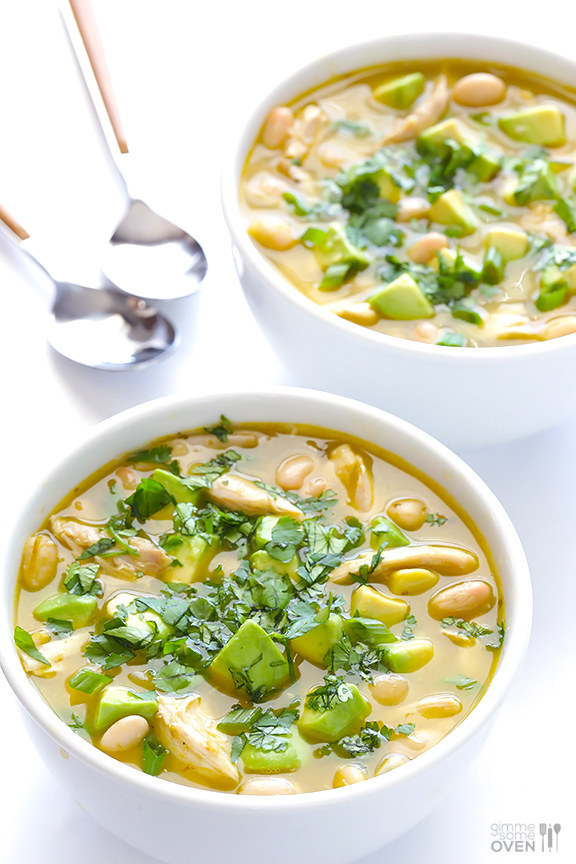

All you need are few simple ingredients to create this delicious 5-Ingredient Easy White Chicken Chili recipe. You can make it quickly on the stove, or let it simmer all day in your slow cooker.

5. Healing Green Tea and Chickpea Soup


This recipe is for a marvelous, healing soup with some cold-fighting garlic-y tortilla triangles for dipping. It’s a triple-carb affair (naturally) because your body needs the fuel so, yes, now is the time to eat chickpeas, pasta and bread in one meal. There are veggies in there too and it’s the perfect base to add some shredded chicken or tofu to if you desire.

6. Roasted Carrot Ginger


Besides the vigor added from the fresh ginger, the flavoring of this soup comes from a little bit of ground coriander and allspice. Simple.

7. 15-Minute Coconut Curry Noodle Soup


Despite the speediness of its assembly, this soup has an amazingly complex, flavor. Enjoy the richness of the coconut milk, the spicy of the curry paste, the tangy bite of the lime to the funky awesomeness of the fish sauce.

8. Roasted Carrot and Sweet Potato Turmeric Soup


This roasted carrot and sweet potato soup is warm, comfy, and healing for the soul. And with turmeric – a natural anti-inflammatory will ease all pain.

9. Turmeric Miso Soup with Shiitakes, Turnips and Soba Noodles


To “cleanse” your body of toxins is to treat it well. By that, we mean more fruits and vegetables, clean food free of preservatives, and more home-cooked meals. We know the thought of making a home-cooked meal can be daunting, given busy schedules and such. But what if you could make this delicious (and healthy) soup in 20 minutes?

10. Turmeric Broth Detox Soup


Make this fragrant detoxing Turmeric broth, then make the soup your own. This one meal can easily be made in 30 minutes or less! If you feel like slurping, add in some rice noodles, chickpeas and kale

11. Cleansing Detox Soup


This oil-free Cleansing Detox Soup is packed with all the good stuff, and by good stuff we mean immune-boosting natural remedies like fresh lemon juice, fresh zingy ginger, bright turmeric, balancing cinnamon, and a touch of spicy cayenne. Detoxifying vegetables and leafy greens like kale, broccoli, celery and carrots will cleanse, nourish and make you feel whole.

12. Golden Beet and Fennel Soup


This Golden Beet and Fennel Soup is an earthy creamy healthful soup. full of nutrients and fiber. Not only is this golden beet soup not red, it also hits the spot on a cold winter’s day. BOOMshakalaka!

13. Thai Yam Soup with Lemongrass and Ginger


Vegan and gluten free, this recipe for Thai Sweet Potato Soup is healthy and light, and will bring a little sunshine into your life with its bright, warm flavors.

14. Black Bean and Sweet Potato Superfood Soup

This soup has a hint of sweetness and is spiced with chipotle chili powder, cumin, and turmeric. Black beans, sweet potato, and red cabbage all make a superfood star appearance dressed with cilantro and avocado.

15. Immune Boosting Garden Herb Stock


There is nothing more of a sialagogue than a pot of stock simmering away on the stovetop and this vegan garden herb stock is a recipe you will definitely want to make again and again.

[via]

Thursday, October 2, 2014

Home Remedies for Headache Treatment

Headaches, including migraines, are extremely common. Because headaches can stem from a variety of causes, some headache sufferers seek treatment on a near-daily basis. Fortunately, there are several home-remedy treatments that can help alleviate migraine pain and other types of headaches.


Lavender Oil

Not only does lavender smell great — it’s also a useful home remedy for headaches and migraine pain. Lavender oil can be either inhaled or applied topically. Two to four drops for every two to three cups of boiling water are recommended when inhaling lavender-oil vapors as a headache treatment. Unlike many medicinal oils, this home remedy can also be safely applied externally without the need to dilute it. Lavender oil should not be taken orally.


Peppermint Oil

Peppermint is a soothing home remedy that has been shown to benefit tension headaches. This fresh-smelling oil has vaso-constricting and vaso-dilating properties, which help control blood flow in the body. Headaches and migraine pain are often due to poor blood flow, and peppermint oil helps to open and close the vessels that promote flow. Peppermint home remedies also open up the sinuses so that more oxygen can get into the bloodstream.

Basil Oil

Basil, the strong-scented herb used as a topping for pizzas and pastas, certainly tastes and smells good. And for people in need of a natural headache treatment, the oil derived from basil plants can also be a useful home remedy. Basil works as a muscle relaxant, so it is especially helpful for headaches caused by tension and tight muscles.


Diet Fixes

One of the most useful home remedies for reducing headaches and migraine pain involves making changes to your diet. Certain foods have been shown to affect the frequency and severity of headaches and migraine pain, including dairy; chocolate; peanut butter; certain fruits, such as avocado, banana, and citrus; onions; meats with nitrates, such as bacon and hot dogs; foods containing monosodium glutamate (MSG); foods containing tyramine, an amino acid found in red wine; and foods that are fermented or pickled. Keep track of these trigger foods and your reaction to them with a food diary.


DIY Scalp Massage

Do-it-yourself scalp massages can be an effective way to alleviate migraine pain, and they feel great. Researchers in Brazil showed that massaging the greater occipital nerve — the area in the back of the head, at the base of the skull — reduces migraine pain. Massage in general has been identified as a useful home remedy for headaches, especially reflexology (massaging reflex points on the hands and feet).


Feverfew

Feverfew, as its name suggests, is used to treat fever, but it’s most commonly known as an herbal headache treatment. This home remedy became popular in the 1980s, when a landmark study in Great Britain showed that 70 percent of participants had less migraine pain after taking feverfew daily. Since then, more studies have demonstrated feverfew’s benefit in preventing and treating migraine pain. One study showed improvement in migraine pain among people who took daily feverfew in combination with white willow, another herbal home remedy, which contains properties similar to aspirin.

Flaxseed

Some headaches are caused by inflammation, which can be reduced by consuming omega-3 fatty acids. Flaxseed can help provide headache relief because it’s rich in omega-3s. Flaxseed can be used as a home remedy in several forms, including as an oil and ground or whole seeds.

Buckwheat

Buckwheat’s usefulness as a home remedy for headaches and migraine pain comes from a flavonoid known as rutin. Flavonoids are phytochemicals, which are found in plants, and have been shown to contain antioxidant properties, which counteract damage to cells. In addition, researchers in Taiwan have demonstrated the effects of flavonoids on inflammation, a common cause of headaches.

Thursday, May 1, 2014

5 Powerful Antibiotics That Don't Require a Prescription


Hospital antibiotics have become one of the most over prescribed "medicines" today. As a result people have ruined their digestive systems, and ironically, have lowered their natural immunity to all types of infections in the future. Get rid if infections without the digestive destruction, with these five powerful natural antibiotics.

Garlic

Garlic has been used medicinally by cultures around the world for thousands of years. In fact, it was used in the 1700s to ward off plague.

Garlic possesses potent antibiotic, antiviral, antifungal, and antimicrobial properties and is able to help protect and facilitate removal of unfriendly bacteria. It is also very high in natural antioxidants that destroy free radicals, which also supports a strong immune system.

The active ingredient in garlic, allicin, is the key component to killing and warding off harmful bacteria. Crush it to activate these compounds, and eat it raw, in a warm tea, or in lightly cooked food.

Colloidal Silver

Colloidal silver has been known as an effective antibiotic for centuries. In the early 1900s, Alfred Searle, founder of the Searle pharmaceutical company, discovered that it could kill the most deadly pathogens.

Searle stated that applying colloidal silver to human subjects has been done in a large number of cases with astonishing results. The main advantage was that it was rapidly fatal to microbes without toxic action on its host.

Recent research has also stated that colloidal silver can destroy antibiotic resistant microbes like MRSA, the bird flu, and SARS.

Oil of Oregano

Oil of oregano takes care of pathogenic bacteria without disrupting beneficial bacteria. It is also antiviral and antifungal which makes it a powerful three-in-one combination that rivals pharmaceuticals while not encouraging antibiotic resistance.

The key antimicrobial ingredient in oil of oregano is carvacrol. You should ensure that your source is at least 70 percent carvacrol content in order to be effective.

Echinacea

Echinacea has been used to treat a wide variety of infections for hundreds of years. Traditionally, it was used to treat open wounds, diphtheria, blood poisoning, and other bacterial related illnesses.

Today, this potent herb is used mostly for colds and flu, due to its ability to destroy the most dangerous forms of bacteria such as staphylococcus aureus, which causes deadly MRSA.

Manuka Honey

Perhaps the most palatable antibiotic comes in the form of manuka honey. Applied topically it can kill a wide range of pathogens including MRSA and flesh eating bacteria. It was also found that the treated bacteria did not build up any resistance, which would eventually render manuka honey ineffective.

This is certainly not an exhaustive list of natural antibiotics, but a great start for an all natural pharmacy. Also consider reishi, pau d'arco, una de gato, olive leaf extract, cloves, turmeric, and even lemons to round out your antibiotic arsenal.

Thursday, July 25, 2013

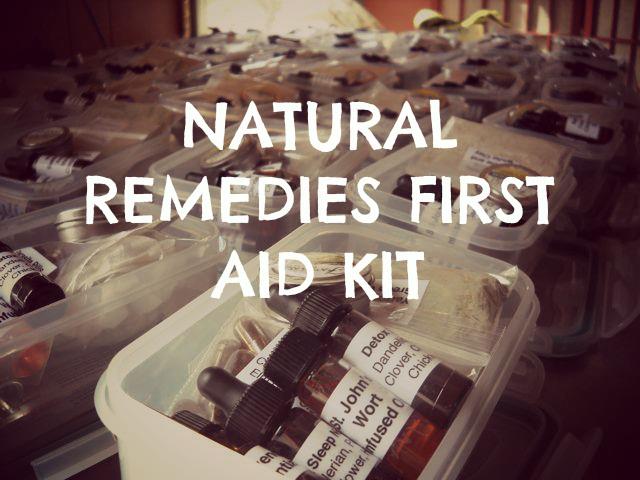
Natural Remedies First Aid Kit Checklist


1. Valerian Tincture

The sedative properties of valerian make it useful for relieving anxiety, insomnia and tension; it may also provide mild pain relief.

2. Eucalyptus Essential Oil

A potent antibiotic and antiviral, eucalyptus is excellent for treating colds and sinus infections when used as a steam inhalation.

3. Witch Hazel Extract

Distilled witch hazel has reported astringent, antiseptic and anti-inflammatory properties, useful for treating insect bites and skin irritations. It’s also an excellent base for diluting essential oils for topical application. Do not take it internally.

4. Herbal Insect Repellent

Herbal insect repellents work well when applied liberally and frequently.

5. Arnica Gel or Cream

Arnica flowers have anti-inflammatory and circulation-stimulating properties; the gel or cream may help relieve sore muscles, sprains, strains and bruises. Do not apply arnica to broken skin.

6. Grindelia Poison Ivy Treatment

Grindelia, also known as gumweed, contains resins and tannins that help relieve the symptoms of plant rashes such as poison ivy and poison oak.

7. Lemon Essential Oil

Uplifting, clarifying lemon essential oil can be used as aromatherapy to help dispel mental fatigue. It is also antiseptic, but should be diluted before being applied to the skin.

8. Echinacea Liquid Extract

Rich in phytochemicals that boost immunity, versatile liquid echinacea extract can be used internally to treat infections and externally for wounds and burns.

9. Calendula/Comfrey Salve

With calendula’s antimicrobial and anti-inflammatory properties and comfrey’s ability to help heal wounds, this salve is perfect for minor cuts and scrapes.

10. Goldenseal Capsules or Powder

A powerful antimicrobial, goldenseal is effective against a variety of microorganisms that cause traveler’s diarrhea. The powder also has antiseptic properties and can be sprinkled onto cuts or wounds to stop bleeding. Do not use during pregnancy.

11. Ginger Capsules, Tea Bags or Crystallized Ginger

The antispasmodic and gas-relieving properties of ginger soothe digestive upsets. Ginger also has been shown to relieve motion sickness better than Dramamine, the conventional drug treatment.

12. Peppermint Essential Oil and Tea Bags

Peppermint soothes an upset stomach, eases congestion from the common cold and curbs itching from insect bites. If you have sensitive skin, dilute peppermint oil before applying. Peppermint tea may aggravate heartburn.

13. Eleuthero Standardized Extract

An excellent adaptogen, eleuthero can help prevent jet lag. Standardized extracts guarantee you’re getting sufficient amounts of eleutherosides, the herb’s active compounds.

14. Lavender Essential Oil

Multi-purpose lavender has sedative, anti-inflammatory and antiseptic properties. It’s helpful for anxiety, insomnia, headaches, wounds and burns. Most people can tolerate lavender essential oil applied directly to the skin. Do not take more than 1 to 2 drops internally.

15. Chamomile Tea Bags

Gentle enough for children, chamomile tea promotes relaxation, relieves indigestion and, applied topically, soothes skin irritations.

16. Elderberry Capsules or Liquid Extract

Elderberries can help prevent cold and flu viruses from invading and infecting cells. If you’re flying or otherwise potentially exposed to viruses, taking elderberry is a good preventive. If you come down with a cold or flu, elderberry can hasten your recovery time.

17. Aloe Vera Gel

Cooling and healing, aloe vera soothes the inflammation of sunburn and mild kitchen burns.