Showing posts with label carbs. Show all posts

Friday, February 5, 2016

15 Soups That Will Actually Cure Your Cold

1. Coconut Ginger Carrot Soup


Creamy is where this incredible coconut ginger carrot soup recipe goes. Have your heard so many delicious flavors in one recipe title? Even better, this soup is an amazing immunity-booster just in time for cold and flu season.

2. Immune Boosting Vegetable Soup


Tis the season for colds, flus, and sickey germs everywhere. This supremely flexible ingredient soup is the perfect antidote to all that.

3. Flu Fighter Chicken Noodle


Loaded with good for you ingredients and full of flavor – this absolutely delicious chicken noodle soup makes for a wonderful dinner! It’s also a tasty remedy for battling off a nasty cold or flu!

4. 5 Ingredient White Chicken Chili
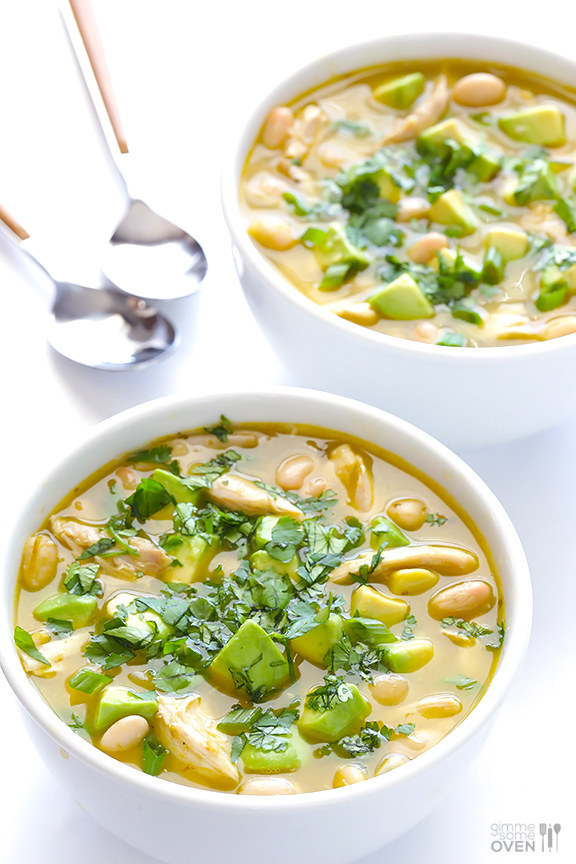

All you need are few simple ingredients to create this delicious 5-Ingredient Easy White Chicken Chili recipe. You can make it quickly on the stove, or let it simmer all day in your slow cooker.

5. Healing Green Tea and Chickpea Soup


This recipe is for a marvelous, healing soup with some cold-fighting garlic-y tortilla triangles for dipping. It’s a triple-carb affair (naturally) because your body needs the fuel so, yes, now is the time to eat chickpeas, pasta and bread in one meal. There are veggies in there too and it’s the perfect base to add some shredded chicken or tofu to if you desire.

6. Roasted Carrot Ginger


Besides the vigor added from the fresh ginger, the flavoring of this soup comes from a little bit of ground coriander and allspice. Simple.

7. 15-Minute Coconut Curry Noodle Soup


Despite the speediness of its assembly, this soup has an amazingly complex, flavor. Enjoy the richness of the coconut milk, the spicy of the curry paste, the tangy bite of the lime to the funky awesomeness of the fish sauce.

8. Roasted Carrot and Sweet Potato Turmeric Soup


This roasted carrot and sweet potato soup is warm, comfy, and healing for the soul. And with turmeric – a natural anti-inflammatory will ease all pain.

9. Turmeric Miso Soup with Shiitakes, Turnips and Soba Noodles


To “cleanse” your body of toxins is to treat it well. By that, we mean more fruits and vegetables, clean food free of preservatives, and more home-cooked meals. We know the thought of making a home-cooked meal can be daunting, given busy schedules and such. But what if you could make this delicious (and healthy) soup in 20 minutes?

10. Turmeric Broth Detox Soup


Make this fragrant detoxing Turmeric broth, then make the soup your own. This one meal can easily be made in 30 minutes or less! If you feel like slurping, add in some rice noodles, chickpeas and kale

11. Cleansing Detox Soup


This oil-free Cleansing Detox Soup is packed with all the good stuff, and by good stuff we mean immune-boosting natural remedies like fresh lemon juice, fresh zingy ginger, bright turmeric, balancing cinnamon, and a touch of spicy cayenne. Detoxifying vegetables and leafy greens like kale, broccoli, celery and carrots will cleanse, nourish and make you feel whole.

12. Golden Beet and Fennel Soup


This Golden Beet and Fennel Soup is an earthy creamy healthful soup. full of nutrients and fiber. Not only is this golden beet soup not red, it also hits the spot on a cold winter’s day. BOOMshakalaka!

13. Thai Yam Soup with Lemongrass and Ginger


Vegan and gluten free, this recipe for Thai Sweet Potato Soup is healthy and light, and will bring a little sunshine into your life with its bright, warm flavors.

14. Black Bean and Sweet Potato Superfood Soup

This soup has a hint of sweetness and is spiced with chipotle chili powder, cumin, and turmeric. Black beans, sweet potato, and red cabbage all make a superfood star appearance dressed with cilantro and avocado.

15. Immune Boosting Garden Herb Stock


There is nothing more of a sialagogue than a pot of stock simmering away on the stovetop and this vegan garden herb stock is a recipe you will definitely want to make again and again.

[via]

Tuesday, March 17, 2015

7 Natural and Healthy Foods To Boost Your Mood

We did a little research and compared recent studies in order to build the ultimate list of healthy foods, which can help in our constant fight against stress, anxiety and depression. Feel free to browse through the pages and see which healthy foods to eat in order to feel happier.

Dark Chocolate

It's no surprise that chocolate is first on our list, but it's good to know that there is a little science behind the theory that eating chocolate makes us happy. Consuming dark chocolate every day for two weeks (1.4 ounces of it) will reduce the stress hormones, cortisol included. According to the experts we have to thank the antioxidants in chocolate. Just stick to those 1.4 ounces or you may find yourself in a world of stress when you see some extra pounds in the mirror.


Carbs

Many believe that carbs make you fat. Well they don't, in fact they can be a great mood buster. According to a recent study in the Archives of Internal Medicine, people who followed a very-low-carbohydrate diet – felt victims to depression, anger, bad mood and anxiety than those who followed a low-fat, high-carb diet, focused on low-fat dairy, whole grains, beans and fruits.

Carbs stimulate the production of serotonin – a feel-good brain chemical.


Fruits and Vegetables

In order to eat healthy we must turn our attention to foods that have been processed or refined as little as possible. We stumbled upon a recent study in the British Journal of Psychiatry, that evolved around 3.500 people eating a whole foods diet rich program. The results have show that they were less likely to feel depressed than those who ate fried foods, processed meats and other high fat refined dairy products.

Antioxidants found in fruits and vegetables as well as omega -3 fatty acids are always associated with good mood. Folate (a Vitamin B) found in dark green vegetables like spinach or in beans and citrus affects the neurotransmitters that are in charge of our mood.

Fish

Omega 3 is a key mood-boosting nutrient found in oily, fatty fish like salmon, tuna, sardines and rainbow trout. They alter the brain chemicals (dopamine and serotonin) which are directly linked with our mood. Dopamine is a rewarding chemical released by the brain as a reaction to pleasurable experiences, while the lack of serotonin is associated with aggression, depression and suicidal tendencies.

Saffron

There are many evidences from earlier studies that support the claim that saffron helps decline mood swings and depression. In fact this plant has the same antidepressant effect as the antidepressants fluoxetine (Prozac) and imipramine (Tofranil). It works by the same principal as Prozac, transmitting more feel good serotonin to the brain.

Coconut

Did you know that only the scent of coconut may blunt your natural response to “flight or fight” by slowing the heart rate? A small pilot research done by the Colombia University has shown that coconut fragrance recovers the blood pressure more quickly. Inhaling a pleasant scent may enhance awareness by relieving the reaction to stress.

Tea

According to The Journal of Nutrition, drinking green, caffeinated or oolong tea may evoke a more active state of mind. When we drink these types of tea – an amino acid called theanine is working synergistically with caffeine to improve awareness and focus. The same study suggest drinking at least 5 to 6 cups of tea daily.


Wednesday, February 26, 2014

Gluten Intolerant? You May Just Be Intolerant of Monsanto Weed Killer

Scientists suggest that Monsanto’s Roundup herbicide is what’s making people have such a nasty reaction to gluten

Gluten has been a major news item for the last few years—not just for sufferers of acute gluten intolerance and celiac disease, but for increasing numbers of people who are seeking to eliminate gluten from their diet for general health issues, weight control, skin health and even mood. As cholesterol and the carbs once were, gluten is the new enemy, to the point that some have claimed it’s a substance that the body isn’t equipped to handle.

I’ve even heard people blame gluten for all of the ails of modern civilization: After all, the cultivation of wheat, some say, is the birth of agriculture, and the ownership of crops goes hand in hand with the ownership of people that characterizes patriarchal, hierarchical civilization. Bread and beer, both products of wheat, people like Terence McKenna have suggested, are responsible for our generally degenerate state.

But all over-the-top speculation aside, a new scientific review has suggested a far more specific problem with gluten: And it has nothing to do with wheat itself.

Rather, the peer-reviewed article “Glyphosate, pathways to modern diseases Celiac sprue and gluten intolerance” suggests that the real criminal isn’t gluten but, rather, Glyphosate, AKA Roundup, the Monsanto-manufactured weedkiller used around the world. Glyphosate is sprayed on crops genetically engineered to be “Roundup Ready,” meaning that the crops resist the poison, while any nearby weeds are immediately killed. But that potentially leaves the end-product consumer with two toxic vectors to deal with: not only the Roundup that was sprayed on the crops, but, in some cases, the prior genetic engineering done to the crops themselves.

The review abstract lists the following allegations:

• 5% of the population in North America and Europe suffer from celiac disease and gluten intolerance, leading to nausea, diarrhea, rashes, macrocytic anemia (swollen red blood cells combined with lack of red blood cells overall) and depression. It can also lead to increased risk for thyroid disease, kidney failure, cancer, non-Hodgkin’s lymphoma, infertility, birth defects and miscarriages.

• Glyphosate is the key culprit for all of this.

• Fish exposed to glyphosate get symptoms similar to celiac disease.

• Glyphosate impairs the enzymes that detox environmental toxins, chelates key minerals (meaning you don’t absorb them), depletes key amino acids

• Glyphosate is often used to artificially “ripen” crops, which the study blames for kidney failures in Central American sugar cane workers.

Bad news for Monsanto, especially after the recent kerfluffle over the prior, extremely controversial Seralini study on glyphosate. Because very little negative research has been done into Glyphosate (because, as activists allege, Monsanto funds nearly all the studies into Glyphosate), it’s been slow going in building a case against Roundup. But this information—which looks much more sound than the Seralini study—may prove yet another arrow in Monsanto’s side.
