Showing posts sorted by date for query lettuce. Sort by relevance Show all posts

Friday, December 5, 2014

Five of the Healthiest and Most Affordable Foods Available


By Dr. Mercola

Processed foods may be convenient, but they will not necessarily save you money—especially not if you count the cost of added healthcare expenses down the road when poor diet starts catching up with you.

In terms of long-term disease-prevention, cooking from scratch using fresh unprocessed ingredients is perhaps your best guarantee.  Recent research 1, 2 on healthy eating suggests that home cooking tends to result in reduced calorie consumption. People who ate the most home-cooked meals wound up consuming about 130 fewer calories daily, on average.

The authors also noted that: “If a person—or someone in their household—cooks dinner frequently, regardless of whether or not they are trying to lose weight, diet quality improves.”

Contrary to popular belief, healthy unadulterated foods also do not necessarily have to cost you a lot more than processed fare. There are in fact many examples of exceptionally affordable health foods. Following are five examples that are frequently overlooked.

#1: Homemade Bone Broth

Homemade bone broth is a true staple that can go a long way toward improving your diet and health. It’s excellent for speeding healing and recuperation from illness, and it contains many valuable vitamins, minerals, and other nutrients that support your immune function.

These includes calcium, magnesium, phosphorus, silicon, sulfur, trace minerals, and compounds like chondroitin sulphates and glucosamine, which are sold as expensive supplements for arthritis and joint pain.

Other health benefits of good-old-fashioned bone broth include:
  • Helps heal and seal your gut, and promotes healthy digestion: The gelatin found in bone broth is a hydrophilic colloid. It attracts and holds liquids, including digestive juices, thereby supporting proper digestion    
  • Inhibits infection caused by cold and flu viruses, etc.: A study published over a decade ago found that chicken soup indeed has medicinal qualities, significantly mitigating infection
  • Reduces joint pain and inflammation, courtesy of chondroitin sulphates, glucosamine, and other compounds extracted from the boiled down cartilage    
  • Fights inflammation: Amino acids such as glycine, proline, and arginine all have anti-inflammatory effects. Arginine, for example, has been found to be particularly beneficial for the treatment of sepsis (whole-body inflammation).
  • Glycine also has calming effects, which may help you sleep better
  • Promotes strong, healthy bones: As mentioned above, bone broth contains high amounts of calcium, magnesium, and other nutrients that play an important role in healthy bone formation    
  • Promotes healthy hair and nail growth, thanks to the gelatin in the broth
Making your own bone broth is extremely cost effective, as you can make use of leftover carcass bones that would otherwise be thrown away. And while the thought of making your own broth may seem intimidating at first, it's actually quite easy. For instructions and a sample bone broth recipe, please see this previous article.

#2: Homegrown Vegetables and Sprouts

Growing your own food is a great way to lower your food costs, improve your health, and help build a more sustainable food system. Homegrown vegetables are fresher, taste better, and are oftentimes more nutritious than store-bought food that has traveled thousands of miles—and you certainly cannot beat the price!

Whole, organically grown plants are a rich source of natural medicine. Even our DNA contains much of the same material found in the plant world, which gives new meaning to the idea of healing plants.

Even if you only have access to a patio, you can still grow some of your own veggies using containers. Tomatoes, herbs, cucumbers, lettuce, and peppers are examples of plants that thrive in containers. You can also use hanging baskets to utilize your lateral space.

To learn more, please see this article on creating edible gardens in small spaces. We’ve also written about how you can garden during the winter. This clearly requires a bit more dedication and planning, but it can be done if you have the will.

If, for whatever reason, you are unable to garden or prefer not to, then you can still access healthy vegetables grown locally by supporting local farmer's markets.

One of the easiest plants to grow at home, even if you’re new to gardening and have limited space is sprouts. It’s also an excellent choice during winter months, when outdoor gardening is limited or ruled out.

A concentrated source of enzymes, vitamins, minerals, and other phytochemicals, sprouted seeds are a true superfood that many overlook. In fact, the protein, vitamin, and mineral content of many sprouted seeds far surpass that of organic homegrown vegetables!

An added boon is that they grow really quickly. You can have homegrown sprouts ready to harvest in a matter of days, which you can then add to salads, soups, or fresh vegetable juice.

Some of my favorites include watercress, broccoli, and sunflower seeds. Sunflower seeds can provide you with 30 times the nutrient content of organic vegetables, and sprouts in general also contain up to 100 times more enzymes than raw fruits and vegetables. These enzymes are important as they allow your body to absorb and use the nutrients of other foods you eat as well.

Broccoli sprouts, specifically, have been shown to help detoxify a number of environmental pollutants, including carcinogens like benzene and acroleine. They’re also an excellent alternative if you don't like the taste or smell of broccoli, which has well-established anti-cancer properties.

Studies suggest that watercress may have cancer-suppressing activity resembling that of broccoli sprouts, and its overall nutritional profile surpasses most other sprouted seeds, including sunflower seeds.

I started sprouting seeds in Ball jars about 20 years ago. Now I grow them in them in trays using soil instead, as it’s far easier and produces more nutritious and abundant food. For directions, see my previous article, “How to Grow Your Own Food in Small Spaces.”

#3: Fermented Vegetables

Once you’re growing your own vegetables, fermenting them will allow you to eliminate waste and provide you with healthy food during the non-growing season. Fermented vegetables are teeming with essential enzymes and beneficial bacteria needed for optimal gut health and digestion, and they are easier to digest than raw or cooked vegetables.

When your gastrointestinal (GI) tract is not working well, a wide range of health problems can appear, including allergies and autoimmune diseases. If fermented with a special starter culture, they can also provide high levels of vitamin K2.

If you suffer from any major illness, it is important to “heal and seal" your gut in order to fully recuperate. Fermented foods are a cornerstone for maintaining a healthy gut.

Just one quarter to one half cup of fermented food, eaten with one to three meals per day, can have a dramatically beneficial impact on your health. Fermented vegetables and other cultured foods also offer a multitude of medicinal rewards by:

Strengthening immunity with increased antibodies that fight off infectious disease
  • Helping pregnant and nursing mothers transfer beneficial bacteria to their infants
  • Beneficially impacting the behavior of children with autism, ADD, and ADHD
  • Regulating weight and appetite by reducing cravings for sugar, soft drinks, bread, and pasta -- all foods I strongly advise against
  • Helping your body detoxify a variety of environmental toxins, including pesticides and heavy metals
Ideally, you'll want to include a variety of cultured and fermented foods in your diet, as each provides different beneficial bacteria. Besides fermented vegetables, other cultured foods include kefir and yogurt, ideally made from raw organic milk. To make it yourself, all you need is one-half packet of kefir starter granules in a quart of raw milk, which you leave at room temperature overnight. Leftovers can be stored in the fridge for a few days. 

#4: Canned Wild Alaskan Salmon

So far, we’ve talked mainly about home-grown foods. Avoiding processed and pre-packaged foods is key for optimal health, but there are a few exceptions. One canned food I do recommend is canned wild-caught Alaskan salmon. It’s inexpensive, selling for around a dollar or two in many places, and, in my view, the high amounts of healthy fats and lower contamination levels found in wild-caught salmon outweighs the risks of it being sold in a can. Some brands also offer BPA-free cans, which is well worth looking for. Rising pollution levels have contaminated most fish to the point of being potentially hazardous, especially for children and pregnant women, if eaten too frequently, or in too high amounts.

The key to eating fish these days is to choose fish that are high in healthy omega-3 fats, and low in hazardous contaminants. Wild-caught Alaskan salmon (NOT farmed salmon such as Atlantic salmon) fits this description, and is one of the few types of fish I still recommend eating. Fresh or frozen Alaskan salmon tend to be pricier, so canned salmon can be a thrifty alternative. Just make sure it's labeled "Alaskan Salmon," as it is not allowed to be farmed. Sockeye salmon is another healthy option that cannot be farmed. Sockeye salmon has the added advantage of having one of the highest concentrations of astaxanthin of any food. Other canned fish that are in the safer category (having lower contamination risk and higher nutritional value) are sardines, anchovies, and pickled herring—all of which also contain higher amounts of healthy fats such as omega-3.

#5: Organic, Free-Range or Pastured Eggs

Organically raised free-range or "pastured" eggs are another excellent source of high-quality nutrients, especially high-quality protein and fat. Proteins are essential to the building, maintenance, and repair of your body tissues. Proteins are also major components of your immune system and hormones. While found in many types of food, only foods from animal sources, such as meat and eggs, contain "complete proteins," meaning they contain all of the essential amino acids. Eggs also contain lutein and zeaxanthin for eye health, choline for your brain, nervous and cardiovascular systems, and naturally occurring B12.

The key to healthy eggs is making sure they come from chickens that have been allowed to range free on pasture. The nutritional differences between true free-ranging chicken eggs and commercially farmed eggs are a result of the different diets eaten by the two groups of chickens. You can tell the eggs are free range or pastured by the color of the egg yolk. Foraged hens produce eggs with bright orange yolks. Dull, pale yellow yolks are a sure sign you're getting eggs from caged hens that are not allowed to forage for their natural diet.

Your best source for fresh eggs is a local farmer that allows his hens to forage freely outdoors. The following organizations can also help you locate not only farm-fresh eggs but also other organic and locally produced foods, including many of those discussed above.
  • Local Harvest -- This Web site will help you find farmers' markets, family farms, and other sources of sustainably grown food in your area where you can buy produce and grass-fed meats.
  • Eat Wild: With more than 1,400 pasture-based farms, Eatwild's Directory of Farms is one of the most comprehensive sources for pastured foods in the United States and Canada.
  • Farmers' Markets -- A national listing of farmers' markets.
  • Eat Well Guide: Wholesome Food from Healthy Animals -- The Eat Well Guide is a free online directory of sustainably raised meat, poultry, dairy, and eggs from farms, stores, restaurants, inns, and hotels, and online outlets in the United States and Canada.
  • FoodRoutes -- The FoodRoutes "Find Good Food" map can help you connect with local farmers to find the freshest, tastiest food possible. On their interactive map, you can find a listing for local farmers, CSAs, and markets near you.
[via Mercola]

Wednesday, October 22, 2014

Beyond Pumpkin: 10 Other Fall Foods to Eat Right Now

Pumpkin gets all of the love when it comes to fall food, but fall flavors go way beyond that beautiful orange squash. Find these fall foods at your farmers market!

Don’t get me wrong. I love pumpkin and pumpkin spice. But you can’t live on pumpkin alone, as much as we all may want to.

Fall is such a bountiful season, and there are tons of delicious, seasonal fall foods that I could have listed below. The foods on this list are in season right now, and they’re some of my favorites to pile onto my plate. Cheers!

10 Fall Foods in Season Now


1. Arugula – Arugula gets a lot of love as a spring green, but you can also often find it at local markets in early fall. Pair bitter arugula with a bright lemon vinaigrette or try it on a sandwich in place of lettuce.


2. Eggplant – Eggplant's subtle and distinctive combination of textures and flavors - smooth, fleshy, creamy, smoky - make it a versatile and beguiling component of many great dishes. Try it in any of these vegan and vegetarian eggplant recipes.


3. Grapes – Grapes are in season now all over the U.S. and will stay in season until about December. See what types of grapes are available at your local market. You can eat them as-is, of course, or use them to make delicious food art.


4. Cabbage – Cabbage is the humblest of the uber healthy cruciferous vegetables. It’s affordable, healthy, and in season right this second! If you’re sick of slaw, try making your own fermented sauerkraut. It’s good on sandwiches, stirred into a bowl of stew, or on top of grain bowls.


5. Pecans – Snatch up those seasonal pecans now! Pecans are lovely stirred into oatmeal or baked in a pie, but you can also use them in recipes like these homemade chocolate energy bars.


6. Carrots – Pumpkins aren’t the only orange fall foods that deserve your attention. Early fall is peak carrot season. If you need a little carrot inspiration, try shredding them into a pan-full of carrot muffins.


7. Brussels Sprouts – People tend to love or hate these tiny cabbages, and I fall squarely onto the love end of the spectrum. Try roasting them up with olive oil and a touch of balsamic vinegar at 425F for about 45 minutes. Stir every 10-15  minutes until they’re soft and a little bit brown.


8. Potatoes – White potatoes don’t get a lot of attention, but I am a big potato fan. They’re filling, affordable, and surprisingly healthy. Bake ‘em, mash ‘em, or cook ‘em into fritters. If you want to replace the egg in that fritter recipe, just whisk 1 tablespoon flax meal into 3 tablespoons of water, and let it sit for about 5 minutes. Boom! Flax egg.


9. Turnips – As root veggies go, turnips don’t get the limelight too often, but I love them. If you’re sick of using turnips in soups and stews, try using them in place of radishes in this recipe. I have done it, and it was amazing.


10. Leeks – Adding sauteed leeks to any recipe somehow makes it instantly special. Leeks are one of those fall foods that seem expensive, but don’t have to be. A little goes a long way, so just grab one or two leeks instead of a whole, pricey bunch. If you need a little bit of help including seasonal leeks in your cooking, try one of these leek recipes.

Tuesday, October 21, 2014

5 Crazy New Reasons Organic Produce Is Really Worth Your Money (and How to Afford It!)


In the quest for a healthier body and a longer life, U.S. consumers are filling their grocery carts with more organic produce than ever, and that number continues to climb every single year. While that’s a great thing for those that can and choose to do so, conventional produce still accounts for a majority of produce sold here in the United States, especially among those who believe organic is too expensive, or who aren’t fully aware of the benefits that come from eating organic foods.

Not all things are 100% necessary to buy organic, such as paper goods and clothing. Even food and beverages labeled certified non-GMO are safer than traditional, conventional foods, even if they aren’t certified organic. However, one area you definitely want to go organic when you can is the produce department. When you’re a vegan, you can luckily avoid having to worry about buying organic meat, poultry, milk, eggs, and dairy (since you may know that organic labeling doesn’t negate the cruelty animals on organic farms go through.) You’ll also save more money by not buying animal products, which will leave you more funds to spend on healthy, organic plant-based items.

Everyone knows that organic foods are beneficial to our  health and the planet,  but do you know exactly why? Here are five reasons to make the switch today:

1. Allergies

Did you know that allergies can arise from consuming non-organic produce? Many people find this is also the case with genetically modified foods. Foods that are directly sprayed with chemicals or that are chemically altered in any way may lead to allergic reactions that can be hard to trace back to your diet. Many people may suspect they have a food allergy, when it could be a chemical in the food instead. The immune system sees chemicals as invaders and sets off an allergic reaction as a result. Buy all organic produce for one week and see how you feel. Be sure to also buy organic pre-packaged foods when you can as well.

2. Gut Microbiome

Pesticides and herbicides contain chemicals that can kill off your beneficial gut bacteria. Low levels of beneficial gut bacteria have been linked to depression, weight gain, diabetes, and yeast overgrowth. Pesticides, antibiotics, and other chemicals sprayed on foods have been shown to change the way the brain and gut work due to the depletion of good gut bacteria. Over time, low gut bacteria and consistent intake of pesticides and chemicals can also lead to leaky gut syndrome, which can cause severe digestive upset and harm.

3. Diabetes

Many chemicals and pesticides have also been linked to poor insulin function, which can cause type 2 diabetes or even mild blood sugar sensitivities. Since everything you eat enters the bloodstream, putting chemicals in your veins doesn’t make a whole lot of sense if you want your hormones such as insulin and leptin that affect your blood sugar, to work their best for you and your health.

4. Animal Safety

One of the most overlooked benefits of buying organic foods is how it actually benefits the animals on farms where organic produce is grown. It’s commonly known that eating organic foods benefits the environment and may help prevent global warming, however, eating organic foods also ensure that animals on these farms or who live nearby these farms aren’t being exposed to harmful pesticides, chemicals, fertilizers, and herbicides.

5. Obesity

It sounds a bit far-fetched to think that you could gain weight from eating conventional produce like celery and bananas, but don’t shake your head at the thought of the idea just yet. The chemicals in non-organic produce and other conventional foods has been shown to create a toxic state within the cells and slow down the metabolism as a result. Considering that our immune system has to work harder to fight off such toxins, it only makes sense that our metabolisms would also slow down.

I know a conventional head of lettuce or shiny red apple might seem harmless enough, but don’t let their appeal fool you. Many are coated with sprays to make them more appealing to consumers, but they actually taste worse than their organic, fresh counterparts. Always go for organic, because if you wouldn’t spray chemicals like Round-up on foods yourself, why would you pay for someone else to?

Feed your body organic, plant-based foods. Want to know how to afford them? Here are some great tips!

1. Buy What’s on Sale

This allows you to rotate what you buy each week and it helps you get in a variety of nutrition. Many stores will cycle when certain organic items go on sale. For example, some rotate the same sale items every four weeks, while some are up to six weeks. Start to pay attention to when items go on sale and you’ll know what to buy when. Or, you can always get friendly with your produce guy (which I highly suggest) and just ask him yourself. Then ask when new trucks are delivered and be sure to get to the store the day the new sale starts and fresh items are delivered. There’s no need to visit multiple stores, but doing so will also give you more exposure to sales.

2. Compare the Cost

Most of the time, organic produce is only a dollar or so more than conventional items. If you can’t afford to buy everything organic, buy what organic foods you can (especially those off the Dirty Dozen list) and eat more of those instead of paying to eat foods filled with chemicals.

Plus, many supermarkets label conventional produce just under the next dollar up in price to make consumers assume they’re much cheaper than organic. For example: conventional apples may be labeled $3.98 per bag or bushel, while organic apples may be $5.28 per bag or bushel. Consumers automatically see the number 3 in the price $3.98 and assume it’s almost $2.00 cheaper, when really, the price difference is only right over $1.25. See what I mean? Don’t let conventional prices fool you! You’re much better paying for a high-quality organic apple free of pesticides and toxins than saving under $2.00 for a bag of less tasty, chemically-treated ones.

3. Shop in Season

It’s also smart to shop in season so you can avoid paying high premiums for items that have to be imported from other countries. Plus, seasonal foods taste fresher, and your body will appreciate you eating in alignment with nature.

4. Don’t Fear Frozen

If you can’t afford organic, fresh spinach, berries, etc., then go with organic frozen items. They might not be as tasty, but frozen foods are possibly just as nutritious (if not fresher) than non-frozen items since they’re frozen at peak harvest. They also last longer, which means you won’t be throwing anything away. Learn how to freeze your own bounty.

5. Re-evaluate Your Priorities

When I started seeing the benefits in my own health from eating organic, plant-based foods, I made sacrifices in other areas of my life so I could afford to do so. Did I really need those magazine subscriptions every month? Was that new shirt each week really more important than feeding my body clean, natural foods? See where you can spare $10.00-$20.00 or so per week, and then spend that money on organic produce versus opting for conventional items.


Thursday, September 11, 2014

Lunch Ideas For Back To School

Back to school time is the perfect opportunity to start packing a healthier lunchbox with these healthy kids lunch recipes and kids snack ideas. Our easy lunches for kids are quick to pack, especially our bento lunchbox recipes. Pack our Pizza Roll-Up Bento lunch for a healthy kids lunch your child won’t be willing to trade!
http://www.eatingwell.com/recipes/egg_salad_bento_lunch.html

Egg Salad Bento Lunch

This egg salad bento box is a hearty lunch and snack all in one. Spoon the egg salad into a lettuce “bowl” to keep it looking pretty and enjoy with cocktail bread and veggies. Toss banana and blueberries with yogurt to keep the bananas from turning brown. Save the chocolate chips and pistachios for an afternoon pick-me-up.

Pizza Roll-Up Bento Lunch

This easy pizza-inspired roll-up is a kid-pleaser. Make crunchy vegetables more appealing by selecting colorful varieties like orange and purple cauliflower—and don't forget the dip! Keep 'em smiling with watermelon cut into fun shapes with cookie cutters.

http://www.eatingwell.com/recipes/bbq_chicken_sandwich.html

BBQ Chicken Sandwich

Toss leftover cooked chicken with barbecue sauce and crunchy carrots for a quick and healthy lunch.


Turkey, Corn & Sun-Dried Tomato Wraps

Fresh corn kernels, tomatoes and lettuce fill these hearty turkey wraps. This wrap is great for picnics or when you need to have dinner on the run. Add some crumbled feta or shredded cheddar for another layer of flavor. Serve with carrot sticks, sliced bell pepper or other crunchy vegetables plus your favorite creamy dressing.

Salmon Salad Bento Lunch

Watercress acts as a tasty divider between the salmon salad and crackers. Multicolored peppers and grapes add color to this bento and boost your daily servings of fruits and veggies.


Broccoli-Cheese Pie

If you want to give this a fancy name, call it a crustless quiche. For a vegetarian version, simply omit the Canadian bacon.


Soy-Lime Tofu & Rice Bento Lunch

Tofu, rice and vegetables are classic bento ingredients. Make extra rice for dinner and roll leftovers into balls for lunch. To keep green veggies vibrant and crisp, cook them briefly and immediately dunk them into a bowl of ice water. You can also use cubed store-bought baked tofu in place of the roasted tofu.

http://www.eatingwell.com/recipes/tuscan_style_tuna_salad.html

Tuscan-Style Tuna Salad

This streamlined version of a northern Italian idea is perfect for a summer evening: no-fuss, no-cook and big taste. You can even make it ahead and store it, covered, in the refrigerator for several days. If you do, use it as a wrap filling for the next day's lunch.

Cottage Cheese Veggie Dip

Stir lemon pepper into cottage cheese for a quick and healthy vegetable dip. We like carrots and snow peas, but any crunchy vegetables you have on hand will do.


Zesty Bean Dip & Chips

Stirring salsa into versatile canned refried beans makes a quick and healthy bean dip. It also works well as a sandwich spread with your favorite vegetables and a sprinkle of cheese.

Frogs on a Log

Give this childhood treat a savory twist by swapping the peanut butter and raisins for cream cheese and olives. For a spicy snack, try chopped pickled jalapenos instead of olives.

http://www.eatingwell.com/recipes/lemon_parm_popcorn.html

Lemon-Parm Popcorn

Perk up your popcorn with a bit of lemon pepper and Parmesan cheese.

Chocolate-Banana Grahams

A graham cracker smeared with Nutella and topped with banana and coconut is a light way to satisfy your sweet tooth.

Tuesday, August 19, 2014

The Food Trends to End Summer in Style


This past summer, we've been noshing at and enjoying wine, beer and food festivals in the area. Booze and food just about makes any summer event near perfect. After all, summer is all about great eats against the backdrop of the season's longer days and warmer weather.

With it all about to come to a close with August's end, here are the hot late summer food trends to wrap your summer up in style and kick off fall right when it comes to what you're eating:

1. Peppers -- The pepper has always held a place in the food world, whether it were hot and spicy or crisp and sweet. Cayenne pepper is turning up in everything at the moment from chocolate to beverages and drinks, and just about everything in between. Whole peppers stuffed with everything from cheese to meats are equally as trendy. The great part is this is an easy trend to play with at home -- just add a little cayenne to whatever it is you're eating.

2. Leaf Vegetables in Unexpected Pairings -- Leafy vegetables might seem to be standard and a little bland or plain, but the new way to eat this classic food item is in ways you wouldn't expect. It goes beyond the lettuce wrap to leafy greens paired with everything from pasta to couscous or quinoa. Mustard greens and beet greens are also on trend at the moment -- try them sautéed with a little olive oil as a side to any dish.

3. Root Vegetables at Breakfast
-- The explosion of low carb eating has brought a lot of unexpected vegetables to the breakfast table. Tomatoes on the side has always been a classic, but now roasted or even raw root vegetables are fast making a spectacular appearance.

4. Herbs -- Many herbs are in season during August through early fall, but the trend of using herbs of all kinds has been a big thing in the food and drink world this past year. Sprigs of rosemary, fresh sage, thyme, you name it -- especially in desserts and sweets. It's a savory twist to a lot of classics. Have fun and experiment!

5. Fruit at Dinner -- The appearance of fruits at the dinner table isn't new, but it's certainly making the rounds as a chic menu play. Grilled peaches with meat or fish, persimmon served in a savory sweet sauce over chicken and rice, apples raw or baked into everything from turkey dishes to sandwiches, have been popular.

6. Creative Vegetarian -- The vegan and vegetarian dishes at the moment are incredible -- and rarely signal to being completely free of meat. Long gone are the days of bland and strange tastes and textures! There are so many incredible pairings, creative ideas, and unexpected dishes everywhere. Even meat eaters will crave it! It's particularly popular in cheese alternatives -- cashew cheese is so good, you won't know you're eating something dairy free.

Friday, August 15, 2014

50 Grain-Free & Paleo Ground Beef Recipes

Whether you’re in a time crunch or are responsibly planning a week in advance, here are some mouth-watering grain-free dishes that call for ground beef (or ground beef can easily be substituted). Enjoy!

Burgers and Meatloaves

http://lovelovething.com/wp-content/uploads/2014/07/Paleo-Burger-with-Caramelized-Balsamic-Onions-Avocado-6.jpg

Paleo Burgers with Caramelized Balsamic Onions & Avocado – Joyful Healthy Eats

Salted Mocha Burgers – Popular Paleo

Stuffed Cheddar Beef Burgers – Delicious Obsessions

Burgers with Egg and Garlic Butter Balsamic – Primally Inspired

Sweet Potato Patties – Cinnamon Eats

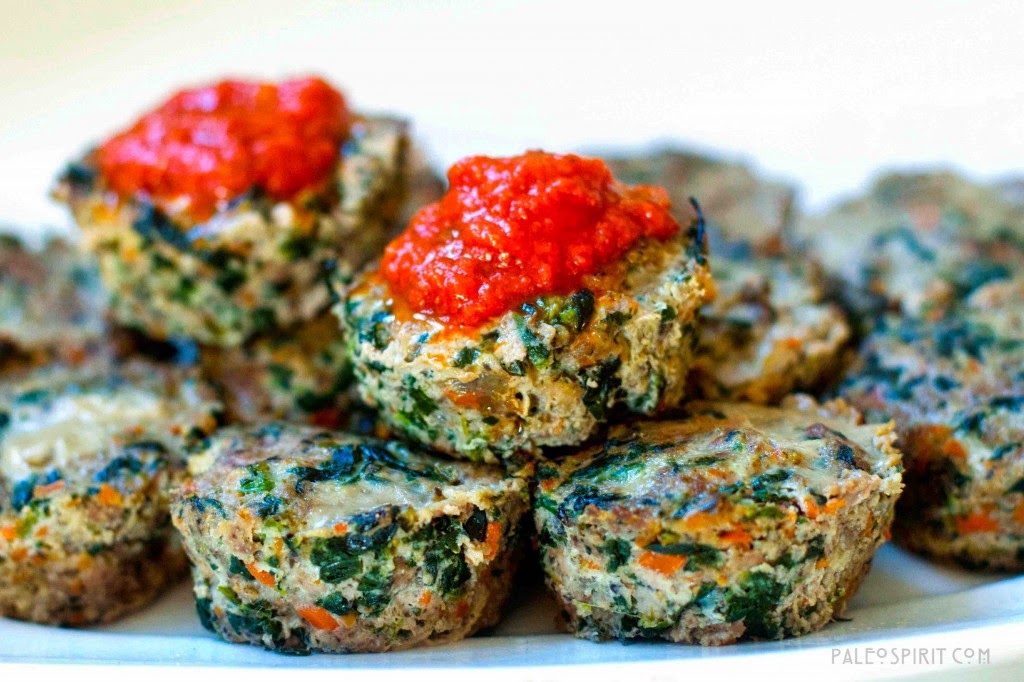
http://paleospirit.com/2013/paleo-mini-meatloaves/

Paleo Mini Meatloaves – Paleo Spirit

Gluten-Free Kangaroo Burgers – Economies of Kale (Can use ground beef! ;) )

Meatballs & Kebabs

Bacon Meatballs with Mango Honey Mustard Sauce – PaleOMG

BBQ Meatballs – Healing Cuisine by Elise

Butternut Squash Meatballs with Zucchini and Carrot – Cinnamon Eats

Hidden Liver Meatballs – Real Food RN

Sweet and Sour Paleo Meatballs – Gutsy By Nature

Meatballs – Food Your Body Will Thank You For

Sweet & Sour Meatballs – Homemade Dutch Apple Pie

Grain-Free Italian Meatballs – Primally Inspired

Baked Chili Meatballs – Recipes to Nourish

Chelo Kebabs – And Here We Are

Kebabs with Roasted Butternut Squash and Zucchini – Cinnamon Eats

Entrees

http://www.theorganickitchen.org/blog-tutorials/zucchini-noodles-with-cranberries-and-walnuts/ 

Zucchini Noodles with Cranberries and Walnuts – The Organic Kitchen

Meatballs with Zucchini and Carrot “Pasta” – Cinnamon Eats

Easiest Crock Pot Taco Meat Ever – Delicious Obsessions

Shepherd’s Pie – Healing Cuisine by Elise

Twice-Baked Cheeseburger Spaghetti Squash – Popular Paleo

Potato-Free Shepherd’s Pie – It Takes Time

Healthy Butternut Squash Shepherd’s Pie – Primally Inspired

Ground Beef Cabbage Wraps – Fearless Eating

Sloppy “Rose” Lettuce Wraps – Recipes to Nourish

Creamy Plantain and Squash Ground Beef Mash – The Healthy Foodie

Paleo Ground Beef Stir-Fry with Wilted Napa Cabbage – Popular Paleo

Homemade Hamburger Helper – Healing Cuisine by Elise

Stuffed Winter Squash – Gutsy By Nature

Italian Spiced Beef Kefta with Avocado Cream Sauce – A Happy Healthnut

Paleo Cabbage Rolls (Galumpkis) – Sweet Potatoes and Social Change

Crock Pot Stuffed Peppers – Homemade Dutch Apple Pie

Furious Furikake Chilli Beef Hash – The Paleo Network

http://www.primalpalate.com/paleo-recipe/zucchini-lasagna/


Zucchini Lasagna – Primal Palate

Spiced Beef Kofte with a Pomegranate Glaze – The Paleo Network

Seriously Delicious Spaghetti Sauce – Holistic Health Herbalist (You can use zoodles (made with this) or spaghetti squash for the noodles)

Grass Fed Meat and Vegetable Muffins – Cinnamon Eats

Grass Fed Persian Spiced Beef and Roasted Butternut Squash – Cinnamon Eats

Spaghetti Squash Frittata Meatza – Real Food RN (you can sub the ground pork for ground beef)

Grain-Free Mexican Flatbread – A Happy Healthnut

Soups & Salads

Bacon and BBQ Burger Salad – Primally Inspired

Black Bean and Kangaroo Chili – Can use ground beef! :)

Grilled Hamburger Salad – Healing Cuisine by Elise

Vegetable Beef Soup – Raising Generation Nourished

Beef & Cabbage Soup – Raia’s Recipes

Love Your Body Chili – Food Your Body Will Thank You For

Slow Cooker Sweet Potato Chili – Farm Fresh Eats (Can omit the corn)

Spicy Paleo Slow Cooker Chili – Oh Snap Let’s Eat

Taco Salad with Cilantro-Mint Guacamole Sauce – Recipes to Nourish

Wednesday, August 13, 2014

What To Plant in August


The garden doesn’t have to stop producing just because summer is waning. In fact, August is the perfect time to add some variety and get a second season harvest from your space. Plant these garden favorites and harvest right through the fall and have plenty to preserve for winter as well.

Kale

If you haven’t grown kale yet, there is no time like the present. Start it now and in many zones you’ll be able to harvest right through the winter months. In fact, a bit of frost will just make these tasty greens even sweeter.

Lettuce

Cooler temperatures are on the way, and that’s perfect for lettuce. Plant now for fresh salad greens (and reds) for weeks and months to come.

Beans

Believe it or not there is still plenty of time for another round of beans. Select fast growing varieties and get ready to preserve the bounty because beans love this time of year almost as much as I do.

Radishes

Radishes are one of the fastest growing garden vegetables, usually ready from seed to table in less than a month. Plant a few rows every two weeks for fresh radishes all season.

Spinach

Spinach thrives in the cooler temps of fall, and getting those seeds in the ground now will give them plenty of time to get a strong root system before the weather cools off.
[via Urban Fig]

Monday, August 4, 2014

8 Essential Tips for Avoiding Food Waste


None of us like wasting food. We definitely don't set out to do it. But, as hard as we try it inevitably seems to happen in one way or another. The Kitchn talks a lot about food waste, like, ways to avoid it, great habits to to help you prevent it, the useful tips to minimize it.

Here are their eight favorite reader tips on how to avoid food waste and make full use of the good food you buy. Too great not to share!!

1. When in doubt, freeze it.

We freeze! All the time. Even a small amount of stew in the freezer is the beginning of a great shepherds pie! - cecilia g

Being mindful about freezing items nice and early on is important, too; if you think you may not finish it in time, just freeze it! You can always defrost later. Leftover pizza, cooked veggies, some leftover sauces (i.e. pesto) etc....you can freeze more than you think. - lesleyrocket

I have been freezing milk for years. My friends think it's weird but it works. We buy milk in bulk when it is on sale, freeze the extra. I have never had it go sour. - Melizza

2. Keep perishables at eye level in the refrigerator.

One trick I learned is to put some produce at eye level instead of hiding it in the drawer. Then rotate it. - Emmi

I put a small plastic tray on the top shelf of the fridge. It's called The Triage Box. If it's there, count on using it. It currently holds the last of the blueberries, leftover sliced strawberries, the last of the berry coulis, simple syrup that won't go bad soon but I know I'll forget, and the last of the red miso that should get used before it dries up. I just realized I have tamarind paste and olivada that need to find their way to that box, stat. - cmcinnyc

I've tried rearranging the stuff in my fridge so that the most perishable items are the most "in your face" when you open the door. Condiments are on the bottom shelf while produce is front and center. That way its a bit harder to forget that you have that head of lettuce and you're reminded to use it. - elissa

3. Store condiments in the crisper.

I use the freshener drawers to keep condiments in. They're not going to wilt if I forget they're there. Other items are in clear plastic bags and good quality clear plastic containers. - shotsi

4. Plan ahead... but not too far ahead.

I've started making meal plans, and they have really worked! I plan for usually three days in advance. I found that if I plan further out than that we end up wasting food due to an impromptu invite to dinner, etc.! - Dionna

A trick I find useful is to buy less and more often. I can't come up with a meal plan for the whole week, and stick to it. So what I do is buy for 2 or 3 days, which makes it easier to stick to the plan, and if something unexpected comes up food won't go bad and you can make it the following day. - chispita

I also agree on not overplanning. If I plan out all the meals for a week, often times stuff comes up (late home from work, last minute going out with a friend, etc.) and I don't have time to cook everything I bought to eat. I think it's good to leave a few gaps in your meal plan and a pantry stocked with goods (pasta, canned or frozen food) that can be used to fill the gaps if needed. - illuminatedpst

5. Repurpose leftovers.

I often turn leftovers into new meals...leftover taco-fixings become omelets or breakfast burritos the next morning. Leftover beef or pork roast becomes chopped bbq or stew the next day. Small portions of meats or cheeses get added into new casseroles, fritters, empanadas or stuffed into homemade biscuits. Leftover pasta becomes baked ziti or spaghetti pie the next day. Leftover roasted veggies make great soups and pot pies. - marymccreery

I make a clear-out-the-fridge vegetarian soup and freeze it in 2 oz containers. Something I learned from justbento.com is to make the soup with almost no water to create a concentrate. The frozen concentrate thaws in my lunchbox so, when it's time to eat, all that's needed is some boiling water to warm up the vegetables and dilute the seasonings. Takes up half the room in the freezer, which is great since space is at a premium. - Chinadoll

Never underestimate the power of pizza! We use leftovers all the time as pizza toppings. Those are some of my family's favorite meals. If you don't eat wheat products, use a cauliflower crust instead! - meganvanfleet

I make preserves out of rinds of melons. I also make a greens gumbo out of greens like carrot tops, radish tops, beet greens, mustard, etc. - makeroux10

6. Make an "eat this soon" list.

We keep a "eat this soon" list on corner the kitchen whiteboard. It really helps, especially when you can quickly see something to pack for lunch. - MaryCooksalot

Put a white board on your fridge and keep an inventory of everything you have in there. As you eat the items, erase them and consult the board before going shopping. Helps with both using things that may have been overlooked, as well making sure you don't overbuy when you go to the grocery store. - ecandle96

7. Keep a broth bag in the freezer.

I always keep a 'broth bag' in the freezer. In the bag go: carrot ends, the knobs and peelings from most veggies, mushroom stalks, herb stems (when all I needed was the leaves), the occasional potato peels, the garlic scapes that are about to go bad, even the papery garlic shells. Just anything that would be good in broth. Then when the bag's full, I make a nice stock, adding whatever's still necessary. - if1hadwords

8. Store food properly.

Fresh herbs can really invigorate your cooking, but it can be truly frustrating to buy a big bunch of parsley, use 25% of it. But my wife taught me a surprisingly simple way to dramatically extend the shelf life of fresh herbs (and other types of produce as well) in our fridge: Place the herbs in the plastic bag, add a couple of tablespoons of water into the bag, and then tie the bag with a loose knot. - Daniel Koontz
[via The Kitchn]

Saturday, July 26, 2014

How to Start an Organic Garden in 9 Easy Steps


The Benefits of Organic Gardening

You've been trying to eat more organic foods, both to decrease the amount of pesticides you and your family consume, and to help protect the environment from overloading with toxic chemicals. But organics can get a bit expensive, we know. Luckily, there's a way to grow your own delicious, fresh produce, while having fun and learning at the same time: organic gardening!

Don't know where to start? It is possible to hire someone to install and maintain a beautiful organic garden for you. But most of us can roll up our sleeves with a surprisingly small amount of effort. Remember, you can start small, even with just a single plant or two. Don't worry if things aren't perfect right away.

Organic gardening means you won't be using synthetic fertilizers or pesticides, but that doesn't mean your plants are left to fend for themselves. There are an array of tools you can use to bolster plant health and ward off pests. Organic gardening also isn't just about what you don't do, it's about trying to foster a more holistic, natural ecosystem. Read on for specific tips, taken from The Daily Green's expert garden blogger, Leslie Land, her New York Times book 1000 Gardening Questions & Answers and other sources.


Preparing the Soil

In order to get the best results with your new organic garden, you'll want to make sure the soil is properly conditioned. You have to eat, and so do plants, so make sure your veggies get lots of fresh nutrients. Good healthy soil helps build up strong, productive plants. Chemical soil treatments can not only seep into your food, but they can also harm the beneficial bacteria, worms and other microbes in the soil.

The best way to gauge the quality of your soil is to get it tested. You can get a home testing kit, or better, send a sample to your local agricultural extension office. For a modest fee you'll get a complete breakdown of pH and nutrient levels, as well as treatment recommendations (be sure to tell them you're going organic). That way you can tailor your gardening program. Typically, it's best to test in the fall, and apply any organic nutrients before winter.

Even if you don't have time for testing, you'll want to make sure your soil has plenty of humus -- the organic matter, not the similarly named Mediterranean spread. According to 1000 Gardening Questions & Answers, you'll want to mix in compost, leaf and grass clippings and manure. Manure should be composted, unless you aren't going to harvest or plant anything for two months after application. Preferably, get your manure from local livestock that have been organically and humanely raised -- and never use manure from animals that eat meat.


How to Make Good Compost

All gardens benefit from compost -- and preferably you can make your own on site. Hey, it's free! Compost feeds plants, helps conserve water, cuts down on weeds, and keeps food and yard waste out of landfills (where it produces methane), instead turning garbage into "black gold." Spread compost around plants, mix with potting soil, use to bolster struggling plants…it's hard to use too much!

The best compost forms from the right ratio of nitrogen- and carbon-rich organic waste, mixed with soil, water and air. It might sound like complicated chemistry, but don't worry too much if you don't have time to make perfect compost. Even a minimally tended pile will still yield decent results.
  1. To get started, measure out a space at least three feet square. Your compost heap can be a simple pile or contained within a custom pen or bin (some can be rotated, to improve results).
  2. Add alternating layers of carbon (or brown) material -- leaves and garden trimmings -- and nitrogen (or green) material -- such as kitchen scraps and manure, with a thin layer of soil in between.
  3. Top off the pile with four to six inches of soil. Turn the pile as new layers are added and water to keep (barely) moist, in order to foster microbe action. You should get good compost in as little as two months (longer if it's cold).
  4. A properly maintained compost pile shouldn't smell. But if it does add more dry carbon material (leaves, straw, or sawdust) and turn it more frequently.
  5. Even if you live in a city, you can do some composting under your counter with a tidy worm kit, or partner with a community garden.


Choose the Right Plants

It really pays to select plants that will thrive in your specific micro-conditions. As a general guide don't forget to check the USDA's Hardiness Zones (which have recently been updated by the National Arbor Day Foundation due to climate change). Choose plants that will be well adjusted to each spot, in terms of light, moisture, drainage and soil quality. Most gardens have gradations in these variables. The happier your plants are, the more resistant they'll be to attackers.

If you're buying seedlings, look for plants raised without chemical fertilizers and pesticides. A great place to look is at your local farmers' market, which may also have native plants and varieties well suited to your area. It's better to buy stocky seedlings with few, if any blooms yet, and with roots that don't look overcrowded.

Many things are best grown from seed, including sunflowers, annual poppies, evening-scented stock (Matthiola bicornis), coriander, dill, annual phlox (Phlox drummondii), larkspur, annual lupine, morning glories, sweet peas, squash and cucumbers.


Plant Crops in Wide Beds

Plants that you will be harvesting, such as vegetables or cutting flowers, should be grouped tightly in beds that you don't walk on (raised beds work great). Grouping reduces weeding and water waste, and helps you target compost and nutrients. Easier path maintenance helps lead to healthy soil. Ample space between rows helps promote air circulation, which repels fungal attacks.

Remember that seedlings won't always stay diminutive, and you do want to try to limit over shadowing. It's a good idea to thin crops based on nursery suggestions.

According to Leslie Land, if you have limited space and time, and want the highest returns of fresh organic produce, these plants are typically winners:

1. Indeterminate Tomatoes. So named because the vines keep getting bigger and producing new fruit until they are felled by frost.

2. Non-Hybrid (Old-Fashioned) Pole Beans. They keep growing and producing 'til frost -- assuming you keep them picked.

3. Zucchini. Everything they say about avalanches of zucchini is true, especially of hybrid varieties.

4. Swiss Chard. You can keep breaking off outer leaves for months, and every picking will be tender as long as plants get enough water.

5. Tall Snow Peas and Sugarsnaps. They grow readily and produce delicious rewards.


Proper Watering

The best time to water plants is usually in the morning. Why? Mornings tend to be cool and without strong winds, so the amount of water lost to evaporation is reduced. If you water in the evening plants stay damp over night, making them more likely to be damaged by fungal and bacterial diseases.

Ideally, you want to water the roots, not the greenery, which is easily damaged. A drip or soak system can work great, or just carefully water the bases of plants by hand.

Most experts recommend substantial, infrequent watering for established plants, typically a total of about one inch of water per week (including rain). One or two applications a week encourages deeper rooting, which promotes stronger plants. To avoid shocking tender greenery, try to use water at or near air temperature (collected rainwater is best).

With population growth and climate change putting increasing pressure on our precious freshwater supplies, it is becoming more important than ever to save water.


Weeding

Ah weeding. Even if you live in the Biosphere, you'll still get weeds, since their tiny seeds are pervasive. Pulling weeds by hand may sound like hard work -- and it can be -- but it also can be good exercise, and gets you outside in the fresh air. You don't want to pour toxic chemicals on your food, or where your children and pets play, right?

Reduce the number of weeds you have to contend with by applying mulch (which also helps protect the soil). According to Leslie Land, organic mulch that will rot down into the soil is almost always preferable to landscape fabric, although burlap and other materials can work in a pinch. Straw is cheap but doesn't last long. Wood chips are nice, but can get pricey. Many people opt to use lawn clippings, although it should be noted that because they are high in nitrogen, clippings should only be used on plants that need a lot of the nutrient, such as squash and lettuce.

If you get tired of weeding or aren't able to bend over, consider hiring some neighborhood kids. It's a good way to get to know others in your community. Remember too that raised beds can be made wheelchair accessible, and others can take advantage of wheeled stools, arthritis-friendly gardening tools and other equipment.


Protect Plants Without Toxic Pesticides

If your plants are being assaulted by pests, it may be a sign of other problems, so the first thing you should do is make sure they are getting enough light, nutrients and moisture. Also remember that a diverse garden helps prevent pests, by limiting the amount of one type of plant offered up to enemies, and boosting biodiversity.

It's a good thing to foster natural predators in your garden, such as frogs, toads, lizards, birds, and even bats. Beneficial insects can be your best friends, especially lady bugs (many nurseries even sell cans of them, though it's true there's a high probability they won't stick around). Leave a small source of water out to attract friendly predators. It's also a good idea to grow plants with small blossoms, such as sweet alyssum and dill, which attract predatory insects. Nets and row covers can also work.

It may sound surprising, but homeowners use more pesticides on their lawns and gardens than farmers do, acre for acre, according to EPA data. But there are organic alternatives that are much safer for you and our environment. Find out what problem you have (an agricultural extension service can help), then look for alternatives.

Organic weapons include Bacillus thuringiensis, a naturally occurring bacteria that disrupts the digestion of caterpillars and other leaf-eaters. You can also use horticultural oils, insecticidal soaps and garlic and/or hot pepper sprays.


Harvesting

Don't forget to harvest the fruits of your labor! Fresh organic produce also makes great gifts, educating your friends, neighbors and coworkers. Generally, the more you harvest, the more your plants will produce for you.

During peak harvest season, you'll likely find that it's best to check your garden every day. Got herbs? If you use them fresh pick them right before you need them. But if you'll be drying and storing them, it's best to wait until just before they flower, since they'll have the most flavor. Gather all herbs except basil in mid morning, shortly after dew has dried. Harvest basil in the late afternoon, since it will last longer after some time in the sun. It's best not to wash herbs before you dry or use them, since that can leach flaor (extra incentive for growing organic!).

When harvesting leafy greens pick sporadically from the entire crop, a little from each plant. For broccoli, wait until the central head is as large as it will get, before sending off buds for flowering. Cut it off right above the leaf node, and you'll likely get better production from the rest of the plant. In general, it's best to cut produce off with a sharp knife or scissors, versus ripping with your fingers, which can cause more damage to plant tissue.

If you get too much bounty, remember you can also freeze, store some types of produce in a root cellar, or take up canning. Enjoy!


Cleanup

If you have sick plants to remove, either during the season or at the end of the year, make sure you pull up the entire organism. Don't forget to rake up underneath, since diseased leaves can harbor problems for a long time. Put all infected material deep in the woods, in the ground at least a foot deep, or on the bonfire.

Most healthy or expired plants can actually be left in place over winter. You'll provide some food and habitat for birds and other wildlife, and plant cover can help protect your soil from eroding. It's better to chop off annuals then yank them out, because that way you'll leave soil intact, and help prevent weeds from gaining a foothold.


Thursday, July 10, 2014

20 Foods to Help You Stay Hydrated this Summer

For most of us, summertime is synonymous with long days, warm evenings, visits to the pool, and, above all, sunshine. But when that glorious yellow orb is warming and lighting the world, it can be easy to forget to stay hydrated. This is problematic, because poor hydration can lead to a host of short and long-term health problems, including constipation, nose bleeds, headaches, coughing, fatigue, acne, and unwanted weight gain. But staying hydrated when it’s hot outside doesn’t have to be a difficult chore; by including certain foods in your diet, you can help your body stay happy and hydrated while you beat the heat.

Here are 20 foods to stay hydrated with, so keep them on your menu when the days start to grow long and hot.

1. Watermelonwater content: 92%

Watermelon is a cherished summer treat, and for good reason—it’s tasty, fun to eat, and undeniably refreshing. Of course, it’s no secret that watermelon is loaded with water; after all, it’s even in the name. However, it also contains lycopene, which is an antioxidant believed to help fight cancer.

2. Strawberries,  water content: 92%

Another summer favorite, strawberries are as water-rich as watermelons, but thanks to their small size, they are a bit easier to eat while on the go. They may also promote bone health, boost short-term memory, and even help burn stored fat.

3. Apricotswater content: 86%

Generally only available fresh through the beginning of summer (due to the fact that they bloom early, have little tolerance to extreme heat, and are difficult to ship), fresh apricots are nonetheless widely popular. In addition to having a high water content, they are also rich in antioxidants, fiber, and beta carotene.

4. Iceberg Lettucewater content: 96%

Although you’re probably less-likely to grab a handful of lettuce to take along on your summer walk or July beach-trip, one of the things that makes lettuce such a wonderful food is that it’s easy to incorporate into other meals. A healthy salad or fresh sandwich can be a great way to get the hydrating benefits of lettuce—as well as the other nutritional advantages—while still enjoying a delicious meal.

5. Spinach,  water content: 92%

Spinach doesn’t have quite as much water in it as iceberg lettuce, but it is a bit more nutritious overall. However, the calcium and iron in raw spinach are often unprocessable by the human body, because of a compound called oxalic acid that is also present in spinach. This problem can be solved by simply cooking the spinach, blending it in a smoothie, or by pairing it with foods rich in vitamin C.

6. Grapefruit,  water content: 91%

Tart and tangy, grapefruits are loaded with mouth-watering citrus juice. They’re also suspected to help burn unwanted fat, while reducing cravings and boosting the immune system. For added nutrients and hydration, consider peeling the grapefruit and eating it like an orange, rather than cutting it.

7. Sweet Peppers,  water content: 92%

Sweet peppers are large, mild peppers which have a subtle sweet flavor and are generally very crisp. They come in a variety of colors, but all of them have a high water content. They are often used in salads and main dishes, but when sliced into smaller sections, they can make a great mid-day treat that’s high in vitamins C, E, B6, and helpful enzymes, and low in calories.

8. Tomatoeswater content: 94%

We’ve come a long way in the last 200 hundred or so years, when the prevailing British and American belief was that tomatoes were poisonous (despite the fact that they were eaten regularly in Spain and Italy). These days, tomatoes are found in dishes around the world, and are considered by many to be world’s most popular (and possibly most nutritious) fruit.

9. Radishes,  water content: 95%

Often overlooked as a standalone vegetable, radishes are nevertheless a slightly spicy treat that can also help keep you hydrated and healthy. This is because radishes contain vitamin C, zinc, and phosphorus, which all play a part in keeping you feeling your best during the hot months.

10. Cauliflower,  water content: 92%

Although you may not realize it, cauliflower actually has as high of a percentage of water as strawberries—this helps contribute to the crispiness for which cauliflower is known. It also contains sulforaphane (which is believed to kill cancer stem cells), is loaded with vitamins, and helps to regulate digestion.

11. Broccoli,  water content: 91%

Similar to cauliflower in many respects, broccoli is likewise full of vitamins and sulforaphane, and contains a high amount of water. It is best for the body when eaten raw.

12. Carrots,  water content: 87%

Carrots are best known for their bright orange color and their sometimes-debated ability to improve vision. What they’re not as well known for is their water content. However, carrots are easy to pack along for snacks, and can help keep the body hydrated.

13. Cantaloupe,  water content: 90%

Cantaloupe is another great summer treat that will keep you hydrated. As summer-season fruits, they are available fresh all the way through to the end of August. They are nutritious and low in calories, and have a unique musky flavor. Consider giving it a sour-tasting flavor boost by eating it with a dash of lime or lemon juice.

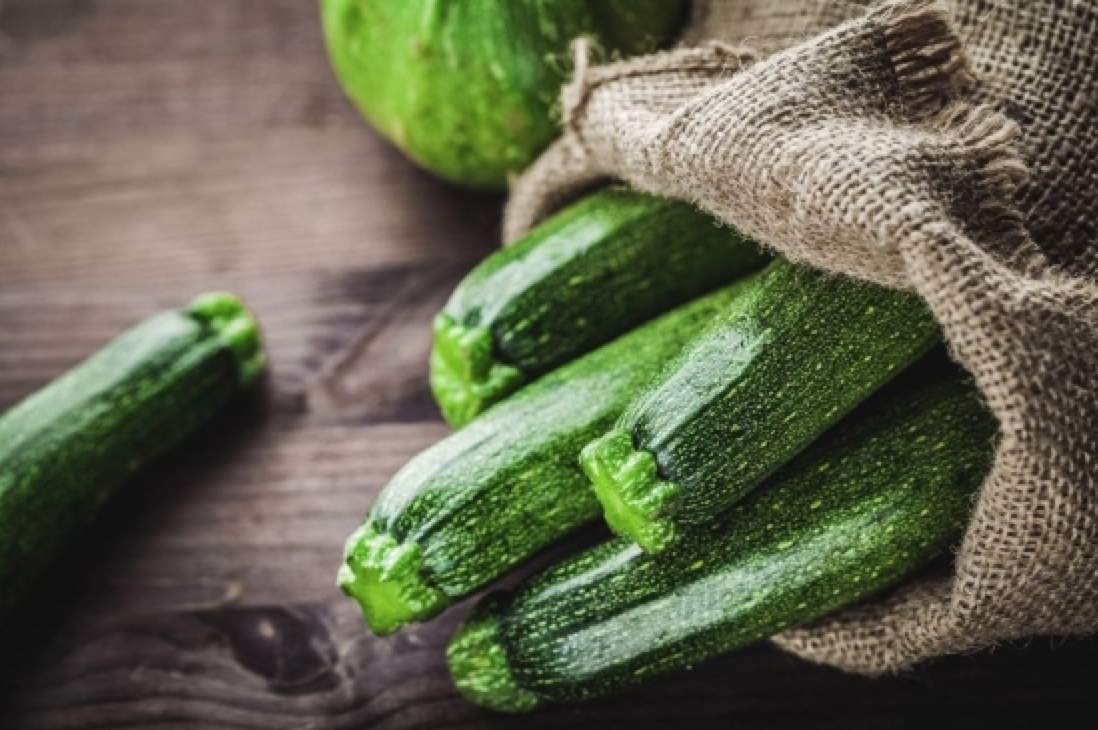
14. Zucchini,  water content: 95%

Although green squash such as zucchini may not sound like the perfect summer snack, it is loaded with lutein and zeaxanthin (which promote healthy vision), manganese (which protects tissue from damage caused by free radicals), and massive amounts of vitamin C. Zucchini also has a very high water content, and is the perfect addition to your summer diet.

15. Celery,  water content: 95%

Celery is a perfect food for satisfying cravings and promoting weight loss, all thanks to its high water and fiber content, and its absurdly low calorie count. At the same time, celery contains vitamins A, C, and K, making it nutritious as well as filling and thirst quenching.

16. Pineapple,  water content: 87%

One of the most popular tropical fruits, pineapples are extremely rich in vitamin C. In fact, 1 cup of fresh pineapple contains over 100% of the recommended daily value of vitamin C. Pineapple is also high in manganese, making it a healthy and energy-rich fruit that will also keep you hydrated.

17. Peaches,  water content: 88%

Another fruit which is great by itself or as a part of a larger meal, peaches are also known to calm upset stomachs and even relieve anxiety (they’re known as the “Fruit of Calmness” in Hungary). Their juicy flesh contains significant amounts of water, and makes a great snack.

18. Cranberries,  water content: 87%

The health benefits of cranberries are widely recognized, which is one of the reasons that cranberry juice is so often mixed with other juices. Cranberries contain vitamin C, fiber, and more antioxidants than almost any other fruit or vegetable. Their high water content makes them a must for those who want to eat healthy and keep hydrated.

19. Blueberries,  water content: 85%

These small, dark berries are often added to other dishes, and are known to help lower cholesterol, and also decrease the risk of diabetes and heart disease. Much like cranberries, they contain incredibly high amounts of antioxidants. And, also like cranberries, blueberries contain a high percentage of water.

20. Cucumberwater content: 96%

If cucumbers contained any more water, they’d probably be a soup. Suffice it to say that cucumbers contain more water than almost any other solid food. And, thanks to their high levels of vitamins, their ability to help flush toxins from the human body, and their usefulness in controlling blood pressure, cucumbers are actually one of the most nutritious foods available.

So, don’t let the summer heat dry you up; grab a few of your favorite hydrating ingredients and make a summer smoothie that will not only quench your thirst, but also nourish your body in the process. Now get out there and enjoy that sun!

[via The Blend]