Showing posts with label healthy eating. Show all posts

Tuesday, December 29, 2015

Do You Know About Bioregional Eating?

Eating bioregionally is gaining in popularity. Here's what you need to know, including how it differs from the locavore moment.
Growing local has its merits, but a growing movement suggests perhaps we need to let the region dictate what we grow locally. (Photo: Arina P Habich/Shutterstock)
There's a growing trend in sustainable food that sort of fine tunes locavorism. Sourcing from within bioregions is the one of the big food trends for 2016, according to Forbes, and although eating bioregionally has a lot in common with locavorism, it's not the same. What are bioregions and how can paying attention to them help us eat and live more sustainably? Here's a primer.

What are Bioregions?

A bioregion is a "geographical area with a unique combination of plants, animals, geology, climate and water features." When it comes to growing and raising food, each bioregion will have foods that it can naturally sustain and foods that it cannot.

Bioregional Eating vs. Locavorism

I have neighbors here in New Jersey who have a lemon tree in their house. They are avid vegetable gardeners and grow seasonally in both their backyard and a plot in a community garden. They certainly do their part to support the locavore movement. That lemon tree is something completely different, though. The climate where we live doesn't support citrus, so the tree is purely for fun. The number of lemons the tree produces may never equal or surpass the amount of money it costs to buy and sustain the tree, and the resources used to make sure it thrives are considerable.

I mention this not to put down my neighbors. In fact, I would love a lemon tree in my home. It would be fun to pick a fresh lemon each time I needed one, but I've established that my enthusiasm for growing my own food doesn't match my enthusiasm for eating it. So I mention this as an example of how growing locally isn't always sustainable.

Food that comes straight from your backyard has been hailed by many as the holy grail of sustainable eating for about a decade now. It's the ideal that resonated with me when I began my personal blog about eating local in the South Jersey/Philadelphia region. What I've come to learn along the way, though, is that eating sustainably is much more complicated than buying everything I possibly can from within a 100-mile radius.


Tomatoes grown in a hot house during every season may be local, but the practice isn't necessarily in keeping with bioregionalism. (Photo: Tree of Life/Shutterstock)

As with the lemon tree example, just because it can be grown locally doesn't mean it should be grown locally, especially when you take sustainability into consideration. My friends' lemon tree barely makes a dent, but large-scale production of foods that a bioregion doesn't naturally support can make a big dent in un-sustainability. Take for instance, energy-intensive hot houses that grow tomatoes out of season that are sold within the region. Are the tomatoes local? Yes. Are they sustainable? It gets more complicated then, doesn't it? They may (or may not) be more sustainable than a tomato grown in a warm region and shipped across country. Both methods of obtaining a tomato in the winter months in a place where they won't grow naturally use a lot of energy.

The concept of eating bioregionally seems to fine tune locavorism. Eating a locally grown hot house tomato in February is not eating bioregionally; eating a farm- or garden-grown tomato in July is. To truly eat bioregionally, we should forgo all fresh tomatoes once they're out of season.

Bioregionalism Beyond Food

This concept is easy to grasp when it comes to food, but it goes beyond that.

Your food bioregion may contain several towns, more than one state, and even more than one country. Part of bioregionalism is the idea of basing our political borders on nature. When you do that, you can see how it could get complicated fast. Instead of several different local, state or even national governments existing within one bioregion, there would be one political government within its natural borders. If we arranged "political structures around ecological regions and the cultures within them," argues Rachael Stoeve in Yes magazine, there would be sustainability in many areas of life.

There's a whole other blog post to write about that aspect, but it's interesting to look at the food concept with that broader scope. The decisions made about the resources within a bioregion would be more likely to benefit the environment and the people than corporations and those with a financial interest. That's something to chew on.

Wednesday, February 4, 2015

10 Powerhouse Plant Proteins


Easier on the planet’s water and land resources—and often easier on your digestive tract than animal proteins—plant foods offer ample essential amino acids to build muscle and maintain optimal health. From quinoa to lentils to chia, you’ll find these protein-rich plant foods ground into powders, added to breads and bars, and bringing substance to soups and other packaged vegan and vegetarian foods. Eating them fresh and whole is even better, of course, because you’ll also benefit from these foods’ abundant phytonutrients and antioxidants, in addition to essential amino acids, our bodies’ building blocks.

5 TOP MAINS
  1. Tempeh (7 ounces = 20 grams)
  2. Lentils (1 cup cooked = 18 grams)
  3. Chickpeas (1 cup cooked = 14.5 grams)
  4. Tofu (3 ounces = 9 grams)
  5. Quinoa (1 cup cooked = 9 grams)
5 TOP ADD-ONS
  1. Hemp seeds (3 tablespoons = 10 grams)
  2. Peanuts (¼ cup = 9.5 grams)
  3. Almonds (¼ cup = 8 grams)
  4. Sunflower seeds (¼ cup raw = 7 grams)
  5. Chia seeds (2 tablespoons = 6 grams)
Do you need to combine them?
These proteins are not all “complete” (except soy and quinoa)—most plants lack one or more of the essential amino acids; but plant-based nutrition has come a long way since its early days of combining bland, brown foods in the same meal. Now we know that vegetables like spinach pack a protein punch too; and as long as you have a variety of protein-rich foods in your diet, you don’t need to carefully plan proteins at every meal.

Can plant proteins meet your needs?
For kids, total protein (in grams) should be about 0.4 times bodyweight in pounds. For adults, it should be about 0.36 times bodyweight in pounds. So, if you’re a 130-pound 40-something, you’d want to aim for about 47 grams of protein. Thus if you add 2 tablespoons of chia (6 grams) and ¼ cup of almonds (8 grams) to one cup of cooked oatmeal (which also has 6 grams), at 20 total grams you’re nearly halfway there.

Tuesday, December 30, 2014

Make 2015 an Organic Year


2014 was the year of science supporting the benefits of organic food and farming: for human health, pollinator health, and the health of the environment.

To help you ring in the new year and truly turn over a new healthy leaf, The Organic Center has transformed the top ten studies of 2014 into New Year's resolutions that show how to improve the state of your diet and the state of our planet by choosing organic.

1. Be Health-Minded,  Eat Organic

A review of the latest research on the effects of organic agriculture and crops on public health found a clear health advantage in consuming organically produced food instead of conventionally produced. Published in the International Journal of Environmental Research and Public Health, the findings concluded the lower pesticide residue levels in organic produce were a significant factor in helping account for these benefits.

2. Get Pesticides Out of Your Life

Pesticides, linked to numerous health problems, are still found on conventional produce in the grocery store. A study showed that eating an organic diet for just seven days can significantly reduce your exposure to pesticides. The research found pesticide metabolite levels in a group of individuals who ate a diet of at least 80 percent organic for a week were cut by up to 96 percent.

3. Load Up on Antioxidant-Rich Foods

A key study of 2014 showed organic fruits and vegetables have higher levels of antioxidants.  Researchers found that if you choose organic rather than conventional fruits and vegetables, you can get an average of 20-40 percent increase in antioxidants!  Antioxidants protect our cells against the effects of free radicals, which can damage cells in the body and trigger disease.

4. Bee Concerned

Commercial beekeepers are losing an average of 30 percent of their colonies each winter. This is  a problem for bee-pollinated crops such as almonds, apples, cucumbers, avocados, oranges, and berries. One of the major contributors to bee deaths is exposure to pesticides, particularly neonicotinoids. In 2014, a study published by Harvard researchers supported and strengthened research in 2012 that found a link between neonicotinoid use and colony collapse disorder.

5. Save Organic Citrus

A disease called citrus greening has devastated thousands of acres of citrus trees in the United States, and may even cause domestic citrus to disappear altogether. Research on controlling this disease focuses on toxic pesticide sprays and the development of GMO citrus varieties. The Organic Center has teamed up with professors at universities, industry members, and organic growers to launch a large-scale study looking at organic solutions to citrus greening. Visit the Organic Center Citrus Greening page.

6. Do Your Part. Help Slow Down Climate Change

Research shows good news for climate change mitigation: organically managed soils could reverse the trend of increasing CO2 in the atmosphere! Conducted by the Rodale Institute, the research looks in-depth at how farming systems affect greenhouse gas emission, and illustrates the ability of soil to mitigate climate change when managed organically.

7. The More the Merrier! Support Biodiversity

A study in the Journal of Applied Ecology found that organic farms support more species than conventional farms. On average, organic farms support 34 percent more plant, insect, and animal species than conventional farms. When the researchers looked at pollinators such as bees individually, they found that organic farms had 50 percent higher species diversity.

8. Focus on Soil Health

A study on healthy soil biodiversity published in Agronomy for Sustainable Development found that conservation and organic farming techniques boost the number of soil organisms when compared to conventional farming. The researchers measured soil life over a period of 14 years and found that versus conventional systems, organic and conservation agriculture systems had more earthworms in the soil, 30 -70% more microorganisms, and improved bacterial pathways.

9. Listen to the Birds

Research shows that organic farming is healthier for birds. Songbirds are especially sensitive, because conventional farms can reduce food supplies for young songbirds unable to leave their nests. An article in the journal Agriculture, Ecosystems & Environment compared availability of "nestling" food on organic and conventional farms. Because organic farming does not use synthetic pesticides and has longer, more diverse crop rotations, organic farms were found to provide more available nestling food than conventional farms.

10. Keep Away From Toxins

Avoiding pesticides is even more important than previously thought. A study led by Organic Center Science Advisory Board member Professor Gilles-Eric Séralini showed that major pesticides are more toxic to humans than suggested by their active ingredients. Pesticides contain a mix of "inert" ingredients. These "inerts" are not taken into account in safety test trials, and the active ingredients are tested in isolation. This research looked at the toxicity of herbicides, fungicides, and insecticides when all ingredients were included, and found that eight out of nine pesticide formulations were up to one thousand times more toxic than their active ingredients.

Bonus: Spread the Word

Help make 2015 an organic year for your friends, family, neighbors, and colleagues. Sign up for The Organic Center newsletter, and follow them on Facebook for the latest research on the science behind the benefits of organic year round. Stay informed…and pass your knowledge on!


Friday, May 16, 2014

9 Healthy Predinner Snacks

Dinner's at eight, but you just can't wait...try one of these nine healthy snacks to tide you over.


Cashew-Strawberry Crunch
Think of this as a gourmet cook's PB & J. Spread 1 tablespoon of cashew butter on a slice of Ryvita Fruit Crunch. (Or substitute peanut butter and Triscuits.) Drizzle with ½ tablespoon honey and top with sliced strawberries.

Health bonus: Nut butters are full of heart-healthy monounsaturated fats.


One-Minute Antipasto Plate
Roll a thin slice of prosciutto or ham around a part-skim mozzarella string cheese. Eat with a few olives and grapes, or add roasted bell peppers (from a jar) drizzled with balsamic vinegar.

Health bonus: Contains almost a quarter of a woman's 1,000-milligram recommended daily allowance for calcium.


Pineapple and Pistachios
Combine about ¼ cup dried pineapple pieces with about 25 pistachio nuts. (For a treat, use chile-lime pistachio nuts, available at specialty stores.) Other winning dried-fruit-and-nut combos: raisins and peanuts, apricots and almonds, cherries and hazelnuts.

Health bonus: Pineapple and nuts are both good sources of antioxidants.


Cottage Cheese and Apples
Slice an apple, such as Fuji or Granny Smith, and top with ½ cup of low-fat cottage cheese (look for 4-ounce four-packs from Breakstone). Or replace the fresh apple with two drained cinnamon-spiced apple rings, such as Musselman's (which can be found in the canned-fruit aisle).

Health bonus: Provides protein, calcium, and fiber.


Cheese Melt
Spread ½ teaspoon of spicy mustard on a cocktail-size slice of thin whole-grain rye bread. Add a thin square of sharp Cheddar (about the same size as the bread) and broil until the cheese melts, then top with a slice of tomato and a sprinkling of caraway seeds.

Health bonus: Rich in calcium.


Parmesan Pita Crisps
Sprinkle 2 tablespoons of grated Parmesan evenly over a 4-inch whole-wheat pita. Dust pita with ¼ teaspoon dried oregano and broil until the cheese browns. Cut into quarters.

Health bonus: Good balance of protein, fat, and fiber.

Creamy Feta-Walnut Dip
Place 2 cups plain nonfat yogurt in a sieve lined with a coffee filter. Let stand in the refrigerator for 1 hour or overnight. Discard the liquid and spoon the thickened yogurt into a small bowl. Add ¾ cup (3 ounces) crumbled Feta cheese, 2 cloves minced garlic, 2 tablespoons finely chopped toasted walnuts, ¼ teaspoon freshly ground black pepper, and ¼ teaspoon hot sauce. Mix well. Cover with plastic wrap and refrigerate for at least 2 hours to allow the flavors to blend. Makes 1½ cups.

Pair Feta-Walnut Dip with cherry tomatoes, a whole-wheat pita, or baby carrots.

Health bonus: An easy way to get calcium, protein, and monounsaturated fat.

Edamame
Grab a handful of frozen shelled soybeans and run them under steaming-hot water for a quick thaw. For a tangy twist, add a spritz of lemon.

Health bonus: Contains 8 grams of fiber and lots of cholesterol-lowering soy protein.


Fresh Vegetables With Dressing
Slice a cucumber into strips and place on a plate with baby carrots or baby corn. Dip in a lower-fat dressing, such as Annie's Naturals Roasted Red Pepper Vinaigrette or Trader Joe's Carrot-Ginger.

Health bonus: Fiber-rich and very low-calorie.

Thursday, May 15, 2014

The Pros and Cons of a Juice Cleanse

A million dollar industry in America, it has as many fans as detractors. A juice cleanse or juice fasting involves limiting your diet to fresh vegetable and fruit juices plus water for a few days to a few weeks. Claims range from significant weight loss, clearer skin, bolstered immunity, body detoxification, and cancer prevention. What should you know before undertaking a juice cleanse?

The amount of information and varied opinions on the web is enormous! Elemental Wellness waded through a lot of it to distill this post down to some simple key points.

PROS
  1. If you’re cleansing or fasting with juice, you’ll probably lose weight. But you’ll be losing mostly water. A reduction in bloating is well-known benefit of juicing. (see Con #5)
  2. If you undertake a juice cleanse (shorter is preferred, i.e. 4 days or less) and see it through, chances are you’ll feel great at the end of it. You’ll have a real sense of accomplishment, and you’ll look at your regular diet with fresh eyes.
  3. By spending a few days ingesting only fruits and vegetables, you are avoiding highly processed foods that have solid fats and added sugar. If you have a strong habit of making unhealthy food choices, a brief juice cleanse may help you break them.
  4. If you diet rarely includes fruits and vegetable, juicing is an easy way to increase your daily intake. Keep in mind that if you’re really lacking in this department, substituting one glass of juice for a meal each day, will dramatically boost the quality of your diet.
  5. Again, if you’re not a fan of green side of the food pyramid, juicing can help retrain your taste buds to enjoy fruits and vegetables.
  6. Many of us reach for carbs, sweets, chips or alcohol when we’re bored, sad, lonely or anxious. These foods are off-limits on a juice cleanse. So the process of undertaking a whole new diet, briefly, can put you in touch with your body and it’s automatic habits.

CONS
  1. You’ll find little to no protein and fat in fresh pressed juice. Some commercial juices contain added nut milk that contributes a small amount of fat and protein and helps with satiety. But your body will suffer from going for more than a few days without sufficient protein — the raw materials to build new tissues. Low-fat diets are notoriously hard on the skin and hair. Don’t forget that fat is also necessary to processes fat-soluble vitamins (A, D, E and K).
  2. Common side effects from a juice cleanse include dizziness, blood sugar spikes, headaches, constipation, fatigue, irritability, nausea. The symptoms occur as your body releases glycogen (stores of carbohydrates). Ultimately, many people report feeling “amazing,” which is explained by the body going into ketosis (glycogen stores are used up and the body begins burning fat). Though you may experience a decrease in your appetite (that makes things easier), ketosis can cause nausea and bad breath, and ultimately organ failure.
  3. A juice cleanse is not safe for everybody, especially people undergoing chemotherapy, diabetics, anyone with nutritional deficiencies or kidney disease. Check with your doctor is you have any medical conditions that a cleanse might impact.
  4. Juicing removes some of the fiber and nutrients found in whole fruits and veggies (those in pulp, skin and seeds). Because there is less fiber in juice, more of the fructose is absorbed by the body, so lean toward more vegetables than fruit. Less fiber will also leave you feeling less satisfied. Keep in mind that a juicer removes fiber, but a blender, masticating or triturating juicers help retain more fiber and nutrients.
  5. You’ll lose weight but most will be water weight. People love that they feel less bloated (and they do), but if you’re looking to lose fat and keep it off, a juice cleanse is not the answer. The majority of people put the weight right back on after the cleanse.
  6. Any calorie-restrictive diet will lead to some weight loss. Yet your body will respond to prolonged “starvation” with calorie conservation. This screws with your metabolism, lowering it. If you put your body into starvation mode too often, you risk permanently lowering your metabolism (i.e. metabolic syndrome).
  7. A big claim among juice fasting systems and products is that it will detoxify your body. Many medical experts disagree with the idea that humans need help detoxifying our bodies. The liver, kidneys and intestines are highly evolved bodily systems that rid us of the toxins we ingest or encounter in the environment. We excrete them in our urine, feces, breath, and sweat.
CONSIDERATIONS
  • A maximum length of three to four days is advised.
  • Health and wellness is a booming industry. Lots of people want to make money from your desire to lose weight and get healthy fast. If you buy a pre-made juice cleanse system make sure it is reputable! Check that the produce is carefully cleaned and the juice is made in small fresh batches to avoid bacterial growth. Pasteurized juices are not advised. Follow a reputable plan if you are making your own at home.
  • If you have any doubts that a juice cleanse is right for your body, please check with your physician.
  • There’s no proof that eating liquefied fruits and veggies offers an advantage offer the same ingredients in their whole state. If you’d like to increase your intake, try swapping fresh juice for your regular breakfast, or as a mid-afternoon snack. Meanwhile, stick to a balanced diet including adequate amounts of fat and protein.

Tuesday, February 18, 2014

The Truth About Soy and Tofu


I cook for a mostly dairy-free family, and when I browse for recipes for creamy dishes without the dairy, I often come across some that rely on soy-based foods such as tofu. They sound tempting, but despite the convenience, I rarely eat unfermented soy.

For the uninitiated, soy falls into two broad categories, fermented and unfermented. Unfermented soy includes soy milk, soy nuts, tofu and soy infant formula; fermented soy includes tamari, miso, natto, tempeh, pickled tofu and various fermented pastes used in a variety of Asian cooking techniques. Knowing the difference will help you navigate recipes — and understand why I avoid the unfermented kind. Here's my rationale:

1. Soy is generally genetically modified.
There are a lot of good reasons to avoid genetically modified foods, and soy is one of the most common crops to be genetically modified. Somewhere upwards of 90 percent of the soybean crop is genetically modified. If you want to avoid GMOs, than you will need to avoid most soy products. (I buy organic soy sauce/tamari and natto, for this reason).

2. Unfermented soy contains high amounts of anti-nutrients
Unfermented soy includes anti-nutrients, such as phytate, which can literally block your body from absorbing nutrients. While soy milk may be high in calcium, the anti-nutrients in it can mean that you don’t get the benefits. You can read some of the research I did on the subject of the anti-nutrient, phytic acid.

3. A diet heavy in soy could lead to hormonal imbalances (which could lead to hormonal-driven cancers)

When I first started researching anti-cancer diets years ago, I read a book by a doctor who researched and conducted trials in prevention of breast cancer. One of the chapters in his book presented the sometimes confusing and conflicting research on soy and breast cancer. According to him, too much soy seems to increase your chances of getting breast cancer, and just a little soy in your diet increases it as well. According to him, you had to get the perfect medium in the middle for anti-cancer effects. Good luck on that.

Since then, other research has continued to feed concern regarding soy and cancer. Just one example out of many is a study that showed that women who start to eat soy as adults may derail their cancer treatment. Soy contains isoflavones that mimic estrogen, which some research says is helpful in preventing hormone-driven cancers, while other research shows it can increase your chances of getting cancer. Using soy to prevent cancer is a gamble since there are so many conflicting conclusions from studies.

So what to eat?
I personally follow the Weston A Price Foundation’s guidelines for eating soy. I only eat organic soy (to avoid pesticides and GMOs) and fermented soy (to reduce anti-nutrients) in small amounts. I enjoy tamari (gluten-free soy sauce), miso, natto, and every once in awhile, tempeh.

If you're interested in reading more about these topics, check out these resources, which I found helpful:


Tuesday, January 7, 2014

White Asparagus & Blue Potatoes: Veggie Color Variations Explained

What's going on with that freaky white asparagus and neon-purple cauliflower? Believe it or not, this is creative agriculture at work — and thankfully doesn’t have anything to do with genetic modifications or additives. We investigated the science behind these natural phenomena, examining just how much the various color varieties differ in the way they’re farmed, their nutrition and their taste.

Purple and Blue Potatoes


You know those awesome bright blue potato chips Jet Blue serves on its flights? The Terra Chip company uses potatoes that really start out that blue. The vibrant color you see in purple and blue potatoes is due to healthy pigments known as carotenoids and flavonoids, which are associated with a reduced risk of cancer and a lower mortality rate from numerous diseases.

While all potatoes are nutritious — they’re a good source of complex carbohydrates, potassium, vitamin C, folic acid and iron — the more colorful ones contain the highest amount of carotenoids and flavonoids. Those blue Terra chips get their cool color from the flavonoids in particular.  According to Whole Foods, the darker the starchy yellow flesh of the yellow potato, the greater quantity of carotenoids, including beta-carotene — and in some cases, lutein.

White Asparagus


You may have noticed ghost-white stalks of asparagus at the market before. It looks exactly the same as its green counterpart but for the color — and nutritionally, they’re very similar. Though studies have shown white asparagus may contain fewer antioxidants than green, both kinds are a very good source of protein, vitamins A and C, folate and potassium.

White asparagus gets its color — or lack thereof — from the strange way it’s grown: It’s covered with mulch and plastic to block out all sunlight, so photosynthesis never occurs and the crop’s chlorophyll pigment never absorbs enough sunlight to turn it green.

While the taste of these two asparagus varieties is comparable, white asparagus has a slightly more delicate flavor, with thicker, bitter skin. 

Orange and Purple Cauliflower


Cauliflower breeders fairly recently discovered a way to drastically alter the color of the vegetable without genetically modifying it. It took decades, but they used traditional selective breeding to produce the unusually bright orange and purple varieties you’ve probably seen in stores.

Orange and purple cauliflower generally taste the same as white, but the different varieties vary in nutrients. Part of the reason orange cauliflower is orange is because it contains a high concentration of beta-carotene, a form of vitamin A contained in carrots, pumpkins and sweet potatoes that promotes healthy skin. In fact, the orange variety contains 25 times the amount of beta-carotene found in the normal white variety. 

Colorful Heirloom Tomatoes


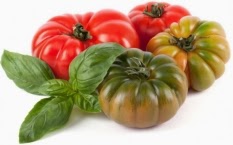
If you’ve ever been to a farmers market, you’ve noticed that heirloom tomatoes barely resemble the ones you see in the grocery — they’re odd shapes and sizes, and they come in a range of colors. As you may have guessed, this is because the mass food industry realized that consumers prefer “pretty,” so they’ve altered their tomatoes to look as perfectly round and as intensely red as possible.

In order to produce tomatoes with that bright red color, tomato breeders bred them with a specific gene — unfortunately, this gene also diminishes flavor and results in tomatoes’ lower concentrations of carotenoids.

This is yet another reason — in addition to low cost, organic produce and helping local farmers — to go to the farmers market. Heirloom tomatoes might not look as perfect, but they offer more flavor and health benefits. 

Green, Red, Orange & Yellow Bell Peppers


We always want to grab the beautiful red, orange and yellow bell peppers when shopping for dinner ingredients, but we so often end up with green bell peppers because of the price. It turns out there’s a very logical reason green bell peppers are cheaper than their colorful counterparts: They don’t take as long to grow.

The reason bell peppers come in different colors is because they’re harvested at different times, according to Whole Foods. Green peppers are plucked from the plant before they’re fully ripe. If left on the plant, they usually change to yellow-orange and then red.

This also explains the slight difference in taste. Because the pepper’s sugar content increases at the fruit ripens on the plant, the green varieties are the least sweet and have a sharper, almost bitter, taste.

All four colors have their own nutritional benefits: Green peppers are packed with chlorophyll; yellow peppers contain plenty of lutein and zeaxanthin carotenoids; orange peppers offer alpha-, beta- and gamm-carotene; and red peppers provide lycopene and astaxanthin (two other carotenoids).

[via Hella Wella]

Monday, September 23, 2013

Top 10 Inflammatory Foods to Avoid

Stay clear of these inflammation-causing foods to instantly upgrade your health.

According to statistics from the World Health Organization, about 12.9 million people worldwide died from some form of cardiovascular disease in 2004. Each year, the World Cancer Research Fund estimates that some eight million people died from cancer. Heart disease and cancer, the deadly manifestation of chronic inflammation, are expected to remain as the leading causes of death in developed countries for many years to come.

But study after study shows that the risk of heart disease and cancer are modifiable by our lifestyle choices which include the food we choose to eat each day. With every bite we take, we’re either balancing the pro- and anti-inflammatory compounds in the body, or tipping the scale to one end.

To shift the balance to your favor, other than incorporating more natural anti-inflammatory foods in your diet, it is also equally important to avoid or cut down on foods which are known to promote inflammation. Here, we look at the top ten foods which set the stage for inflammatory diseases:

1. Sugars

Pro-inflammatory Agent: Excessive sugar intake causes tooth decay and has been linked to increased risks of obesity, inflammation and chronic diseases such as metabolic syndrome and type 2 diabetes. Recently, it has also finally been proven that sugar, as well as dairy, are the causes of acne.
Find them in: Sugar-sweetened beverages like soft drinks, fruit drinks and punches are some of the major sources of dietary sugars that many have overlooked. Do you know that drinking a can of Coke is as good as sucking ten sugar cubes? Other obvious sugar-loaded foods to avoid or at least limit include pastries, desserts, candies and snacks. And when you are looking out for sugar in the ingredients list, note that sugar has many names: corn syrup, dextrose, fructose, golden syrup, maltose, sorghum syrup and sucrose are some of the creative names used.
Inflammation-dousing Substitute: Got a sweet tooth? Opt for natural sweeteners like stevia, honey, or blackstrap molasses to flavor beverages and foods modestly. Natural sugars found in fresh or dried fruits and fruit preserves with no added sugar are also great choices. Not only do they give you the sweetness you crave, fruits also supply you with vitamins, antioxidants and fibers that you won’t find in sugary foods and drinks. Dates, figs, persimmons, kiwis, tangerines and various types of berries are some of the natural healthy snacks you can sink your teeth into.

2. Common Cooking Oils


Pro-inflammatory Agent: Common vegetable cooking oils used in many homes and restaurants have very high omega-6 fatty acids and dismally low omega-3 fats. A diet consisting of a highly imbalanced omega-6 to omega-3 ratiop romotes inflammation and breeds inflammatory diseases like heart disease and cancer.
Find them in: Polyunsaturated vegetable oils such as grape seed, cottonseed, safflower, corn and sunflower oils. These industrial vegetable oils are also commonly used to prepare most processed foods and takeaways.
Inflammation-dousing Substitute: Replace your omega-6-saturated cooking oils with macadamia oil, extra virgin olive oil, or other edible oils with a more balanced omega-6 to omega-3 fatty acids ratio. Macadamia oil, for instance, has an almost one-to-one ratio of omega-6:3 fats, and it is also rich in oleic acid, a heart-healthy, monounsaturated fatty acid.

3. Trans Fats

Pro-inflammatory Agent: Trans fatty acids are notorious for their double whammy effect: they increase the levels of ‘bad’ cholesterol, while lowering levels of the ‘good’ cholesterol. But that is not all they can do. They have also been found to promote inflammation, obesity and resistance to insulin, laying the ground for degenerative illnesses to take place.
Find them in: Deep fried foods, fast foods, commercially baked goods and those prepared with partially hydrogenated oil, margarine and/or vegetable shortening. Note that items that list 0g trans fats on the label may still contain some amount of these toxic fats. This is because in the US, the government allows items containing less than 0.5g of trans fats to be declared as trans-fat free. Commercially prepared peanut butter is one good example. Your best bet is to read the ingredients list and make sure partially hydrogenated oil or vegetable shortening is not used.
Inflammation-dousing Substitute: Look for alternative products that contain no trans fats, and that do not have partially hydrogenated oil or vegetable shortening in the ingredients list. When in doubt, assume that all commercially prepared foods contain trans fats unless stated otherwise.

4. Dairy Products


Pro-inflammatory Agent: As much as 60% of the world’s population cannot digest milk. In fact, researchers think that being able to digest milk beyond infancy is abnormal, rather than the other way round. Milk is also a common allergen that can trigger inflammatory responses, such as stomach distress, constipation, diarrhea, skin rashes, acne, hives and breathing difficulties in susceptible people.
Find them in: Milk and dairy products are as pervasive as foods containing partially hydrogenated oil or omega-3-deficient vegetable oil. Apart from obvious milk products like butter and cheese, foods with hidden dairy content include breads, cookies, crackers, cakes, cream sauces and boxed cereals. Scanning the ingredients list is still the safest way to suss out milk.
Inflammation-dousing Substitute: Kefir and unsweetened yogurt are acceptable in moderation for those who are not allergic to milk. They are easier on the stomach as the lactose and proteins in the milk have been broken down by beneficial bacteria and/or yeasts.

5. Feedlot-Raised Meat


Pro-inflammatory Agent: Commercially produced meats are feed with grains like soy beans and corn, a diet that is high in inflammatory omega-6 fatty acids but low in anti-inflammatory omega-3 fats. Due to the small and tight living environment, these animals also gain excess fat and end up with high saturated fats. Worse, to make them grow faster and prevent them from getting sick, they are also injected with hormones and fed with antibiotics. The result is one piece of meat which you and I shouldn’t be eating.
Find them in: Unless otherwise stated, most, if not all, beef, pork and poultry you can find in the supermarkets and restaurants come from feedlot farms.
Inflammation-dousing Substitute: Organic, free-range animals that are fed a natural diet such as grasses instead of grains and hormones contain more omega-3 fats. Having more room to roam freely, they are also leaner and contain less saturated fats.

6. Red Meat & Processed Meat

Pro-inflammatory Agent: Researchers at the University of California San Diego School of Medicine found that red meat contains a molecule that humans don’t naturally produce called Neu5Gc. After ingesting this compound, the body develops anti-Neu5Gc antibodies – an immune response that may trigger chronic inflammatory response. Low-grade, simmering inflammation that won’t go away has been linked to cancer and heart disease. The link between processed meat consumption and cancer is even stronger. In the 2007 report by the World Cancer Research Fund and the American Institute for Cancer Research, processed meat has been stated as a convincing cause of cancers of the colon and rectum, and possibly of the esophagus and lungs too. Processed meat includes animal products that have been smoked, cured, salted or chemically preserved.
Find them in: Common red meats are beef, lamb and pork, while processed meats include ham, sausage and salami.
Inflammation-dousing Substitute: You don’t need to avoid red meat totally, though the same thing cannot be said for processed meat. No amount of processed meat is safe. Replace the bulk of your red meat with organic vegetables, poultry and fish, and relegate red meat to a weekly treat. When you do eat red meat, remember to choose lean cuts and preferably, that of grass-fed animals. To reduce the formation of heat-generated food contaminants, it is also advisable not to overcook your meat and use moist heat cooking like stewing and boiling more often than high-temperature dry heat methods such as grilling and frying.

7. Alcohol

Pro-inflammatory Agent: Regular high consumption of alcohol has been known to cause irritation and inflammation of the esophagus, larynx (voice box) and liver. Over time, the chronic inflammation promotes tumor growth and gives rise to cancer at the sites of repeated irritation.
Find them in: Beers, ciders, liquors, liqueurs, and wines.
Inflammation-dousing Substitute: A refreshing and thirst-quenching glass of pure, filtered water, anyone? :) How about a cup of anti-aging and anti-inflammatory jasmine green tea? If you find the idea of swapping ethanol for water or tea implausible, at least limit your consumption to no more than one drink a day.

8. Refined Grains

Pro-inflammatory Agent: A lot of the grains we eat nowadays are refined. They are devoid of fiber and vitamin B compared to unpolished and unrefined grains that still have the bran, germ and the aleurone layer intact. This makes refined grains as good as refined sugars, which are practically empty calories. And like refined sugars, refined grains have a higher glycemic index than unprocessed grains and when they are consistently consumed, can hasten the onset of degenerative diseases like cancer, coronary disease and diabetes.
Find them in: Products made from refined grains are almost everywhere. The common ones are: white rice, white flour, white bread, noodles, pasta, biscuits and pastries. To make things worse, many products with refined grains undergo further processing to enhance their taste and look, and are often loaded with excess sugar, salt, artificial flavors and/or partially hydrogenated oil in the process. A prime example is boxed cereals which contain substantial amounts of added sugar and flavorings.
Inflammation-dousing Substitute: Go for minimally processed grains if you are not gluten intolerant or allergic to grains. If you are an avid bread or pastry maker, invest in a grain mill to produce your own flour. It will be much fresher than the stale grain found in stores. When buying cereals or other products made from grains, don’t take the words on the packaging for granted. Just because the box says whole grains, it does not mean the grains inside are 100% intact. The problem is due to a lack of an internationally accepted definition for the word ‘whole grain’. When in doubt, if it does not look close to its natural state, don’t buy it.

9. Artificial Food Additives

Pro-inflammatory Agent: Some artificial food additives like aspartame and monosodium glutamate (MSG) reportedly trigger inflammatory responses, especially in people who are already suffering from inflammatory conditions such as rheumatoid arthritis.
Find them in: Only packaged foods contain artificial food additives. If you need to buy them, read the labels carefully and weigh your risks. If you order Chinese takeaways, make sure you have the option to ask for no MSG. Otherwise, look elsewhere.
Inflammation-dousing Substitute: Besides limiting the consumption of processed foods, use anti-inflammatory herbs, spices or natural sweeteners to add flavor to your dishes instead of relying on food additives.

10.  [Fill in the Blank]

Pro-inflammatory Agent: Why is this blank? Because it is meant for you to fill in with the food that you are sensitive to. Many people are sensitive to certain foods but are totally unaware of it. Unlike food allergies whereby symptoms usually come fast and furious, symptoms caused by food intolerance may take a longer time to manifest. Consequently, when symptoms of food intolerance do appear, they are often brushed off as common minor ailments such as tiredness and headaches. But repeated, long-term exposure to food that irritates can cause inflammation and lead to chronic disease.
Find them in: Common food allergens are gluten, milk, nuts, eggs and nightshade vegetables. Contrary to common belief, it is possible to develop an allergy to the foods that you eat often.
Inflammation-dousing Substitute: If you suspect that a particular food may be responsible for your food intolerant response, try avoiding it completely for about two weeks and monitor your reaction. At the end of the abstinence period, re-introduce the food back into your diet. If you are in fact incompatible with it, you should be able to notice the difference in how you feel easily.