Showing posts sorted by relevance for query vitamin c. Sort by date Show all posts

Monday, September 26, 2016

4 Fall Produce Picks to Boost Immunity


Are you getting enough of this crucial vitamin? An antioxidant, vitamin C promotes wrinkle-free skin, supports good immunity, and may help the body protect itself against some diseases, such as cardiovascular disease and cancer.

Oranges and other citrus aren’t the only sources. These fall/winter vegetables offer ample amounts too. With cold and flu season around the corner, now is a good time to revamp your crisper drawer with these fresh picks.

Cooking tip: Vitamin C can be easily lost in the cooking process, particularly when veggies are boiled and drained. To retain more nutrients, cook into soups or stews, or lightly steam or microwave. Roasting or broiling results in less vitamin retention than other methods, but the results are very delicious. Frying virtually obliterates vitamin C and other volatile nutrients. Our advice? Avoid frying, vary other cooking methods, and enjoy.

Broccoli

Broccoli provides about 100 mg vitamin C per cup (chopped), plus sulforaphane, a potent antioxidant studied for its anticancer effects.
Serving idea: Try lightly steaming and dressing with lemon juice (more C!), olive oil and salt.

Cauliflower

A cup of cauliflower contains approximately 93 mg vitamin C. Bonus: You’ll also get several grams of fiber.
Serving idea: Steam cauliflower, then mash with miso, sesame oil and ginger; or garlic, olive oil and herbs.

Kale

A cup of kale contains tons of vitamin A (twice your daily value), vitamin K, trace minerals and 80 mg of vitamin C.
Serving idea: Remove tough stems, chop, and massage with lemon juice, olive oil and a little garlic until slightly wilted. Let this sit at room temperature. Excellent add-ins: toasted sliced almonds, chopped hazelnuts, parmesan cheese or apple slices.

Brussels Sprouts

The tiny cousins of green cabbage, Brussels sprouts contain 48 mg vitamin C per half cup.
Serving idea: Steam lightly and toss with hazelnut or walnut oil, a touch of maple syrup, and sea salt. (Roasting is a favorite cooking method because it brings out Brussels sprouts’ sweet flavor, but you’ll get less vitamin C.)

Tuesday, February 7, 2017

Health Benefits of Brussels Sprouts


Not everyone loves Brussels sprouts, but those little green buds contain some surprising and potent health benefits.  With some of the highest plant protein of any vegetable and considerable density in many important vitamins and minerals, there are more than a few reasons to include Brussels sprouts in your diet. Here are some potential health benefits of Brussels sprouts.

1. Excellent Source of Vitamin C

As little as 50 grams of boiled Brussels sprouts can help you meet your daily requirement for vitamin C. In fact, there’s more vitamin C in Brussels sprouts than oranges. Vitamin C is necessary for a variety of important natural functions, including regulating your blood pressure and bolstering your immune system. Vitamin C health Benefits

2. Reduce Cholesterol

Due to their high fiber content, Brussels sprouts are great at helping the body regular cholesterol levels. The fiber contained in each sprout can bind with bile acids, making it easy for your body to get rid of them from your system.

3. Rich Source of Vitamins and Minerals

As little as a single serving of Brussels sprouts can provide you with your complete daily requirement of vitamin K, B, and C. They’re also an excellent source for a number of important minerals including potassium, phosphorus, calcium, zinc, iron, and magnesium.

4. Protect your DNA

There are enzymes in your body that can do serious harm to the stability of your DNA within the white blood cells that are crucial to your immune system.  Brussels sprouts can actually block these enzymes from affecting your DNA, which can protect you from a variety of serious genetic problems.

5. Reduces Risks of Cardiovascular Disease

Brussels sprouts are also a potent anti-inflammatory agent, and may even help repair damaged blood vessels. This is due to isothiocyanate sulforaphane, a compound in Brussels sprouts that helps support your heart’s health, and may even lower your risk of a heart attack.

6. Excellent Source of Fiber

The body uses fiber for a healthy and efficient digestive process. Like many vegetables, Brussels sprouts are an excellent source of fiber. A serving as small as 100 grams of sprouts each day can help provide nearly 20% of your daily value.

7. Good For Bones

Brussels sprouts have some of the highest vitamin K content of any vegetable, which is vital for healthy bone structures, regular calcification, and helping your body absorb and distribute other vitamins. One cup of sprouts every day will provide double your daily value.

8. Fight Free Radicals

Brussels sprouts contain a variety of antioxidant compounds and flavonoids. Combined with a high density of important vitamins like A, C, B6, and K, they provide almost everything your body needs to help fight off the oxidative stress placed on your body every day.

9. Anti-inflammatory Properties

Sprouts are an excellent source of glucosinolate, which are a compound necessary in the natural regulation of the body’s inflammatory response. With enough Brussels sprouts in your diet, you can help prevent or reduce chronic inflammation.

10. A Well-Rounded Addition to Any Diet

A single serving of Brussels can help provide you with more than 100% of your daily requirement for several critical vitamins and minerals. While many fruits or vegetables are a rich source of one or two vitamins, like oranges with vitamin C, Brussels sprouts are a well-rounded addition to any diet.

Wednesday, January 15, 2014

Breakfast Boosters: 14 Foods to Fight Off a Cold

Kiwi

Kiwis contain between 90 and 110 milligrams of vitamin C — more than an average orange. They are a good source of potassium, an important mineral for strong muscles and nerves, plus immune-boosting vitamin E. They are also packed with flavonoids and carotenoids — antioxidants that promote respiratory health, heart health and optimum well-being, says Suki Hertz, M.S., R.D., nutrition professor at the Culinary Institute of America. Cut kiwis in half and scoop out the flesh for a fruit salad or mash up and stir into plain yogurt.

Papaya

Papayas are praised for their anti-inflammatory properties. They're also an excellent source of vitamin C—one medium papaya supplies 313 percent of your daily requirement, explains Hertz. Additionally, they are a great source of beta-carotene, a phytonutrient that gets converted to vitamin A in your body and keeps eyes, skin and mucous membranes moist. Have a few slices for breakfast in the morning or blend some with orange juice for a tropical smoothie.


Ginger

If you feel a cold coming on ward it off with ginger, which can alleviate cold symptoms and clear nasal passages. It also promotes digestive health, reduces gas pains and relaxes the intestinal tract, explains Hertz. If you find yourself battling a stomach bug or winter cold, try steeping slices of fresh ginger in hot water for a soothing and healthy morning drink.

Pumpkin Seeds

Pumpkin seeds are packed with vitamins, amino acids and minerals, including zinc. Zinc helps the immune system by acting as an antioxidant and minimizing damage to cell membranes from free radicals, explains Hertz. Pumpkin seeds are delicious alone or sprinkled in yogurt, oatmeal or cereal. For a sweet and spicy breakfast on the go, try this energy mix.

Wheat Germ

Full of essential vitamins and fats, wheat germ, the nutrient source of the wheat grain, can help give your immune system a boost. It's also high in vitamin E, an antioxidant that helps fight inflammation, says Hertz. Sprinkle wheat germ in yogurt, oatmeal or cold cereal.

Beets

Give your morning glass of orange juice a boost by blending it with cooked beets — just remember to strain it before serving. Packed with antioxidants and magnesium, a mineral that assists with nerve and muscle function, beets are also especially rich in folate. This B vitamin helps prevent serious birth defects and is important for women of childbearing age and for heart health, explains Hertz.

Flax Seeds

Flax seeds are chock-full of important nutrients and minerals, including vitamin E, an antioxidant that keeps cells healthy, and alpha-linolenic acid, a vegetarian source of omega-3 fatty acids. To obtain these healthy fats, flax seeds must be ground first, explains Hertz. A coffee grinder works perfectly for this.
Famous for their nutty flavor, flax seeds can be sprinkled on yogurt, oatmeal or cold cereal. Flax oil is another option and a good way to add important nutrients to smoothies. Both flax seeds and flax oil are highly perishable and should be kept in the refrigerator for up to three months.

Lemons

Besides being packed with vitamin C, lemons promote healthy bacteria, rather than the type that can cause viruses and colds. Hertz suggests using lemon in place of sugar and salt, both of which can weaken the immune system. In the morning, try squeezing some on fresh fruit instead of sprinkling with sugar. 


Blueberries

It's no wonder blueberries are called a superfood — they have more antioxidants than any other fruit or vegetable. They are also one of the highest-ranking foods in anthocyanidins (cancer-fighting antioxidants) and are excellent sources of vitamin C, manganese and fiber, says Hertz. Start your morning with this Greek yogurt parfait, a beautiful dish that delivers a healthy mix of berries.

Eggs

Egg yolks are a good source of selenium, a powerful mineral that supports a healthy immune system. Research on eggs is proving they are not the heart-disease villains they were once thought to be, explains Hertz. The protein in the whites is of the highest value, and the yolks, although high in dietary cholesterol, are relatively low in saturated fat.

Tofu

People who don't eat enough protein tend to load up on carbs, which can increase blood sugar levels and weaken the immune system. Tofu is a complete protein and a good source of calcium and omega-3 fatty acids, all of which can strengthen the immune system, says Hertz. For a high-protein drink that's good on the go, try this quick smoothie.

Quinoa

Quinoa (pronounced keen-wa) is commonly referred to as a grain, but it's actually a seed that can be cooked. A super food, quinoa is one of the few "complete proteins" of the plant world, meaning it supplies all of the essential amino acids that are found in meat, poultry or fish, such as lysine, which helps with tissue repair, says Hertz. In the morning, swap white or whole-wheat bread with a multigrain loaf that's loaded with quinoa, bulgur and millet.


Grapefruit and Oranges

Everyone knows that citrus is chock-full of vitamin C, and it's also packed with powerful antioxidants and is low in calories, says Hertz. For a healthy breakfast that's sure to strengthen your immune system, try a fruit salad that combines three types.

Cottage Cheese

Cottage cheese contains selenium, a powerful antioxidant that can strengthen the immune system, says Hertz. To give your immune system a boost, try this breakfast parfait which combines cottage cheese with vitamin C-rich papaya and wheat germ.


Tuesday, September 3, 2013

25 Healthiest, Nutrient-Dense Foods


In an ideal world, we wouldn’t go first to a pharmacist to address maladies ranging from the common cold to cancer; instead, we’d create grocery shopping lists aimed at fostering optimal health. Good nutrition may not cure disease, but a growing body of research shows it could do something even more powerful: help prevent disease. “By choosing foods wisely, we can control our health destiny,” says Joel Fuhrman, MD, author of Eat for Health (Gift of Health, 2008). “But we can’t make small, moderate changes to the average diet and expect prevention; we need to make aggressive, radical changes.”

Fuhrman developed a comprehensive nutrient-per-calorie ranking system, which he calls the Aggregate Nutrient Density Index (ANDI). The charts on the following pages list the top ANDI-ranked foods by category. Use them as guides to make the healthiest eating choices for you and your family.

~ Top 6 Vegetables ~

Vegetables are low in calories and loaded with fiber and micronutrients—vitamins, minerals, and phytochemicals— so eat them in unlimited quantities (exceptions: starches such as potatoes, yams, and corn).

Smart tip: Start lunch and dinner with a serving of raw vegetables, such as a large salad or crudités, to increase nutrient intake and help control appetite.

1. Dark Leafy Greens

Nutrients: Vitamins A, C, and K, folate, manganese, magnesium, calcium, fiber
Health Boosts: May promote eye health (thanks to carotenoids, a group of pigments found mainly in green leafy vegetables, carrots, and tomatoes), fight cancer, and reduce diabetes risk (vitamin K improves insulin sensitivity and blood glucose control).
Recipes:
Garlicky Mustard Greens with Garbanzos
Dandelion and Watercress Salad with Ginger Dressing
Kale with Sesame Seed Dressing

2. Bok Choy

Nutrients: Vitamin C, folate, calcium, fiber
Health Boosts: May help promote bone health and support immunity.
Recipes:
Braised Baby Bok Choy with Ginger and Garlic
Bok Choy Stir-Fry with Shrimp
Baby Bok Choy

3. Brussels Sprouts

Nutrients: Vitamins A, C, and K, folate, manganese, fiber, potassium, vitamin B6
Health Boosts: Linked to reduced cancer risk, especially breast and colon cancers.
Recipes:
Mustard-Glazed Brussels Sprouts with Hazelnuts
Brussels Sprouts in Sage Butter
Stir-Fried Brussels Sprouts with Shallots

4. Radishes

Nutrients: Vitamin C, fiber, folate
Health Boosts: Help with weight control; may boost the immune system.
Recipes:
Radish, Fennel & Dandelion Salad
Black-Eyed Pea, Corn, and Radish Salad

5. Bean Sprouts

Nutrients: Vitamins C and K, folate, protein, potassium
Health Boosts: May boost satiety and assist in weight management.
Recipes:
Seaweed Salad with Bean Sprouts and Tofu
Chilled Tofu with Bean Sprouts

6. Red Bell Peppers

Nutrients: Vitamin C (three times as much as green bell peppers), vitamins A, B6, and K, fiber, manganese, folate
Health Boosts: May promote heart health. Vitamin C supports immunity; carotenoids may decrease risk of certain types of cancer, including lung cancer.
Recipes:
Grilled Red Peppers and Tomato


~ Top 5 Fruits ~

Eat at least four fresh fruits daily for the maximum variety of phytochemicals. Frozen fruit is a fine substitute, but avoid canned, which often contains added sweeteners. For weight loss and diabetes or prediabetes management, eat just two fruits daily, focusing on lower-sugar options such as berries, green or Granny Smith apples, melons, grapefruit, oranges, kiwifruit, and papaya.

1. Strawberries

Nutrients: Vitamin C, potassium, fiber, folate, flavonoids
Health Boost: May have anti-inflammatory, anticancer effects and promote brain health; may lower cholesterol and improve the effectiveness of cholesterol-lowering diets.
Recipes:
Fresh Strawberries with Balsamic Vinegar
Strawberry Sunrise Shake

2. Pomegranate Juice

Nutrients: Antioxidants, flavonoids, potassium, fiber, calcium
Health Boost: Studies indicate that pomegranate juice has antiatherogenic (protects against plaque in the arteries), antioxidant, antihypertensive, and anti-inflammatory effects that help fight heart disease, certain types of cancer, and brain degeneration.
Recipes:
Squash Tart with Fresh Pomegranate Juice

3. Tomatoes

Nutrients: Vitamins A, B, and C, potassium, iron, folic acid, phosphorus, carotenoids, fiber
Health Boost: Lycopene, a potent antioxidant in tomatoes, may prevent certain cancers, protect skin from UV rays, and promote overall prostate health.
Recipes:
Indian-Seasoned Tofu with Tomatoes
Quinoa and Salmon Stew with Tomatoes

4. Plums

Nutrients: Fiber, vitamins A and C
Health Boost: Plums help support immunity and may help slow development of artherosclerosis. Polyphenols from dried plums may promote bone strength and density by regulating growth factors linked to bone formation.
Recipes:
Curried Chicken with Dried Plums
One-Pan Baked Chicken with Peaches and Plums
Lettuce Wraps with Chicken in Plum Sauce

5. Raspberries

Nutrients: Manganese, vitamin C, fiber
Health Boost: Anthocyanins—red plant pigments—may protect eyes and improve heart health by preventing artery hardening and reducing blood pressure; ellagic acid, a phytochemical, helps kill certain types of cancer cells.
Recipes:
Raspberry Soup
Apple, Raspberry, and Frisée Salad
Melon and Berry Salad


~ Top 4 Beans and Legumes ~

Eat at least 1⁄2 cup of beans daily. Try adding them to soups, stews, and salads. Dried beans are the most economical; if you’re buying canned, look for unsalted and BPA-free varieties. To avoid gas or bloating, soak dried beans for 8 to 12 hours and slow cook with a piece of sea vegetable, such as wakame.

1. Lentils

Nutrients: Protein, fiber, folate, iron, manganese, magnesium
Health Boost: Folate may improve colon, breast, and brain health and lower blood pressure.
Recipes:
Green Lentils and Seasoned Walnuts
Curried Lentils
Grilled Salmon with Lentils and Curried Mint Yogurt

2. Black Beans

Nutrients: Iron, fiber, protein, folate, manganese, magnesium
Health Boost: Some of the best sources of antioxidants, as indicated by their dark color; may protect against colorectal cancer and slow tumor growth.
Recipes:
Cuban Black Bean & Rice Soup
Tex-Mex Bean Salad
Black Beans Cakes with Orange Basil Salsa

3. Adzuki Beans

Nutrients: Protein, fiber, iron, magnesium, potassium, zinc, folate
Health Boost: Promote heart health; help manage weight.
Recipes:
Oriental Bean Cakes

4. Red Kidney Beans

Nutrients: Folate, fiber, manganese, protein, iron, tryptophan, phosphorus
Health Boost: Promote heart health; may help prevent diabetes.
Recipes:
Kidney Bean & Butternut Squash Soup
Baked Winter Squash with Heirloom Beans and Hominy


~ Top 5 Grains ~

Not all whole-grain products are good foods, says Fuhrman. Breakfast cereals and some breads, for example, lose much of their fiber and micronutrients during processing. Choose coarsely ground grains, which the bloodstream absorbs more slowly, and always look for “whole” on the package (or the Whole Grains Council’s 100 Percent Whole Grain stamp). Whole grains should appear among the first items in the ingredient list. 

1. Oats

Nutrients: Fiber, protein, calcium, iron
Health Boost: Beta-glucan, a soluble fiber, can slow the release of sugar into the bloodstream to help fight diabetes. Oats also lower cholesterol and may reduce risk of heart disease and cancer.
Recipes:
Quick Apple-Cranberry Oatmeal
Mixed Whole-Grain Breakfast

2. Brown Rice

Nutrients: Fiber, manganese, selenium, magnesium, phosphorus
Health Boost: May improve blood glucose control; helps control weight and manage cholesterol, and may decrease asthma risk.
Recipes:
Puffed Brown Rice Tabbouleh with Red Cabbage

3. Sprouted Grain Bread

Nutrients: Fiber, protein, vitamin B1
Health Boost: When grain seedlings sprout, enzymes convert some of the fats and carbohydrates into vitamins, minerals, and amino acids; sprouted-seed breads are more filling and have less of a spiking impact on blood sugar than other breads.
Recipes:
Sprouted Spelt and Seed Bread

4. Barley

Nutrients: Fiber, folic acid, iron, calcium, magnesium, phosphorus, potassium, vitamin E
Health Boost: Look for hulled barley, which contains more nutrients than pearl barley. The FDA recently confirmed the qualified health claim linking whole-grain barley to a reduced risk of coronary heart disease; soluble fiber lowers cholesterol and stabilizes blood glucose levels.
Recipes:
Barley and Spinach-Stuffed Bell Peppers
Lima Bean, Mushroom and Barley Soup

5. Quinoa

Nutrients: Protein, calcium, lysine, iron, magnesium, vitamin E, potassium, phosphorus, fiber
Health Boost: Bolsters heart health; may protect against certain types of cancer, including breast cancer.
Recipes:
Quinoa and Wild Rice
Quinoa & Pecan Salad with Dried Cranberries
Quinoa with Mixed Vegetables


~ Top 5 Nuts and Seeds ~

Despite being high in calories, nuts and seeds are rich in essential fatty acids, which promote brain and heart health. Most women should limit intake to 1 ounce per day and men to 2 ounces (about a handful), especially when trying to lose weight. Increase servings if you need to fuel athletic efforts.

1. Brazil Nuts

Nutrients: Selenium, calcium, magnesium, omega-3 fatty acids, protein, vitamin A, iron
Health Boost: One of the richest sources of selenium, Brazil nuts may bolster immunity, reduce the risk of cancer, and promote liver health.
Recipes:
Fresh Vegetable Rolls with Mango and Tamarind Sauce

2. Sunflower Seeds

Nutrients: Vitamins B1, B5, and E, manganese, magnesium, selenium, phosphorus, folate
Health Boost: May help prevent cardiovascular disease and alleviate arthritis symptoms.
Recipes:
Soy Nut Trail Mix

3. Flaxseeds

Nutrients: Lignans (phytoestrogens), fiber, omega-3s, alpha-linolenic acid (ALA)
Health Boost: May prevent colon, breast, skin, and lung cancers; can help treat rheumatoid arthritis and other inflammatory diseases; may decrease cholesterol levels, arterial plaque formation, and diabetes risk.
Recipes:
Fresh Ricotta with Arugula and Flaxseed Pizza
Buckwheat-Flaxseed Blueberry Pancakes

4. Sesame Seeds

Nutrients: Protein, calcium, vitamin B3, iron, zinc
Health Boost: May decrease breast cancer risk.
Recipes:
Carrot Salad with Sesame Seeds

5. Pumpkin Seeds

Nutrients: Protein, iron, zinc, omega-3s, manganese, magnesium, phosphorus
Health Boost: Help reduce cholesterol; may promote prostate health.
Recipes:
Luscious Beet Salad with Toasted Pumpkin Seeds
Butternut Squash Soup with Roasted Pumpkin Seeds

Tuesday, April 23, 2013

10 foods that fight spring allergies

Work vitamin C-rich foods (like citrus and broccoli) into your diet and turn to stinging nettle as a potent natural form of allergy relief.

 
Thanks to climate change, every allergy season is the worst allergy season ever. Warmer temperatures have led to earlier springs and longer allergy seasons, while higher levels of carbon dioxide in the atmosphere have led to more potent and allergenic pollen.

This year is no different. A mild winter — the fourth-warmest on record — means that trees have started budding and releasing pollen earlier. While that certainly bodes well for birds and cherry-blossom festivals, it could leave you feeling miserable if you suffer from spring allergies. The good news is that natural allergy relief is within an arm's reach of your refrigerator: Foods rich in vitamin C and folic acid help reduce the inflammation associated with allergic reactions, and studies are finding that some herbs are just as effective as expensive drugs.

Grab your grocery cart and stock your produce bin with these 10 natural allergy remedies:


1. Broccoli


This precious piece of produce serves two purposes in annihilating your allergy symptoms. It's high in allergy-relieving vitamin C and it's a member of the crucifer family, plants that have been shown to clear out blocked-up sinuses. Researchers have found about 500 milligrams (mg) of Vitamin C a day can ease allergy symptoms, and just one cup of raw broccoli packs about 80 mg.

2. Citrus fruits


To hit that 500-milligram vitamin C level from whole food sources, you can also turn to oranges, grapefruit, lemons, and limes. A large orange contains nearly 100 mg of C, while half of a large grapefruit contains about 60 mg.

3. Kale

Don't just admire kale as a garnish. Eat it! This superfood packs a one-two punch against allergies; like broccoli, it's a member of the crucifer family, but it's also rich in the carotenoid department, pigments believed to aid in fighting allergy symptoms.

4. Collard greens

Highjacked by hay fever? Put collard greens on the menu for the same reason as kale. Their phytochemical content, mainly, carotenoids, eases allergy issues. To increase the amount of carotenoids your body absorbs, eat the veggie with some sort of fat source. One idea? Lightly cook it in olive oil.


5. Stinging nettle


You can't discuss natural allergy remedies without hailing stinging nettle. It helps stifle inflammation that occurs when you're experiencing allergy symptoms. Stinging nettle contains histamine, the chemical your body produces during an allergic reaction, so it helps you acquire tolerance. Look for 500-mg freeze-dried nettle capsules in your natural health store, and take three times a day. That's the best form for allergy relief; it won't sting because it's freeze-dried. Long-term use of the herb is not recommended, since it can deplete your potassium stores.

6. Butterbur

Leaves and roots of the butterbur shrub contain compounds called petasines, which can block some reactions that spark allergies. Does this plant really work? Science says yes, though its use is not generally recommended for young children, people older than 65, or those with ragweed allergies. A large British meta-analysis of six studies looking at butterbur as an allergy reliever found five studies supported the claim. The roots of the perennial shrub generally contain high levels of pyrrolizidine alkaloids, which can damage the liver, so herbalists recommend looking for butterbur products that specify no pyrrolizidines, or ones that use a CO2 extracting process, which limits the amount of pyrrolizidine alkaloids. Swiss and German researchers found that butterbur was just as effective as the prescription antihistamine cetirizine (Zyrtec) after two weeks of treatment. It's also been shown to relieve sneezing, itching, runny nose, stuffiness, and watery eyes in just five days.


7. Elderberries


Immune-strengthening elderberries are often hailed as a natural flu treatment, but the berries serve a purpose in natural allergy relief, too. Try elderberry wine, juice, or jam to tap the fruit's beneficial flavonoids that reduce inflammation.

8. Onions and garlic

Quercetin is another secret weapon that helps fight allergies by acting like an antihistamine. Onions and garlic are packed with quercetin, as are apples. (If you go with eating apples, just make sure they don't stimulate oral allergy syndrome.)


9. Parsley


According to Michael Castleman, author of "The New Healing Herbs" (Rodale, 2009), parsley inhibits the secretion of allergy-inducing histamine. (Parsley is a diuretic, so talk to your doctor before taking supplements or eating large amounts of it.)

10. Anti-allergy soup!

There's nothing like a warm bowl of soup when you're feeling sick, and while this usually pertains to chicken soup for the flu, an expert on herbs developed this soup to naturally battle allergies. In "The Green Pharmacy Guide to Healing Foods: Proven Natural Remedies to Treat and Prevent More Than 80 Common Health Concerns" (Rodale, 2008), herb expert James Duke, PhD, recommends this allergy-fighting soup recipe:

Boil an onion (with skin) and a clove of garlic. Add half a cup chopped leaves and diced taproots of evening primrose. After boiling for about 5 minutes, add a cup of nettle leaves and a cup of diced celery stalks, and boil gently for another 3 to 10 minutes. Before eating, remove the onion skins and eat the soup it's while still warm. Season with wine vinegar, black pepper, hot pepper, turmeric, curry powder or celery seed. Enjoy!

Thursday, July 10, 2014

20 Foods to Help You Stay Hydrated this Summer

For most of us, summertime is synonymous with long days, warm evenings, visits to the pool, and, above all, sunshine. But when that glorious yellow orb is warming and lighting the world, it can be easy to forget to stay hydrated. This is problematic, because poor hydration can lead to a host of short and long-term health problems, including constipation, nose bleeds, headaches, coughing, fatigue, acne, and unwanted weight gain. But staying hydrated when it’s hot outside doesn’t have to be a difficult chore; by including certain foods in your diet, you can help your body stay happy and hydrated while you beat the heat.

Here are 20 foods to stay hydrated with, so keep them on your menu when the days start to grow long and hot.

1. Watermelonwater content: 92%

Watermelon is a cherished summer treat, and for good reason—it’s tasty, fun to eat, and undeniably refreshing. Of course, it’s no secret that watermelon is loaded with water; after all, it’s even in the name. However, it also contains lycopene, which is an antioxidant believed to help fight cancer.

2. Strawberries,  water content: 92%

Another summer favorite, strawberries are as water-rich as watermelons, but thanks to their small size, they are a bit easier to eat while on the go. They may also promote bone health, boost short-term memory, and even help burn stored fat.

3. Apricotswater content: 86%

Generally only available fresh through the beginning of summer (due to the fact that they bloom early, have little tolerance to extreme heat, and are difficult to ship), fresh apricots are nonetheless widely popular. In addition to having a high water content, they are also rich in antioxidants, fiber, and beta carotene.

4. Iceberg Lettucewater content: 96%

Although you’re probably less-likely to grab a handful of lettuce to take along on your summer walk or July beach-trip, one of the things that makes lettuce such a wonderful food is that it’s easy to incorporate into other meals. A healthy salad or fresh sandwich can be a great way to get the hydrating benefits of lettuce—as well as the other nutritional advantages—while still enjoying a delicious meal.

5. Spinach,  water content: 92%

Spinach doesn’t have quite as much water in it as iceberg lettuce, but it is a bit more nutritious overall. However, the calcium and iron in raw spinach are often unprocessable by the human body, because of a compound called oxalic acid that is also present in spinach. This problem can be solved by simply cooking the spinach, blending it in a smoothie, or by pairing it with foods rich in vitamin C.

6. Grapefruit,  water content: 91%

Tart and tangy, grapefruits are loaded with mouth-watering citrus juice. They’re also suspected to help burn unwanted fat, while reducing cravings and boosting the immune system. For added nutrients and hydration, consider peeling the grapefruit and eating it like an orange, rather than cutting it.

7. Sweet Peppers,  water content: 92%

Sweet peppers are large, mild peppers which have a subtle sweet flavor and are generally very crisp. They come in a variety of colors, but all of them have a high water content. They are often used in salads and main dishes, but when sliced into smaller sections, they can make a great mid-day treat that’s high in vitamins C, E, B6, and helpful enzymes, and low in calories.

8. Tomatoeswater content: 94%

We’ve come a long way in the last 200 hundred or so years, when the prevailing British and American belief was that tomatoes were poisonous (despite the fact that they were eaten regularly in Spain and Italy). These days, tomatoes are found in dishes around the world, and are considered by many to be world’s most popular (and possibly most nutritious) fruit.

9. Radishes,  water content: 95%

Often overlooked as a standalone vegetable, radishes are nevertheless a slightly spicy treat that can also help keep you hydrated and healthy. This is because radishes contain vitamin C, zinc, and phosphorus, which all play a part in keeping you feeling your best during the hot months.

10. Cauliflower,  water content: 92%

Although you may not realize it, cauliflower actually has as high of a percentage of water as strawberries—this helps contribute to the crispiness for which cauliflower is known. It also contains sulforaphane (which is believed to kill cancer stem cells), is loaded with vitamins, and helps to regulate digestion.

11. Broccoli,  water content: 91%

Similar to cauliflower in many respects, broccoli is likewise full of vitamins and sulforaphane, and contains a high amount of water. It is best for the body when eaten raw.

12. Carrots,  water content: 87%

Carrots are best known for their bright orange color and their sometimes-debated ability to improve vision. What they’re not as well known for is their water content. However, carrots are easy to pack along for snacks, and can help keep the body hydrated.

13. Cantaloupe,  water content: 90%

Cantaloupe is another great summer treat that will keep you hydrated. As summer-season fruits, they are available fresh all the way through to the end of August. They are nutritious and low in calories, and have a unique musky flavor. Consider giving it a sour-tasting flavor boost by eating it with a dash of lime or lemon juice.

14. Zucchini,  water content: 95%

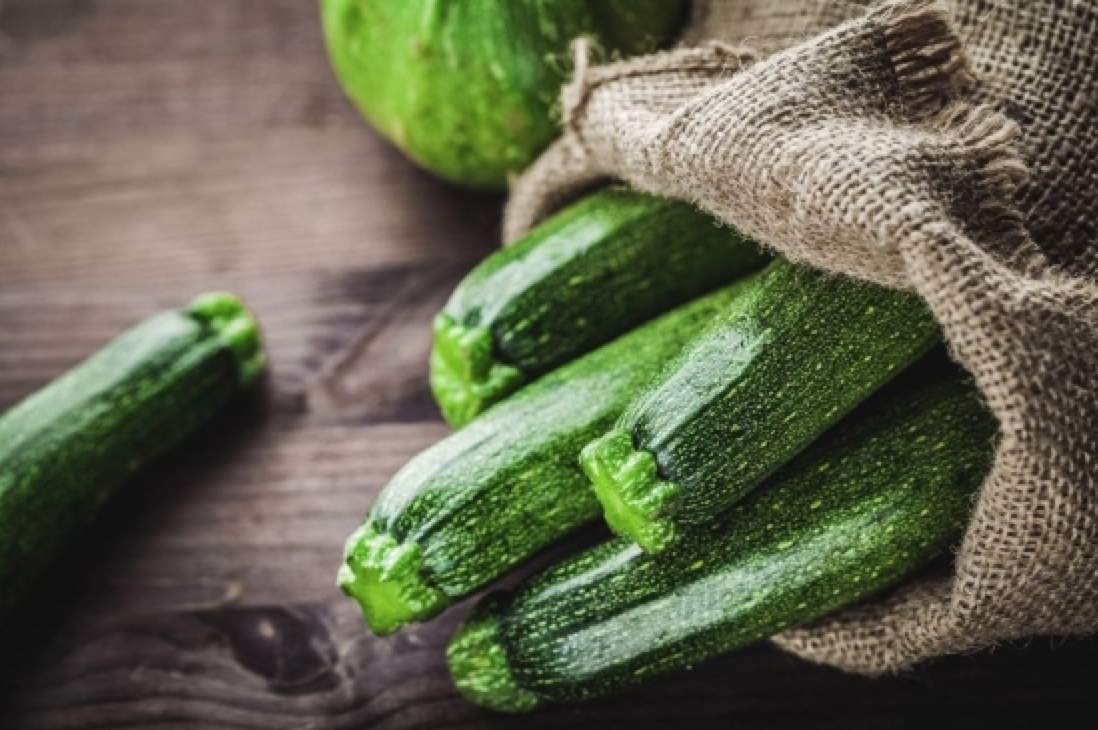
Although green squash such as zucchini may not sound like the perfect summer snack, it is loaded with lutein and zeaxanthin (which promote healthy vision), manganese (which protects tissue from damage caused by free radicals), and massive amounts of vitamin C. Zucchini also has a very high water content, and is the perfect addition to your summer diet.

15. Celery,  water content: 95%

Celery is a perfect food for satisfying cravings and promoting weight loss, all thanks to its high water and fiber content, and its absurdly low calorie count. At the same time, celery contains vitamins A, C, and K, making it nutritious as well as filling and thirst quenching.

16. Pineapple,  water content: 87%

One of the most popular tropical fruits, pineapples are extremely rich in vitamin C. In fact, 1 cup of fresh pineapple contains over 100% of the recommended daily value of vitamin C. Pineapple is also high in manganese, making it a healthy and energy-rich fruit that will also keep you hydrated.

17. Peaches,  water content: 88%

Another fruit which is great by itself or as a part of a larger meal, peaches are also known to calm upset stomachs and even relieve anxiety (they’re known as the “Fruit of Calmness” in Hungary). Their juicy flesh contains significant amounts of water, and makes a great snack.

18. Cranberries,  water content: 87%

The health benefits of cranberries are widely recognized, which is one of the reasons that cranberry juice is so often mixed with other juices. Cranberries contain vitamin C, fiber, and more antioxidants than almost any other fruit or vegetable. Their high water content makes them a must for those who want to eat healthy and keep hydrated.

19. Blueberries,  water content: 85%

These small, dark berries are often added to other dishes, and are known to help lower cholesterol, and also decrease the risk of diabetes and heart disease. Much like cranberries, they contain incredibly high amounts of antioxidants. And, also like cranberries, blueberries contain a high percentage of water.

20. Cucumberwater content: 96%

If cucumbers contained any more water, they’d probably be a soup. Suffice it to say that cucumbers contain more water than almost any other solid food. And, thanks to their high levels of vitamins, their ability to help flush toxins from the human body, and their usefulness in controlling blood pressure, cucumbers are actually one of the most nutritious foods available.

So, don’t let the summer heat dry you up; grab a few of your favorite hydrating ingredients and make a summer smoothie that will not only quench your thirst, but also nourish your body in the process. Now get out there and enjoy that sun!

[via The Blend]