Showing posts sorted by relevance for query blueberries. Sort by date Show all posts

Tuesday, January 20, 2015

6 Health Benefits of Blueberries


Consuming fruits and vegetables provide copious health benefits. Produce consumption has been shown to lower the risk of developing various chronic conditions and is protective against certain types of cancer. Experts recommend consuming a rainbow of colored produce to provide the various vitamins and minerals that are essential to maintain optimal health. Do your body and taste buds a favor and choose to add blueberries into your diet. Blueberries are packed with nutrients which provide many health benefits.

6 Main Health Benefits of Blueberries


(1) Vitamin C

Get 25% of your daily vitamin C requirements in 1 cup of blueberries. Vitamin C is essential for tissue growth and repair, keeping gums and teeth healthy, and aids in iron absorption. Vitamin C is also an antioxidant which can neutralize free radicals. Free radicals are responsible for the aging process on the body and may play a negative role in cancer, heart health, and inflammatory diseases such as arthritis.

(2) Manganese

One cup of blueberries contains 25% of your daily manganese requirements. Manganese is essential for tendon and skeletal development and may play a role in blood pressure, fertility, reproduction and energy production.

(3) Vitamin K

Obtain about one third of your daily vitamin K requirements by consuming 1 cup of blueberries. Vitamin K is essential in blood clotting. Blood clotting is important to prevent excessive bleeding with an open cut. Studies also suggest that vitamin K may also be involved in calcium metabolism and in maintaining bone health.

(4) Anthocyanins

Anthocyanins are compounds that provide blueberries with that rich blue/purple color. Studies suggest that, due to its antioxidant properties, anthocyanins may play a role in decreasing the risk of cancer, cognitive decline and heart disease. The disease-fighting powers of Anthocyanins is one of the many reasons experts, such as the Academy of Nutrition and Dietetics, recommend consuming a rainbow of different colored fruits and vegetables.

(5) Fiber

1 cup of blueberries contains 4 grams of fiber. Fiber is essential for bowel health because it promotes bowel regularity and reduces constipation. Fiber not only regulates blood sugar and helps with satiety, but it can also reduce blood cholesterol. Reducing blood cholesterol can help lower the risk of developing heart disease, diabetes, and diverticulosis.

(6) Low in Calories, Fat, and Cholesterol

One cup of blueberries provides only 85 calories and essentially no fat and cholesterol! Blueberries make a great snack (and treat!) for individuals trying to lose weight due to the low calorie content. Blueberries make a good heart healthy snack because they are low in fat and cholesterol. Consuming excess cholesterol can cause plaque to build up in the arteries which could lead to a heart attack or stroke.

For being low in calories, fat, and cholesterol, blueberries are packed with nutrients and antioxidants-making it a great snack to add to your diet. Not only is it a great food for weight-conscious individuals, but blueberries are also great for those whom want to eat a heart and bone healthy, bowel friendly, and antioxidant rich snack.

[via WatchFit]

Wednesday, September 25, 2013

Healthy Snacks Made of Real Foods

Tasty, nutrient-packed munchies that satisfy your craving without busting your diet.

What do you do when you are starving for something to eat in-between meals? For me, I will start grabbing anything that is edible around me or in the fridge. Fully aware of my tendency to scavenge, I always make it a point to stock my refrigerator only with healthy snacks, so that when hunger pangs strike, I will always have access to foods that aren’t just satisfying but also healthful.

Even if you are on a diet, you shouldn’t stop snacking. Going too long without eating can cause your blood sugar to drop too low, leading to irritability, foggy brain and reckless eating. For some, very low blood sugar levels, a condition known as hypoglycemia, can even trigger emotional stress, such as panic attacks.

To balance your blood sugar, eat every three to four hours throughout the day. But avoid gorging on high-fat and high-calorie snacks. Instead, opt for low-calorie snack foods that are nutrient-packed, like the ones I will show you later. These snacks are easy to carry around, full of antioxidants, and some are even powerful natural anti-inflammatories by themselves.

But a few cautions on snacks. Snacks are, well, snacks. They aren’t meant to replace regular meals. No matter how nutritious they may be, don’t go overboard with them and consume so much that you leave no room for well-balanced meals.

Though this is common knowledge, it is still worth repeating: Whenever possible, avoid snacks that contained preservatives (read: organic), added sugar, colorings and other additives. Check the food labels because they disclose valuable information about the food you will be putting into your mouth.

Lastly, here is a money-saving tip: Buy your favorite snacks in bulk and store unused ones in the refrigerator. It is much cheaper than buying individual packs from health food stores.

Happy snacking!

Golden Berries

Also called cape gooseberry and physalis, each golden berry is yellowish orange in color and comes enclosed in a paper-like husk that covers the fruit like a miniature lantern. In folk medicine, golden berries are used to treat a variety of ailments, including asthma, hepatitis, rheumatism and even cancer. A few studies on golden berries, such as the one carried out by Taiwan’s Chia-Nan University of Pharmacy and Science, have also found extracts of these cherry-sized berries to exhibit antioxidant and anti-inflammatory properties. Increasingly, fresh golden berries are also used as exotic garnish for cakes, pastries and other desserts.

Mulberries

Mulberries come in different colors, depending on the type of mulberry tree they are harvested from. There are white, red and black mulberry fruits and each tastes slightly different from one another. Black mulberries are generally considered the best due to a good balanced of sweetness and tartness. In Traditional Chinese Medicine, mulberries have traditionally been used to nourish the blood and to treat constipation. Mulberries contain resveratrol, the antioxidant found in grapes and red wine, as well as vitamin C, iron and trace elements. But avoid gorging on mulberries, as ingesting large quantity of these sweet berries may cause undesirable side effects. It is interesting to note that the leaves of white mulberry are the only food source for silkworm larvae, which is cultivated for their silk.

Goji Berries

Also known as wolfberries, goji berries have been used as a form of medicine as well as food for thousands of years by the Chinese. Traditionally used as an eye tonic, modern scientific studies have now attributed the vision-protecting properties of goji berries to the high-levels of zeaxanthin, a form of carotenoid critical for healthy eyes, found in these small fruits. Goji berries are also packed with vitamin C, trace minerals, protein, amino acids, fats and other phytochemicals, earning them the superfruit moniker.

Blueberries

Blueberries are well-known for their ability to douse chronic inflammation. Studies that have associated blueberries with better vision, improved memory, reduced intestinal inflammation and lower cancer risk can be traced to these miracle berries’ potent anti-inflammatory properties. The disease-preventing effects could be due to the anthocyanins, resveratrol and other phytochemicals found abundance in blueberries.

Dates

A staple food in the Middle East, dried dates are enjoyed everywhere now because of their wide availability and of course, their delicious sweetness. There are well over hundred types of dates, but dates can generally be categorized into three different groups: soft, semi-dry and dry. Besides containing high levels of energy-giving sugar, dates are also high in filling fiber, just what you need to stop a late afternoon hunger pang. But due to their high sugar content, go easy on them, especially if you are watching your blood glucose levels.

Figs

Do you know that the fig is called “fruit without flower” in Chinese (无花果)? However, to be exact, fig is not a fruit but a combination of the flowers and seeds of the fig tree. A potassium powerhouse, figs are godsend if your diet contains high levels of sodium. Low potassium intake combined with a sodium-rich diet has been associated with high blood pressure. Figs are popular all over the world due to their refreshing sweetness. They are rich in dietary fiber and are a sweet source of calcium and magnesium. Like other dried fruits, figs also provide good amounts of antioxidants for people who adore them.

Apricots

Looking somewhat like a peach, apricot is another fruit, other than fig, that has been cultivated by humans since ancient times. Apricots are rich in vitamin A and beta carotene, which are especially beneficial for the eyes. The high fiber content in apricots also make them a good choice for those with constipation.


Trail Mix

If you are looking a snack that contains a good mixed of proteins, carbohydrates, antioxidants as well as fats, then you won’t go wrong with a high-quality trail mix. Combining selected dried fruits, nuts and/or seeds, trail mix gives you the best of everything: the sweetness and tartness of dried fruits as well as the crunchiness of nuts and seeds.

Monday, August 5, 2013

Certain Summer Fruits Can Lower Your Heart Attack Risk

Thousands of research studies over the past decade have heralded the critical importance of eating a diet filled with flavonoids from a variety of brightly colored vegetables and fruits to help prevent and even treat many chronic illnesses. Most plants and fruits rely on flavonoid compounds for protection against the environment and to propagate and flourish. These same properties support human health by altering genetic expression and specifically targeting essential metabolic processes to ward off diseases such as , and the most prevalent killer of men and women, .

Anthocyanins from Eating Berries Dramatically Reduces Heart Attack Risk in Women

Researchers from the Harvard School of Public Health developed a study to analyze a specific sub-class of flavonoids, called anthocyanins, that has been shown to help dilate arteries, counter the buildup of plaque and provide other cardiovascular benefits. Publishing in the journal Circulation, the scientists found that women who ate at least three servings of and per week had significantly fewer heart attacks. Blueberries and strawberries contain high levels of anthocyanins that have shown cardiovascular benefits in past research studies.

Lead study author, Dr. Eric Rimm noted “Blueberries and strawberries can easily be incorporated into what women eat every week… this simple dietary change could have a significant impact on prevention efforts.” The researchers developed a cohort of 93,600 women nurses, aged between 25 and 42 who completed dietary questionnaires every four years for a period of 18 years.

Eat Three to Five Servings of Fresh Berries Daily to Benefit from Lowered Risk of Heart Attack

Over the course of the study review period, 405 women experienced a heart attack. The study team found that women who consumed the most blueberries and strawberries had a 32-percent reduction in their risk of heart attack as compared to women who ate the berries once a month or less. Interestingly, the results did not change in women who otherwise ate a diet rich in other fruits and vegetables, providing solid proof that the flavonoids provided by the berries were responsible for the reduction benefits.

The study authors concluded “We have shown that even at an early age, eating more of these fruits may reduce risk of a heart attack later in life.” The study results were independent of other risk factors, such as age, high blood pressure, family history of heart attack, body mass, exercise, smoking, caffeine or alcohol intake. While this study was conducting using a large sampling of women, eating between 3 and 5 servings of fresh berries each week can dramatically lower heart attack risk for men and women alike.

Tuesday, July 2, 2013

4th of July Food Ideas: Red, White, Blue and Delicious!


Looking forward to our nation’s birthday? One of the best ways to make this July 4th memorable is a patriotic picnic.

So how to make a picnic patriotic? However you can, show your colors: red, white and blue.

Perhaps the easiest way is with everything but the food. Plates, cups and utensils – get them in red, white and blue – or each in one of the three colors. Make sure your table cloth or ground cover also sets the colors right.

And think green, with red, white and blue. Try to use reusable, such as white or blue cloth napkins, white china plates, and blue cups. Get fun decorations like streamers and flags. And for picnics heading into the dusk, sparklers add festive light.

Next, you’ll want to think of foods and drinks that are easy to carry and serve. And of course, you’ll want to enjoy foods that fresh and unique to the season, so plan on favorites like grilled foods, fresh fruits, summer salads, and of course corn on the cob.

Here are some 4th of July food ideas that show your colors

Fruit Salads - One of the best ideas for a patriotic picnic is a fruit salad. First, there are so many fresh summer fruits that are red or blue. Mix blueberries with strawberries, raspberries, or chunks of watermelon. Then top it with whip cream – or put it on yogurt – for a cool, sweet, patriotic treat.


Tomato Salad – Another great choice. There are many varieties of tomatoes, so choose the right color for your Independence Day salad. Top with mozzarella salad, serve in a blue bowl, and you’ve got a great flag-saluting side dish.

Red Potato Salad - While we all know russet potatoes, the fact is there are many varieties. For the 4th of July, pick red potatoes. Top with shredded mozzarella or white cheddar, and serve in a blue bowl. Tasty and colorful!

Coleslaw - Another great salad idea for your holiday picnic. With so many varieties of cabbage, you can choose white, red and purple varieties to create a colorful mix. And as an added plus, cabbages are among the most healthy vegetables, and tastes great chilled – making in an awesome summer salad.


Iced Tea or Lemonade - Cool and refreshing, both tea and lemonade come in many varieties – and colors. As an added plus, many teas have super healthy antioxidants, which slow aging and help prevent cancer. So choose a red tea or strawberry lemonade, and float some blueberries on top. Serve in white cups or with white napkins, and you’ve saluting your flag.

Chicken - There aren’t any meats that are red, white and blue – and if you see some, you probably shouldn’t eat them. But your picnic can still feature a great meat dish. Chicken is a great choice because it’s easy to eat with fingers, not too greasy, and a healthy lean meat. And it’s delicious and popular cold, perfect for being outside at a picnic. Try it baked, grilled and fried.

Dessert - This is where you can really let your colors show. Some ideas include patriotic parfaits, a patriotic sundae, or red, white and blue ice creams or sorbets. Won’t be using a cooler? Try making a blueberry cobbler topped with strawberries and whipped cream, or bite-size cheesecake squares with blueberries and pitted cherries.

Friday, July 11, 2008

Know Thy Blueberry


    July is National Blueberry Month, so here you are folks, a tasty recipe that celebrates thy blueberry! Enjoy. For more information on the blueberry, http://en.wikipedia.org/wiki/Blueberry


    Blueberry Muffins

    1/4 cup organic butter
    2 organic eggs
    1/2 teaspoon salt
    1 cup organic sugar
    2 cups organic flour
    2 teaspoons baking powder
    1 teaspoon vanilla
    1/2 cup organic milk
    2 cups organic blueberries (fresh or frozen)


    Preheat oven to 350 degrees F. Grease and floor muffin pan
    Beat together butter, eggs, salt, and sugar. Mix flour with
    baking powder and sift into first mixture, alternating with milk.
    Blend in vanilla. Add blueberries. Pour into muffin pan and
    bake for 25 minutes.

Wednesday, January 15, 2014

Breakfast Boosters: 14 Foods to Fight Off a Cold

Kiwi

Kiwis contain between 90 and 110 milligrams of vitamin C — more than an average orange. They are a good source of potassium, an important mineral for strong muscles and nerves, plus immune-boosting vitamin E. They are also packed with flavonoids and carotenoids — antioxidants that promote respiratory health, heart health and optimum well-being, says Suki Hertz, M.S., R.D., nutrition professor at the Culinary Institute of America. Cut kiwis in half and scoop out the flesh for a fruit salad or mash up and stir into plain yogurt.

Papaya

Papayas are praised for their anti-inflammatory properties. They're also an excellent source of vitamin C—one medium papaya supplies 313 percent of your daily requirement, explains Hertz. Additionally, they are a great source of beta-carotene, a phytonutrient that gets converted to vitamin A in your body and keeps eyes, skin and mucous membranes moist. Have a few slices for breakfast in the morning or blend some with orange juice for a tropical smoothie.


Ginger

If you feel a cold coming on ward it off with ginger, which can alleviate cold symptoms and clear nasal passages. It also promotes digestive health, reduces gas pains and relaxes the intestinal tract, explains Hertz. If you find yourself battling a stomach bug or winter cold, try steeping slices of fresh ginger in hot water for a soothing and healthy morning drink.

Pumpkin Seeds

Pumpkin seeds are packed with vitamins, amino acids and minerals, including zinc. Zinc helps the immune system by acting as an antioxidant and minimizing damage to cell membranes from free radicals, explains Hertz. Pumpkin seeds are delicious alone or sprinkled in yogurt, oatmeal or cereal. For a sweet and spicy breakfast on the go, try this energy mix.

Wheat Germ

Full of essential vitamins and fats, wheat germ, the nutrient source of the wheat grain, can help give your immune system a boost. It's also high in vitamin E, an antioxidant that helps fight inflammation, says Hertz. Sprinkle wheat germ in yogurt, oatmeal or cold cereal.

Beets

Give your morning glass of orange juice a boost by blending it with cooked beets — just remember to strain it before serving. Packed with antioxidants and magnesium, a mineral that assists with nerve and muscle function, beets are also especially rich in folate. This B vitamin helps prevent serious birth defects and is important for women of childbearing age and for heart health, explains Hertz.

Flax Seeds

Flax seeds are chock-full of important nutrients and minerals, including vitamin E, an antioxidant that keeps cells healthy, and alpha-linolenic acid, a vegetarian source of omega-3 fatty acids. To obtain these healthy fats, flax seeds must be ground first, explains Hertz. A coffee grinder works perfectly for this.
Famous for their nutty flavor, flax seeds can be sprinkled on yogurt, oatmeal or cold cereal. Flax oil is another option and a good way to add important nutrients to smoothies. Both flax seeds and flax oil are highly perishable and should be kept in the refrigerator for up to three months.

Lemons

Besides being packed with vitamin C, lemons promote healthy bacteria, rather than the type that can cause viruses and colds. Hertz suggests using lemon in place of sugar and salt, both of which can weaken the immune system. In the morning, try squeezing some on fresh fruit instead of sprinkling with sugar. 


Blueberries

It's no wonder blueberries are called a superfood — they have more antioxidants than any other fruit or vegetable. They are also one of the highest-ranking foods in anthocyanidins (cancer-fighting antioxidants) and are excellent sources of vitamin C, manganese and fiber, says Hertz. Start your morning with this Greek yogurt parfait, a beautiful dish that delivers a healthy mix of berries.

Eggs

Egg yolks are a good source of selenium, a powerful mineral that supports a healthy immune system. Research on eggs is proving they are not the heart-disease villains they were once thought to be, explains Hertz. The protein in the whites is of the highest value, and the yolks, although high in dietary cholesterol, are relatively low in saturated fat.

Tofu

People who don't eat enough protein tend to load up on carbs, which can increase blood sugar levels and weaken the immune system. Tofu is a complete protein and a good source of calcium and omega-3 fatty acids, all of which can strengthen the immune system, says Hertz. For a high-protein drink that's good on the go, try this quick smoothie.

Quinoa

Quinoa (pronounced keen-wa) is commonly referred to as a grain, but it's actually a seed that can be cooked. A super food, quinoa is one of the few "complete proteins" of the plant world, meaning it supplies all of the essential amino acids that are found in meat, poultry or fish, such as lysine, which helps with tissue repair, says Hertz. In the morning, swap white or whole-wheat bread with a multigrain loaf that's loaded with quinoa, bulgur and millet.


Grapefruit and Oranges

Everyone knows that citrus is chock-full of vitamin C, and it's also packed with powerful antioxidants and is low in calories, says Hertz. For a healthy breakfast that's sure to strengthen your immune system, try a fruit salad that combines three types.

Cottage Cheese

Cottage cheese contains selenium, a powerful antioxidant that can strengthen the immune system, says Hertz. To give your immune system a boost, try this breakfast parfait which combines cottage cheese with vitamin C-rich papaya and wheat germ.


Monday, October 27, 2014

Top 5 Best Organic Foods for Weight Loss

Many Americans struggle with maintaining a healthy weight and lifestyle. Many of them have even tried multiple diets and lifestyle changes only to become frustrated with their weight and give up. Eating certain organic foods can actually help you lose weight.

Here are some organic foods that can help with weight loss and dieting.

Free-Range Eggs: Eggs often get a bad reputation because many people fear the cholesterol is too high. Thanks for recent research, eggs actually are a great way to start your day, especially if the eggs are free-range eggs. Eating eggs instead of a bagel in the morning leads to fewer calories consumed throughout the next 36 hours according to a recent study. With free-range eggs, more good fats like omega-3 fatty acids are consumed. Omega-3 fatty acids may help fight heart disease and Alzheimer's disease.

Organic Apples: Eating an apple every day really can help you lose weight. That's because those who ate an apple before a pasta meal consumed less than those who chose another snack, according to a study. Also the antioxidants in apples may also prevent a condition called metabolic syndrome. Metabolic syndrome is what many overweight Americans suffer for -- it gives them that "apple-looking" shape in their belly. So, eat apples to prevent looking like an apple in your belly.

Blueberries: Thanks to the antioxidants and rich in fiber content, blueberries are a great choice for a morning or afternoon snack.

Yogurt: Dieticians typically recommend yogurt to those on a diet because of its benefits. There are good carbs, protein and fats in a serving of yogurt. Thanks to yogurt dieters often find themselves satisfied and not craving snacks after eating it.

Green Tea: Even though it's not a food, green tea is a great option for refreshment. Even if you don't change your diet at all, studies have shown that green tea drinkers still lose more weight than people who don't drink it. There's also the natural energy that green tea gives you and this helps with a faster metabolism.

Other Helpers: Almonds are a great snack that can reduce hunger and it may even reduce the risk of heart disease. Try adding almonds to your daily snack or quick lunch. Also, try adding more beans and lentils to your diet.
[via Latin Post]

Thursday, September 12, 2013

15 Easy Ways to Detoxify Your Body Today


Our bodies are surprisingly good at detoxification but these processes can easily become overwhelmed due to the volume of toxins to which we’re exposed from our air, water, food, pharmaceutical and over-the-counter drugs, and many other sources.

These detoxification processes also rely on many critical nutrients (you’ll discover which ones below) to function properly. Fortunately, there are many easy things you can do to help your body eliminate harmful toxins. Here are 15 easy ways to detoxify today based on the book, The 4-Week Ultimate Body Detox Plan:
  1. Eat pectin-rich organic apples. Pectin binds to toxins in the intestines to escort them out of the body.
  2. Drink a freshly-made veggie juice daily. This can be as easy as throwing a couple of handfuls of leafy greens into a blender with some frozen berries and water.
  3. Drink a large glass of purified water with the juice of one fresh lemon in the morning. Lemons have over 20 proven anti-cancer compounds.
  4. Eat blueberries daily. They are rich in anthocyanins that reduce inflammation in the body and brain, as well as help reduce allergies and excess weight.
  5. Remember to breathe. Oxygen kills bacteria, viruses, and helps us to feel more energized. Breathe deeply as much as possible.
  6. Eat at least a half cup of organic legumes daily. If they cause you gas, build up slowly and add a digestive enzyme with cellulase (breaks down the fiber in beans). Fiber in beans helps keep the bowels eliminating properly.
  7. Find the positive in every day. Smile and laugh. A positive attitude reduces the number of stress chemicals in the body. And, as the adage says, “laughter is the best medicine.”
  8. Take turmeric daily (a teaspoon in a small glass of water), added to soups or stews, or in capsule form. It contains the phytonutrient curcumin that is one of the most powerful liver protectors and healers. The liver is largely responsible for detoxification.
  9. Eat more raw fruits and vegetables. They contain enzymes that aid digestion and improve nutrient absorption. Many nutrients are needed for efficient detoxification, including: beta carotene, folic acid, niacin, pantothenic acid, riboflavin, thiamin, vitamin B12, pyridoxine, vitamin C, vitamin E, calcium, copper, germanium, iron, magnesium, manganese, molybdenum, selenium, sulphur, and zinc, among others.
  10. Switch from chemical cleaning products to natural ones. Chemical cleaning products contain toxins like formaldehyde, chlorine, petroleum products, ammonia, perchloroethylene (“perc”), and many other harmful chemicals that research links to cancer, skin conditions, asthma, and other serious health conditions. Baking soda, vinegar, or orange oil work well. No chemical cleaner removes stains as well as orange oil.
  11. Eat at least three of the best detoxifying foods daily: broccoli, garlic, spinach, cabbage, sprouts, blueberries, and ginger.
  12. Drink plenty of pure water to help flush toxins from your body. Almost every process in your body depends on proper hydration to function smoothly.
  13. Help remove toxins in your intestines by using aloe vera juice (about a quarter cup) or drinking a few cups of slippery elm bark, marshmallow root, or rhubarb root tea (about one teaspoon of the dried herb per cup of water).
  14. Take a probiotic supplement with live cultures on an empty stomach daily (morning or evening works well). The beneficial bacteria kill harmful bacteria and yeasts and help to heal the lining of the intestines.
  15. Get at least 30 minutes of vigorous physical activity daily. Sweating is one of the best ways of removing harmful toxins, including heavy metals, from the body.
[via care2]

Thursday, April 18, 2013

Seattle to Build Nation’s First Food Forest

Forget meadows. Seattle's food forest will be filled with edible plants, and everything from pears to herbs will be free for the taking.


Seattle’s vision of an urban food oasis is going forward. A seven-acre plot of land in the city’s Beacon Hill neighborhood will be planted with hundreds of different kinds of edibles: walnut and chestnut trees; blueberry and raspberry bushes; fruit trees, including apples and pears; exotics like pineapple, yuzu citrus, guava, persimmons, honeyberries, and lingonberries; herbs; and more. All will be available for public plucking to anyone who wanders into the city’s first food forest.

“This is totally innovative, and has never been done before in a public park,” Margarett Harrison, lead landscape architect for the Beacon Food Forest project, tells TakePart. Harrison is working on construction and permit drawings now and expects to break ground this summer.


The concept of a food forest certainly pushes the envelope on urban agriculture and is grounded in the concept of permaculture, which means it will be perennial and self-sustaining, like a forest is in the wild. Not only is this forest Seattle’s first large-scale permaculture project, but it’s also believed to be the first of its kind in the nation.

“The concept means we consider the soils, companion plants, insects, bugs—everything will be mutually beneficial to each other,” says Harrison.

That the plan came together at all is remarkable on its own. What started as a group project for a permaculture design course ended up as a textbook example of community outreach gone right.

Friends of the Food Forest undertook heroic outreach efforts to secure neighborhood support. The team mailed over 6,000 postcards in five different languages, tabled at events and fairs, and posted fliers,” writes Robert Mellinger for Crosscut.

Neighborhood input was so valued by the organizers, they even used translators to help Chinese residents have a voice in the planning.


 So just who gets to harvest all that low-hanging fruit when the time comes?

“Anyone and everyone,” says Harrison. “There was major discussion about it. People worried, ‘What if someone comes and takes all the blueberries?’ That could very well happen, but maybe someone needed those blueberries. We look at it this way—if we have none at the end of blueberry season, then it means we’re successful.”
[via Take Part]

Tuesday, July 15, 2008

Adding Flavor to your Greens


Tired of the same old greens?

Here some ingredients that can spruce up your salads!


Crumbled Cheeses
Feta
Blue
Gorgonzola
Fresh Mozzarella
Goat cheese

Fresh Herbs
Lavender
Dill
Basil
Chives
Lemon Balm
Rosemary
Parsley

Veggies
Artichoke Hearts
Avocados
Roasted Peppers
Sun Dried Tomatoes
Hearts of Palm

Fruits
Mandarin Oranges

Strawberries

Mangoes
Blueberries
Pears

Meats
Smoked Salmon
Bay Shrimp
Ground Beef
Grilled Chicken
Grilled Kabobs


Toasted Nuts
Pine Nuts
Pecans
Walnuts
Soy Nuts
Slivered Almonds

Beans
Kidney
Chickpeas
Black Beans
Azuki

You can also mix up your greens-don't be afraid to mix arugula with spinach or a spring
mix with some watercress. One of my favorite salads is what I call my "blu" salad-bib
lettuce blueberries, sugared pecans and finished with a little balsamic vinaigrette.
The choice is yours...get creative!

Thursday, July 10, 2014

20 Foods to Help You Stay Hydrated this Summer

For most of us, summertime is synonymous with long days, warm evenings, visits to the pool, and, above all, sunshine. But when that glorious yellow orb is warming and lighting the world, it can be easy to forget to stay hydrated. This is problematic, because poor hydration can lead to a host of short and long-term health problems, including constipation, nose bleeds, headaches, coughing, fatigue, acne, and unwanted weight gain. But staying hydrated when it’s hot outside doesn’t have to be a difficult chore; by including certain foods in your diet, you can help your body stay happy and hydrated while you beat the heat.

Here are 20 foods to stay hydrated with, so keep them on your menu when the days start to grow long and hot.

1. Watermelonwater content: 92%

Watermelon is a cherished summer treat, and for good reason—it’s tasty, fun to eat, and undeniably refreshing. Of course, it’s no secret that watermelon is loaded with water; after all, it’s even in the name. However, it also contains lycopene, which is an antioxidant believed to help fight cancer.

2. Strawberries,  water content: 92%

Another summer favorite, strawberries are as water-rich as watermelons, but thanks to their small size, they are a bit easier to eat while on the go. They may also promote bone health, boost short-term memory, and even help burn stored fat.

3. Apricotswater content: 86%

Generally only available fresh through the beginning of summer (due to the fact that they bloom early, have little tolerance to extreme heat, and are difficult to ship), fresh apricots are nonetheless widely popular. In addition to having a high water content, they are also rich in antioxidants, fiber, and beta carotene.

4. Iceberg Lettucewater content: 96%

Although you’re probably less-likely to grab a handful of lettuce to take along on your summer walk or July beach-trip, one of the things that makes lettuce such a wonderful food is that it’s easy to incorporate into other meals. A healthy salad or fresh sandwich can be a great way to get the hydrating benefits of lettuce—as well as the other nutritional advantages—while still enjoying a delicious meal.

5. Spinach,  water content: 92%

Spinach doesn’t have quite as much water in it as iceberg lettuce, but it is a bit more nutritious overall. However, the calcium and iron in raw spinach are often unprocessable by the human body, because of a compound called oxalic acid that is also present in spinach. This problem can be solved by simply cooking the spinach, blending it in a smoothie, or by pairing it with foods rich in vitamin C.

6. Grapefruit,  water content: 91%

Tart and tangy, grapefruits are loaded with mouth-watering citrus juice. They’re also suspected to help burn unwanted fat, while reducing cravings and boosting the immune system. For added nutrients and hydration, consider peeling the grapefruit and eating it like an orange, rather than cutting it.

7. Sweet Peppers,  water content: 92%

Sweet peppers are large, mild peppers which have a subtle sweet flavor and are generally very crisp. They come in a variety of colors, but all of them have a high water content. They are often used in salads and main dishes, but when sliced into smaller sections, they can make a great mid-day treat that’s high in vitamins C, E, B6, and helpful enzymes, and low in calories.

8. Tomatoeswater content: 94%

We’ve come a long way in the last 200 hundred or so years, when the prevailing British and American belief was that tomatoes were poisonous (despite the fact that they were eaten regularly in Spain and Italy). These days, tomatoes are found in dishes around the world, and are considered by many to be world’s most popular (and possibly most nutritious) fruit.

9. Radishes,  water content: 95%

Often overlooked as a standalone vegetable, radishes are nevertheless a slightly spicy treat that can also help keep you hydrated and healthy. This is because radishes contain vitamin C, zinc, and phosphorus, which all play a part in keeping you feeling your best during the hot months.

10. Cauliflower,  water content: 92%

Although you may not realize it, cauliflower actually has as high of a percentage of water as strawberries—this helps contribute to the crispiness for which cauliflower is known. It also contains sulforaphane (which is believed to kill cancer stem cells), is loaded with vitamins, and helps to regulate digestion.

11. Broccoli,  water content: 91%

Similar to cauliflower in many respects, broccoli is likewise full of vitamins and sulforaphane, and contains a high amount of water. It is best for the body when eaten raw.

12. Carrots,  water content: 87%

Carrots are best known for their bright orange color and their sometimes-debated ability to improve vision. What they’re not as well known for is their water content. However, carrots are easy to pack along for snacks, and can help keep the body hydrated.

13. Cantaloupe,  water content: 90%

Cantaloupe is another great summer treat that will keep you hydrated. As summer-season fruits, they are available fresh all the way through to the end of August. They are nutritious and low in calories, and have a unique musky flavor. Consider giving it a sour-tasting flavor boost by eating it with a dash of lime or lemon juice.

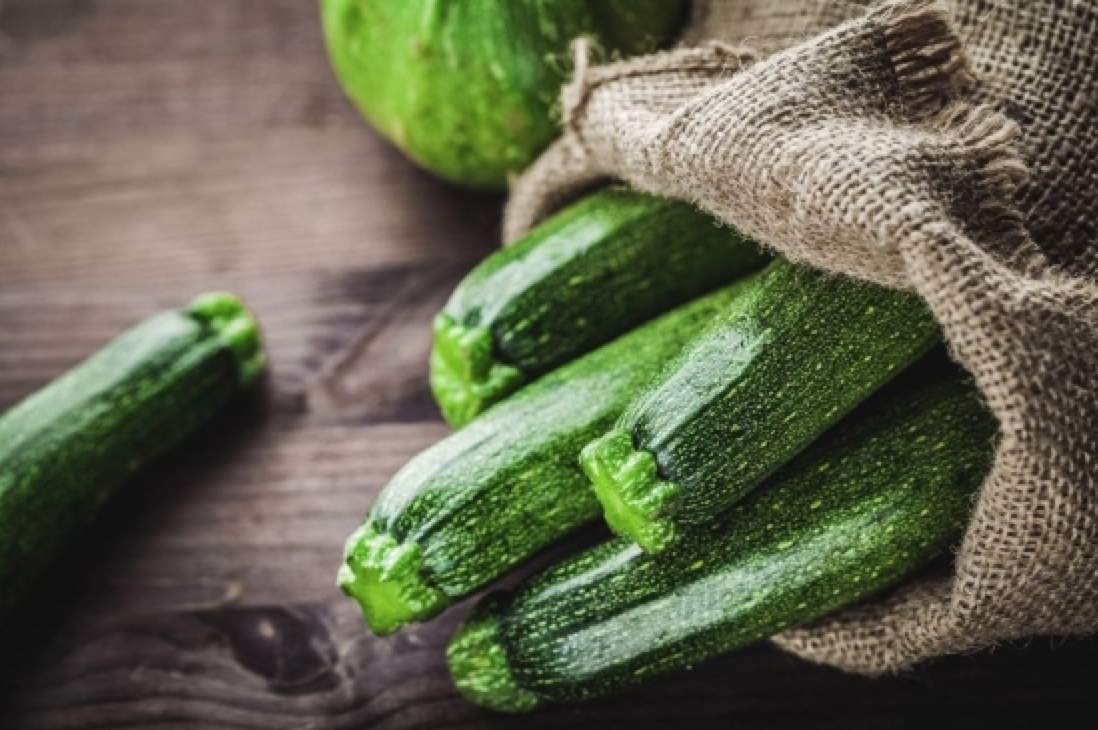
14. Zucchini,  water content: 95%

Although green squash such as zucchini may not sound like the perfect summer snack, it is loaded with lutein and zeaxanthin (which promote healthy vision), manganese (which protects tissue from damage caused by free radicals), and massive amounts of vitamin C. Zucchini also has a very high water content, and is the perfect addition to your summer diet.

15. Celery,  water content: 95%

Celery is a perfect food for satisfying cravings and promoting weight loss, all thanks to its high water and fiber content, and its absurdly low calorie count. At the same time, celery contains vitamins A, C, and K, making it nutritious as well as filling and thirst quenching.

16. Pineapple,  water content: 87%

One of the most popular tropical fruits, pineapples are extremely rich in vitamin C. In fact, 1 cup of fresh pineapple contains over 100% of the recommended daily value of vitamin C. Pineapple is also high in manganese, making it a healthy and energy-rich fruit that will also keep you hydrated.

17. Peaches,  water content: 88%

Another fruit which is great by itself or as a part of a larger meal, peaches are also known to calm upset stomachs and even relieve anxiety (they’re known as the “Fruit of Calmness” in Hungary). Their juicy flesh contains significant amounts of water, and makes a great snack.

18. Cranberries,  water content: 87%

The health benefits of cranberries are widely recognized, which is one of the reasons that cranberry juice is so often mixed with other juices. Cranberries contain vitamin C, fiber, and more antioxidants than almost any other fruit or vegetable. Their high water content makes them a must for those who want to eat healthy and keep hydrated.

19. Blueberries,  water content: 85%

These small, dark berries are often added to other dishes, and are known to help lower cholesterol, and also decrease the risk of diabetes and heart disease. Much like cranberries, they contain incredibly high amounts of antioxidants. And, also like cranberries, blueberries contain a high percentage of water.

20. Cucumberwater content: 96%

If cucumbers contained any more water, they’d probably be a soup. Suffice it to say that cucumbers contain more water than almost any other solid food. And, thanks to their high levels of vitamins, their ability to help flush toxins from the human body, and their usefulness in controlling blood pressure, cucumbers are actually one of the most nutritious foods available.

So, don’t let the summer heat dry you up; grab a few of your favorite hydrating ingredients and make a summer smoothie that will not only quench your thirst, but also nourish your body in the process. Now get out there and enjoy that sun!

[via The Blend]