Showing posts sorted by relevance for query manganese. Sort by date Show all posts

Tuesday, September 3, 2013

25 Healthiest, Nutrient-Dense Foods


In an ideal world, we wouldn’t go first to a pharmacist to address maladies ranging from the common cold to cancer; instead, we’d create grocery shopping lists aimed at fostering optimal health. Good nutrition may not cure disease, but a growing body of research shows it could do something even more powerful: help prevent disease. “By choosing foods wisely, we can control our health destiny,” says Joel Fuhrman, MD, author of Eat for Health (Gift of Health, 2008). “But we can’t make small, moderate changes to the average diet and expect prevention; we need to make aggressive, radical changes.”

Fuhrman developed a comprehensive nutrient-per-calorie ranking system, which he calls the Aggregate Nutrient Density Index (ANDI). The charts on the following pages list the top ANDI-ranked foods by category. Use them as guides to make the healthiest eating choices for you and your family.

~ Top 6 Vegetables ~

Vegetables are low in calories and loaded with fiber and micronutrients—vitamins, minerals, and phytochemicals— so eat them in unlimited quantities (exceptions: starches such as potatoes, yams, and corn).

Smart tip: Start lunch and dinner with a serving of raw vegetables, such as a large salad or crudités, to increase nutrient intake and help control appetite.

1. Dark Leafy Greens

Nutrients: Vitamins A, C, and K, folate, manganese, magnesium, calcium, fiber
Health Boosts: May promote eye health (thanks to carotenoids, a group of pigments found mainly in green leafy vegetables, carrots, and tomatoes), fight cancer, and reduce diabetes risk (vitamin K improves insulin sensitivity and blood glucose control).
Recipes:
Garlicky Mustard Greens with Garbanzos
Dandelion and Watercress Salad with Ginger Dressing
Kale with Sesame Seed Dressing

2. Bok Choy

Nutrients: Vitamin C, folate, calcium, fiber
Health Boosts: May help promote bone health and support immunity.
Recipes:
Braised Baby Bok Choy with Ginger and Garlic
Bok Choy Stir-Fry with Shrimp
Baby Bok Choy

3. Brussels Sprouts

Nutrients: Vitamins A, C, and K, folate, manganese, fiber, potassium, vitamin B6
Health Boosts: Linked to reduced cancer risk, especially breast and colon cancers.
Recipes:
Mustard-Glazed Brussels Sprouts with Hazelnuts
Brussels Sprouts in Sage Butter
Stir-Fried Brussels Sprouts with Shallots

4. Radishes

Nutrients: Vitamin C, fiber, folate
Health Boosts: Help with weight control; may boost the immune system.
Recipes:
Radish, Fennel & Dandelion Salad
Black-Eyed Pea, Corn, and Radish Salad

5. Bean Sprouts

Nutrients: Vitamins C and K, folate, protein, potassium
Health Boosts: May boost satiety and assist in weight management.
Recipes:
Seaweed Salad with Bean Sprouts and Tofu
Chilled Tofu with Bean Sprouts

6. Red Bell Peppers

Nutrients: Vitamin C (three times as much as green bell peppers), vitamins A, B6, and K, fiber, manganese, folate
Health Boosts: May promote heart health. Vitamin C supports immunity; carotenoids may decrease risk of certain types of cancer, including lung cancer.
Recipes:
Grilled Red Peppers and Tomato


~ Top 5 Fruits ~

Eat at least four fresh fruits daily for the maximum variety of phytochemicals. Frozen fruit is a fine substitute, but avoid canned, which often contains added sweeteners. For weight loss and diabetes or prediabetes management, eat just two fruits daily, focusing on lower-sugar options such as berries, green or Granny Smith apples, melons, grapefruit, oranges, kiwifruit, and papaya.

1. Strawberries

Nutrients: Vitamin C, potassium, fiber, folate, flavonoids
Health Boost: May have anti-inflammatory, anticancer effects and promote brain health; may lower cholesterol and improve the effectiveness of cholesterol-lowering diets.
Recipes:
Fresh Strawberries with Balsamic Vinegar
Strawberry Sunrise Shake

2. Pomegranate Juice

Nutrients: Antioxidants, flavonoids, potassium, fiber, calcium
Health Boost: Studies indicate that pomegranate juice has antiatherogenic (protects against plaque in the arteries), antioxidant, antihypertensive, and anti-inflammatory effects that help fight heart disease, certain types of cancer, and brain degeneration.
Recipes:
Squash Tart with Fresh Pomegranate Juice

3. Tomatoes

Nutrients: Vitamins A, B, and C, potassium, iron, folic acid, phosphorus, carotenoids, fiber
Health Boost: Lycopene, a potent antioxidant in tomatoes, may prevent certain cancers, protect skin from UV rays, and promote overall prostate health.
Recipes:
Indian-Seasoned Tofu with Tomatoes
Quinoa and Salmon Stew with Tomatoes

4. Plums

Nutrients: Fiber, vitamins A and C
Health Boost: Plums help support immunity and may help slow development of artherosclerosis. Polyphenols from dried plums may promote bone strength and density by regulating growth factors linked to bone formation.
Recipes:
Curried Chicken with Dried Plums
One-Pan Baked Chicken with Peaches and Plums
Lettuce Wraps with Chicken in Plum Sauce

5. Raspberries

Nutrients: Manganese, vitamin C, fiber
Health Boost: Anthocyanins—red plant pigments—may protect eyes and improve heart health by preventing artery hardening and reducing blood pressure; ellagic acid, a phytochemical, helps kill certain types of cancer cells.
Recipes:
Raspberry Soup
Apple, Raspberry, and Frisée Salad
Melon and Berry Salad


~ Top 4 Beans and Legumes ~

Eat at least 1⁄2 cup of beans daily. Try adding them to soups, stews, and salads. Dried beans are the most economical; if you’re buying canned, look for unsalted and BPA-free varieties. To avoid gas or bloating, soak dried beans for 8 to 12 hours and slow cook with a piece of sea vegetable, such as wakame.

1. Lentils

Nutrients: Protein, fiber, folate, iron, manganese, magnesium
Health Boost: Folate may improve colon, breast, and brain health and lower blood pressure.
Recipes:
Green Lentils and Seasoned Walnuts
Curried Lentils
Grilled Salmon with Lentils and Curried Mint Yogurt

2. Black Beans

Nutrients: Iron, fiber, protein, folate, manganese, magnesium
Health Boost: Some of the best sources of antioxidants, as indicated by their dark color; may protect against colorectal cancer and slow tumor growth.
Recipes:
Cuban Black Bean & Rice Soup
Tex-Mex Bean Salad
Black Beans Cakes with Orange Basil Salsa

3. Adzuki Beans

Nutrients: Protein, fiber, iron, magnesium, potassium, zinc, folate
Health Boost: Promote heart health; help manage weight.
Recipes:
Oriental Bean Cakes

4. Red Kidney Beans

Nutrients: Folate, fiber, manganese, protein, iron, tryptophan, phosphorus
Health Boost: Promote heart health; may help prevent diabetes.
Recipes:
Kidney Bean & Butternut Squash Soup
Baked Winter Squash with Heirloom Beans and Hominy


~ Top 5 Grains ~

Not all whole-grain products are good foods, says Fuhrman. Breakfast cereals and some breads, for example, lose much of their fiber and micronutrients during processing. Choose coarsely ground grains, which the bloodstream absorbs more slowly, and always look for “whole” on the package (or the Whole Grains Council’s 100 Percent Whole Grain stamp). Whole grains should appear among the first items in the ingredient list. 

1. Oats

Nutrients: Fiber, protein, calcium, iron
Health Boost: Beta-glucan, a soluble fiber, can slow the release of sugar into the bloodstream to help fight diabetes. Oats also lower cholesterol and may reduce risk of heart disease and cancer.
Recipes:
Quick Apple-Cranberry Oatmeal
Mixed Whole-Grain Breakfast

2. Brown Rice

Nutrients: Fiber, manganese, selenium, magnesium, phosphorus
Health Boost: May improve blood glucose control; helps control weight and manage cholesterol, and may decrease asthma risk.
Recipes:
Puffed Brown Rice Tabbouleh with Red Cabbage

3. Sprouted Grain Bread

Nutrients: Fiber, protein, vitamin B1
Health Boost: When grain seedlings sprout, enzymes convert some of the fats and carbohydrates into vitamins, minerals, and amino acids; sprouted-seed breads are more filling and have less of a spiking impact on blood sugar than other breads.
Recipes:
Sprouted Spelt and Seed Bread

4. Barley

Nutrients: Fiber, folic acid, iron, calcium, magnesium, phosphorus, potassium, vitamin E
Health Boost: Look for hulled barley, which contains more nutrients than pearl barley. The FDA recently confirmed the qualified health claim linking whole-grain barley to a reduced risk of coronary heart disease; soluble fiber lowers cholesterol and stabilizes blood glucose levels.
Recipes:
Barley and Spinach-Stuffed Bell Peppers
Lima Bean, Mushroom and Barley Soup

5. Quinoa

Nutrients: Protein, calcium, lysine, iron, magnesium, vitamin E, potassium, phosphorus, fiber
Health Boost: Bolsters heart health; may protect against certain types of cancer, including breast cancer.
Recipes:
Quinoa and Wild Rice
Quinoa & Pecan Salad with Dried Cranberries
Quinoa with Mixed Vegetables


~ Top 5 Nuts and Seeds ~

Despite being high in calories, nuts and seeds are rich in essential fatty acids, which promote brain and heart health. Most women should limit intake to 1 ounce per day and men to 2 ounces (about a handful), especially when trying to lose weight. Increase servings if you need to fuel athletic efforts.

1. Brazil Nuts

Nutrients: Selenium, calcium, magnesium, omega-3 fatty acids, protein, vitamin A, iron
Health Boost: One of the richest sources of selenium, Brazil nuts may bolster immunity, reduce the risk of cancer, and promote liver health.
Recipes:
Fresh Vegetable Rolls with Mango and Tamarind Sauce

2. Sunflower Seeds

Nutrients: Vitamins B1, B5, and E, manganese, magnesium, selenium, phosphorus, folate
Health Boost: May help prevent cardiovascular disease and alleviate arthritis symptoms.
Recipes:
Soy Nut Trail Mix

3. Flaxseeds

Nutrients: Lignans (phytoestrogens), fiber, omega-3s, alpha-linolenic acid (ALA)
Health Boost: May prevent colon, breast, skin, and lung cancers; can help treat rheumatoid arthritis and other inflammatory diseases; may decrease cholesterol levels, arterial plaque formation, and diabetes risk.
Recipes:
Fresh Ricotta with Arugula and Flaxseed Pizza
Buckwheat-Flaxseed Blueberry Pancakes

4. Sesame Seeds

Nutrients: Protein, calcium, vitamin B3, iron, zinc
Health Boost: May decrease breast cancer risk.
Recipes:
Carrot Salad with Sesame Seeds

5. Pumpkin Seeds

Nutrients: Protein, iron, zinc, omega-3s, manganese, magnesium, phosphorus
Health Boost: Help reduce cholesterol; may promote prostate health.
Recipes:
Luscious Beet Salad with Toasted Pumpkin Seeds
Butternut Squash Soup with Roasted Pumpkin Seeds

Tuesday, January 20, 2015

6 Health Benefits of Blueberries


Consuming fruits and vegetables provide copious health benefits. Produce consumption has been shown to lower the risk of developing various chronic conditions and is protective against certain types of cancer. Experts recommend consuming a rainbow of colored produce to provide the various vitamins and minerals that are essential to maintain optimal health. Do your body and taste buds a favor and choose to add blueberries into your diet. Blueberries are packed with nutrients which provide many health benefits.

6 Main Health Benefits of Blueberries


(1) Vitamin C

Get 25% of your daily vitamin C requirements in 1 cup of blueberries. Vitamin C is essential for tissue growth and repair, keeping gums and teeth healthy, and aids in iron absorption. Vitamin C is also an antioxidant which can neutralize free radicals. Free radicals are responsible for the aging process on the body and may play a negative role in cancer, heart health, and inflammatory diseases such as arthritis.

(2) Manganese

One cup of blueberries contains 25% of your daily manganese requirements. Manganese is essential for tendon and skeletal development and may play a role in blood pressure, fertility, reproduction and energy production.

(3) Vitamin K

Obtain about one third of your daily vitamin K requirements by consuming 1 cup of blueberries. Vitamin K is essential in blood clotting. Blood clotting is important to prevent excessive bleeding with an open cut. Studies also suggest that vitamin K may also be involved in calcium metabolism and in maintaining bone health.

(4) Anthocyanins

Anthocyanins are compounds that provide blueberries with that rich blue/purple color. Studies suggest that, due to its antioxidant properties, anthocyanins may play a role in decreasing the risk of cancer, cognitive decline and heart disease. The disease-fighting powers of Anthocyanins is one of the many reasons experts, such as the Academy of Nutrition and Dietetics, recommend consuming a rainbow of different colored fruits and vegetables.

(5) Fiber

1 cup of blueberries contains 4 grams of fiber. Fiber is essential for bowel health because it promotes bowel regularity and reduces constipation. Fiber not only regulates blood sugar and helps with satiety, but it can also reduce blood cholesterol. Reducing blood cholesterol can help lower the risk of developing heart disease, diabetes, and diverticulosis.

(6) Low in Calories, Fat, and Cholesterol

One cup of blueberries provides only 85 calories and essentially no fat and cholesterol! Blueberries make a great snack (and treat!) for individuals trying to lose weight due to the low calorie content. Blueberries make a good heart healthy snack because they are low in fat and cholesterol. Consuming excess cholesterol can cause plaque to build up in the arteries which could lead to a heart attack or stroke.

For being low in calories, fat, and cholesterol, blueberries are packed with nutrients and antioxidants-making it a great snack to add to your diet. Not only is it a great food for weight-conscious individuals, but blueberries are also great for those whom want to eat a heart and bone healthy, bowel friendly, and antioxidant rich snack.

[via WatchFit]

Thursday, August 7, 2014

Vegan Pantry: 10 Essential Foods That Make Your Plant-Based Diet Nutritious And Healthy

Whether you are new to a plant-based vegan diet, have been plant-strong for a while, or just stumbled upon my blog out of curiosity, you’ve probably wondered how to stock your pantry and fridge with foods that are the most beneficial for your health. So what are the essentials that can be found in pantries of almost all vegans? And is it true that you’ll have to start cooking at home, even if you’ve never been a fan of it?

Yes, it’s a well-established fact: if you want ‘thy food to be thy medicine’, as Hippocrates proposed, you’ll have to cook the majority of your meals at home from whole, fresh ingredients, takeout be damned. If your average at-home cooking adventure used to include microwaving a store-bought frozen pizza, and now you’ve decided to become a vegan out of health concerns, you’ve probably noticed that there are very few options of premade plant-strong vegan dinners in grocery stores, and restaurants you used to love don’t seem to be very accommodating. As always, I can’t leave you hanging without any good news: if you find a few easy vegan recipes and try making them at home, you might find that cooking is actually a lot of fun! I’ve heard multiple stories about people who used to hardly ever cook at home, and when they switched to a vegan diet, they found cooking so awesome that they ended up creating wonderful vegan food blogs and even publishing cookbooks!

Okay, not all of us are superhuman to do all that, but we all can make an attempt to be a little healthier, right? Today I’m going to help you out a little with a list of great vegan pantry essentials. If you stock your pantry and fridge right, cooking any newly found recipe will become easier as you won’t have to run to a store to buy whatever the recipe calls for.

By the way, if you still think that cooking healthy vegan meals is too much hassle, check out this post with 10 super-easy plant-based meals that can be put together in no time.

What’s In The Vegan Pantry?

Let me clarify right away: my definition of ‘vegan’ includes consuming the healthiest plant-based foods with little to no junk of non-animal nature. The closer to their natural state the ingredients are, the better they are for us. Cooking food at home from scratch always allows you to control what you are putting in it, thus giving you a chance to make it as healthy as possible. Many people agree that it is easy to be an unhealthy vegan if you live on potato chips, soda, Oreo cookies (did you know that they are technically vegan?), and other processed store-bought foods. We have a different goal here: to make our vegan diet the healthiest it can be!

So here’s a list of pantry essentials that can do a lot of good for our health. Most of them can be found in your local health food stores, grocery stores, and online.

1.Ground Flax Seed. 

Benefits. This plant-strong pantry essential is a great addition to any diet: flax seed is full of omega-3 fatty acids, fiber and antioxidants. A tablespoon of ground flax has 1.8 grams of plant omega-3s. Flax has a very high amount of lignans that have plant antioxidant and estrogen qualities – between 75 and 800 times more than any other plant food! To reap all of the benefits of flax seed, you need to grind it up in a coffee/spice grinder (our bodies don’t break down whole seeds efficiently), or buy preground flaxseed meal, like this organic ground flaxseed by Bob’s Red Mill.

This image shows (clockwise from top) chia seeds, ground flaxseed, and whole flax seeds.

To Use It: add ground flax to dough and batters when baking; sprinkle over breakfast cereal or add to smoothies; make ‘flax egg’ – an all-natural vegan egg substitute in pancake/waffle/baking recipes – by combining equal amounts of ground flax and water (recipes usually have guidelines for that).

2. Chia Seeds. 

This rather interesting ingredient is not just for hippies anymore! Benefits: chia seeds contain high amounts of omega-3 fatty acids, fiber, antioxidants and minerals (phosphorus, calcium, magnesium, manganese). British scientists have published a study in which consumption of chia has shown a reduction in the amounts of blood triglycerides and cholesterol levels while increasing the amounts of HDL (‘good’) cholesterol. When mixed with water, chia seeds turn into a gel-like substance. Some studies suggest that this chia jelly absorbs toxins from our intestines when going through our digestive tract, thus removing them from our system. Chia seeds are becoming a common staple in grocery stores these days, plus you can always find a good selection of chia online, including some certified organic varieties like these chia seeds from Navitas Naturals.

To Use It
: chia seeds can be added to cereals, sprinkled on wraps, sandwiches, soups, salads etc. Chia is great for baking: just like ground flax seed, it can be used as an egg substitute when mixed with water. Unlike flax, chia doesn’t need to be ground up to release its nutrients inside our bodies.

3. Nutritional Yeast. 

Benefits: contains 18 essential amino acids, thus being a complete protein; has 15 minerals such as chromium, manganese, copper, vanadium, molybdenum and lithium; is rich in B vitamins, with some brands being enriched with vitamin B12 (the only vitamin that vegans might get deficient in on an otherwise balanced plant-strong diet); maintains good intestinal environment; improves liver health and function; aids in balancing cholesterol levels; promotes healthy skin. How did we ever live without this stuff?

When choosing nutritional yeast, it’s best to opt for a brand that fortifies it with vitamin B12 (some people may become deficient in B12 after following a vegan diet for a while). Both Bob’s Red Mill  and Red Star fortify their nutritional yeast with B12.

To Use It: thanks to its natural cheesy flavor, nutritional yeast is a great ingredient in vegan cheesy sauces (vegan mac’n’cheese recipes are a good example). It can be also sprinkled over just about any entrée or soup for an extra kick of flavor. Some open-minded people even mix it with blackstrap molasses and eat it by the spoonful!

4. Beans and Lentils. 

Benefits: great sources of plant protein, fiber, complex carbohydrates (the ones that don’t cause your blood sugar to spike), essential fatty acids, potassium, iron, calcium, and folic acid. Beans and lentils promote digestive health: they are a great food for the good bacteria that live in our intestines. They also prevent polyps from forming in our intestinal tract, thus reducing a possibility of developing colon and rectal cancer. Lastly, beans and lentils are very cheap and filling!

This picture shows (clockwise from top) speckled butter beans, green (brown) lentils, blackeye peas, and green split peas.

To Use Them: beans of all forms and shapes have been used in many world cuisines for thousands of years! A lot of delicious recipes from Mexican, Indian, African and Middle Eastern cuisines include beans and lentils. You can use both dried and canned beans from the store, or purchase certified non-GMO beans in bulk online, like these garbanzo beans from Palouse Brand. If using dried beans, soak them for at least 4 hours or overnight in water, then drain them, and boil until soft, 30-60 min depending on the variety, adding salt (or not) at the end. If buying canned beans, look for the low-sodium varieties; drain and rinse them in cold water and use according to a recipe you’re using them for. Also, check out this post about cooking dried beans.

5. Canned Tomatoes. 

Tomatoes are considered one of the healthiest fruits and vegetables known to us! You’ve probably heard that they are technically a fruit, not a vegetable. Using (BPA-free) canned tomatoes is easier when they are not in season. Benefits: tomatoes are a great source of lycopene – a powerful antioxidant that does wonders to our health, from fighting free radicals to promoting strong bones. Tomatoes also have a number of vitamins (C, A, and K) and minerals (potassium, folate, magnesium, copper). Their consumption has shown a decrease in cholesterol and triglyceride levels in our bodies.

To Use Them: A lot of dishes from all over the world call for tomatoes. My pantry is always stocked with diced tomatoes, tomato paste and sauce (San Marzano tomatoes are my favorite); it’s also good to have crushed and fire-roasted canned tomatoes on hand. Aim for no-salt-added varieties at the store. Of course, when tomatoes are in season, it always makes sense to use them instead of their canned versions! By the way, the levels of lycopene in cooked tomatoes are higher than in fresh ones.

6. Grains. 

Benefits: a great source of carbohydrates to provide us with lots of energy, a number of B vitamins (thiamin, riboflavin, niacin, folate), and fiber. Historically, many great civilizations used some types of grains as their staple foods: barley in Middle East, corn in Central and South America, millet and sorghum in Africa, and rice in Asia. Consuming whole, minimally processed and even sprouted grains is more beneficial to our health than eating their processed versions because more nutrients and fiber are available in whole grains. However, billions of people in Asia have been consuming mostly white rice for centuries, and have had no problems with obesity or diabetes until recently, when Western-type food became more available to them. The conclusion: aim to consume whole grains, but don’t shun white rice completely.

Pictured here (clockwise from top): millet, brown rice, kamut, barley.

To Use Them: to reap the most health benefits of grains and to fuel your body (especially if you are athletic), aim to add a variety of whole grains, such as barley, oats, brown rice, whole wheat, kamut, etc. to your diet. Bob’s Red Mill sells a large variety of grains both in stores and online. If you are gluten-intolerant, choose gluten-free grains such as rice, corn, sorghum, and millet. Experiment with sprouting: it’s very easy, but can increase the amount of available nutrients in sprouts up to 10 times compared to the same non-sprouted grains. Sprouting technically converts grains into vegetables.

7. Whole Grain Pastas. 

These pastas have similar benefits as the whole grains described above, especially when made with minimal processing techniques. A variety of pastas can add some oomph to your diet and lets you explore different world cuisines, from Italian to Thai and Japanese.

This picture (clockwise from top) multigrain penne and whole wheat linguine pasta from Italian cuisine, and rice vermicelli and Japanese buckwheat soba noodles from Asian cuisines.

To Use Them: shop for whole wheat, quinoa, amaranth, rice, and soba (buckwheat) pastas and noodles. Try sprouted pasta, like this Ezekiel 4:9 Organic Sprouted Penne pasta. Experiment with sauces and add vegetables and beans or tofu to create delicious vegan meals inspired by various cuisines of the world!

8. Nuts and Seeds. 


Benefits: contain good amounts of healthy mono- and polyunsaturated fats, plant protein, and fiber. Nuts and seeds also nourish us with a number of minerals, such as magnesium, calcium, zinc, and phosphorus. Raw pumpkin seeds are high in iron. Due to a relatively high amount of fats found in nuts, they should be consumed in moderation (a small handful, or about 1 oz a day). Aim to include a variety of nuts and seeds in your diet to provide your body with different nutrients, and pick raw/minimally processed ones with no added salt.

Pictured here (clockwise from right): raw pumpkin seeds a.k.a. pepitas, raw walnuts, roasted cashews.

To Use Them: chop them up and add to your morning cereal; add a handful to batters and dough when baking; enjoy as a snack – but watch the serving size! Experiment with making your own nut butters: homemade nut butters tend to be much healthier than store-bought ones because you know exactly what ingredients you used. Raw, unprocessed nuts and seeds can be sprouted just like grains – this technically turns them into vegetables!

9. Sea Vegetables. 

Before I hear ‘Whaaat?!’, let me introduce you to a somewhat new for us Westerners, but a very common in Asia group of these vegetables : kombu, wakame, nori, hijiki, arame, and kelp. You might be a little more familiar with them if you like sushi. Benefits: sea vegetables have one of the broadest varieties of minerals available among any foods. They are an excellent source of iodine and vitamin K, a good source of magnesium, calcium, riboflavin and folate. Sea vegetables contain the type of iron that is more bioavailable to us than the types found in other vegetables. They contain a different source of antioxidants than other vegetables, and are rich in phytonutrients.

To Use Them: the above named sea vegetables are widely used in Asian (especially Japanese) cuisines. At home, we can use nori sheets to make sushi rolls, or sprinkle powdered kelp on entrees for a boost of nutrients. Kombu strips are great for cooking beans: a 1-2 inch strip added to a pot of beans (or a soup) reduces their cooking time, enhances flavors, thickens the broth, and even makes beans more digestible to prevent gas!

10. A Variety of Spices. 

Using spices in cooking is a great low-calorie way to add lots of flavor to any dish! Spices allow you to explore cuisines from all over the world without leaving your house! A lot of spices have numerous health benefits, especially when it comes to delivering antioxidants! Cinnamon, for example, is known for its ability to prevent blood sugar spikes if you consume it with sugar and carbohydrate-rich food. Capsaicin in hot chilies and cayenne pepper promotes heart health, pain relief, and may aid in cancer prevention. Indian cuisine is hard to imagine without turmeric: it helps with digestion of fiber-rich foods (especially with beans in them), and also aids in reducing inflammation, especially in arthritis patients.

To Use Them: it’s hard for me to imagine my pantry without cumin, cinnamon, turmeric, chili powder, paprika, thyme and oregano! I also have a few pots of fresh herbs on my balcony (currently I’ve got basil, sage, rosemary, and dill). Italian and Indian dishes are especially big on using certain spices. My advice: get a good variety of spices in a bulk section of your local health food store, and include both ground and whole-seed versions (the latter is for cumin, celery, and fennel seeds). Avoid pre-mixed spice bottles that contain salt and other additives, and always stay away from mixes that contain monosodium glutamate (MSG)!

To make a conclusion, I’d like to emphasize that it’s very important to use lots of fresh or minimally processed fruits and vegetables in addition to all the foods listed above. My other refrigerated vegan staples include non-dairy milk, tofu, and tempeh; my pantry also has dried fruit, brown sugar, blackstrap molasses, maple syrup, and agave nectar. As you find more and more vegan recipes, you’ll discover even more healthy and delicious ingredients to add to this list!

Thursday, July 10, 2014

20 Foods to Help You Stay Hydrated this Summer

For most of us, summertime is synonymous with long days, warm evenings, visits to the pool, and, above all, sunshine. But when that glorious yellow orb is warming and lighting the world, it can be easy to forget to stay hydrated. This is problematic, because poor hydration can lead to a host of short and long-term health problems, including constipation, nose bleeds, headaches, coughing, fatigue, acne, and unwanted weight gain. But staying hydrated when it’s hot outside doesn’t have to be a difficult chore; by including certain foods in your diet, you can help your body stay happy and hydrated while you beat the heat.

Here are 20 foods to stay hydrated with, so keep them on your menu when the days start to grow long and hot.

1. Watermelonwater content: 92%

Watermelon is a cherished summer treat, and for good reason—it’s tasty, fun to eat, and undeniably refreshing. Of course, it’s no secret that watermelon is loaded with water; after all, it’s even in the name. However, it also contains lycopene, which is an antioxidant believed to help fight cancer.

2. Strawberries,  water content: 92%

Another summer favorite, strawberries are as water-rich as watermelons, but thanks to their small size, they are a bit easier to eat while on the go. They may also promote bone health, boost short-term memory, and even help burn stored fat.

3. Apricotswater content: 86%

Generally only available fresh through the beginning of summer (due to the fact that they bloom early, have little tolerance to extreme heat, and are difficult to ship), fresh apricots are nonetheless widely popular. In addition to having a high water content, they are also rich in antioxidants, fiber, and beta carotene.

4. Iceberg Lettucewater content: 96%

Although you’re probably less-likely to grab a handful of lettuce to take along on your summer walk or July beach-trip, one of the things that makes lettuce such a wonderful food is that it’s easy to incorporate into other meals. A healthy salad or fresh sandwich can be a great way to get the hydrating benefits of lettuce—as well as the other nutritional advantages—while still enjoying a delicious meal.

5. Spinach,  water content: 92%

Spinach doesn’t have quite as much water in it as iceberg lettuce, but it is a bit more nutritious overall. However, the calcium and iron in raw spinach are often unprocessable by the human body, because of a compound called oxalic acid that is also present in spinach. This problem can be solved by simply cooking the spinach, blending it in a smoothie, or by pairing it with foods rich in vitamin C.

6. Grapefruit,  water content: 91%

Tart and tangy, grapefruits are loaded with mouth-watering citrus juice. They’re also suspected to help burn unwanted fat, while reducing cravings and boosting the immune system. For added nutrients and hydration, consider peeling the grapefruit and eating it like an orange, rather than cutting it.

7. Sweet Peppers,  water content: 92%

Sweet peppers are large, mild peppers which have a subtle sweet flavor and are generally very crisp. They come in a variety of colors, but all of them have a high water content. They are often used in salads and main dishes, but when sliced into smaller sections, they can make a great mid-day treat that’s high in vitamins C, E, B6, and helpful enzymes, and low in calories.

8. Tomatoeswater content: 94%

We’ve come a long way in the last 200 hundred or so years, when the prevailing British and American belief was that tomatoes were poisonous (despite the fact that they were eaten regularly in Spain and Italy). These days, tomatoes are found in dishes around the world, and are considered by many to be world’s most popular (and possibly most nutritious) fruit.

9. Radishes,  water content: 95%

Often overlooked as a standalone vegetable, radishes are nevertheless a slightly spicy treat that can also help keep you hydrated and healthy. This is because radishes contain vitamin C, zinc, and phosphorus, which all play a part in keeping you feeling your best during the hot months.

10. Cauliflower,  water content: 92%

Although you may not realize it, cauliflower actually has as high of a percentage of water as strawberries—this helps contribute to the crispiness for which cauliflower is known. It also contains sulforaphane (which is believed to kill cancer stem cells), is loaded with vitamins, and helps to regulate digestion.

11. Broccoli,  water content: 91%

Similar to cauliflower in many respects, broccoli is likewise full of vitamins and sulforaphane, and contains a high amount of water. It is best for the body when eaten raw.

12. Carrots,  water content: 87%

Carrots are best known for their bright orange color and their sometimes-debated ability to improve vision. What they’re not as well known for is their water content. However, carrots are easy to pack along for snacks, and can help keep the body hydrated.

13. Cantaloupe,  water content: 90%

Cantaloupe is another great summer treat that will keep you hydrated. As summer-season fruits, they are available fresh all the way through to the end of August. They are nutritious and low in calories, and have a unique musky flavor. Consider giving it a sour-tasting flavor boost by eating it with a dash of lime or lemon juice.

14. Zucchini,  water content: 95%

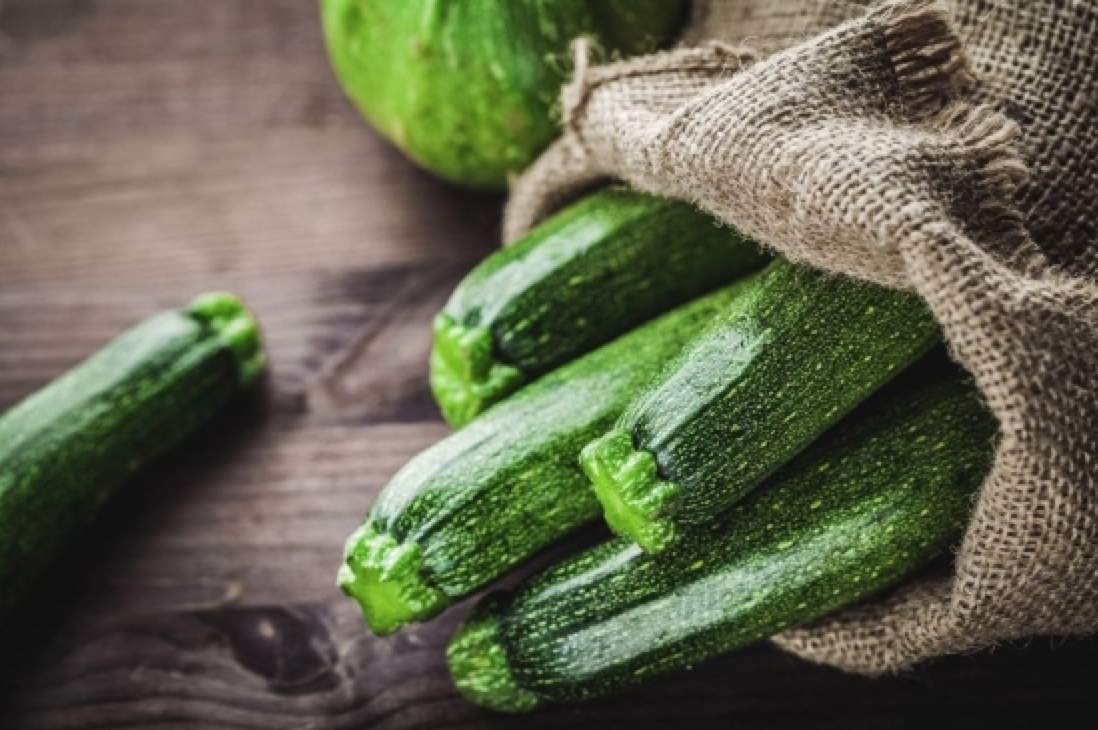
Although green squash such as zucchini may not sound like the perfect summer snack, it is loaded with lutein and zeaxanthin (which promote healthy vision), manganese (which protects tissue from damage caused by free radicals), and massive amounts of vitamin C. Zucchini also has a very high water content, and is the perfect addition to your summer diet.

15. Celery,  water content: 95%

Celery is a perfect food for satisfying cravings and promoting weight loss, all thanks to its high water and fiber content, and its absurdly low calorie count. At the same time, celery contains vitamins A, C, and K, making it nutritious as well as filling and thirst quenching.

16. Pineapple,  water content: 87%

One of the most popular tropical fruits, pineapples are extremely rich in vitamin C. In fact, 1 cup of fresh pineapple contains over 100% of the recommended daily value of vitamin C. Pineapple is also high in manganese, making it a healthy and energy-rich fruit that will also keep you hydrated.

17. Peaches,  water content: 88%

Another fruit which is great by itself or as a part of a larger meal, peaches are also known to calm upset stomachs and even relieve anxiety (they’re known as the “Fruit of Calmness” in Hungary). Their juicy flesh contains significant amounts of water, and makes a great snack.

18. Cranberries,  water content: 87%

The health benefits of cranberries are widely recognized, which is one of the reasons that cranberry juice is so often mixed with other juices. Cranberries contain vitamin C, fiber, and more antioxidants than almost any other fruit or vegetable. Their high water content makes them a must for those who want to eat healthy and keep hydrated.

19. Blueberries,  water content: 85%

These small, dark berries are often added to other dishes, and are known to help lower cholesterol, and also decrease the risk of diabetes and heart disease. Much like cranberries, they contain incredibly high amounts of antioxidants. And, also like cranberries, blueberries contain a high percentage of water.

20. Cucumberwater content: 96%

If cucumbers contained any more water, they’d probably be a soup. Suffice it to say that cucumbers contain more water than almost any other solid food. And, thanks to their high levels of vitamins, their ability to help flush toxins from the human body, and their usefulness in controlling blood pressure, cucumbers are actually one of the most nutritious foods available.

So, don’t let the summer heat dry you up; grab a few of your favorite hydrating ingredients and make a summer smoothie that will not only quench your thirst, but also nourish your body in the process. Now get out there and enjoy that sun!

[via The Blend]