Monday, November 17, 2014

22 Delicious Meatless Main Dishes To Make For Thanksgiving


1. Stuffed Butternut Squash

http://www.picklesnhoney.com/2014/11/10/stuffed-butternut-squash-eat-clean-live-well/

With a simple and nourishing ingredient list, this dish manages to be packed with flavor (one of the many benefits of eating in-season). It also happens to be a very pretty dish that would make a deliciously satisfying addition to your Thanksgiving table. Recipe here.

2. Mediterranean Baked Sweet Potatoes

http://minimalistbaker.com/mediterranean-baked-sweet-potatoes/?crlt.pid=camp.nVHYRwMaW0Hn

The concept is simple:

Baked sweet potatoes – cut in half to shorten cooking time
Seasoned, roasted chickpeas
Garlic-herb sauce
Parsley-tomato salad for garnish

The result is a 30-minute lunch or dinner that’s both satisfying, savory and sweet, and seriously healthy. Grab the recipe here and if you already have sweet potatoes on the menu? Make something similar with eggplant.

3. Grilled Chipotle Lime Cauliflower Steaks

http://www.thekitchn.com/recipe-chipotle-lime-grilled-cauliflower-steaks-recipes-from-the-kitchn-204490

These cauliflower "steaks" demonstrate that more than almost anything else we've grilled; their tongue-in-cheek name is a good indicator of how satisfying a centerpiece they make on any table. They're smoky and spicy, with a squirt of lime and flurry of cilantro. Get the spicy recipe here.

4. Potato and Green Garlic Crustless Quiche with Goat Cheese, Gruyère, and Chives

http://www.bojongourmet.com/2014/03/potato-and-green-garlic-crustless.html

The quiche recipe is quite simple: cook up some vegetables, whip up a batter of eggs, milk, and flour, combine the two and add some cheese, bake, and voilà. Brunch. (Or lunch. Or dinner. Or all of the above.) Try the recipe yourself here.

5. Roasted Vegetable Galette

http://www.cookyourdream.com/2011/03/roasted-vegetable-galette.html

This savory galette is a wonderful lunch or snack for those who still wait for warm days. It's full of flavors and vitamins that we so much need during a long cold winter. Find the recipe here.

6. Roasted Fall Vegetable and Ricotta Pizza

http://www.marthastewart.com/313662/roasted-fall-vegetable-and-ricotta-pizza

Such an inventive way to get nutrients without feeling deprived! Also a great day-after-Thanksgiving treat. Snag the delicious, easy recipe here.

7. Acorn Squash with Walnuts & Cranberry

http://letthebakingbeginblog.com/2012/10/acorn-squash-with-walnuts-cranberry/

What says “fall” better than pumpkins and squash? They come in such a huge variety of colors, shapes and flavors these days! The addition of walnuts gives you an added boost of healthy oils, which are good for your cardiac health and help you lower cholesterol. Seriously, do you need more convincing? Try the recipe out here.

8. Roasted Cauliflower, Mushroom and Goat Cheese Quiche with Quinoa Crust


The cauliflower and mushroom combo works amazingly well in this quiche and now you can enjoy the favorite combo for breakfast lunch and dinner! Enjoy the recipe here.

9. Chili Polenta Pie

http://potluck.ohmyveggies.com/chili-polenta-pot-pie-2-ways/

Do you need a "pot pie challenge"? Cause this is the recipe for you.

10. Vegan Mushroom, Chestnut & Cranberry Tart

http://www.jamieoliver.com/recipes/vegetables-recipes/vegan-mushroom-chestnut-cranberry-tart/


This tart is perfect for holidays – make it the day before and heat through once dinner’s nearly ready. If you can’t get wild mushrooms, use more chestnut ones. Try it out this year!

11. Roasted Brussels Sprouts and Crispy Baked Tofu with Honey-Sesame Glaze

http://cookieandkate.com/2014/roasted-brussels-sprouts-and-crispy-baked-tofu-with-honey-sesame-glaze/

Tender, caramelized brussels sprouts with extra crispy tofu and brown rice, topped with an irresistible sweet-and-spicy glaze. This meal requires some prep work, but once you're ready, you can cook the rice, sprouts and tofu in about 30 minutes, while making the glaze in the meantime. For a simple side dish, roast 2+ pounds of sprouts and skip the rice and tofu. Find the recipe here.

12. “Ricotta” Stuffed Cabbage

http://www.loveandlemons.com/2014/03/02/ricotta-stuffed-cabbage/

This is the gluten free solution stuffed shells. You’ll notice this recipe also pasta-free but trust me – this “cheesy” cashew filling – tastes just as indulgent.

13. Roasted Eggplant with Cilantro-Almond Salsa


Serve this amazing eggplant with couscous, topped with a dollop of yogurt and a spoonful of salsa. Yummmmm! Try this recipe here.

14. Vegan Lentil & Sweet Potato Shepherd’s Pie

http://www.oneingredientchef.com/sweet-potato-shepherds-pie/

Forget the traditional style shepherd's pie and instead opt for this recipe on stuffed with deliciously seasoned lentils and veggies, and topped with a gorgeous, vitamin-packed sweet potato mash. It’s every bit as delicious as the original, but low in fat and high in protein, fiber, and nutrients. This shepherd’s pie is the perfect simple, economical, hearty dinner that the whole family will love.

15. Butternut Squash Alfredo Baked Shells

http://www.gimmesomeoven.com/butternut-squash-alfredo-baked-shells-recipe/

This Butternut Squash Alfredo Stuffed Shells recipe is made with a lighter alfredo sauce, and is perfectly sweet, savory, and delicious!

16. Autumn Root Vegetable Gratin with Herbs and Cheese


This classic dish, other than its near universal appeal, is that it is deceptively simple to make relative to its beauty. Plus, you can probably make it with what you have in your fridge and pantry right now. Try it out now!

17. Mushroom, Spinach and Scallion Tart


This vibrant recipe includes spinach leaves intermingle with roasted mushrooms in a light-as-air (and easy-to-assemble) phyllo shell. The custard-like filling comes together quickly in a blender.

18. Stuffed Portobello Mushrooms with Crispy Goat Cheese

http://www.bloggingoverthyme.com/2014/06/06/stuffed-portobello-mushrooms-with-crispy-goat-cheese/

The portobellos are lightly grilled and topped with a chunky homemade tomato sauce, sautéed spinach and shallot mixture, soft goat cheese, and topped with a crispy breadcrumb topping. They're hearty enough to be served on their own, with a simple salad or grain (such as quinoa or pasta!), or as a side dish. Try serving this recipe at the table.

19. Vegetarian Wellington with Seitan, Roasted Mushroom & Kale

http://www.veggiebelly.com/2013/11/vegetarian-wellington-recipe.html

Make this vegetarian wellington recipe for Thanksgiving and the turkeys of America will love you! And so will your guests. This welling is a puff pastry wrapping, stuffed with orange and fennel seed braised seitan, thyme roasted mushrooms and kale. All served with the best vegetarian gravy ever! 

20. Butternut Squash-Kale Tart
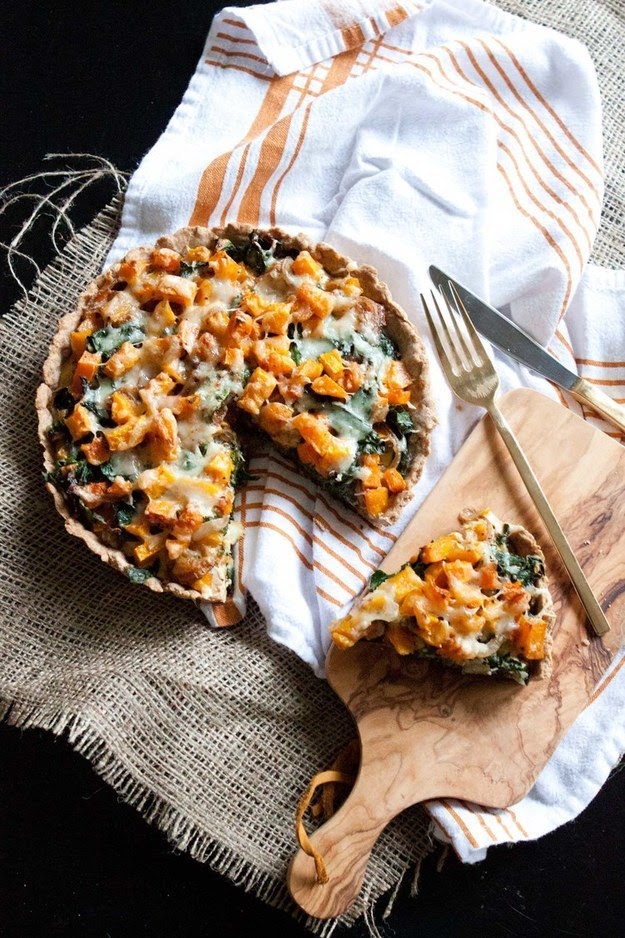
http://passportsandpancakes.com/blog/2013/9/4/butternut-squash-kale-tart

Embrace the flavor of a sweet butternut squash with open arms and into a delicious tart mixed with kale and grated Gruyere. Try this recipe out this Thanksgiving.

21. Provolone and Mushroom Gratin

http://www.garnishwithlemon.com/provolone-mushroom-and-potato-gratin/

Cheesy potatoes get a whole new look with the addition of Provolone cheese, Portobello mushrooms and fresh thyme. Find the recipe here.

22. Roasted Sweet Potato & Black Lentil Salad


This roasted sweet potato and black lentil salad recipe is something easy to nosh throughout a meal or even while cooking! It's great served at room temperature and it’s vegan, simple and with the addition of scallions for sharpness and celery for crunch it makes a dish everyone will love.
[via BuzzFeed]

Thursday, November 6, 2014

Healing Herbs for the Respiratory System


Fall is here and winter waiting on our door steps, the garden is dying back, the plants have shed their last seeds and are being tucked in for their winter beauty sleep. As our own energy starts to move inward as well and our bodies are getting ready for the colder season, it is the perfect time to strengthen and support the respiratory system.

In this part of Mother Earth News “Plant a Medicinal Herb Garden” series we will look at easy to grow herbs that will support and heal the the lungs, throat and sinuses, while adding flavor to your kitchen and beautifying your garden.

Hyssop (Hyssopus officinalis)

Hyssop is a sun loving, perennial, low growing shrub with beautiful dark blue blossoms that attract many bees and pollinators. Hummingbirds love it too. Hyssop is drought resistant and does well in poor and sandy soil. It is an herb in the mint family and has a delicious aromatic and minty scent. Hyssop's warming energetics make it a fine remedy for a stubborn cough and shivers. The responsible medicinal constituents are soothing to the lungs and help to loosen and expel mucus when taken internally (see recipes below). In addition, hyssop is a good carminative, meaning it supports healthy digestion and prevents formation of gas.

How to Make a Tincture

Here is the link again to Rosemary Gladstar's video on How to Make a Tincture in case you have never made one before. It is an easy process to make your own green medicine from freshly picked herbs from your garden. You will pay a fraction of the cost compared to a store bought tincture and your medicine will be just as effective if not more potent with the help of your intentions and the love you gave to the plant in your garden. When you grow your own medicine, you ultimately give that attention and love to yourself.

How to Make an Oxymel

An oxymel is another very good tasting way to extract the medicinal constituents from hyssop. Instead of using alcohol as a solvent, organic apple cider vinegar and raw honey are combined. You can take a teaspoon straight up as needed during a cough or cold or add it to salad dressings as a delicious culinary treat with many health benefits.

To harvest hyssop, cut the flowering tops in early summer when the flowers are just about to open. At this time, the plant holds the highest concentrations of medicinal essential oils. The plant will grow new flowers and you can harvest a second time later in the year.

Anise Hyssop (Agastache foeniculum)

Just like hyssop, anise hyssop is also a hardy perennial herb in the mint family. It grows up to 4 feet tall with heart-shaped leaves that have a pretty purple rim. The stalks of light purple flowers are a favorite of bees and bumblebees. It is self-seeding and will happily spread around your garden. Leaves and flowers have a subtle licorice aroma, hence its other name – licorice mint.

How to Use Anise Hyssop

Anise hyssop makes an aromatic tea from the fresh or dried leaves and flowers that eases digestion. The fresh leaves are also a lovely addition to salads. Native Americans used anise hyssop medicinally for coughs and fevers, and so do I.

A tea or tincture blend of anise hyssop and hyssop combined soothes and helps to heal irritated lung tissue during a respiratory infection. We made an oxymel from hyssop and anise hyssop combined and it is my favorite in salad dressings.

Anise hyssop can be harvested several times per year. Harvest the flowering tops when the plant is starting to bloom. Cutting back the flowers before they can mature into seeds invigorates the plant to grow new flowers – which can be cut again a few weeks later. That way you can enjoy fresh anise hyssop tea all summer long. Place a good hand full of fresh leaves and flowers in a teapot or large ball jar. Poor boiling water over the herb and close the lid to make sure the precious essential oils do not escape. Let steep for 5-10 minutes, strain, sweeten with a touch of honey to taste - and enjoy!

How to Dry Herbs

To dry medicinal or culinary herbs, harvest the flowering tops, bind three or four stalks tightly together with a rubber band and hang upside down to dry in a well ventilated room that is protected from night moisture. After a few days or a week, roll a leave between your fingers next to your ear. When the plant is fully dried, it will “crackle and pop”. If the leaves are still floppy, dry them a little longer. Pull the leaves from the stems (this process is called garbling the herb) and store in a ziplock mylar bag or tightly closed ball jar in a cool place out of direct sunlight.

Mullein (Verbascum thapus)

Mullein is a tall standing bi-annual plant that forms a rosette of velvet soft, large leaves in the first year and a tall stalk covered with small yellow blossoms in the second year. The plant self-seeds before it dies and will spread around your garden so you never have to plant it again. In ancient times, mullein was considered a protector against evil spirits as it stands tall and straight like a guardian when in bloom.

Mullein Medicine

All parts of mullein can be used medicinally, but the leaves is what we are after for their soothing and coating effects on the mucus membranes, such as the lung tissue and sinuses. This medicinal action is called demulcent. Mullein and osha root tincture combine very well to treat stubborn sinus infections.

Mullein flowers can be used to make a healing ear oil for ear infections. It works especially well when combined with garlic oil.

Thyme (Thymus vulgaris)

Wild thyme is a sun loving perennial ground cover, temperate in all zones, that will compete with your lawn, and win (!), when you don't mow it during its self-seeding time. A soft bed of flowering thyme will spread through your lawn that will release its lovely scent with every step you take on it. It also makes a nice border in ornamental flower beds.


Thyme has strong anti-bacterial and anti-septic properties. Both the tincture and tea are useful during respiratory infections. A steam bath with dried or fresh thyme works wonders for congestion and sinus infections.

Thyme Steam Inhalation for Sinus Infections

Pour boiling water into a bowl and add a tablespoon of fresh or dried thyme leaves. Stir with a wooden spoon. Place your head about 12 inches above the bowl and cover your head and the bowl with a towel. Close your eyes and inhale the aromatic thyme steam through your nose for 2 to 5 minutes. It will clear up your sinuses and lungs and help to loosen phlegm and mucus, while delivering the anti-bacterial essential oils straight to the places where they are needed. If you feel the steam is too hot, raise the towel a little so cool air can come in.

Dabbing some thyme tincture on your gums several times a day is a great remedy for gum disease.

In addition, thyme tincture can be used as an all natural disinfectant in your home. Simply mix a tablespoon of tincture with some vinegar and water, spray on your counter tops and wipe off.

Sage (Salvia officinalis)

Garden sage is a perennial shrubby herb that can grow up to 3 feet tall. The velvety leaves are not only a wonderful culinary herb but also have powerful anti-bacterial and anti-fungal properties and the fresh purple and pink blossoms are delicious in a raw sage blossom pesto.

Medicinal Uses of Sage

Sage is an extremely versatile herb. A tea from sage, thyme, hyssop, anise hyssop and mullein is a great remedy for coughs and colds. Add raw honey for extra healing and anti-bacterial action.

Make a sage honey (yummy!) and take it by the teaspoon for the cold and flu and to soothe a sore throat.

To help heal a sore throat you can also make a strong sage tea, add a dash of salt and use as a gargle. This is also a good remedy for mouth sores.

For fungal skin infections, such as athlete's foot, mix a few drops of tea tree essential oil with sage tincture and rub it onto the affected area.

Garlic (Allium sativum)

Yes, garlic! Plant lots of garlic in the fall and mulch it well with straw. Garlic is one of the strongest anti-bacterial herbs around. It contains over 50 sulfur compounds that have anti-bacterial and anti-fungal action. These compounds are broken down in the lungs, which is the reason for garlic breath. It also means that the medicine is working right where you need it - in your lungs.
garlic

Garlic Medicine

Roast a whole garlic bulb in the oven and enjoy two to three garlic cloves spread on a piece of bread or a gluten free rice cracker.

You can also add fresh garlic cloves to a green smoothy or hearty vegetable juice.

Both recipes will work wonders on stubborn lung infections and candida yeast infections.

Wednesday, November 5, 2014

Detecting Nutritional Deficiencies

A healthy diet can provide all nutrients that a body needs, but the reality of our busy lifestyles and sometimes finicky eating patterns can lead to vitamin deficiency. Knowing what to look for is part of the battle. We want to help you in detecting these nutritional deficiencies!

HANDS
  • Cold hands: Magnesium deficiency, hypothyroidism, chronic fatigue with low cardiac output.
SKIN
  • Stretch marks: zinc deficiency
  • Spontaneous bleeds: vitamins C or K or platelet deficiency
  • Dry scaly skin: Vitamin C deficiency
  • Yellow palms: excessive beta carotene intake
LEGS
  • Tender calf muscles: magnesium deficiency
  • Brisk knee reflexes: magnesium deficiency
HEART
  • Irregular beat, high blood pressure, cardiomegaly: magnesium and Co Q10 deficiencies or sensitivity to caffeine
THROAT
  • Thyroid swelling: iodine deficiency, hypothyroidis
NAILS
  • White spots: Mineral deficiency, but often low zinc
  • Ridges: Zinc deficiency
  • Soft or brittle nails: Magnesium deficiency
EYES
  • Bags or dark circles: allergies or food intolerances
  • Cataracts: chromium deficiency or excess free radicals
MOUTH
  • Pale fissured tongue: iron deficiency
  • Cracked lips: vitamin B2 deficiency
[via Positive Med]

Tuesday, November 4, 2014

10 Organic Thanksgiving Recipes

It’s the ultimate foodie day: Thanksgiving! But here’s something we’re not thankful for: Many traditional Thanksgiving staples, such as cranberries, green beans, sweet potatoes, and leafy greens, rank among the top foods at risk for toxic pesticide residue, according to The Organic Center's new Dietary Risk Index. Make this year’s Thanksgiving your healthiest yet with organic foods, free from pesticides, GMOs, hormones, and antibiotics.

“The only real way to protect your family from [the risk of toxic pesticide residue] is to purchase organic foods, particularly those fruits and vegetables that pose the greatest risk," says The Organic Center board member Sara Snow. “The Dietary Risk Index makes it easy by clearly listing which foods those are.”

Show your love by buying as many organic ingredients as you can and using them in these delectable recipes. “By preparing an organic Thanksgiving, you’ll be providing your family with nutritious food that’s both good for you and for the planet,” says Snow.

http://deliciousliving.com/recipes/roast-turkey-sage

Roast Turkey with Sage

A gorgeous centerpiece entree (see full turkey on previous frame). Look for organic and heritage turkeys, which are raised without hormones, antibiotics, or additives. View recipe.

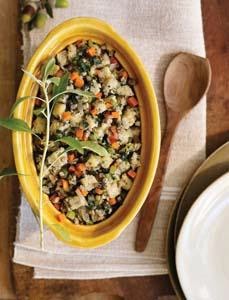
http://deliciousliving.com/recipes/herbed-bread-and-vegetable-stuffing-0


Herbed Bread and Vegetable Stuffing

This vegetable-studded stuffing adds flavor and nutrients to a typically bread-heavy dish. Use organic, sprouted bread for even more texture. View recipe.

http://deliciousliving.com/food/fresh-spinach-artichoke-baked-dip

Fresh Spinach-Artichoke Baked Dip

Enjoy this lightened version of the classic artichoke dip appetizer—and be sure to use organic spinach. View recipe.
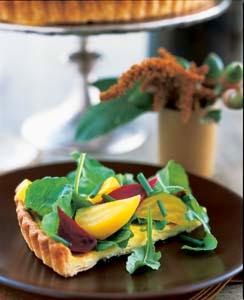
http://deliciousliving.com/recipes/goat-cheese-tart-marinated-beets-and-arugula-0

Goat Cheese Tart with Marinated Beets and Arugula

Conventionally grown beets are often genetically modified (GMO); avoid this by buying organic beets for this lovely, light appetizer or starter course. View recipe.

http://deliciousliving.com/recipes/parsnip-and-fennel-pur-e-0

Parsnip and Fennel Puree

It's not Thanksgiving without some version of mashed potatoes! This sophisticated version adds natural sweetness with organic parsnips and fennel. View recipe.

http://deliciousliving.com/recipes/kibbeh-apples-walnuts-and-feta-0

Kibbeh with Apples, Walnuts, and Feta

This vegetarian, Mediterranean-inspired entree will please everyone at the table; you can also make it one day ahead. To avoid rBGH, use organic yogurt for the delicious, dill-infused sauce. View recipe.

http://deliciousliving.com/recipes/cranberry-pomegranate-relish

Cranberry-Pomegranate Relish

Easy and tangy, this refreshing cranberry relish features organic orange peel for a bright finish. View recipe.

http://deliciousliving.com/recipes/apple-cranberry-lattice-pie

Apple-Cranberry Lattice Pie

Organic apples, an early symbol of the organic movement, combine beautifully with lemon and cranberries in this seasonal dessert. View recipe.

http://deliciousliving.com/recipes/fig-pie

Fig Pie

This novel, savory-sweet dessert features juicy, fresh figs; it's wonderful paired with fresh goat cheese. View recipe.

http://deliciousliving.com/recipes/cranberry-squash-pie-1

Cranberry Squash Pie

An Ayurvedic-inspired finale to your organic feast; the ingredients promote peacefulness because they're free of caffeine and strong spices. View recipe.

Thursday, October 30, 2014

Tips for an Eek-O Friendly Halloween


A green Halloween? Yes, it can be done.  As you’ve probably figured out from walking into any store this October, Halloween has become a bit of a nightmare for the environment.  These days anything short of an entire yard transformed into a lit-up plastic graveyard or petro-chemical-based spider hatchery has come to be considered un-festive.

And here’s a spooky Halloween fact: Last year alone more than 40 million kids went trick-or-treating. All that adds up to a huge amount of consumerism and waste with ghoulish impacts on our environment and wild lands.

That said, I love Halloween and I sure don't want to be the neighborhood curmudgeon who shuts herself in and turns off the lights on Halloween night. So I think I'll balance my guilt by having myself a green Halloween. I invite you to join me in any way you can.

Here are ten ideas for making your own green Halloween:

1. Green Halloween Costumes: Leave the toxic Halloween costumes on the rack: Halloween costumes are supposed to be fun-scary, not scary-scary. Yet, store-bought costumes are often made up of nonrecyclable petro-chemical based plastic and synthetic fibers. Those Halloween costumes can include one of the scariest plastics--polyvinyl chloride (PVC), a soft plastic and known carcinogen that releases harmful toxins in its creation and breakdown. Avoid these toxic Halloween costumes and go for a green Halloween costume made of natural fabrics and materials.

2. Know what's in your Halloween face paint: In their 2009 Pretty Scary report, Campaign for Safe Cosmetics sent ten kid's make-up sets to a lab and found that all ten contained lead, which can lead to neurological damages in children, as well as nickel, cobalt and chromium. Six out of ten contained cobalt and/or chromium at levels far exceeding safety standards. These metals are not listed on product labels. Look for organic, non-toxic face paints that comply with standards set by the Campaign for Safe Cosmetics or try these homemade recipes for your green Halloween face paint:
3. Concoct your own fake blood: Similar to face paint, fake blood can contain stuff that's not so nice to mother nature. Try making your own fake blood from natural products.

4. Shop the ultimate green Halloween markets: Last year alone 41.2 million kids went trick-or-treating, according to the U.S. Census Bureau. That’s a lot of Halloween costumes, not to mention the packaging they come in. Decrease the waste and have some fun sorting through costume selections at local thrift shops. These places have clearly beefed up their Halloween selections over the years, offering an inspiring selection of used costumes and period pieces these days.

5. Hold a green Halloween costume swap: Arrange a Halloween costume swap at your school, church or community center, or do it in your neighborhood.

6. Select not-so-scary Trick-or-treat bags: Avoid the ubiquitous bright orange plastic jack-o-lanterns that have no chance at ever breaking down in a landfill. Instead use reusable shopping bags, canvas totes or the ole pillowcase trick. A funky thriftshop handbag can add a fun twist to a green Halloween costume as well.

7. Choose green Halloween treats with less packaging: Decrease candy packgaging waste by buying in bulk and selecting Halloween candy that uses the least packaging. Candies that come in individual boxes have a chance at getting recycled, whereas those that come in plastic don’t. Other waste-less ideas include pencils made from recycled money, small coins or recyclable items that will find a useful place in a kid's life--as opposed to a home at the bottom of the garbage bin.  One of our staff members reports of a neighbor who hands out books every year. Not a bad idea if you live in a neighborhood with light Halloween traffic.

8. Give organic Halloween candy: Yes, it's a bit pricier but certainly less scarier for the environment. Organic means less environmental damage during production and transportion, as well as healthier ingredients:
  • Endangered species chocolate gives ten percent of net profits to fund endangered species and conservation products. 
  • Yummy Earth certified organic sells individually wrapped lollipops that can be purchased at Wholefoods, Toys R Us, Vitamin Cottage, Sprouts and others.
 9. Green up your Halloween Pumpkins: Buy organic. Save seeds for roasting with a little oil and light salt. Save the pulp for pies, muffins, soup and other recipes. Yum! Compost your pumpkins so they don’t add to the landfill where they will produce methane gas, a dangerous greenhouse gas.

10. Make your own green Halloween decorations. Halloween is the second biggest decorating holiday of the year, and so many of the decorations being peddled are made of non-recyclable plastics. If you do buy new items, at least choose durable non-petroleum based items that will last for many years. Otherwise, make a dent in the waste by creating your own homemade decorations with recycled household items.

A few green Halloween decorating ideas:

  • Giant Spider: Use black trash bags for a giant tarantula (stuff with garden leaves--or newspapers but be sure to recycle the newspapers and trash bags when you’re done). How to here.
  • Ghosts: Stuff old bed sheets with leaves or newspaper, tie with a string to form a head and hang  from trees.
  • Spiderwebs: Make with shredded black pantyhose or cotton balls, instead of the sythetic messy ones from the store. If you're extra crafty, and want a dramatic look, weave a web of yarn near your entryway. Just select organic cotton or other eco-friendly yarns: Yarn web instructions.
  • Eco-friendly Halloween craft ideas
  • Halloween craft ideas from recycled items: To make these extra eco-friendly, choose non-toxic paints with low or no VOCs and other kid and earth friendly craft supplies.
  • Plastic pumpkin makeovers: If you’ve already got plastic Halloween trick-or-treat pumpkins from yesteryear, the ones the kids have outgrown, but that are too faded or cracked to donate, don’t throw them away. Those pumpkins can be given new life. Just be sure to use non-toxic eco-friendly paint and second-hand props for these ideas Check out these ideas.

Monday, October 27, 2014

Natural Moisturizers for Winter Skin Care

Keep your skin glowing through the dry winter days. Try these natural moisturizers for winter skin care.


Plant-derived oils and naturally sourced fats and ingredients are better for your skin and body than chemical preservatives and stabilizers. Along with the rest of nature, our skin changes as the seasons turn. With winter comes low humidity, which strips skin of its natural moisture, leaving it dry and more susceptible to damage. To protect your skin from the cold, turn to natural moisturizers with healing natural ingredients.

Four Homemade Moisturizers


Moisturizing Basics for Winter Skin Care

When choosing a commercial moisturizer, your first consideration should be your skin type. For oily skin, use a light moisturizer; for normal to oily skin, use a moisturizing lotion; and for dry skin, use a moisturizing cream.

Next, analyze a product’s ingredient list: Nearly every moisturizer contains some combination of emollients, humectants, emulsifiers, “active ingredients” and penetration enhancers.

Emollients, such as phospholipids and lecithin, soften, heal and hydrate. Plant oils such as olive, castor, jojoba and coconut make great emollients because they mimic the soothing oils our own skin produces.

Humectants attract moisture to the skin. Look for moisturizers made with glycerin and sorbitol derived from natural sources. (To find out if the ingredients are from natural sources, consult the ingredients list or peruse the company’s website.)

Emulsifiers are used to keep the ingredients in a moisturizer from separating. Lanolin is an excellent natural emulsifier. Similar to the natural oil in human skin, lanolin, commonly called wool fat, is a fatty substance naturally produced in sheepskin. It coats wool, acting as a protective agent against cold and dampness, and is extracted from shorn wool by centrifugal separators. This cream, which can be found at any health-food store, is typically used in moisturizers as a water-absorbing emulsifier.

A product’s “active ingredients” are usually responsible for providing its advertised effects, such as soothing, treating blemishes or preventing signs of aging. For example, zinc oxide is a natural active ingredient that protects against sun damage. Be careful when choosing skin products purported to remove wrinkles, blemishes or dark spots: These often contain harsh chemicals. To find out more about natural active ingredients, see “The Best Active Ingredients in Moisturizers” further in this article.

Penetration enhancers help a product’s active ingredients absorb into the skin. Look for moisturizers with natural penetration enhancers such as essential oils (menthol or chamomile are common), vegetable squalene, linoleic acid and oleic acid rather than synthetic penetration enhancers such as propylene glycol and tetrasodium EDTA.

Avoid poor-quality ingredients such as mineral oils, harsh chemicals, and artificial colors and fragrances. Harsh chemicals such as parabens, formaldehyde and propylene glycol are often used to give moisturizers a longer shelf life and help them absorb into the skin, but they can have side effects ranging from skin irritation to potential reproductive disorders. You can find effective, safe natural moisturizers or make your own simple, inexpensive moisturizer using this Homemade Moisturizer Recipe. For more information on ingredients in personal-care products to avoid and extensive listings of safer options, read Come Clean: Natural Alternatives to Chemical-Laden Personal-Care Products.

5 Moisturizer Ingredients to Avoid

  • Formaldehyde: A human carcinogen; watch for ingredients dimethyl-dimethyl (DMDM) hydantoin, imidazolidinyl urea, diazolidinyl urea, sodium hydroxymethylglycinate, and 2-bromo-2-nitropropane-1, 3-diol or bronopol
  • Fragrance: Usually contains phthalates, linked to hormone disruption, possible birth defects, infertility and breast cancer
  • Parabens: May cause reproductive disorders and has been detected in breast cancer tissue; watch for any ingredient ending in -paraben
  • Propylene glycol: May cause hives, allergic reactions and other skin irritation in concentrations as low as 2 percent; synonyms include PPG, 1,2-dihydroxypropane, 2-hydroxypropanol, methylethyl glycol, 1,2-propanediol, and propane-1,2-diol
  • Retinyl palmitate and retinol (vitamin A): Rich in antioxidants and anti-aging properties; may also speed up the development of cancerous skin tumors when exposed to the sun; excessive amounts may be toxic to a developing fetus if pregnant women are exposed

The Best Active Ingredients in Moisturizers


  • Anti-aging: Boswellia serrata, CoQ10
  • Antibacterial and antifungal: Tea tree oil
  • Anti-irritants: Comfrey leaf and root, Aloe vera, licorice root, marshmallow root, chamomile, white willow bark, vitamin C
  • Soothing: Aloe vera, licorice root, green tea, chamomile extract
  • Sun protection: Zinc oxide, titanium dioxide

Top 5 Best Organic Foods for Weight Loss

Many Americans struggle with maintaining a healthy weight and lifestyle. Many of them have even tried multiple diets and lifestyle changes only to become frustrated with their weight and give up. Eating certain organic foods can actually help you lose weight.

Here are some organic foods that can help with weight loss and dieting.

Free-Range Eggs: Eggs often get a bad reputation because many people fear the cholesterol is too high. Thanks for recent research, eggs actually are a great way to start your day, especially if the eggs are free-range eggs. Eating eggs instead of a bagel in the morning leads to fewer calories consumed throughout the next 36 hours according to a recent study. With free-range eggs, more good fats like omega-3 fatty acids are consumed. Omega-3 fatty acids may help fight heart disease and Alzheimer's disease.

Organic Apples: Eating an apple every day really can help you lose weight. That's because those who ate an apple before a pasta meal consumed less than those who chose another snack, according to a study. Also the antioxidants in apples may also prevent a condition called metabolic syndrome. Metabolic syndrome is what many overweight Americans suffer for -- it gives them that "apple-looking" shape in their belly. So, eat apples to prevent looking like an apple in your belly.

Blueberries: Thanks to the antioxidants and rich in fiber content, blueberries are a great choice for a morning or afternoon snack.

Yogurt: Dieticians typically recommend yogurt to those on a diet because of its benefits. There are good carbs, protein and fats in a serving of yogurt. Thanks to yogurt dieters often find themselves satisfied and not craving snacks after eating it.

Green Tea: Even though it's not a food, green tea is a great option for refreshment. Even if you don't change your diet at all, studies have shown that green tea drinkers still lose more weight than people who don't drink it. There's also the natural energy that green tea gives you and this helps with a faster metabolism.

Other Helpers: Almonds are a great snack that can reduce hunger and it may even reduce the risk of heart disease. Try adding almonds to your daily snack or quick lunch. Also, try adding more beans and lentils to your diet.
[via Latin Post]