Showing posts with label meatless. Show all posts

Tuesday, July 19, 2016

10 Vegan Recipes Worthy of a Cookout


For the non-animal product eating, summer cookouts can occasionally feel, how shall we say, limiting: ribs! Burgers! Cheeseburgers! Ice cream! Potato salad swimming in mayonnaise! This — despite an otherwise excellent selection of picnic sides — can be a little discouraging. But! Cookouts need not be so — and vegan folks need not just linger by the spread of side dishes hoping for an ear of corn or a frozen veggie burger, either.

Here are 10 delicious vegan recipes from Food 52's Gena Hamshaw worthy of a summer afternoon barbecue:

Creamy Vegan Avocado Potato Salad

https://food52.com/recipes/54970-creamy-vegan-avocado-potato-salad

Tempeh Kebabs with Homemade BBQ Sauce

Sweet, tangy homemade barbecue sauce is a perfect complement to the nutty, earthy taste of tempeh. 
 
https://food52.com/recipes/29199-tempeh-kebabs-with-homemade-barbecue-sauce

Grilled Avocado Halves with Cumin-Spiced Quinoa and Black Bean Salad 

Creamy, satisfying avocado meets a hassle-free, versatile quinoa salad that works on its own as an anytime summer side dish.

https://food52.com/recipes/36747-grilled-avocado-halves-with-cumin-spiced-quinoa-and-black-bean-salad

Black Bean and Corn Burgers

These veggie burgers are a little bit spicy, thanks to a mixture of paprika, cumin, and chili, and a little bit sweet, thanks to fresh summer corn. 

https://food52.com/recipes/23748-black-bean-and-corn-burgers

Penne with Sweet Summer Vegetables, Pine Nuts, and Herbs

Think of this recipe as summer in a bowl. The sweet corn, bursting cherry tomatoes, and tender zucchini lighten up a savory, satisfying bowl of pasta. 

https://food52.com/recipes/18440-penne-with-sweet-summer-vegetables-pine-nuts-and-herbs

Vegan Sweet Potato Biscuits

A sweet or savory spin on biscuits that feature sweet potato for a tender, moist interior and a very pretty golden color.

https://food52.com/recipes/56321-vegan-sweet-potato-biscuits

Vegan Summer Succotash

The combination of sweet vegetables and buttery coconut oil makes this easy dinner an irresistible delight.

https://food52.com/recipes/23077-vegan-summer-succotash

 Perfect Vegan Pie Crust

This pie crust is totally authentic and yet totally dairy free -- all thanks to the magic of coconut oil. 

https://food52.com/recipes/19559-perfect-vegan-pie-crust

Strawberry Vanilla Coconut Ice Cream

This rich, dreamy ice cream -- which no one would ever guess is vegan -- benefits from fresh ingredients: seasonal, freshly picked strawberries and fresh vanilla bean. 

https://food52.com/recipes/23281-strawberry-vanilla-coconut-ice-cream

No-Fuss Vegan Cornbread 

This cornbread is a perfect balance of savory and sweet, rich and light.

https://food52.com/recipes/31697-no-fuss-vegan-cornbread

[via Food 52]

Thursday, November 20, 2014

8 High Protein Foods to Add to Your Daily Diet


Protein plays an important role in a well balanced diet, it is essential for the body. The key parts in our bodies would not hold together properly without it. Protein is also essential for metabolism, immune system function and regulatory hormones.

Here is a list of 8 High Protein Foods to add to your daily diet:

1. Hemp Hearts

Hemp seeds are a high, whole food protein source containing all nine essential amino acids.  They also include essential fats, Gamma Linoleic Acid (GLA), fiber, iron, zinc, carotene, B-Vitamins (1, 2, and 6), Vitamin D, Vitamin E, calcium, copper, potassium, chlorophyll, enzymes and more. Hemp seeds taste incredible! They have a creamy texture and a rich, earthy flavor.  Hemp seeds can be blended into shakes, nut milks, nut butters, smoothies, and ice cream for a creamy taste and consistency.  They can be sprinkled on top of food such as yogurt, salads, granola, etc. Hemp seeds can also be used in baking, sauces and spreads!

2. Pumpkin Seeds

Raw pumpkin seeds are truly a superfood! Among the many benefits, they are high in protein, zinc, iron, magnesium and omega-3s. By sourcing living seeds, we preserve their inherent nutrients and enzymes, providing your body with healthy fuel!

3. Chia Seeds

Chia seeds are exceptionally nutritious. They have high amounts of protein, fiber and many other essential minerals. They are also high in Omega-3, antioxidants, B-Vitamins, calcium, and boron. Chia seeds are a great food for runners.  Because they absorb ten times their weight in water as they expand, the water will then be released slowly and evenly into your system. This allows for maximum hydration, which is key when running long distances, during marathons or especially in high heat, where runners lose more and more fluids through their sweat.

4. Bee Pollen

Bee pollen is very good source of protein, 20-40%. It can rapidly pass directly into blood from stomach in about 2 hours after ingesting. Bee Pollen has been considered to be one of the most nutrient packed foods in the world, often called “nature’s perfect food”.  It is an alkaline food, loaded with minerals, antioxidants, micro-nutrients, trace elements and enzymes.  Consuming bee pollen is an incredible way to balance an over acidic system.  Bee pollen contains 18-22 amino acids including tryptophan, lysine and methionine.  Amino acids nourish the brain, protect the body against disease, and play a critical role in metabolizing nutrients. Bee pollen also has an expansive array of Vitamin B complexes, Vitamins A, C, and E.

5. Mesquite Powder

Mesquite powder is high in protein, low on the glycemic index, and rich in vitamins and minerals such as: iron, zinc, calcium, lysine, potassium, magnesium and dietary fiber. It digests slowly and does not cause spikes in blood sugar, making it a great choice for diabetics.

6. Spirulina

Spirulina contains over 60% complete protein (almost three times as much as that found in beef!), it has high concentrations of many other important vitamins and minerals, such as B complex vitamins, vitamin E, carotenoids, iodine, iron, manganese, zinc, essential fatty acids such as gamma linolenic acid (which is only otherwise found in mother’s milk), and more beta carotene than you can find in carrots! Spirulina is also one of the few plant sources of vitamin B12, which is essential for healthy nerves and tissues.

7. Cashew Nuts

Cashews are an incredible superfood providing the body with essential vitamins and minerals! Cashews are a great source of plant-based protein, iron, magnesium, zinc, copper, and trace minerals. Cashews have a mild, creamy flavor and smooth texture. They can be enjoyed plain as a healthy snack, or used to make nut milk or cream, dairy-free sauces & dips, and are a wonderful addition to smoothies, salads, stir fries, and trail mixes.

8. Goji Berries

Goji berries are  packed full of natural protein, trace minerals, essential fatty-acids, amino acids, antioxidants, and over 20 different vitamins and minerals. For thousands of years, traditional Chinese Medicine has used this revered fruit to enhance the immune system and treat more than 100 different ailments. The delightful, ruby colored Goji Berries are an excellent, healthy, high energy snack. These dried goodies give a vibrant burst of nutrients and flavor to any meal or snack. You can add them to smoothies, tea, cereals, salads or desserts.

Monday, November 17, 2014

22 Delicious Meatless Main Dishes To Make For Thanksgiving


1. Stuffed Butternut Squash

http://www.picklesnhoney.com/2014/11/10/stuffed-butternut-squash-eat-clean-live-well/

With a simple and nourishing ingredient list, this dish manages to be packed with flavor (one of the many benefits of eating in-season). It also happens to be a very pretty dish that would make a deliciously satisfying addition to your Thanksgiving table. Recipe here.

2. Mediterranean Baked Sweet Potatoes

http://minimalistbaker.com/mediterranean-baked-sweet-potatoes/?crlt.pid=camp.nVHYRwMaW0Hn

The concept is simple:

Baked sweet potatoes – cut in half to shorten cooking time
Seasoned, roasted chickpeas
Garlic-herb sauce
Parsley-tomato salad for garnish

The result is a 30-minute lunch or dinner that’s both satisfying, savory and sweet, and seriously healthy. Grab the recipe here and if you already have sweet potatoes on the menu? Make something similar with eggplant.

3. Grilled Chipotle Lime Cauliflower Steaks

http://www.thekitchn.com/recipe-chipotle-lime-grilled-cauliflower-steaks-recipes-from-the-kitchn-204490

These cauliflower "steaks" demonstrate that more than almost anything else we've grilled; their tongue-in-cheek name is a good indicator of how satisfying a centerpiece they make on any table. They're smoky and spicy, with a squirt of lime and flurry of cilantro. Get the spicy recipe here.

4. Potato and Green Garlic Crustless Quiche with Goat Cheese, Gruyère, and Chives

http://www.bojongourmet.com/2014/03/potato-and-green-garlic-crustless.html

The quiche recipe is quite simple: cook up some vegetables, whip up a batter of eggs, milk, and flour, combine the two and add some cheese, bake, and voilà. Brunch. (Or lunch. Or dinner. Or all of the above.) Try the recipe yourself here.

5. Roasted Vegetable Galette

http://www.cookyourdream.com/2011/03/roasted-vegetable-galette.html

This savory galette is a wonderful lunch or snack for those who still wait for warm days. It's full of flavors and vitamins that we so much need during a long cold winter. Find the recipe here.

6. Roasted Fall Vegetable and Ricotta Pizza

http://www.marthastewart.com/313662/roasted-fall-vegetable-and-ricotta-pizza

Such an inventive way to get nutrients without feeling deprived! Also a great day-after-Thanksgiving treat. Snag the delicious, easy recipe here.

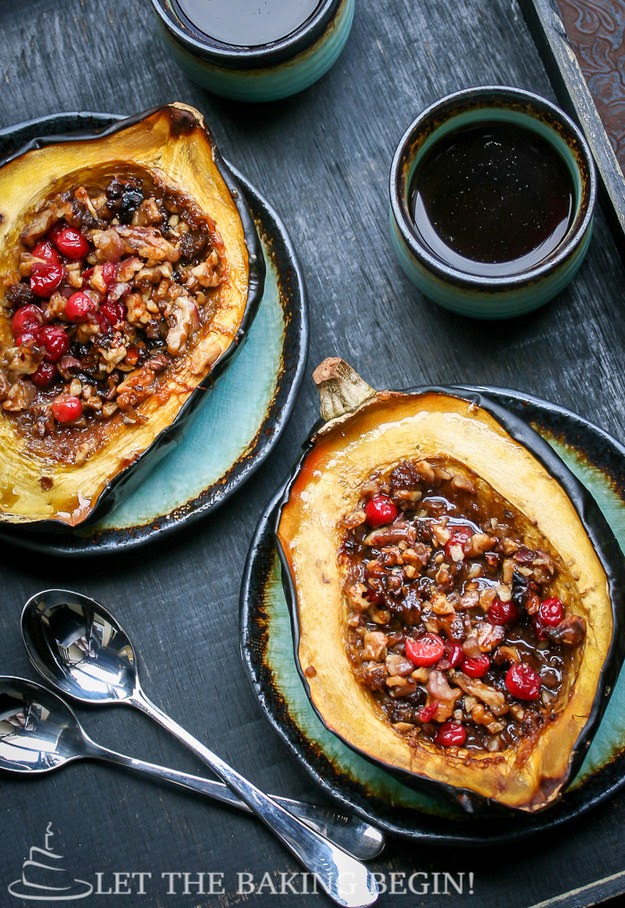
7. Acorn Squash with Walnuts & Cranberry

http://letthebakingbeginblog.com/2012/10/acorn-squash-with-walnuts-cranberry/

What says “fall” better than pumpkins and squash? They come in such a huge variety of colors, shapes and flavors these days! The addition of walnuts gives you an added boost of healthy oils, which are good for your cardiac health and help you lower cholesterol. Seriously, do you need more convincing? Try the recipe out here.

8. Roasted Cauliflower, Mushroom and Goat Cheese Quiche with Quinoa Crust


The cauliflower and mushroom combo works amazingly well in this quiche and now you can enjoy the favorite combo for breakfast lunch and dinner! Enjoy the recipe here.

9. Chili Polenta Pie

http://potluck.ohmyveggies.com/chili-polenta-pot-pie-2-ways/

Do you need a "pot pie challenge"? Cause this is the recipe for you.

10. Vegan Mushroom, Chestnut & Cranberry Tart

http://www.jamieoliver.com/recipes/vegetables-recipes/vegan-mushroom-chestnut-cranberry-tart/


This tart is perfect for holidays – make it the day before and heat through once dinner’s nearly ready. If you can’t get wild mushrooms, use more chestnut ones. Try it out this year!

11. Roasted Brussels Sprouts and Crispy Baked Tofu with Honey-Sesame Glaze

http://cookieandkate.com/2014/roasted-brussels-sprouts-and-crispy-baked-tofu-with-honey-sesame-glaze/

Tender, caramelized brussels sprouts with extra crispy tofu and brown rice, topped with an irresistible sweet-and-spicy glaze. This meal requires some prep work, but once you're ready, you can cook the rice, sprouts and tofu in about 30 minutes, while making the glaze in the meantime. For a simple side dish, roast 2+ pounds of sprouts and skip the rice and tofu. Find the recipe here.

12. “Ricotta” Stuffed Cabbage

http://www.loveandlemons.com/2014/03/02/ricotta-stuffed-cabbage/

This is the gluten free solution stuffed shells. You’ll notice this recipe also pasta-free but trust me – this “cheesy” cashew filling – tastes just as indulgent.

13. Roasted Eggplant with Cilantro-Almond Salsa


Serve this amazing eggplant with couscous, topped with a dollop of yogurt and a spoonful of salsa. Yummmmm! Try this recipe here.

14. Vegan Lentil & Sweet Potato Shepherd’s Pie

http://www.oneingredientchef.com/sweet-potato-shepherds-pie/

Forget the traditional style shepherd's pie and instead opt for this recipe on stuffed with deliciously seasoned lentils and veggies, and topped with a gorgeous, vitamin-packed sweet potato mash. It’s every bit as delicious as the original, but low in fat and high in protein, fiber, and nutrients. This shepherd’s pie is the perfect simple, economical, hearty dinner that the whole family will love.

15. Butternut Squash Alfredo Baked Shells

http://www.gimmesomeoven.com/butternut-squash-alfredo-baked-shells-recipe/

This Butternut Squash Alfredo Stuffed Shells recipe is made with a lighter alfredo sauce, and is perfectly sweet, savory, and delicious!

16. Autumn Root Vegetable Gratin with Herbs and Cheese


This classic dish, other than its near universal appeal, is that it is deceptively simple to make relative to its beauty. Plus, you can probably make it with what you have in your fridge and pantry right now. Try it out now!

17. Mushroom, Spinach and Scallion Tart


This vibrant recipe includes spinach leaves intermingle with roasted mushrooms in a light-as-air (and easy-to-assemble) phyllo shell. The custard-like filling comes together quickly in a blender.

18. Stuffed Portobello Mushrooms with Crispy Goat Cheese

http://www.bloggingoverthyme.com/2014/06/06/stuffed-portobello-mushrooms-with-crispy-goat-cheese/

The portobellos are lightly grilled and topped with a chunky homemade tomato sauce, sautéed spinach and shallot mixture, soft goat cheese, and topped with a crispy breadcrumb topping. They're hearty enough to be served on their own, with a simple salad or grain (such as quinoa or pasta!), or as a side dish. Try serving this recipe at the table.

19. Vegetarian Wellington with Seitan, Roasted Mushroom & Kale

http://www.veggiebelly.com/2013/11/vegetarian-wellington-recipe.html

Make this vegetarian wellington recipe for Thanksgiving and the turkeys of America will love you! And so will your guests. This welling is a puff pastry wrapping, stuffed with orange and fennel seed braised seitan, thyme roasted mushrooms and kale. All served with the best vegetarian gravy ever! 

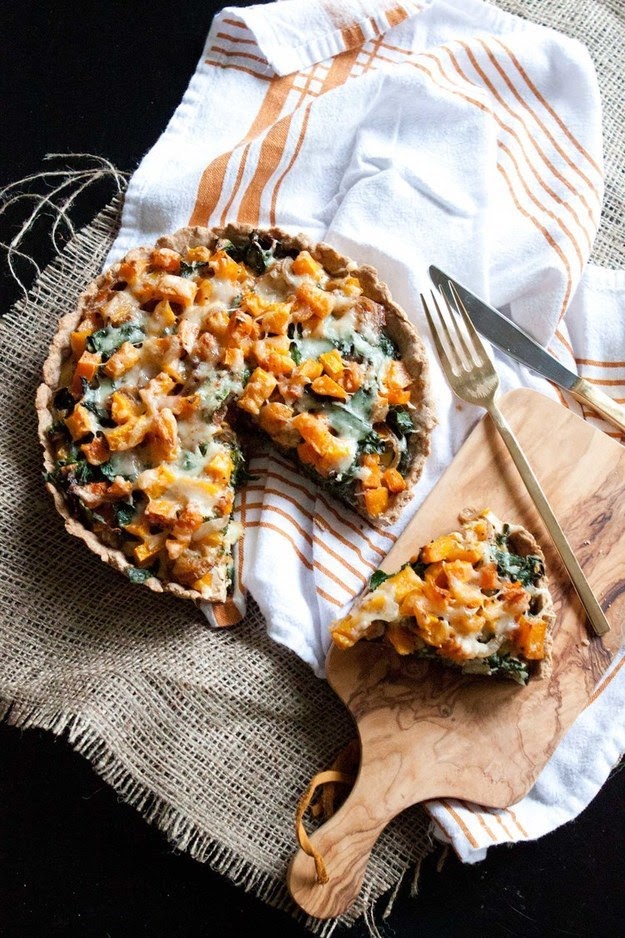
20. Butternut Squash-Kale Tart

http://passportsandpancakes.com/blog/2013/9/4/butternut-squash-kale-tart

Embrace the flavor of a sweet butternut squash with open arms and into a delicious tart mixed with kale and grated Gruyere. Try this recipe out this Thanksgiving.

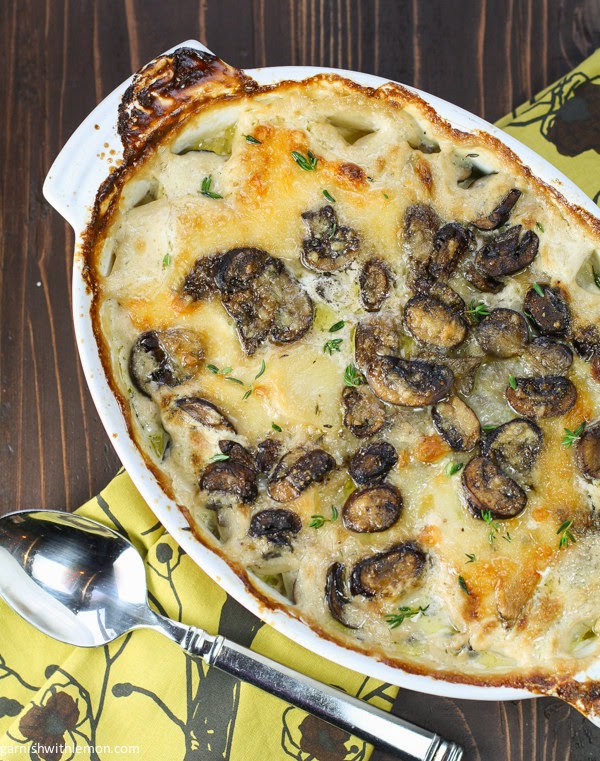
21. Provolone and Mushroom Gratin

http://www.garnishwithlemon.com/provolone-mushroom-and-potato-gratin/

Cheesy potatoes get a whole new look with the addition of Provolone cheese, Portobello mushrooms and fresh thyme. Find the recipe here.

22. Roasted Sweet Potato & Black Lentil Salad


This roasted sweet potato and black lentil salad recipe is something easy to nosh throughout a meal or even while cooking! It's great served at room temperature and it’s vegan, simple and with the addition of scallions for sharpness and celery for crunch it makes a dish everyone will love.
[via BuzzFeed]

Friday, October 24, 2014

10 Ways to Celebrate Food Day


Food Day, held each year on October 24, is dedicated to raising awareness about the impact our diets have on our health, the environment, and the people who produce our food. Want to join in the fun?

Here are ten ideas for making the most of this national celebration of healthy, affordable, and sustainable food.

1. Make a real meal. It doesn’t actually take that much longer to put a “real” meal on the table, rather than some concoction that’s frozen, over-processed, and not even particularly tasty. Need recipes for quick and easy suppers? Here you go.

2. Host a potluck supper. Like the idea of real food but hate to cook? Invite friends and family over for a potluck. Someone else can bring the appetizers, main dish, side dish and dessert. You supply the atmosphere, the location, and the drinks. Easy peasy!

3. Eat at a restaurant that offers local, organic food.
More and more restaurants and fast food chains are choosing quality as well as convenience, by sourcing their ingredients from local farmers who have committed to growing their food sustainably. Here’s a list of some of the best.

4. Shop at a farmer’s market.
Is there any better place to find locally grown, organic food? Plus, when you shop at a farmers market you’re putting money back into your local economy and helping to protect land from urban sprawl.

5. Join a CSA. Community Supported Agriculture (CSA) enables you to buy a share in the food a farmer produces. You’ll enjoy an abundance of fruits and vegetables you love, but probably be introduced to some delicious new varieties, as well. Kohlrabi, anyone?

6. Go meatless for a day, a week, or…?
Some people don’t like the idea of “becoming” vegetarian, but what about going meatless one day a week? Here are some delicious vegetarian recipes that will give meatless new meaning.

7. Convene a community forum. You can make big changes happen by involving friends, neighbors, elected officials and policy makers in the conversation. You’ll find ideas here to help you get a community forum off the ground.

8. Watch a movie. Check out the Food Day organization’s Film Screening Guide. You’ll find reviews of compelling films about food and agriculture, plus suggestions on how to organize a film screening for friends, neighbors, elected officials and policy makers.

9. Eat everything in your refrigerator.
According to the U.S. Department of Agriculture, consumers waste almost 30% of the food they buy. How? It gets “lost” in a cupboard. No one remembers to eat the leftovers and they rot. We simply buy too much. On Food Day, take stock of the food you already have. Eat what’s there before you buy more. If you’re putting food in the freezer, label it and date it so you know what it is and when you put it away.

10. Tell 5 friends about Food Day. The success of Food Day lies in people participating in it. Tell your friends and neighbors about it, and mention it on your social networks. Post pictures of the meals you make on Pinterest and Instagram, and share recipes on Facebook and Twitter. Make Food Day so much fun this year that you can’t wait until October 24 rolls around again next year.
[via Care2]

Tuesday, September 9, 2014

Recipe: Lighter Baked Macaroni & Cheese with Spinach & Red Peppers


We are getting into the days when hearty casseroles and warm cheesy things are starting to sound like a good idea again. My absolute favorite time of year. Put this casserole on your list — it's a veggie-filled riff on baked mac 'n' cheese that doesn't require a roux or even much prep at all, beyond cooking the pasta. It hits that sweet spot of comfort food that has enough redeeming nutritional qualities to justify having it both for dinner and lunch the next day.


This "lighter" baked macaroni and cheese casserole relies on a combination of cottage cheese, sour cream, and shredded cheese for its creamy base. This somewhat surprising combo is one I've been using for years, ever since discovering it in Heidi Swanson's recipe for Mushroom Casserole on her blog 101 Cookbooks. I love this sauce because it requires zero stovetop cooking or fussing with a roux to make béchamel, and it's just as creamy and satisfying. If you're not a fan of cottage cheese or even (gasp!) sour cream, never fear — everything melts together into one deliciously cheesy sauce.

I've made this casserole with both whole and low-fat versions of cottage cheese and sour cream, and honestly, I couldn't tell much of a difference. If you're looking to shave a few more calories off this dish, this is definitely an option. Just stay away from no-fat versions — they'll work, but you can definitely tell that the dish is lacking some essential awesomeness.


The only thing that needs cooking before throwing this casserole in the oven is the pasta. You can also assemble the whole shebang the evening or the morning before and put it in the oven when you walk in the door (just extend the initial, covered, cooking time by about 15 minutes). This casserole can also be frozen, uncooked or cooked; just cook the pasta very al dente so it doesn't get mushy.

Are you craving this yet? I hope so. I can't wait for dinner tonight.

Baked Macaroni & Cheese with Spinach & Red Peppers

Serves 8
 
12 ounces macaroni (2 1/2 cups dry macaroni)
12 to 16 ounces baby spinach (7 to 8 large handfuls)
2 large eggs
2 1/2 cups shredded cheddar cheese, divided
1 1/2 cups cottage cheese
3/4 cup sour cream
1 teaspoon salt
2 (12-ounce) jars roasted red peppers, drained and diced
Fresh pepper, to taste

Heat the oven to 350°F. Spray a 3-quart casserole dish with nonstick coating.

Bring a large pot of water to boil. Salt the water generously and add the macaroni. Cook until the pasta until it's just barely al dente — a little bit of chew is fine here. Drain and immediately transfer the hot pasta to a large mixing bowl.

Add the spinach and toss to combine. Cover the bowl with plastic wrap or a dinner plate and let the spinach wilt in the heat of the pasta for about 10 minutes. Shake the bowl occasionally to mix up the pasta and spinach — some of the spinach may not completely wilt; this is fine.

Whisk the eggs until well-combined, then whisk in 2 cups of the cheese, cottage cheese, sour cream, and salt. Pour the egg mixture over the pasta and wilted spinach. Add the diced red peppers and gently stir until combined and all the ingredients are evenly coated with sauce.

Transfer the macaroni and cheese to the baking dish. Cover tightly with foil. At this point, the casserole can be refrigerated for up to 24 hours before baking.

Bake, covered, for 30 minutes. Remove the foil and sprinkle the remaining 1/2 cup of cheese over the top of the casserole. Bake, uncovered, for another 15 to 20 minutes, until the cheese has melted and you can hear the casserole bubbling. (If baking straight from the fridge, extend the covered baking time to 45 minutes.)

Let the casserole cool for a few minutes before serving. Leftovers will keep, covered and refrigerated, for up to a week.

Recipe Notes


  • Substitute low-fat (1% or 2%) cottage cheese and sour cream if desired. Non-fat substitutes can also be used, but the casserole will be looser.
  • To freeze: The entire casserole can be frozen, baked or unbaked, but cook the pasta very al dente so it doesn't get mushy. Warm baked casseroles in the microwave or a low oven until warmed through. Cook unbaked casseroles straight from the freezer for an hour, then uncover, top with cheese, and continue baking until bubbly.
PRINT RECIPE // NUTRITION INFORMATION
[via The Kitchn]

Thursday, August 7, 2014

Vegan Pantry: 10 Essential Foods That Make Your Plant-Based Diet Nutritious And Healthy

Whether you are new to a plant-based vegan diet, have been plant-strong for a while, or just stumbled upon my blog out of curiosity, you’ve probably wondered how to stock your pantry and fridge with foods that are the most beneficial for your health. So what are the essentials that can be found in pantries of almost all vegans? And is it true that you’ll have to start cooking at home, even if you’ve never been a fan of it?

Yes, it’s a well-established fact: if you want ‘thy food to be thy medicine’, as Hippocrates proposed, you’ll have to cook the majority of your meals at home from whole, fresh ingredients, takeout be damned. If your average at-home cooking adventure used to include microwaving a store-bought frozen pizza, and now you’ve decided to become a vegan out of health concerns, you’ve probably noticed that there are very few options of premade plant-strong vegan dinners in grocery stores, and restaurants you used to love don’t seem to be very accommodating. As always, I can’t leave you hanging without any good news: if you find a few easy vegan recipes and try making them at home, you might find that cooking is actually a lot of fun! I’ve heard multiple stories about people who used to hardly ever cook at home, and when they switched to a vegan diet, they found cooking so awesome that they ended up creating wonderful vegan food blogs and even publishing cookbooks!

Okay, not all of us are superhuman to do all that, but we all can make an attempt to be a little healthier, right? Today I’m going to help you out a little with a list of great vegan pantry essentials. If you stock your pantry and fridge right, cooking any newly found recipe will become easier as you won’t have to run to a store to buy whatever the recipe calls for.

By the way, if you still think that cooking healthy vegan meals is too much hassle, check out this post with 10 super-easy plant-based meals that can be put together in no time.

What’s In The Vegan Pantry?

Let me clarify right away: my definition of ‘vegan’ includes consuming the healthiest plant-based foods with little to no junk of non-animal nature. The closer to their natural state the ingredients are, the better they are for us. Cooking food at home from scratch always allows you to control what you are putting in it, thus giving you a chance to make it as healthy as possible. Many people agree that it is easy to be an unhealthy vegan if you live on potato chips, soda, Oreo cookies (did you know that they are technically vegan?), and other processed store-bought foods. We have a different goal here: to make our vegan diet the healthiest it can be!

So here’s a list of pantry essentials that can do a lot of good for our health. Most of them can be found in your local health food stores, grocery stores, and online.

1.Ground Flax Seed. 

Benefits. This plant-strong pantry essential is a great addition to any diet: flax seed is full of omega-3 fatty acids, fiber and antioxidants. A tablespoon of ground flax has 1.8 grams of plant omega-3s. Flax has a very high amount of lignans that have plant antioxidant and estrogen qualities – between 75 and 800 times more than any other plant food! To reap all of the benefits of flax seed, you need to grind it up in a coffee/spice grinder (our bodies don’t break down whole seeds efficiently), or buy preground flaxseed meal, like this organic ground flaxseed by Bob’s Red Mill.

This image shows (clockwise from top) chia seeds, ground flaxseed, and whole flax seeds.

To Use It: add ground flax to dough and batters when baking; sprinkle over breakfast cereal or add to smoothies; make ‘flax egg’ – an all-natural vegan egg substitute in pancake/waffle/baking recipes – by combining equal amounts of ground flax and water (recipes usually have guidelines for that).

2. Chia Seeds. 

This rather interesting ingredient is not just for hippies anymore! Benefits: chia seeds contain high amounts of omega-3 fatty acids, fiber, antioxidants and minerals (phosphorus, calcium, magnesium, manganese). British scientists have published a study in which consumption of chia has shown a reduction in the amounts of blood triglycerides and cholesterol levels while increasing the amounts of HDL (‘good’) cholesterol. When mixed with water, chia seeds turn into a gel-like substance. Some studies suggest that this chia jelly absorbs toxins from our intestines when going through our digestive tract, thus removing them from our system. Chia seeds are becoming a common staple in grocery stores these days, plus you can always find a good selection of chia online, including some certified organic varieties like these chia seeds from Navitas Naturals.

To Use It
: chia seeds can be added to cereals, sprinkled on wraps, sandwiches, soups, salads etc. Chia is great for baking: just like ground flax seed, it can be used as an egg substitute when mixed with water. Unlike flax, chia doesn’t need to be ground up to release its nutrients inside our bodies.

3. Nutritional Yeast. 

Benefits: contains 18 essential amino acids, thus being a complete protein; has 15 minerals such as chromium, manganese, copper, vanadium, molybdenum and lithium; is rich in B vitamins, with some brands being enriched with vitamin B12 (the only vitamin that vegans might get deficient in on an otherwise balanced plant-strong diet); maintains good intestinal environment; improves liver health and function; aids in balancing cholesterol levels; promotes healthy skin. How did we ever live without this stuff?

When choosing nutritional yeast, it’s best to opt for a brand that fortifies it with vitamin B12 (some people may become deficient in B12 after following a vegan diet for a while). Both Bob’s Red Mill  and Red Star fortify their nutritional yeast with B12.

To Use It: thanks to its natural cheesy flavor, nutritional yeast is a great ingredient in vegan cheesy sauces (vegan mac’n’cheese recipes are a good example). It can be also sprinkled over just about any entrée or soup for an extra kick of flavor. Some open-minded people even mix it with blackstrap molasses and eat it by the spoonful!

4. Beans and Lentils. 

Benefits: great sources of plant protein, fiber, complex carbohydrates (the ones that don’t cause your blood sugar to spike), essential fatty acids, potassium, iron, calcium, and folic acid. Beans and lentils promote digestive health: they are a great food for the good bacteria that live in our intestines. They also prevent polyps from forming in our intestinal tract, thus reducing a possibility of developing colon and rectal cancer. Lastly, beans and lentils are very cheap and filling!

This picture shows (clockwise from top) speckled butter beans, green (brown) lentils, blackeye peas, and green split peas.

To Use Them: beans of all forms and shapes have been used in many world cuisines for thousands of years! A lot of delicious recipes from Mexican, Indian, African and Middle Eastern cuisines include beans and lentils. You can use both dried and canned beans from the store, or purchase certified non-GMO beans in bulk online, like these garbanzo beans from Palouse Brand. If using dried beans, soak them for at least 4 hours or overnight in water, then drain them, and boil until soft, 30-60 min depending on the variety, adding salt (or not) at the end. If buying canned beans, look for the low-sodium varieties; drain and rinse them in cold water and use according to a recipe you’re using them for. Also, check out this post about cooking dried beans.

5. Canned Tomatoes. 

Tomatoes are considered one of the healthiest fruits and vegetables known to us! You’ve probably heard that they are technically a fruit, not a vegetable. Using (BPA-free) canned tomatoes is easier when they are not in season. Benefits: tomatoes are a great source of lycopene – a powerful antioxidant that does wonders to our health, from fighting free radicals to promoting strong bones. Tomatoes also have a number of vitamins (C, A, and K) and minerals (potassium, folate, magnesium, copper). Their consumption has shown a decrease in cholesterol and triglyceride levels in our bodies.

To Use Them: A lot of dishes from all over the world call for tomatoes. My pantry is always stocked with diced tomatoes, tomato paste and sauce (San Marzano tomatoes are my favorite); it’s also good to have crushed and fire-roasted canned tomatoes on hand. Aim for no-salt-added varieties at the store. Of course, when tomatoes are in season, it always makes sense to use them instead of their canned versions! By the way, the levels of lycopene in cooked tomatoes are higher than in fresh ones.

6. Grains. 

Benefits: a great source of carbohydrates to provide us with lots of energy, a number of B vitamins (thiamin, riboflavin, niacin, folate), and fiber. Historically, many great civilizations used some types of grains as their staple foods: barley in Middle East, corn in Central and South America, millet and sorghum in Africa, and rice in Asia. Consuming whole, minimally processed and even sprouted grains is more beneficial to our health than eating their processed versions because more nutrients and fiber are available in whole grains. However, billions of people in Asia have been consuming mostly white rice for centuries, and have had no problems with obesity or diabetes until recently, when Western-type food became more available to them. The conclusion: aim to consume whole grains, but don’t shun white rice completely.

Pictured here (clockwise from top): millet, brown rice, kamut, barley.

To Use Them: to reap the most health benefits of grains and to fuel your body (especially if you are athletic), aim to add a variety of whole grains, such as barley, oats, brown rice, whole wheat, kamut, etc. to your diet. Bob’s Red Mill sells a large variety of grains both in stores and online. If you are gluten-intolerant, choose gluten-free grains such as rice, corn, sorghum, and millet. Experiment with sprouting: it’s very easy, but can increase the amount of available nutrients in sprouts up to 10 times compared to the same non-sprouted grains. Sprouting technically converts grains into vegetables.

7. Whole Grain Pastas. 

These pastas have similar benefits as the whole grains described above, especially when made with minimal processing techniques. A variety of pastas can add some oomph to your diet and lets you explore different world cuisines, from Italian to Thai and Japanese.

This picture (clockwise from top) multigrain penne and whole wheat linguine pasta from Italian cuisine, and rice vermicelli and Japanese buckwheat soba noodles from Asian cuisines.

To Use Them: shop for whole wheat, quinoa, amaranth, rice, and soba (buckwheat) pastas and noodles. Try sprouted pasta, like this Ezekiel 4:9 Organic Sprouted Penne pasta. Experiment with sauces and add vegetables and beans or tofu to create delicious vegan meals inspired by various cuisines of the world!

8. Nuts and Seeds. 


Benefits: contain good amounts of healthy mono- and polyunsaturated fats, plant protein, and fiber. Nuts and seeds also nourish us with a number of minerals, such as magnesium, calcium, zinc, and phosphorus. Raw pumpkin seeds are high in iron. Due to a relatively high amount of fats found in nuts, they should be consumed in moderation (a small handful, or about 1 oz a day). Aim to include a variety of nuts and seeds in your diet to provide your body with different nutrients, and pick raw/minimally processed ones with no added salt.

Pictured here (clockwise from right): raw pumpkin seeds a.k.a. pepitas, raw walnuts, roasted cashews.

To Use Them: chop them up and add to your morning cereal; add a handful to batters and dough when baking; enjoy as a snack – but watch the serving size! Experiment with making your own nut butters: homemade nut butters tend to be much healthier than store-bought ones because you know exactly what ingredients you used. Raw, unprocessed nuts and seeds can be sprouted just like grains – this technically turns them into vegetables!

9. Sea Vegetables. 

Before I hear ‘Whaaat?!’, let me introduce you to a somewhat new for us Westerners, but a very common in Asia group of these vegetables : kombu, wakame, nori, hijiki, arame, and kelp. You might be a little more familiar with them if you like sushi. Benefits: sea vegetables have one of the broadest varieties of minerals available among any foods. They are an excellent source of iodine and vitamin K, a good source of magnesium, calcium, riboflavin and folate. Sea vegetables contain the type of iron that is more bioavailable to us than the types found in other vegetables. They contain a different source of antioxidants than other vegetables, and are rich in phytonutrients.

To Use Them: the above named sea vegetables are widely used in Asian (especially Japanese) cuisines. At home, we can use nori sheets to make sushi rolls, or sprinkle powdered kelp on entrees for a boost of nutrients. Kombu strips are great for cooking beans: a 1-2 inch strip added to a pot of beans (or a soup) reduces their cooking time, enhances flavors, thickens the broth, and even makes beans more digestible to prevent gas!

10. A Variety of Spices. 

Using spices in cooking is a great low-calorie way to add lots of flavor to any dish! Spices allow you to explore cuisines from all over the world without leaving your house! A lot of spices have numerous health benefits, especially when it comes to delivering antioxidants! Cinnamon, for example, is known for its ability to prevent blood sugar spikes if you consume it with sugar and carbohydrate-rich food. Capsaicin in hot chilies and cayenne pepper promotes heart health, pain relief, and may aid in cancer prevention. Indian cuisine is hard to imagine without turmeric: it helps with digestion of fiber-rich foods (especially with beans in them), and also aids in reducing inflammation, especially in arthritis patients.

To Use Them: it’s hard for me to imagine my pantry without cumin, cinnamon, turmeric, chili powder, paprika, thyme and oregano! I also have a few pots of fresh herbs on my balcony (currently I’ve got basil, sage, rosemary, and dill). Italian and Indian dishes are especially big on using certain spices. My advice: get a good variety of spices in a bulk section of your local health food store, and include both ground and whole-seed versions (the latter is for cumin, celery, and fennel seeds). Avoid pre-mixed spice bottles that contain salt and other additives, and always stay away from mixes that contain monosodium glutamate (MSG)!

To make a conclusion, I’d like to emphasize that it’s very important to use lots of fresh or minimally processed fruits and vegetables in addition to all the foods listed above. My other refrigerated vegan staples include non-dairy milk, tofu, and tempeh; my pantry also has dried fruit, brown sugar, blackstrap molasses, maple syrup, and agave nectar. As you find more and more vegan recipes, you’ll discover even more healthy and delicious ingredients to add to this list!

Thursday, June 12, 2014

Really Good Vegetarian Meatloaf (Really!)

Serving Size: 4-6
Total Time: 1 hr 25 mins
Prep Time: 10 mins
Cook Time: 1 hr 15 mins

Ingredients:

  • 2 cups water
  • 1 teaspoon salt
  • 1 cup lentils
  • 1 small onion, diced
  • 1 cup quick-cooking oats
  • 3/4 cup grated cheddar (or swiss or monterey jack or American) cheese
  • 1 egg, beaten
  • 4 1/2 ounces spaghetti sauce or 4 1/2 ounces tomato sauce
  • 1 teaspoon garlic powder
  • 1 teaspoon dried basil
  • 1 tablespoon dried parsley
  • 1/2 teaspoon seasoning salt
  • 1/4 teaspoon black pepper

Directions:

  1. Add salt to water and boil in a saucepan.
  2. Add lentils and simmer covered 25-30 minutes, until lentils are soft and most of water is evaporated.
  3. Remove from fire.
  4. Drain and partially mash lentils.
  5. Scrape into mixing bowl and allow to cool slightly.
  6. Stir in onion, oats and cheese until mixed.
  7. Add egg, tomato sauce, garlic, basil, parsley, seasoning salt and pepper.
  8. Mix well.
  9. Spoon into loaf pan that has been generously sprayed with Pam (non-stick cooking spray) or well-greased.
  10. Smooth top with back of spoon.
  11. Bake at 350 degrees for 30- 45 minutes until top of loaf is dry, firm and golden brown.
  12. Cool in pan on rack for about 10 minutes.
  13. Run a sharp knife around edges of pan then turn out loaf onto serving platter.
[from SaraFish via Food.com]