Showing posts with label cabbage. Show all posts

Monday, November 17, 2014

22 Delicious Meatless Main Dishes To Make For Thanksgiving


1. Stuffed Butternut Squash

http://www.picklesnhoney.com/2014/11/10/stuffed-butternut-squash-eat-clean-live-well/

With a simple and nourishing ingredient list, this dish manages to be packed with flavor (one of the many benefits of eating in-season). It also happens to be a very pretty dish that would make a deliciously satisfying addition to your Thanksgiving table. Recipe here.

2. Mediterranean Baked Sweet Potatoes

http://minimalistbaker.com/mediterranean-baked-sweet-potatoes/?crlt.pid=camp.nVHYRwMaW0Hn

The concept is simple:

Baked sweet potatoes – cut in half to shorten cooking time
Seasoned, roasted chickpeas
Garlic-herb sauce
Parsley-tomato salad for garnish

The result is a 30-minute lunch or dinner that’s both satisfying, savory and sweet, and seriously healthy. Grab the recipe here and if you already have sweet potatoes on the menu? Make something similar with eggplant.

3. Grilled Chipotle Lime Cauliflower Steaks

http://www.thekitchn.com/recipe-chipotle-lime-grilled-cauliflower-steaks-recipes-from-the-kitchn-204490

These cauliflower "steaks" demonstrate that more than almost anything else we've grilled; their tongue-in-cheek name is a good indicator of how satisfying a centerpiece they make on any table. They're smoky and spicy, with a squirt of lime and flurry of cilantro. Get the spicy recipe here.

4. Potato and Green Garlic Crustless Quiche with Goat Cheese, Gruyère, and Chives

http://www.bojongourmet.com/2014/03/potato-and-green-garlic-crustless.html

The quiche recipe is quite simple: cook up some vegetables, whip up a batter of eggs, milk, and flour, combine the two and add some cheese, bake, and voilà. Brunch. (Or lunch. Or dinner. Or all of the above.) Try the recipe yourself here.

5. Roasted Vegetable Galette

http://www.cookyourdream.com/2011/03/roasted-vegetable-galette.html

This savory galette is a wonderful lunch or snack for those who still wait for warm days. It's full of flavors and vitamins that we so much need during a long cold winter. Find the recipe here.

6. Roasted Fall Vegetable and Ricotta Pizza

http://www.marthastewart.com/313662/roasted-fall-vegetable-and-ricotta-pizza

Such an inventive way to get nutrients without feeling deprived! Also a great day-after-Thanksgiving treat. Snag the delicious, easy recipe here.

7. Acorn Squash with Walnuts & Cranberry

http://letthebakingbeginblog.com/2012/10/acorn-squash-with-walnuts-cranberry/

What says “fall” better than pumpkins and squash? They come in such a huge variety of colors, shapes and flavors these days! The addition of walnuts gives you an added boost of healthy oils, which are good for your cardiac health and help you lower cholesterol. Seriously, do you need more convincing? Try the recipe out here.

8. Roasted Cauliflower, Mushroom and Goat Cheese Quiche with Quinoa Crust


The cauliflower and mushroom combo works amazingly well in this quiche and now you can enjoy the favorite combo for breakfast lunch and dinner! Enjoy the recipe here.

9. Chili Polenta Pie

http://potluck.ohmyveggies.com/chili-polenta-pot-pie-2-ways/

Do you need a "pot pie challenge"? Cause this is the recipe for you.

10. Vegan Mushroom, Chestnut & Cranberry Tart

http://www.jamieoliver.com/recipes/vegetables-recipes/vegan-mushroom-chestnut-cranberry-tart/


This tart is perfect for holidays – make it the day before and heat through once dinner’s nearly ready. If you can’t get wild mushrooms, use more chestnut ones. Try it out this year!

11. Roasted Brussels Sprouts and Crispy Baked Tofu with Honey-Sesame Glaze

http://cookieandkate.com/2014/roasted-brussels-sprouts-and-crispy-baked-tofu-with-honey-sesame-glaze/

Tender, caramelized brussels sprouts with extra crispy tofu and brown rice, topped with an irresistible sweet-and-spicy glaze. This meal requires some prep work, but once you're ready, you can cook the rice, sprouts and tofu in about 30 minutes, while making the glaze in the meantime. For a simple side dish, roast 2+ pounds of sprouts and skip the rice and tofu. Find the recipe here.

12. “Ricotta” Stuffed Cabbage

http://www.loveandlemons.com/2014/03/02/ricotta-stuffed-cabbage/

This is the gluten free solution stuffed shells. You’ll notice this recipe also pasta-free but trust me – this “cheesy” cashew filling – tastes just as indulgent.

13. Roasted Eggplant with Cilantro-Almond Salsa


Serve this amazing eggplant with couscous, topped with a dollop of yogurt and a spoonful of salsa. Yummmmm! Try this recipe here.

14. Vegan Lentil & Sweet Potato Shepherd’s Pie

http://www.oneingredientchef.com/sweet-potato-shepherds-pie/

Forget the traditional style shepherd's pie and instead opt for this recipe on stuffed with deliciously seasoned lentils and veggies, and topped with a gorgeous, vitamin-packed sweet potato mash. It’s every bit as delicious as the original, but low in fat and high in protein, fiber, and nutrients. This shepherd’s pie is the perfect simple, economical, hearty dinner that the whole family will love.

15. Butternut Squash Alfredo Baked Shells

http://www.gimmesomeoven.com/butternut-squash-alfredo-baked-shells-recipe/

This Butternut Squash Alfredo Stuffed Shells recipe is made with a lighter alfredo sauce, and is perfectly sweet, savory, and delicious!

16. Autumn Root Vegetable Gratin with Herbs and Cheese


This classic dish, other than its near universal appeal, is that it is deceptively simple to make relative to its beauty. Plus, you can probably make it with what you have in your fridge and pantry right now. Try it out now!

17. Mushroom, Spinach and Scallion Tart


This vibrant recipe includes spinach leaves intermingle with roasted mushrooms in a light-as-air (and easy-to-assemble) phyllo shell. The custard-like filling comes together quickly in a blender.

18. Stuffed Portobello Mushrooms with Crispy Goat Cheese

http://www.bloggingoverthyme.com/2014/06/06/stuffed-portobello-mushrooms-with-crispy-goat-cheese/

The portobellos are lightly grilled and topped with a chunky homemade tomato sauce, sautéed spinach and shallot mixture, soft goat cheese, and topped with a crispy breadcrumb topping. They're hearty enough to be served on their own, with a simple salad or grain (such as quinoa or pasta!), or as a side dish. Try serving this recipe at the table.

19. Vegetarian Wellington with Seitan, Roasted Mushroom & Kale

http://www.veggiebelly.com/2013/11/vegetarian-wellington-recipe.html

Make this vegetarian wellington recipe for Thanksgiving and the turkeys of America will love you! And so will your guests. This welling is a puff pastry wrapping, stuffed with orange and fennel seed braised seitan, thyme roasted mushrooms and kale. All served with the best vegetarian gravy ever! 

20. Butternut Squash-Kale Tart

http://passportsandpancakes.com/blog/2013/9/4/butternut-squash-kale-tart

Embrace the flavor of a sweet butternut squash with open arms and into a delicious tart mixed with kale and grated Gruyere. Try this recipe out this Thanksgiving.

21. Provolone and Mushroom Gratin
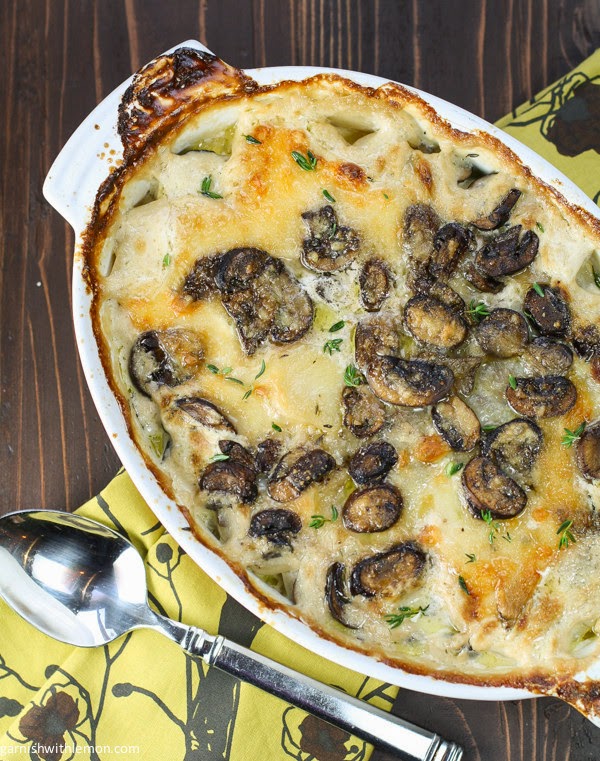
http://www.garnishwithlemon.com/provolone-mushroom-and-potato-gratin/

Cheesy potatoes get a whole new look with the addition of Provolone cheese, Portobello mushrooms and fresh thyme. Find the recipe here.

22. Roasted Sweet Potato & Black Lentil Salad


This roasted sweet potato and black lentil salad recipe is something easy to nosh throughout a meal or even while cooking! It's great served at room temperature and it’s vegan, simple and with the addition of scallions for sharpness and celery for crunch it makes a dish everyone will love.
[via BuzzFeed]

Wednesday, October 22, 2014

Beyond Pumpkin: 10 Other Fall Foods to Eat Right Now

Pumpkin gets all of the love when it comes to fall food, but fall flavors go way beyond that beautiful orange squash. Find these fall foods at your farmers market!

Don’t get me wrong. I love pumpkin and pumpkin spice. But you can’t live on pumpkin alone, as much as we all may want to.

Fall is such a bountiful season, and there are tons of delicious, seasonal fall foods that I could have listed below. The foods on this list are in season right now, and they’re some of my favorites to pile onto my plate. Cheers!

10 Fall Foods in Season Now


1. Arugula – Arugula gets a lot of love as a spring green, but you can also often find it at local markets in early fall. Pair bitter arugula with a bright lemon vinaigrette or try it on a sandwich in place of lettuce.


2. Eggplant – Eggplant's subtle and distinctive combination of textures and flavors - smooth, fleshy, creamy, smoky - make it a versatile and beguiling component of many great dishes. Try it in any of these vegan and vegetarian eggplant recipes.


3. Grapes – Grapes are in season now all over the U.S. and will stay in season until about December. See what types of grapes are available at your local market. You can eat them as-is, of course, or use them to make delicious food art.


4. Cabbage – Cabbage is the humblest of the uber healthy cruciferous vegetables. It’s affordable, healthy, and in season right this second! If you’re sick of slaw, try making your own fermented sauerkraut. It’s good on sandwiches, stirred into a bowl of stew, or on top of grain bowls.


5. Pecans – Snatch up those seasonal pecans now! Pecans are lovely stirred into oatmeal or baked in a pie, but you can also use them in recipes like these homemade chocolate energy bars.


6. Carrots – Pumpkins aren’t the only orange fall foods that deserve your attention. Early fall is peak carrot season. If you need a little carrot inspiration, try shredding them into a pan-full of carrot muffins.


7. Brussels Sprouts – People tend to love or hate these tiny cabbages, and I fall squarely onto the love end of the spectrum. Try roasting them up with olive oil and a touch of balsamic vinegar at 425F for about 45 minutes. Stir every 10-15  minutes until they’re soft and a little bit brown.


8. Potatoes – White potatoes don’t get a lot of attention, but I am a big potato fan. They’re filling, affordable, and surprisingly healthy. Bake ‘em, mash ‘em, or cook ‘em into fritters. If you want to replace the egg in that fritter recipe, just whisk 1 tablespoon flax meal into 3 tablespoons of water, and let it sit for about 5 minutes. Boom! Flax egg.


9. Turnips – As root veggies go, turnips don’t get the limelight too often, but I love them. If you’re sick of using turnips in soups and stews, try using them in place of radishes in this recipe. I have done it, and it was amazing.


10. Leeks – Adding sauteed leeks to any recipe somehow makes it instantly special. Leeks are one of those fall foods that seem expensive, but don’t have to be. A little goes a long way, so just grab one or two leeks instead of a whole, pricey bunch. If you need a little bit of help including seasonal leeks in your cooking, try one of these leek recipes.

Friday, March 1, 2013

16 Foods That Will Re-Grow from Kitchen Scraps


By Andy Whiteley, Co- Founder of Wake Up World

Looking for a healthy way to get more from your garden? Like to know your food is free of the pesticides and other nasties that are often sprayed on commercial crops? Re-growing food from your kitchen scraps is a good way to do it!
There’s nothing like eating your own homegrown veggies, and there are heaps of different foods that will re- grow from the scrap pieces that you’d normally throw out or put into your compost bin.
It’s fun. And very simple…if you know how to do it.
Just remember…the quality of the “parent” vegetable scrap will help to determine the quality of the re-growth. So, wherever possible, I recommend buying local organic produce, so you know your re-grown plants are fresh, healthy and free of chemical and genetic meddling.

Leeks, Scallions, Spring Onions and Fennel

You can either use the white root end of a vegetable that you have already cut, or buy a handful of new vegetables to use specifically for growing.
Simply place the white root end in a glass jar with a little water, and leave it in a sunny position. I keep mine in the kitchen window. The green leafy part of the plant will continue to shoot. When it’s time to cook, just snip off what you need from the green growth and leave the white root end in water to keep growing. Freshen up the water each week or so, and you’ll never have to buy them again.

Lemongrass

Lemongrass grows just like any other grass. To propagate it, place the root end (after you’ve cut the rest off) in a glass jar with a little water, and leave it in a sunny position.
Within a week or so, new growth will start to appear. Transplant your lemongrass into a pot and leave it in a sunny outdoor position. You can harvest your lemongrass when the stalks reach around a foot tall – just cut off what you need and leave the plant to keep growing.

Celery, Bok Choi, Romaine Lettuce & Cabbage

Similar to leeks, these vegetables will re-grow from the white root end. Cut the stalks off as you normally would, and place the root end in a shallow bowl of water – enough to cover the roots but not the top of your cutting. Place it in a sunny window position, occasionally spraying your cutting with water to keep the top moist.
After a few days, you should start to see roots and new leaves appear. After a week or so, transplant it into soil with just the leaves showing above the level of the soil. The plant will continue to grow, and within a few weeks it will sprout a whole new head.
Alternatively you can plant your cutting directly into soil (without starting the process in water) but you will need to keep the soil very moist for the first week until the new shoots start to appear.

Ginger

Ginger is very easy to re-grow. Simply plant a spare piece of ginger rhizome (the thick knobbly bit you cook with) in potting soil with the newest (ie. smallest) buds facing upward. Ginger enjoys filtered, not direct, sunlight in a warm moist environment.
Before long it will start to grow new shoots and roots. Once the plant is established and you’re ready to harvest, pull up the whole plant, roots and all. Remove a piece of the rhizome, and re-plant it to repeat the process.
Ginger also makes a very attractive house-plant, so if you don’t use a lot of ginger in your cooking you can still enjoy the lovely plant between harvests.

Potatoes

Re-growing potatoes is a great way to avoid waste, as you can re-grow potatoes from any old potato that has ‘eyes’ growing on it. Pick a potato that has robust eyes, and cut it into pieces around 2 inches square, ensuring each piece has at least one or two eyes. Leave the cut pieces to sit at room temperature for a day or two, which allows the cut areas to dry and callous over. This prevents the potato piece from rotting after you plant it, ensuring that the new shoots get the maximum nutrition from each potato piece.
Potato plants enjoy a high-nutrient environment, so it is best to turn compost through your soil before you plant them. Plant your potato pieces around 8 inches deep with the eye facing upward, and cover it with around 4 inches of soil, leaving the other 4 inches empty. As your plant begins to grow and more roots appear, add more soil. If your plant really takes off, mound more soil around the base of the plant to help support its growth.

Garlic

You can re-grow a plant from just a single clove – just plant it, root-end down, in a warm position with plenty of direct sunlight. The garlic will root itself and produce new shoots. Once established, cut back the shoots and the plant will put all its energy into producing a tasty big garlic bulb. And like ginger, you can repeat the process with your new bulb.

Onions

Onions are one of the easiest vegetables to propagate. Just cut off the root end of your onion, leaving a ½ inch of onion on the roots. Place it in a sunny position in your garden and cover the top with soil. Ensure the soil is kept moist. Onions prefer a warm sunny environment, so if you live in a colder climate, keep them in pots and move them indoors during frostier months.
As you use your home-grown onions, keep re-planting the root ends you cut off, and you’ll never need to buy onions again.

Sweet Potatoes

When planted, sweet potato will produce eye-shoots much like a potato. Bury all or part of a sweet potato under a thin layer of soil in a moist sunny location. New shoots will start to appear through the soil in a week or so. Once the shoots reach around four inches in height, remove them and re-plant them, allowing about 12 inches space between each plant. It will take around 4 months for your sweet potatoes to be ready. In the meantime, keep an eye out for slugs… they love sweet potatoes.
To propagate sweet potatoes, it is essential to use an organic source since most commercial growers spray their sweet potatoes to prevent them from shooting.

Mushroom

Mushrooms can be propagated from cuttings, but they’re one of the more difficult vegies to re-grow. They enjoy warm humidity and nutrient-rich soil, but have to compete with other fungus for survival in that environment. Although it is not their preferred climate, cooler environments give mushrooms a better chance of winning the race against other fungi.
Prepare a mix of soil and compost in a pot (not in the ground) so your re-growth is portable and you can control the temperature of your mushroom. I have found most success with a warm filtered light during the day and a cool temperature at night. Just remove the head of the mushroom and plant the stalk in the soil, leaving just the top exposed. In the right conditions, the base will grow a whole new head. (In my experience, you’ll know fairly quickly if your mushroom has taken to the soil as it will either start to grow or start to rot in the first few days).

Pineapple

To re-grow pineapples, you need to remove the green leafy piece at the top and ensure that no fruit remains attached. Either hold the crown firmly by the leaves and twist the stalk out, or you can cut the top off the pineapple and remove the remaining fruit flesh with a knife (otherwise it will rot after planting and may kill your plant). Carefully slice small, horizontal sections from the bottom of the crown until you see root buds (the small circles on the flat base of the stalk). Remove the bottom few layers of leaves leaving about an inch base at the bottom of the stalk.
Plant your pineapple crown in a warm and well drained environment. Water your plant regularly at first, reducing to weekly watering once the plant is established. You will see growth in the first few months but it will take around 2-3 years before you are eating your own home-grown pineapples.

And one for the kids….. ‘Pet’ Carrot Tops!!

I call this a ‘pet’ because the plant that re-grows from planting a carrot top will NOT produce edible carrots, only a new carrot plant. The vegetable itself is a taproot which can’t re-grow once it has been removed from the plant. But it makes an attractive flowering plant for the kitchen, and they’re easy and lots of fun to grow…for kids of all ages!
Cut the top off your carrot, leaving about an inch of vegetable at the root. Stick toothpicks into the sides of the carrot stump and balance it in a glass or jar. Fill the glass with water so that the level reaches the bottom of the cutting. Leave the glass in filtered, not direct, sunlight and ensure water is topped up to keep the bottom of your cutting wet. You’ll see roots sprout in a few days, and you can transplant your ‘pet’ carrot into soil after a week or so.
Your success re-growing lovely fresh vegies from scrap may vary, depending on your climate, the season, soil quality and sunlight available in your home or garden. And some vegies just propagate easier than others do. In my experience, a bit of trial and error is required, so don’t be afraid to do some experimenting. Get your hands dirty. It’s lots of fun! And there’s nothing like eating your own home-grown veggies.