Showing posts with label Thanksgiving. Show all posts

Monday, November 24, 2014

10 Ways to Reduce Your Carbon Footprint This Thanksgiving


Thanksgiving is a favorite holiday for many. It's a time to eat, indulge and spend uninterrupted time with family. It's also a time for reflection. A time to think about what we're thankful for and a time to think about how the choices we make impact our families and the planet.

Although every day provides an opportunity for reflection and change, Thanksgiving stands out as the perfect day to kick off a few new habits that will effect the longevity of our planet. If each of us revamped our consumption and waste habits by slightly adjusting what's already in place, the overall impact could be huge.

Here are a few tips for the Thanksgiving holiday that will reduce our carbon footprint and help keep the planet healthy for generations to come.

1. Shop Local

Shop locally this Thanksgiving and lend your support to the little local business rather than the big box stores. Go for holiday supplies that don't need to travel far to get to your Thanksgiving table.

2. Buy Organic

Organic food typically requires 30-50 percent less energy during production than its conventional counterpart. Make the shift this Thanksgiving to a table with more organic food choices. Knowing that your food isn't sprayed with pesticides, chemicals or GMOs is enough reason to incorporate organic foods into your menu.

3. Turn the Heat Down

Watch your home heat up on its own as your Thanksgiving guests arrive and as the oven is turned on to warm the food. Rather than opening windows to cool off the space, remember to set the thermostat a few degrees lower before the celebration begins.

4. Don't Use Disposables

Make the switch to reusable napkins, skip the paper towels and pull out the good dishes this Thanksgiving. It's a bit more effort at the end of the evening, but it's worth it. Each person in the United States uses 749 pounds (340kg) of paper every year. According to the Natural Resources Defense Council, the pulp and paper industry may contribute to more global and local environmental problems than any other industry in the world. The industry is the third largest industrial emitter of global warming pollution.

5. Reduce the Amount You Buy

Reducing is the first of the 3 Rs: reduce, reuse and recycle. When planning your Thanksgiving celebration, try making some slight alterations to your shopping list. Give some extra thought as to whether or not you truly need those items on your list and reduce the amount of food and decorations if possible.

6. Compost Table Scraps

Did you know that a typical household throws away an estimated 474 pounds of food waste each year? That means about 1.5 lbs. per person a day in the United States. Food scraps generated by all households in the U.S. could be piled on a football field more than five miles (26,400 feet) high. Compost those vegetable scraps and watch your garden thrive.

7. Fill Your Dishwasher Before Running

Fill your dishwasher to capacity before running a cycle. You'll end up saving water, energy and detergent.

8. Green Your Turkey

A Cornell study shows it takes 14 units of fossil fuel to produce a serving of turkey. If you're planning to have turkey, try to make it a little greener by purchasing it from a local market or farm. If the turkey is traveling a long distance to get to your table, that's adding to your carbon footprint. Best option -- skip the turkey!

9. Clean with Non-Toxic Cleaners

Make the switch to non-toxic cleaning products. When making the switch to green cleaning products, replace products you're currently using as they run out with a safer version. Take the time to research safer, non-toxic products and then make the switch.

10. Stay Local

According to USA Today, it's predicted that 24.6 million passengers will fly on U.S. airlines domestically and internationally between November 21 and December 2 this year. That's a 1.5 percent increase from last year, or 31,000 more passengers on average a day. For many of us, traveling is a long-standing tradition and needed to visit with our family. Use this handy calculator from The Nature Conservancy to help you calculate the amount of carbon you emit and offer ways of offsetting those emissions.

If your plan is to drive, make sure your tires are fully inflated and your car has been properly serviced. This will help reduce your carbon emissions and improve your gas mileage.


Monday, November 17, 2014

22 Delicious Meatless Main Dishes To Make For Thanksgiving


1. Stuffed Butternut Squash

http://www.picklesnhoney.com/2014/11/10/stuffed-butternut-squash-eat-clean-live-well/

With a simple and nourishing ingredient list, this dish manages to be packed with flavor (one of the many benefits of eating in-season). It also happens to be a very pretty dish that would make a deliciously satisfying addition to your Thanksgiving table. Recipe here.

2. Mediterranean Baked Sweet Potatoes

http://minimalistbaker.com/mediterranean-baked-sweet-potatoes/?crlt.pid=camp.nVHYRwMaW0Hn

The concept is simple:

Baked sweet potatoes – cut in half to shorten cooking time
Seasoned, roasted chickpeas
Garlic-herb sauce
Parsley-tomato salad for garnish

The result is a 30-minute lunch or dinner that’s both satisfying, savory and sweet, and seriously healthy. Grab the recipe here and if you already have sweet potatoes on the menu? Make something similar with eggplant.

3. Grilled Chipotle Lime Cauliflower Steaks

http://www.thekitchn.com/recipe-chipotle-lime-grilled-cauliflower-steaks-recipes-from-the-kitchn-204490

These cauliflower "steaks" demonstrate that more than almost anything else we've grilled; their tongue-in-cheek name is a good indicator of how satisfying a centerpiece they make on any table. They're smoky and spicy, with a squirt of lime and flurry of cilantro. Get the spicy recipe here.

4. Potato and Green Garlic Crustless Quiche with Goat Cheese, Gruyère, and Chives

http://www.bojongourmet.com/2014/03/potato-and-green-garlic-crustless.html

The quiche recipe is quite simple: cook up some vegetables, whip up a batter of eggs, milk, and flour, combine the two and add some cheese, bake, and voilà. Brunch. (Or lunch. Or dinner. Or all of the above.) Try the recipe yourself here.

5. Roasted Vegetable Galette

http://www.cookyourdream.com/2011/03/roasted-vegetable-galette.html

This savory galette is a wonderful lunch or snack for those who still wait for warm days. It's full of flavors and vitamins that we so much need during a long cold winter. Find the recipe here.

6. Roasted Fall Vegetable and Ricotta Pizza

http://www.marthastewart.com/313662/roasted-fall-vegetable-and-ricotta-pizza

Such an inventive way to get nutrients without feeling deprived! Also a great day-after-Thanksgiving treat. Snag the delicious, easy recipe here.

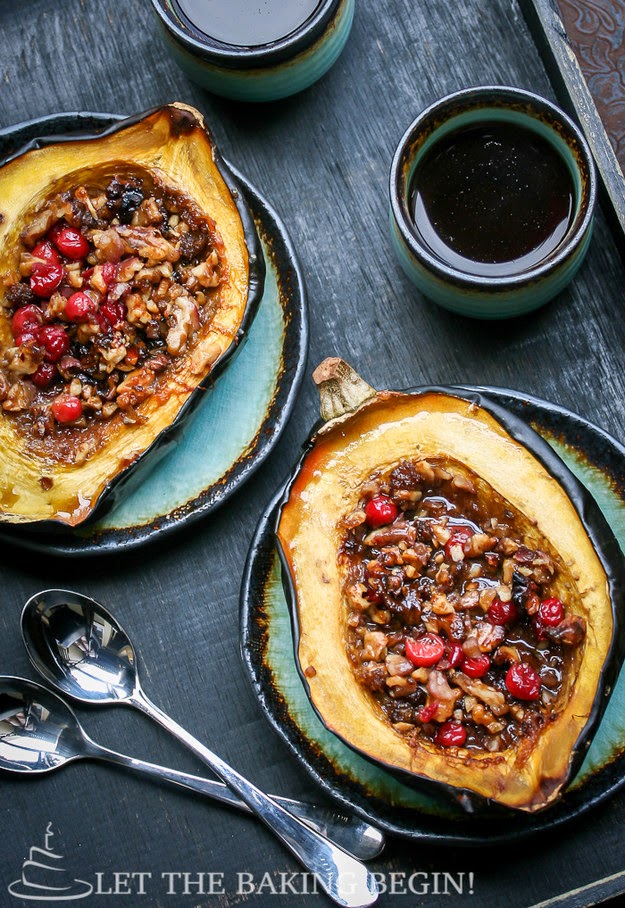
7. Acorn Squash with Walnuts & Cranberry

http://letthebakingbeginblog.com/2012/10/acorn-squash-with-walnuts-cranberry/

What says “fall” better than pumpkins and squash? They come in such a huge variety of colors, shapes and flavors these days! The addition of walnuts gives you an added boost of healthy oils, which are good for your cardiac health and help you lower cholesterol. Seriously, do you need more convincing? Try the recipe out here.

8. Roasted Cauliflower, Mushroom and Goat Cheese Quiche with Quinoa Crust


The cauliflower and mushroom combo works amazingly well in this quiche and now you can enjoy the favorite combo for breakfast lunch and dinner! Enjoy the recipe here.

9. Chili Polenta Pie

http://potluck.ohmyveggies.com/chili-polenta-pot-pie-2-ways/

Do you need a "pot pie challenge"? Cause this is the recipe for you.

10. Vegan Mushroom, Chestnut & Cranberry Tart

http://www.jamieoliver.com/recipes/vegetables-recipes/vegan-mushroom-chestnut-cranberry-tart/


This tart is perfect for holidays – make it the day before and heat through once dinner’s nearly ready. If you can’t get wild mushrooms, use more chestnut ones. Try it out this year!

11. Roasted Brussels Sprouts and Crispy Baked Tofu with Honey-Sesame Glaze

http://cookieandkate.com/2014/roasted-brussels-sprouts-and-crispy-baked-tofu-with-honey-sesame-glaze/

Tender, caramelized brussels sprouts with extra crispy tofu and brown rice, topped with an irresistible sweet-and-spicy glaze. This meal requires some prep work, but once you're ready, you can cook the rice, sprouts and tofu in about 30 minutes, while making the glaze in the meantime. For a simple side dish, roast 2+ pounds of sprouts and skip the rice and tofu. Find the recipe here.

12. “Ricotta” Stuffed Cabbage

http://www.loveandlemons.com/2014/03/02/ricotta-stuffed-cabbage/

This is the gluten free solution stuffed shells. You’ll notice this recipe also pasta-free but trust me – this “cheesy” cashew filling – tastes just as indulgent.

13. Roasted Eggplant with Cilantro-Almond Salsa


Serve this amazing eggplant with couscous, topped with a dollop of yogurt and a spoonful of salsa. Yummmmm! Try this recipe here.

14. Vegan Lentil & Sweet Potato Shepherd’s Pie

http://www.oneingredientchef.com/sweet-potato-shepherds-pie/

Forget the traditional style shepherd's pie and instead opt for this recipe on stuffed with deliciously seasoned lentils and veggies, and topped with a gorgeous, vitamin-packed sweet potato mash. It’s every bit as delicious as the original, but low in fat and high in protein, fiber, and nutrients. This shepherd’s pie is the perfect simple, economical, hearty dinner that the whole family will love.

15. Butternut Squash Alfredo Baked Shells

http://www.gimmesomeoven.com/butternut-squash-alfredo-baked-shells-recipe/

This Butternut Squash Alfredo Stuffed Shells recipe is made with a lighter alfredo sauce, and is perfectly sweet, savory, and delicious!

16. Autumn Root Vegetable Gratin with Herbs and Cheese


This classic dish, other than its near universal appeal, is that it is deceptively simple to make relative to its beauty. Plus, you can probably make it with what you have in your fridge and pantry right now. Try it out now!

17. Mushroom, Spinach and Scallion Tart


This vibrant recipe includes spinach leaves intermingle with roasted mushrooms in a light-as-air (and easy-to-assemble) phyllo shell. The custard-like filling comes together quickly in a blender.

18. Stuffed Portobello Mushrooms with Crispy Goat Cheese

http://www.bloggingoverthyme.com/2014/06/06/stuffed-portobello-mushrooms-with-crispy-goat-cheese/

The portobellos are lightly grilled and topped with a chunky homemade tomato sauce, sautéed spinach and shallot mixture, soft goat cheese, and topped with a crispy breadcrumb topping. They're hearty enough to be served on their own, with a simple salad or grain (such as quinoa or pasta!), or as a side dish. Try serving this recipe at the table.

19. Vegetarian Wellington with Seitan, Roasted Mushroom & Kale

http://www.veggiebelly.com/2013/11/vegetarian-wellington-recipe.html

Make this vegetarian wellington recipe for Thanksgiving and the turkeys of America will love you! And so will your guests. This welling is a puff pastry wrapping, stuffed with orange and fennel seed braised seitan, thyme roasted mushrooms and kale. All served with the best vegetarian gravy ever! 

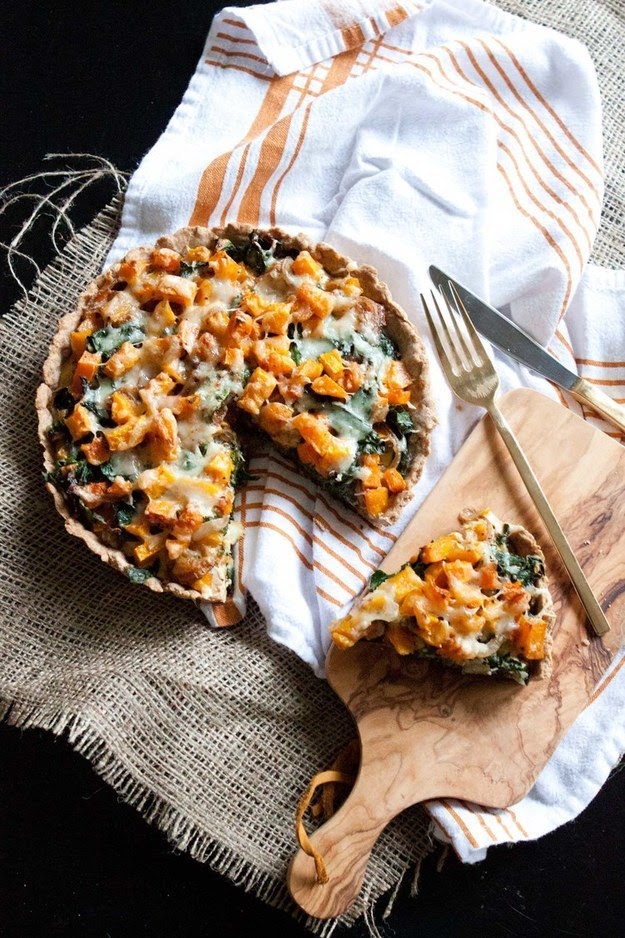
20. Butternut Squash-Kale Tart

http://passportsandpancakes.com/blog/2013/9/4/butternut-squash-kale-tart

Embrace the flavor of a sweet butternut squash with open arms and into a delicious tart mixed with kale and grated Gruyere. Try this recipe out this Thanksgiving.

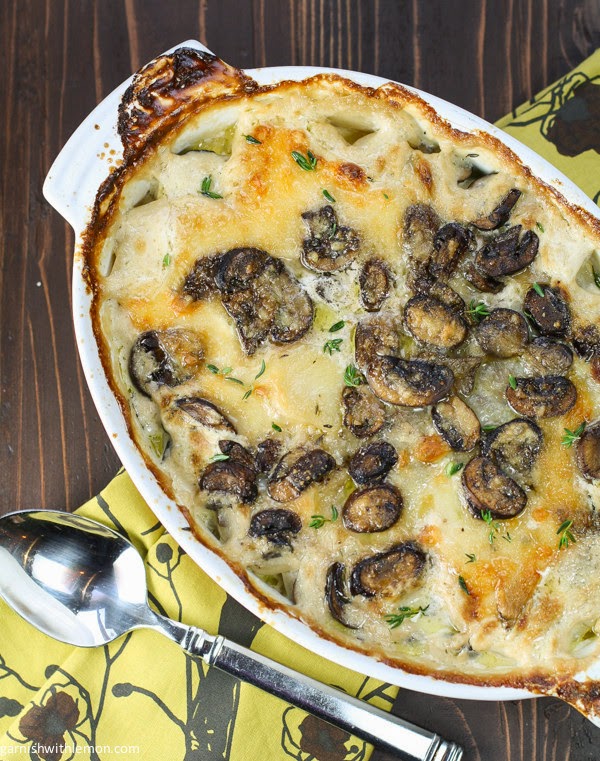
21. Provolone and Mushroom Gratin

http://www.garnishwithlemon.com/provolone-mushroom-and-potato-gratin/

Cheesy potatoes get a whole new look with the addition of Provolone cheese, Portobello mushrooms and fresh thyme. Find the recipe here.

22. Roasted Sweet Potato & Black Lentil Salad


This roasted sweet potato and black lentil salad recipe is something easy to nosh throughout a meal or even while cooking! It's great served at room temperature and it’s vegan, simple and with the addition of scallions for sharpness and celery for crunch it makes a dish everyone will love.
[via BuzzFeed]

Tuesday, November 4, 2014

10 Organic Thanksgiving Recipes

It’s the ultimate foodie day: Thanksgiving! But here’s something we’re not thankful for: Many traditional Thanksgiving staples, such as cranberries, green beans, sweet potatoes, and leafy greens, rank among the top foods at risk for toxic pesticide residue, according to The Organic Center's new Dietary Risk Index. Make this year’s Thanksgiving your healthiest yet with organic foods, free from pesticides, GMOs, hormones, and antibiotics.

“The only real way to protect your family from [the risk of toxic pesticide residue] is to purchase organic foods, particularly those fruits and vegetables that pose the greatest risk," says The Organic Center board member Sara Snow. “The Dietary Risk Index makes it easy by clearly listing which foods those are.”

Show your love by buying as many organic ingredients as you can and using them in these delectable recipes. “By preparing an organic Thanksgiving, you’ll be providing your family with nutritious food that’s both good for you and for the planet,” says Snow.

http://deliciousliving.com/recipes/roast-turkey-sage

Roast Turkey with Sage

A gorgeous centerpiece entree (see full turkey on previous frame). Look for organic and heritage turkeys, which are raised without hormones, antibiotics, or additives. View recipe.

http://deliciousliving.com/recipes/herbed-bread-and-vegetable-stuffing-0


Herbed Bread and Vegetable Stuffing

This vegetable-studded stuffing adds flavor and nutrients to a typically bread-heavy dish. Use organic, sprouted bread for even more texture. View recipe.

http://deliciousliving.com/food/fresh-spinach-artichoke-baked-dip

Fresh Spinach-Artichoke Baked Dip

Enjoy this lightened version of the classic artichoke dip appetizer—and be sure to use organic spinach. View recipe.
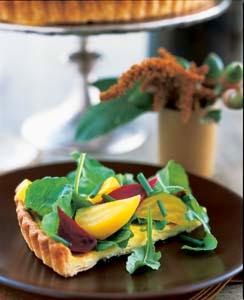
http://deliciousliving.com/recipes/goat-cheese-tart-marinated-beets-and-arugula-0

Goat Cheese Tart with Marinated Beets and Arugula

Conventionally grown beets are often genetically modified (GMO); avoid this by buying organic beets for this lovely, light appetizer or starter course. View recipe.

http://deliciousliving.com/recipes/parsnip-and-fennel-pur-e-0

Parsnip and Fennel Puree

It's not Thanksgiving without some version of mashed potatoes! This sophisticated version adds natural sweetness with organic parsnips and fennel. View recipe.

http://deliciousliving.com/recipes/kibbeh-apples-walnuts-and-feta-0

Kibbeh with Apples, Walnuts, and Feta

This vegetarian, Mediterranean-inspired entree will please everyone at the table; you can also make it one day ahead. To avoid rBGH, use organic yogurt for the delicious, dill-infused sauce. View recipe.

http://deliciousliving.com/recipes/cranberry-pomegranate-relish

Cranberry-Pomegranate Relish

Easy and tangy, this refreshing cranberry relish features organic orange peel for a bright finish. View recipe.

http://deliciousliving.com/recipes/apple-cranberry-lattice-pie

Apple-Cranberry Lattice Pie

Organic apples, an early symbol of the organic movement, combine beautifully with lemon and cranberries in this seasonal dessert. View recipe.

http://deliciousliving.com/recipes/fig-pie

Fig Pie

This novel, savory-sweet dessert features juicy, fresh figs; it's wonderful paired with fresh goat cheese. View recipe.

http://deliciousliving.com/recipes/cranberry-squash-pie-1

Cranberry Squash Pie

An Ayurvedic-inspired finale to your organic feast; the ingredients promote peacefulness because they're free of caffeine and strong spices. View recipe.

Wednesday, November 27, 2013

10 Tips for the Perfect Pumpkin Pie

Creamy, pumpkin-y goodness and a buttery, flaky crust all topped with whipped cream. If there is one dessert that you can't have Thanksgiving without, it's pumpkin pie. With these 10 tips you will have no problem perfecting this holiday staple!

1. Use freshly grated nutmeg

The little jar of "Pumpkin Pie Spice" is easy and convenient, but a few extra moments of measuring fresh spices will make all the difference. Cinnamon, all spice, ginger and cloves are all key, but the real secret is freshly grated nutmeg.

2. Make your own crust

You can't rival a homemade crust. Find a trusted recipe (like this vegan one here) and get our your pastry cutter.

3. Don't forget the egg wash

To get a golden brown shine on your pumpkin pie crust, don't forget the egg wash. Whisk an egg with a pinch of salt and lightly brush the crust with it for a perfect crust.

4. Pre-bake the crust

Before pouring in the pie filling, bake the crust for a few minutes in a pre-heated oven. This will help avoid ending up with a soggy crust.

5. Use part dark brown sugar

Brown sugar has a more intense flavor than white sugar, so if you like a richer pie try using half white and half brown sugar.

6. Roast and puree your own pumpkin

Making your own pumpkin puree is a little time consuming, but totally worth it. Some recipes call for steaming or baking the pumpkin, but we prefer roasting. Roasting brings out the natural sweetness of vegetables and leaves the pumpkin with less water content - making a concentrated and flavorful puree.

7. Strain your filling

For a creamy and smooth texture, run the filling through a fine mesh strainer.

8. Don't Use Pumpkin

Let's be honest, on its own, pumpkin isn't the most flavorful vegetable out there. Try substituting a third to half of the pumpkin for candied yams, butternut squash, or sweet potato for a sweeter and more flavorful pie.

9. Always preheat the oven

For an evenly cooked pie with a flaky crust and good texture, always preheat your oven before baking!

10. Use real whipped cream

Do you know what the ingredients are in non-dairy whipped cream? Water, hydrogenated vegetable oil, high fructose corn syrup, corn syrup, skim milk, light cream, sodium caseinate, polysorbate 60 and sorbitan monostearate are all ingredients in store-bought whipped topping. The ingredients in homemade whipped cream? Cream, sugar.

Just do it.
[via Plated]

Tuesday, November 26, 2013

9 Reasons to Think Twice About Your Holiday Turkey

With Thanksgiving days away, U.S. turkey growers are probably relieved that no arsenic, salmonella or cruelty stories have surfaced like they have other years. But that doesn't mean the turkey on your holiday table is exactly wholesome. In fact, the chemicals, food additives and extreme production methods used to deliver the nation's plump, affordable turkeys just in time for Thanksgiving are enough to make you lose your appetite.

Resistant Salmonella and Other Superbugs

Two years ago, huge recalls of salmonella-contaminated ground turkey from Cargill and Jennie-O/Hormel sickened many, and one person died. While the food giants say they have cleaned up their acts, that's not what Consumer Reports found in March. Five percent of 257 samples of raw ground turkey that was bought at grocery stores around the country and tested harbored salmonella, 67 percent of which was resistant to more than one antibiotic. The government itself admitted that 81 percent of ground turkey it tested is contaminated with antibiotic-resistant bacteria. The superbugs result from the routine use of human antibiotics on commercial U.S. farms so operators can grow the animals faster and with less feed. Seventy percent of the farm antibiotics are not for sick animals but to maximize profits and prevent infections.

Antibiotics

The U.S. turkey industry doesn't try to hide the stew of antibiotics it depends on for cheap turkeys -- it brags about them. "The increased costs to raise turkeys without antibiotics is real," said the National Turkey Federation's Michael Rybolt at Capitol Hill antibiotics hearings in 2008. "Today at retail outlets here in the D.C. market, a conventionally-raised turkey costs $1.29 per pound. A similar whole turkey that was produced without antibiotics costs $2.29 per pound. With the average consumer purchasing a 15-pound whole turkey, that would mean there would be $15 tacked on to their grocery bill." Antibiotics are also green. Without them, more land would be needed to grow crops because the birds would eat more -- requiring 175,550 more tons of feed and causing "an increase in manure," said Rybolt. More land would also be required from the "decrease in density" because the birds couldn't be squeezed together the way they are now.

Clostridium difficile or "C Diff"

Have you ever heard of C. difficile? If not, you're lucky. It is an intestinal bacteria that it increasingly antibiotic-resistant, consigning thousands of Americans in health care settings and the community to a life or chronic pain, diarrhea and expensive treatments. (C. Diff is why "fecal transplants" are in the news these days. They are thought to replenish intestinal bacteria.) Glenn Songer, Ph.D., of Iowa State University College of Veterinary Medicine in Ames, says 40 percent of beef, pork and turkey products tested had the C. diff strains found in humans, raising the possibility of a food-borne source for human illnesses. C. Diff "has been isolated from retail pork, turkey and beef products and reported associated with human illness," says an February article in the Journal of Food Protection. It was found in 44 percent of U.S. turkey products tested, says Food Poison Journal.

Human Drugs... and Drinks

This month the Associated Press reported that some U.S. turkeys are being fed beer to make them "fatter, more flavorful and juicier." After drinking the alcohol, one bird "appeared rather dazed, with eyes narrowed to slits and beer dribbling out of its beak," reported AP. Imbibing birds may sound innocuous or funny, but other human fare turkeys are given is not as amusing. Researchers at the Johns Hopkins Bloomberg School of Public Health and Arizona State University examined feather meal from U.S. chickens and turkeys and found traces of the pain reliever acetaminophen (the active ingredient in Tylenol), the antihistamine diphenhydramine (the active ingredient in Benadryl) and the antidepressant fluoxetine (the active ingredient in Prozac). Turkey producers are even looking at giving turkeys statins like Zocor.

Arsenic and Other Feed Additives

Like antibiotics, arsenic has been routinely used in turkey and other livestock feed to prevent disease, increase feed efficiency and promote growth. Last month, the FDA announced it was rescinding three of four arsenic products that few knew were used in turkey production anyway. One drug, Nitarsone, is still in use, though, for the "first six weeks of a turkey's 20-week life span" says the National Turkey Federation, to treat a disease called histomoniasis. In fact, the Code of Federal Regulations for turkey drugs reveals a long list of permitted drugs with long names that don't make you want to reach for the cranberry sauce. Halofuginone, given to turkeys to kill pathogens, "is toxic to fish and aquatic life" and "an irritant to eyes and skin," says the Federal Code. "Avoid contact with skin, eyes, or clothing" and "Keep out of lakes, ponds, and streams." Bon appetit.

Diseases From Fast Growth Production

Food risks in turkey don't just happen. They come from drugs and contaminants used by turkey growers to produce the maximum amount of fat turkeys with as little feed as possible in as little time as possible. The chemically-induced fast growth puts turkeys at risk for "sudden death from cardiac problems and aortic rupture," (diagnosed by the presence of large clots of blood around the turkey's lungs) hypertensive angiopathy and pulmonary edema. Growth drugs in turkeys may also "result in leg weakness or paralysis," says the Federal Code, a side effect that a turkey slaughterhouse worker at the House of Raeford, in Raeford, NC reported firsthand. Turkeys arrive with legs broken, dislocated and limp, he told the press. Slowing the rapid growth by reducing the excessive energy and protein in the turkeys' diets strengthens their bones, say poultry scientists -- something most turkey growers don't want to hear or do.

More Diseases From Fast Growth Production

Turkeys do not just arrive at the slaughterhouse with broken legs. According to veterinary journals, they are also likely to arrive with painful footpad lesions, swelling and dermatitis, deviated toes, arthritis, feathering picking and breast blisters. "Overcrowding, aggressive birds, poor-wet litter, decreased down time, a contaminated environment including feed and water, poor hygienic conditions, and contaminated vaccines and vaccine equipment" also produce the new emerging turkey diseases of Clostridial dermatitis and cellulitis.

"The disease is characterized by reddish to dark or greenish discoloration of the skin around the thighs, abdomen, keel, tail region, back, and wings," says another veterinary journal.

"The lesions can extend into the underlying muscles, and there can be gas bubbles under the skin which result in crepitation. Some cases present with dead birds having 'bubbly tail,' fluid-filled blisters associated with broken feather follicles around the base of the tail."

Pass the gravy.

Degraded Meat Quality From Fast Growth Production

"In response to high consumer demand, turkeys have been intensively selected for rapid growth rate and breast muscle mass and conformation," begins another disturbing article in a veterinary journal. "The success in breeding selection has coincided with an increasing incidence of pale, soft and exudative (PSE) meat defect, especially in response to heat stress." (A similar defect called PSE, Pale, Soft, Exudative, is seen in mass produced pork which affects marketability.) Ractopamine, the asthma-like growth enhancer marketed as Topmax in turkey, also changes the quality of meat, according to its manufacturer's own data. Turkey meat produced with ractopamine has "alterations" in muscle such as a "mononuclear cell infiltrate and myofiber degeneration," says drug information from Elanco, on which the drug was approved. There was "an increase in the incidence of cysts," and differences, some "significant," in the weight of organs like hearts, kidneys and livers. Yum.

Cruelty

If you think of Butterball as a trusted name that operates a help line for Thanksgiving Day cooks, then the turkey giant has succeeded at its PR job. Less than a year ago, workers at Butterball turkey operations in North Carolina were videotaped kicking and stomping birds, dragging them by their wings and necks and slamming them into tiny transport crates. It was a year after Butterball workers were charged with criminal cruelty for the same actions! Who can say incorrigible? Butterball is "taking steps to help ensure that all new and existing associates have a clear understanding of our animal well-being policies," said Butterball CEO Rod Brenneman after the first offenses. Maybe employees don't know they aren't supposed to kick, drag and bash birds. After the second offenses, Butterball launched a audacious radio campaign about its convenient holiday help line with no mention of the criminal abuse. Twenty percent of U.S. turkeys on the Thanksgiving table come from Butterball, but it is hardly the only abuser. Shocking cruelty has also been documented at Aviagen Turkeys in West Virginia and House of Raeford in North Carolina.

Monday, November 25, 2013

Vegan Pumpkin Pie

Sweet & Salty Spiced Pecan Crust (Gluten-free)


Absolutely worth every calorie and then some! It’s a bit sweet, buttery, lightly spiced with cinnamon, and enhanced with a bit of salt to bring out the flavors. This crust goes so nicely with the pumpkin pie filling! This crust is very sensitive to changes, so I caution against changing things in the recipe.

Ingredients: (for 9 inch pie)
  • 1 cup GF certified rolled oats, processed into a fine flour OR 1 cup GF oat flour
  • 2 cups raw pecans
  • 2 tbsp sugar
  • 3 tbsp ground flax
  • 1 tsp ground cinnamon
  • 1/2 tsp kosher salt
  • 1/4 cup brown rice syrup (acts as the binder, honey may work if you prefer that)
  • 1 tbsp coconut oil or Melt Buttery Spread
For the directions and to print the full recipe (including filling) recipe, click here.

The pecans need to be ground very finely until they release their oils and start sticking to the side of the machine (this took me 35 secs exactly in my processor, fyi). You should be able to form a ball with the pecans. If you don’t process the pecans enough the crust will be too dry. With that being said, you don’t want to make pecan butter either!


After mixing all the ingredients, the dough should be a bit sticky like this:


You should be able to form a big ball with it. If it’s too dry, add a touch more melted Melt Buttery Spread, a teaspoon at a time.

Crumble it into a greased pie dish:


Press down and outward to form the crust (press firmly!) and pre-bake for 10-12 mins at 350F. Cool for 10 mins before scooping in filling and baking. Make sure you let the pie chill for at least a few hours in the fridge before carefully slicing with a sharp knife.


This pie crust also makes the house smell divine. Mmm. For the full recipe (including filling) to print, click here.


Thursday, November 21, 2013

Your Organic Thanksgiving

Truly appreciate the earth’s bounty this year: Make your meal organic.


Thanksgiving began as a harvest festival—a celebration and appreciation of the earth's bounty. 
Now it's easier than ever to honor that tradition with an organic, authentic, and delicious Thanksgiving feast.

Look for local sources for your ingredients.


Go to farmers' markets and farm stands, or at least a grocer that buys from local farmers. 
When you buy from a local producer, you get the freshest food, which tastes best and is most nutritious. 
And buying locally saves on energy (less used to package and transport the food to you). 
Last but not least, when you support your local farmers you help them to stay in business, preserving invaluable open spaces in your area.
 To find local resources nearest you, visit the All Organic Links and you can search by category.

Eat what's in season where you live.


The original Thanksgiving feast included some of the foods we eat today, like pumpkins and turkey (or at least wild fowl of various kinds), because they were abundant and in season in New England at that time. 
Try to include in your Thanksgiving feast what's in season where you live. 
The freshest and best-tasting food always is what's in season. 
The Natural Resources Defense Council has created a handy look-up so you can see what's in season in your state.

Ask for an organic or free-range turkey.


Most of us today eat farm-raised rather than wild turkey on Thanksgiving. 
Get an organic turkey, which is raised with access to fresh air and fed a healthy, all-natural diet, which the latest research shows make them more nutritious than factory-raised meat. 
You can get organic or free-range turkeys from local farmers and at many grocery stores. 
If you can't find one, you still have time to buy one online and have it shipped to you.

Try these sources:

Jaindl's Farms

Diamond Organics
Applegate Farms

Use nondisposable or compostable dishes.


When it comes to dishes and utensils, the most eco-friendly are those you can wash and reuse when the feast is done. 
But if you must use disposable ones, look for those made of recycled or biodegradable materials, like corn or sugarcane, rather than one-time-use plastic.

Give thanks.


We have so much to be thankful for in this country, especially for the abundance of food and the chance to choose where and how we get it. 
You can show your gratitude and enjoy your best and most satisfying Thanksgiving ever when you buy organic and local.