Showing posts with label fruit. Show all posts

Thursday, July 23, 2015

7 Homemade Ice Pops That Go Beyond Juice

It's time to break out that ice pop mold!

Do you own an ice pop mold? Maybe you bought it for a special recipe once and now it's just taking up space in your cupboard? Now's the time to pull it out. It's hot out. And nothing beats the heat like something frozen.

I'm guessing that the reason you're not using your ice pop mold very often is because you think you need to follow specific ice pop recipes to use it, and lack of time or lack of ingredients is getting in the way. I get it, I've been there. Epicurious has a lot of crowd-pleasing recipes if you want them, but the great thing about an ice pop mold is that you don't need to follow a recipe to use it.

A lot of ingredients that you probably already have in your fridge or pantry can be frozen into perfectly satisfying ice pops—and they don't necessarily need to be sweet. You also don't need to use every mold at the same time or for the same thing: fill each mold with something different and your freezer will suddenly become more exciting than any variety pack you can buy in the ice cream aisle.

Here's some of my favorite things to pour into my ice pop molds:

Coffee and Tea

Next time you make iced coffee or iced tea, make extra and pour it into an ice pop mold. Add a little milk and maybe even some sweetener, and you'll be able to get your caffeine fix in a totally refreshing and unexpected fun new way.

Yogurt

Turn your favorite breakfast yogurt parfait into an ice pop. Stir together some yogurt and jam or fresh fruit and even granola and pour it into ice pop molds.

Smoothies

Any kind of smoothie will also make a great ice pop. Any morning you're making a smoothie, just pour a little bit off into an ice pop mold and you'll have a healthy frozen treat to enjoy in the afternoon or after dinner.

Pudding

If you ever find yourself with leftover pudding, spoon it into ice pop molds and freeze it into a decadent frozen dessert on a stick. Or make (or buy) a batch of pudding just for the purpose of turning it into ice pops—rice pudding pops are surprisingly addictive, and chocolate pudding pops will remind you of the Fudgsicles you grew up with.

Ice Cream

Make your own ice cream bars by softening any kind of ice cream you like, mixing in some fruit, candy, nuts, cookie chunks, jam, chocolate sauce, peanut butter, or what have you, and spooning it into ice pop molds. Be sure to pack them in firmly so they re-freezes in a solid form. Once they're frozen, you can get even more crazy and unmold them, dip them in melted chocolate and re-freeze for chocolate-coated ice cream bars.

Cocktails and Wine

On the hottest summer evening, wouldn't it be nice to nibble a frozen cocktail rather than drink one? Your favorite cocktails can easily turn into ice pops, so long as there is enough water or juice or non-alcoholic liquid in the mix to help them freeze. Wine ice pops are amazing too, and a great way to preserve any wine remaining in a bottle you opened but can't finish. Just mix that wine with some juice or water (use at least equal parts wine and non-alcoholic liquid) and maybe some fresh fruit and freeze it in your ice pop molds.

Water

An ice pop mold is basically a huge ice cube tray that you can put sticks in. But you don't have to put sticks in it. These extra-large ice cubes are especially good for serving a cocktails in pitchers or punch bowls. For an eye-catching touch, tuck a few sprigs of fresh herbs or edible flower petals into each mold before you fill it with water, or add whole berries or slices of fruit.

[via Epicurious]

Wednesday, April 8, 2015

12 Fruits and Veggies You Should Avoid (If Buying Non-Organic)

Contrary to the old adage, an apple a day may not keep the doctor away. According to the Environmental Working Group’s (EWG) 2015 Shopper’s Guide to Pesticides in Produce, apples topped the list as the most pesticide-contaminated produce for the fifth year in a row. Peaches and nectarines round out the top three “dirtiest” foods while avocados, sweet corn and pineapples are among the cleanest. EWG’s annual Dirty Dozen and Clean Fifteen lists rank fruits and vegetables according to pesticide residue levels reported by the U.S. Department of Agriculture (USDA).


Despite growing consumer demand for pesticide-free fruits and vegetables evident in increased organic food sales, pesticides were found on nearly two-thirds of the 3,015 produce samples tested by the USDA, even in some cases after they had been washed and peeled.

“The bottom line is people do not want to eat pesticides with their fruits and vegetables,” said Ken Cook, EWG’s president and cofounder. “That’s why we will continue telling shoppers about agricultural chemicals that turn up on their produce, and we hope we will inform, and ultimately, empower them to eat cleaner.”

165 different pesticides were identified on the USDA food samples with 99 percent of apples, 98 percent of peaches and 97 percent of nectarines testing positive for at least one residue. Cherry tomatoes, grapes, snap peas and potatoes were also among the most contaminated with potatoes averaging more pesticides by weight than any other produce. For the third year in a row, EWG also expanded the Dirty Dozen list with a Plus category to include hot peppers and leafy greens that contain trace amounts of highly hazardous pesticides, including organophosphate and carbamate insecticides. Acephate, chlorpyrifos and oxamyl (highly toxic insecticides) are banned on some crops but still permitted on hot peppers. And although pesticides DDE and dieldrin were banned years ago, residue from agricultural soils is still found on leafy greens grown today.

Pesticides have been linked to a number of negative impacts on the environment and human health, including depression and suicide in farmers, decreasing bee populations and increased risk of Parkinson’s disease. A recent study found lower pesticide levels in people who eat organic food, and EWG confirms that the best way for consumers to avoid pesticides in food is to purchase organic produce if possible. If food accessibility or financial restrictions limit access to organic foods, the Clean 15 list highlights produce with the lowest levels of pesticide exposure and is also a good option.

“We are saying, eat your fruits and vegetables,” said Sonya Lunder, EWG’s senior analyst. “But know which ones have the highest amounts of pesticides so you can opt for the organic versions, if available and affordable, or grab a snack off the Clean Fifteen.”
[via EcoWatch]

Tuesday, January 20, 2015

6 Health Benefits of Blueberries


Consuming fruits and vegetables provide copious health benefits. Produce consumption has been shown to lower the risk of developing various chronic conditions and is protective against certain types of cancer. Experts recommend consuming a rainbow of colored produce to provide the various vitamins and minerals that are essential to maintain optimal health. Do your body and taste buds a favor and choose to add blueberries into your diet. Blueberries are packed with nutrients which provide many health benefits.

6 Main Health Benefits of Blueberries


(1) Vitamin C

Get 25% of your daily vitamin C requirements in 1 cup of blueberries. Vitamin C is essential for tissue growth and repair, keeping gums and teeth healthy, and aids in iron absorption. Vitamin C is also an antioxidant which can neutralize free radicals. Free radicals are responsible for the aging process on the body and may play a negative role in cancer, heart health, and inflammatory diseases such as arthritis.

(2) Manganese

One cup of blueberries contains 25% of your daily manganese requirements. Manganese is essential for tendon and skeletal development and may play a role in blood pressure, fertility, reproduction and energy production.

(3) Vitamin K

Obtain about one third of your daily vitamin K requirements by consuming 1 cup of blueberries. Vitamin K is essential in blood clotting. Blood clotting is important to prevent excessive bleeding with an open cut. Studies also suggest that vitamin K may also be involved in calcium metabolism and in maintaining bone health.

(4) Anthocyanins

Anthocyanins are compounds that provide blueberries with that rich blue/purple color. Studies suggest that, due to its antioxidant properties, anthocyanins may play a role in decreasing the risk of cancer, cognitive decline and heart disease. The disease-fighting powers of Anthocyanins is one of the many reasons experts, such as the Academy of Nutrition and Dietetics, recommend consuming a rainbow of different colored fruits and vegetables.

(5) Fiber

1 cup of blueberries contains 4 grams of fiber. Fiber is essential for bowel health because it promotes bowel regularity and reduces constipation. Fiber not only regulates blood sugar and helps with satiety, but it can also reduce blood cholesterol. Reducing blood cholesterol can help lower the risk of developing heart disease, diabetes, and diverticulosis.

(6) Low in Calories, Fat, and Cholesterol

One cup of blueberries provides only 85 calories and essentially no fat and cholesterol! Blueberries make a great snack (and treat!) for individuals trying to lose weight due to the low calorie content. Blueberries make a good heart healthy snack because they are low in fat and cholesterol. Consuming excess cholesterol can cause plaque to build up in the arteries which could lead to a heart attack or stroke.

For being low in calories, fat, and cholesterol, blueberries are packed with nutrients and antioxidants-making it a great snack to add to your diet. Not only is it a great food for weight-conscious individuals, but blueberries are also great for those whom want to eat a heart and bone healthy, bowel friendly, and antioxidant rich snack.

[via WatchFit]

Tuesday, October 21, 2014

5 Crazy New Reasons Organic Produce Is Really Worth Your Money (and How to Afford It!)


In the quest for a healthier body and a longer life, U.S. consumers are filling their grocery carts with more organic produce than ever, and that number continues to climb every single year. While that’s a great thing for those that can and choose to do so, conventional produce still accounts for a majority of produce sold here in the United States, especially among those who believe organic is too expensive, or who aren’t fully aware of the benefits that come from eating organic foods.

Not all things are 100% necessary to buy organic, such as paper goods and clothing. Even food and beverages labeled certified non-GMO are safer than traditional, conventional foods, even if they aren’t certified organic. However, one area you definitely want to go organic when you can is the produce department. When you’re a vegan, you can luckily avoid having to worry about buying organic meat, poultry, milk, eggs, and dairy (since you may know that organic labeling doesn’t negate the cruelty animals on organic farms go through.) You’ll also save more money by not buying animal products, which will leave you more funds to spend on healthy, organic plant-based items.

Everyone knows that organic foods are beneficial to our  health and the planet,  but do you know exactly why? Here are five reasons to make the switch today:

1. Allergies

Did you know that allergies can arise from consuming non-organic produce? Many people find this is also the case with genetically modified foods. Foods that are directly sprayed with chemicals or that are chemically altered in any way may lead to allergic reactions that can be hard to trace back to your diet. Many people may suspect they have a food allergy, when it could be a chemical in the food instead. The immune system sees chemicals as invaders and sets off an allergic reaction as a result. Buy all organic produce for one week and see how you feel. Be sure to also buy organic pre-packaged foods when you can as well.

2. Gut Microbiome

Pesticides and herbicides contain chemicals that can kill off your beneficial gut bacteria. Low levels of beneficial gut bacteria have been linked to depression, weight gain, diabetes, and yeast overgrowth. Pesticides, antibiotics, and other chemicals sprayed on foods have been shown to change the way the brain and gut work due to the depletion of good gut bacteria. Over time, low gut bacteria and consistent intake of pesticides and chemicals can also lead to leaky gut syndrome, which can cause severe digestive upset and harm.

3. Diabetes

Many chemicals and pesticides have also been linked to poor insulin function, which can cause type 2 diabetes or even mild blood sugar sensitivities. Since everything you eat enters the bloodstream, putting chemicals in your veins doesn’t make a whole lot of sense if you want your hormones such as insulin and leptin that affect your blood sugar, to work their best for you and your health.

4. Animal Safety

One of the most overlooked benefits of buying organic foods is how it actually benefits the animals on farms where organic produce is grown. It’s commonly known that eating organic foods benefits the environment and may help prevent global warming, however, eating organic foods also ensure that animals on these farms or who live nearby these farms aren’t being exposed to harmful pesticides, chemicals, fertilizers, and herbicides.

5. Obesity

It sounds a bit far-fetched to think that you could gain weight from eating conventional produce like celery and bananas, but don’t shake your head at the thought of the idea just yet. The chemicals in non-organic produce and other conventional foods has been shown to create a toxic state within the cells and slow down the metabolism as a result. Considering that our immune system has to work harder to fight off such toxins, it only makes sense that our metabolisms would also slow down.

I know a conventional head of lettuce or shiny red apple might seem harmless enough, but don’t let their appeal fool you. Many are coated with sprays to make them more appealing to consumers, but they actually taste worse than their organic, fresh counterparts. Always go for organic, because if you wouldn’t spray chemicals like Round-up on foods yourself, why would you pay for someone else to?

Feed your body organic, plant-based foods. Want to know how to afford them? Here are some great tips!

1. Buy What’s on Sale

This allows you to rotate what you buy each week and it helps you get in a variety of nutrition. Many stores will cycle when certain organic items go on sale. For example, some rotate the same sale items every four weeks, while some are up to six weeks. Start to pay attention to when items go on sale and you’ll know what to buy when. Or, you can always get friendly with your produce guy (which I highly suggest) and just ask him yourself. Then ask when new trucks are delivered and be sure to get to the store the day the new sale starts and fresh items are delivered. There’s no need to visit multiple stores, but doing so will also give you more exposure to sales.

2. Compare the Cost

Most of the time, organic produce is only a dollar or so more than conventional items. If you can’t afford to buy everything organic, buy what organic foods you can (especially those off the Dirty Dozen list) and eat more of those instead of paying to eat foods filled with chemicals.

Plus, many supermarkets label conventional produce just under the next dollar up in price to make consumers assume they’re much cheaper than organic. For example: conventional apples may be labeled $3.98 per bag or bushel, while organic apples may be $5.28 per bag or bushel. Consumers automatically see the number 3 in the price $3.98 and assume it’s almost $2.00 cheaper, when really, the price difference is only right over $1.25. See what I mean? Don’t let conventional prices fool you! You’re much better paying for a high-quality organic apple free of pesticides and toxins than saving under $2.00 for a bag of less tasty, chemically-treated ones.

3. Shop in Season

It’s also smart to shop in season so you can avoid paying high premiums for items that have to be imported from other countries. Plus, seasonal foods taste fresher, and your body will appreciate you eating in alignment with nature.

4. Don’t Fear Frozen

If you can’t afford organic, fresh spinach, berries, etc., then go with organic frozen items. They might not be as tasty, but frozen foods are possibly just as nutritious (if not fresher) than non-frozen items since they’re frozen at peak harvest. They also last longer, which means you won’t be throwing anything away. Learn how to freeze your own bounty.

5. Re-evaluate Your Priorities

When I started seeing the benefits in my own health from eating organic, plant-based foods, I made sacrifices in other areas of my life so I could afford to do so. Did I really need those magazine subscriptions every month? Was that new shirt each week really more important than feeding my body clean, natural foods? See where you can spare $10.00-$20.00 or so per week, and then spend that money on organic produce versus opting for conventional items.


Thursday, September 25, 2014

It's Harvest Time! 10 Snacks We Fall For

Falling for autumn we are; the cozy, warm harvest comes as a welcome reprise from the fruity wiles of summer. Crisp red apples, hearty sundry squashes, hot spices and comforting soups, what a celebratory time of plenty filled with gratitude for the fruitfulness of life and deliciousness wafting in the wind.

Here are our chosen autumnal evening snack recipes, designed to give you the sustained energy you need to take care of yourself, your family and your work – with some left over for playing in the leaves.

1. Apple Cranberry Baked Brie

Slice a wheel of Brie cheese (with rind) in half. Top the bottom half of the circle (sliced edge up) with a mixture of 2 tablespoons maple syrup, one tablespoon unsalted melted butter, one small chopped apple, ⅓ cup sliced natural almonds and ⅓ cup dried cranberries, saving a bit of the mix to go on top as garnish. Put the top section of Brie back on and bake at 350°F for 7 minutes. Garnish with the remaining fruit and nut mixture and serve with table-water crackers.

2. Pumpkin Soup

This easy and delicious soup is a great appetizer at an autumn dinner or on its own for a filling afternoon snack. Puree 2 cups of cooked pumpkin (or you can used canned) along with 4 cups vegetable stock, ½ cup milk, one tablespoon butter, one tablespoon Bragg’s seasoning and ¼ cup dry milk. Heat until boiling, and enjoy!

3. Cinnamon Apple Oatmeal Deluxe

Cook steel-cut oats according to package directions, then add any (or all!) of the following for a warm autumn snack that will keep you going for hours: butter, cream, brown sugar or maple syrup, chopped apples or applesauce, roasted nuts, raisins or dried fruit, plus a dash of cinnamon and salt.

4. Baked Squash Rings

Cut an acorn squash (any color) into ½” rings, discarding the seeds and membrane. Arrange slices in large baking dish, pour ½ cup of orange juice over the rings, cover with them loosely with foil and bake at 350°F for 30 minutes. While the rings are baking, combine ¼ cup brown sugar and 2 tablespoons each maple syrup and butter in a saucepan. Bring it to boil and simmer for 2-3 minutes, stirring constantly. Brush this mixture over the squash slices and continue to bake, uncovered, for 15 minutes or until the squash is tender and lightly browned.

5. Harvest Salad

Top your favorite greens with half of a chopped Granny Smith apple and ¼ cup each of dried sweetened cranberries and roasted walnuts. Crumble 1-2 ounces of blue cheese on the salad, and then finish it off with creamy balsamic vinaigrette for a delicious salad that is bursting with different fall flavors.

6. Apple Dip

This easy dip is great for apples or any kind of fruit. Combine one 8-ounce carton of sour cream with two tablespoons brown sugar and a half-teaspoon of cinnamon. Stir in ½ cup of toasted pecans or walnuts, and enjoy with your favorite kind of apple!

7. Pumpkin Pancakes

Pumpkin is packed with nutrients, and these yummy pancakes are super moist and perfect for a leisurely brunch. Prepare pancake batter as usual. Add half a can of pumpkin-pie mix to the batter for each four servings of pancakes you are making. Top with maple syrup plus a handful of roasted pecans. Great for breakfast, an afternoon treat or a dinnertime dessert!

8. Roasted Pumpkin Seeds

After you carve a pumpkin, don’t throw out the seeds! Instead, rinse them and cook on a greased baking sheet for 25-35 minutes at 325°F, stirring about every five minutes. Flavor simply with salt and pepper or get creative with other spices like cayenne, cumin and chili powder.

9. Autumn Snack Mix

Roast 8 ounces of pecan halves in 350°F oven for 4 minutes; stir, then roast for another 4 minutes (you can brush the pecans with butter before you roast them for added flavor). Cool completely, then salt the nuts lightly and combine with 4 ounces of dried, sweetened cranberries and 4 ounces of dried, sweetened apples. If you have a sweet tooth, you can add Reese’s pieces, candy corn or autumn-colored M&Ms.

10. Baked Apples with Cranberry Sauce

Preheat oven to 350°. Core four Granny Smith apples to within ½” of the bottom. Mix together ¼ cup whole-berry cranberry sauce or relish, 2 tablespoons brown sugar and ½ teaspoon cinnamon, and then stuff into the apples. Put apples in baking dish and cover with foil. Bake in middle of oven until very tender when pierced and still intact, 1 to 1 1/4 hours (start checking apples for doneness at 45 minutes). Serve alone or topped with vanilla ice cream and a handful of toasted walnuts.
 

Tuesday, August 19, 2014

The Food Trends to End Summer in Style


This past summer, we've been noshing at and enjoying wine, beer and food festivals in the area. Booze and food just about makes any summer event near perfect. After all, summer is all about great eats against the backdrop of the season's longer days and warmer weather.

With it all about to come to a close with August's end, here are the hot late summer food trends to wrap your summer up in style and kick off fall right when it comes to what you're eating:

1. Peppers -- The pepper has always held a place in the food world, whether it were hot and spicy or crisp and sweet. Cayenne pepper is turning up in everything at the moment from chocolate to beverages and drinks, and just about everything in between. Whole peppers stuffed with everything from cheese to meats are equally as trendy. The great part is this is an easy trend to play with at home -- just add a little cayenne to whatever it is you're eating.

2. Leaf Vegetables in Unexpected Pairings -- Leafy vegetables might seem to be standard and a little bland or plain, but the new way to eat this classic food item is in ways you wouldn't expect. It goes beyond the lettuce wrap to leafy greens paired with everything from pasta to couscous or quinoa. Mustard greens and beet greens are also on trend at the moment -- try them sautéed with a little olive oil as a side to any dish.

3. Root Vegetables at Breakfast
-- The explosion of low carb eating has brought a lot of unexpected vegetables to the breakfast table. Tomatoes on the side has always been a classic, but now roasted or even raw root vegetables are fast making a spectacular appearance.

4. Herbs -- Many herbs are in season during August through early fall, but the trend of using herbs of all kinds has been a big thing in the food and drink world this past year. Sprigs of rosemary, fresh sage, thyme, you name it -- especially in desserts and sweets. It's a savory twist to a lot of classics. Have fun and experiment!

5. Fruit at Dinner -- The appearance of fruits at the dinner table isn't new, but it's certainly making the rounds as a chic menu play. Grilled peaches with meat or fish, persimmon served in a savory sweet sauce over chicken and rice, apples raw or baked into everything from turkey dishes to sandwiches, have been popular.

6. Creative Vegetarian -- The vegan and vegetarian dishes at the moment are incredible -- and rarely signal to being completely free of meat. Long gone are the days of bland and strange tastes and textures! There are so many incredible pairings, creative ideas, and unexpected dishes everywhere. Even meat eaters will crave it! It's particularly popular in cheese alternatives -- cashew cheese is so good, you won't know you're eating something dairy free.

Wednesday, July 16, 2014

Ten Great Health Benefits of Eating Cherries


Cherries are a nutritional powerhouse fruit with so many incredible health benefits. One cup of raw cherries has 87 calories, 22 grams of carbohydrates, 1 gram of protein and 3 grams of fiber. Enjoy them now while they are at their peak because their season is way too short.  Read on for some of the great health benefits of eating cherries.

Ten Great Health Benefits of Eating Cherries
  1. Cherries, known as a “super-fruit”, are packed with antioxidants called anthocyanins which aid in the reduction of heart disease and cancer.
  2. Cherries are one of the few food sources that contain melatonin, an antioxidant that helps regulate heart rhythms and the body’s sleep cycles.
  3. Cherries are an excellent source of beta carotene (vitamin A). In fact they contain 19 times more beta carotene than blueberries and strawberries.
  4. Cherries are rich in vitamins C, E, potassium, magnesium, iron, folate and fiber.
  5. Cherries are referred to as “brain food”, aiding in brain health and in the prevention of memory loss.
  6. Because cherries contain anthocyanins, they can reduce inflammation and symptoms of arthritis and gout.
  7. Eating cherries reduces the risk of diabetes.
  8. Cherries are a good source of fiber which is important for digestive health.
  9. Cherries are a great snack or dessert choice important for weight-maintenance.
  10. Because of their powerful anti-inflammatory benefits, cherries are said to reduce pain and joint soreness for runners and athletes after workouts.

Thursday, July 10, 2014

20 Foods to Help You Stay Hydrated this Summer

For most of us, summertime is synonymous with long days, warm evenings, visits to the pool, and, above all, sunshine. But when that glorious yellow orb is warming and lighting the world, it can be easy to forget to stay hydrated. This is problematic, because poor hydration can lead to a host of short and long-term health problems, including constipation, nose bleeds, headaches, coughing, fatigue, acne, and unwanted weight gain. But staying hydrated when it’s hot outside doesn’t have to be a difficult chore; by including certain foods in your diet, you can help your body stay happy and hydrated while you beat the heat.

Here are 20 foods to stay hydrated with, so keep them on your menu when the days start to grow long and hot.

1. Watermelonwater content: 92%

Watermelon is a cherished summer treat, and for good reason—it’s tasty, fun to eat, and undeniably refreshing. Of course, it’s no secret that watermelon is loaded with water; after all, it’s even in the name. However, it also contains lycopene, which is an antioxidant believed to help fight cancer.

2. Strawberries,  water content: 92%

Another summer favorite, strawberries are as water-rich as watermelons, but thanks to their small size, they are a bit easier to eat while on the go. They may also promote bone health, boost short-term memory, and even help burn stored fat.

3. Apricotswater content: 86%

Generally only available fresh through the beginning of summer (due to the fact that they bloom early, have little tolerance to extreme heat, and are difficult to ship), fresh apricots are nonetheless widely popular. In addition to having a high water content, they are also rich in antioxidants, fiber, and beta carotene.

4. Iceberg Lettucewater content: 96%

Although you’re probably less-likely to grab a handful of lettuce to take along on your summer walk or July beach-trip, one of the things that makes lettuce such a wonderful food is that it’s easy to incorporate into other meals. A healthy salad or fresh sandwich can be a great way to get the hydrating benefits of lettuce—as well as the other nutritional advantages—while still enjoying a delicious meal.

5. Spinach,  water content: 92%

Spinach doesn’t have quite as much water in it as iceberg lettuce, but it is a bit more nutritious overall. However, the calcium and iron in raw spinach are often unprocessable by the human body, because of a compound called oxalic acid that is also present in spinach. This problem can be solved by simply cooking the spinach, blending it in a smoothie, or by pairing it with foods rich in vitamin C.

6. Grapefruit,  water content: 91%

Tart and tangy, grapefruits are loaded with mouth-watering citrus juice. They’re also suspected to help burn unwanted fat, while reducing cravings and boosting the immune system. For added nutrients and hydration, consider peeling the grapefruit and eating it like an orange, rather than cutting it.

7. Sweet Peppers,  water content: 92%

Sweet peppers are large, mild peppers which have a subtle sweet flavor and are generally very crisp. They come in a variety of colors, but all of them have a high water content. They are often used in salads and main dishes, but when sliced into smaller sections, they can make a great mid-day treat that’s high in vitamins C, E, B6, and helpful enzymes, and low in calories.

8. Tomatoeswater content: 94%

We’ve come a long way in the last 200 hundred or so years, when the prevailing British and American belief was that tomatoes were poisonous (despite the fact that they were eaten regularly in Spain and Italy). These days, tomatoes are found in dishes around the world, and are considered by many to be world’s most popular (and possibly most nutritious) fruit.

9. Radishes,  water content: 95%

Often overlooked as a standalone vegetable, radishes are nevertheless a slightly spicy treat that can also help keep you hydrated and healthy. This is because radishes contain vitamin C, zinc, and phosphorus, which all play a part in keeping you feeling your best during the hot months.

10. Cauliflower,  water content: 92%

Although you may not realize it, cauliflower actually has as high of a percentage of water as strawberries—this helps contribute to the crispiness for which cauliflower is known. It also contains sulforaphane (which is believed to kill cancer stem cells), is loaded with vitamins, and helps to regulate digestion.

11. Broccoli,  water content: 91%

Similar to cauliflower in many respects, broccoli is likewise full of vitamins and sulforaphane, and contains a high amount of water. It is best for the body when eaten raw.

12. Carrots,  water content: 87%

Carrots are best known for their bright orange color and their sometimes-debated ability to improve vision. What they’re not as well known for is their water content. However, carrots are easy to pack along for snacks, and can help keep the body hydrated.

13. Cantaloupe,  water content: 90%

Cantaloupe is another great summer treat that will keep you hydrated. As summer-season fruits, they are available fresh all the way through to the end of August. They are nutritious and low in calories, and have a unique musky flavor. Consider giving it a sour-tasting flavor boost by eating it with a dash of lime or lemon juice.

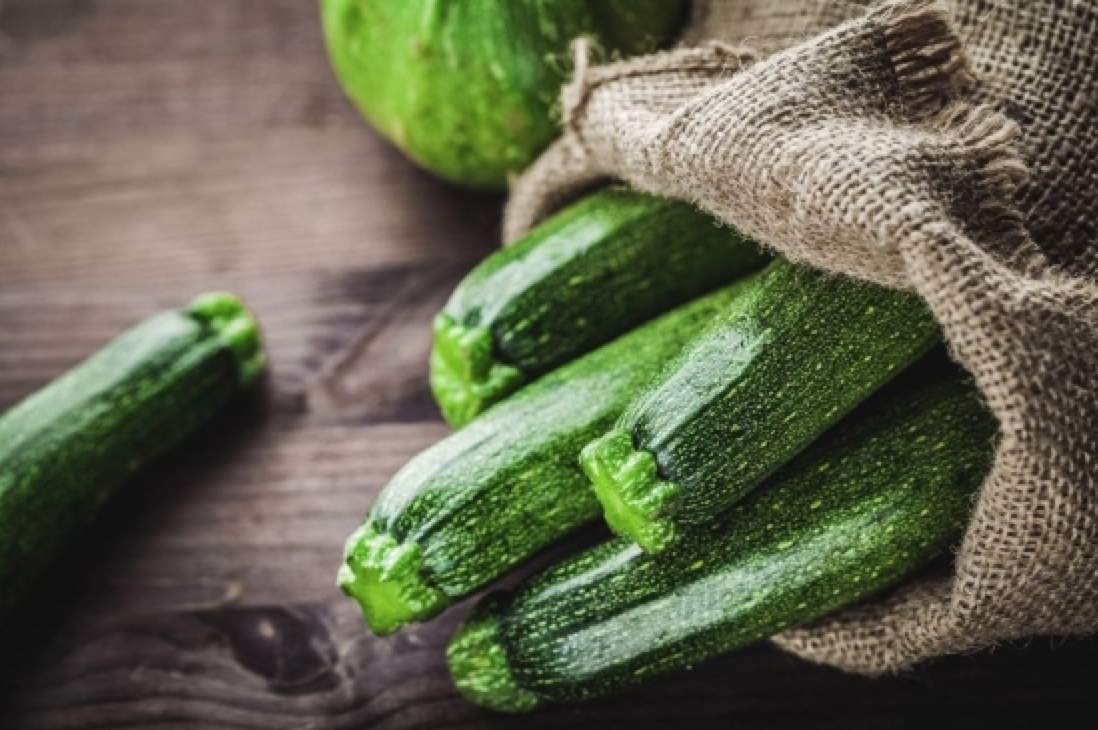
14. Zucchini,  water content: 95%

Although green squash such as zucchini may not sound like the perfect summer snack, it is loaded with lutein and zeaxanthin (which promote healthy vision), manganese (which protects tissue from damage caused by free radicals), and massive amounts of vitamin C. Zucchini also has a very high water content, and is the perfect addition to your summer diet.

15. Celery,  water content: 95%

Celery is a perfect food for satisfying cravings and promoting weight loss, all thanks to its high water and fiber content, and its absurdly low calorie count. At the same time, celery contains vitamins A, C, and K, making it nutritious as well as filling and thirst quenching.

16. Pineapple,  water content: 87%

One of the most popular tropical fruits, pineapples are extremely rich in vitamin C. In fact, 1 cup of fresh pineapple contains over 100% of the recommended daily value of vitamin C. Pineapple is also high in manganese, making it a healthy and energy-rich fruit that will also keep you hydrated.

17. Peaches,  water content: 88%

Another fruit which is great by itself or as a part of a larger meal, peaches are also known to calm upset stomachs and even relieve anxiety (they’re known as the “Fruit of Calmness” in Hungary). Their juicy flesh contains significant amounts of water, and makes a great snack.

18. Cranberries,  water content: 87%

The health benefits of cranberries are widely recognized, which is one of the reasons that cranberry juice is so often mixed with other juices. Cranberries contain vitamin C, fiber, and more antioxidants than almost any other fruit or vegetable. Their high water content makes them a must for those who want to eat healthy and keep hydrated.

19. Blueberries,  water content: 85%

These small, dark berries are often added to other dishes, and are known to help lower cholesterol, and also decrease the risk of diabetes and heart disease. Much like cranberries, they contain incredibly high amounts of antioxidants. And, also like cranberries, blueberries contain a high percentage of water.

20. Cucumberwater content: 96%

If cucumbers contained any more water, they’d probably be a soup. Suffice it to say that cucumbers contain more water than almost any other solid food. And, thanks to their high levels of vitamins, their ability to help flush toxins from the human body, and their usefulness in controlling blood pressure, cucumbers are actually one of the most nutritious foods available.

So, don’t let the summer heat dry you up; grab a few of your favorite hydrating ingredients and make a summer smoothie that will not only quench your thirst, but also nourish your body in the process. Now get out there and enjoy that sun!

[via The Blend]

Monday, June 16, 2014

5 (More) Reasons the Benefits of Organic Food are So Incredible


In many cases, organic food does cost more than the conventional options. But the benefits of organic food for you, your family, the farmers and our environment, make it not only a worthwhile expense, but also a true investment into our future.

Need more reasons to make sure you’re getting all the benefits of organic food? Check out some of these latest stories in the news:

1. Pollinators love Organics: We know that pesticides and herbicides are detrimental to our pollinator friends, especially honey bees. And now, new data published in the journal Animal Conservation finds that pollinators actually prefer organically grown flowers. The insect-flower interactions were significantly and consistently higher in organic vineyards than they were on conventional vineyards.

2. Organic Food Reduces Pesticide Exposure:
Sure, this sounds like old news—one of the original arguments for the organic movement in the first place. But new research published in a recent issue of the journal Environmental Research found that the benefits of organic food reduce pesticide exposure in just one week. Study participants who ate at a diet that was at least 80 percent organic for a 7-day period reduced their pesticide metabolite levels by as much as 96 percent!

3. Everyone Benefits from Organic Food:
Certain “synergistic effects” exist in organic food that have a benefit far beyond your own plate, found researchers at the Swedish University of Agricultural Sciences in a study published in the International Journal of Environmental Research and Public Health. Conventional foods just don’t measure up to the phenolic compounds and lower pesticide levels in organics, the researchers discovered.

4. Organic Tomatoes Have More Antioxidants: Recent research published in the IOSR Journal of Agriculture and Veterinary Science found that the antioxidant levels in organic tomatoes were higher than samples of conventional tomatoes.
 
5. Can Organic Soil Stop Global Warming? Climate Change, Global Warming…whatever you call it, know this: organic soil may help to reduce greenhouse gas emissions by as much as 40 percent and sequester as much as 71 percent of carbon, finds a report from the Rodale Institute.

Tuesday, May 6, 2014

Egg Replacements

There are plenty of egg substitutes available for baking or preparing a dish that calls for eggs. Ener-G Egg Replacer is a reliable egg substitute for use in baking. It is available at health food stores and most grocery stores.

Tofu: Tofu is great for egg substitutions in recipes that call for a lot of eggs, like quiches or custards. To replace one egg in a recipe, purée 1/4 cup soft tofu. It is important to keep in mind that although tofu doesn’t fluff up like eggs, it does create a texture that is perfect for “eggy” dishes.

Tofu is also a great substitute for eggs in eggless egg salad and breakfast scrambles.

In Desserts and Sweet, Baked Goods: Try substituting one banana or 1/4 cup applesauce for each egg called for in a recipe for sweet, baked desserts. These will add some flavor to the recipe, so make sure bananas or apples are compatible with the other flavors in the dessert.

Other Egg Replacement Options

  • 1 egg = 2 Tbsp. potato starch
  • 1 egg = 1/4 cup mashed potatoes
  • 1 egg = 1/4 cup canned pumpkin or squash
  • 1 egg = 1/4 cup puréed prunes
  • 1 egg = 2 Tbsp. water + 1 Tbsp. oil + 2 tsp. baking powder
  • 1 egg = 1 Tbsp. ground flax seed simmered in 3 Tbsp. water
  • 1 egg white = 1 Tbsp. plain agar powder dissolved in 1 Tbsp. water, whipped, chilled, and whipped again
Egg Replacement Tips

  • If a recipe calls for three or more eggs, it is important to choose a replacer that will perform the same function (i.e., binding or leavening).
  • Trying to replicate airy baked goods that call for a lot of eggs, such as angel food cake, can be very difficult. Instead, look for a recipe with a similar taste but fewer eggs, which will be easier to replicate.
  • When adding tofu to a recipe as an egg replacer, be sure to purée it first to avoid chunks in the finished product.
  • Be sure to use plain tofu, not seasoned or baked, as a replacer.
  • Powdered egg replacers cannot be used to create egg recipes such as scrambles or omelets. Tofu is the perfect substitute for eggs in these applications.
  • If you want a lighter texture and you’re using fruit purées as an egg substitute, add an extra 1/2 tsp. baking powder. Fruit purées tend to make the final product denser than the original recipe.
  • If you’re looking for an egg replacer that binds, try adding 2 to 3 Tbsp. of any of the following for each egg: tomato paste, potato starch, arrowroot powder, whole wheat flour, mashed potatoes, mashed sweet potatoes, instant potato flakes, or 1/4 cup tofu puréed with 1 Tbsp. flour.
[via PETA]

Thursday, November 14, 2013

25 Indigenous Fruits and Vegetables Promoting Health All Over the World


In a recent issue of the Barilla Center for Food & Nutrition’s periodical BCFN Magazine, titled Food for Health: Paradoxes of Food and Healthy Lifestyles in a Changing Society, Food Tank co-founder Ellen Gustafson observed that the Western diet has taken over the world in the past 30 years – and the results have been disastrous. Global obesity rates have doubled, pushing the growth of diet-related illnesses such as diabetes, hypertension, and heart disease.

The bad health effects of this diet, high in refined sugars and fats and full of processed grains and meat, have been observed worldwide. In an article series for Food Tank, the organization Brighter Green has written about the public health problems caused by the increasing availability of high-calorie, low-nutrient fast food in Mexico, China, and South Africa.

Unfortunately, traditional diets and indigenous crops that have reliably fed communities for centuries across the world are rapidly being replaced by unhealthy foods. The U.N. Food and Agriculture Organization (FAO) reports that approximately 75 percent of the Earth’s genetic resources are now extinct, and another third of plant biodiversity is predicted to disappear by the year 2050.

But initiatives like the World Vegetable Center (AVRDC)’s Vegetable Genetic Resources System and Slow Food International’s Ark of Taste are working to catalog indigenous species of fruits and vegetables all over the world.

With the help of these incredible resources, Food Tank has compiled a list of 25 indigenous fruits and vegetables from regions around the world.

AFRICA

1. Amaranth: This versatile plant, which grows quickly in the humid lowlands of Africa, is a leafy vegetable typically consumed in places like Togo, Liberia, Guinea, Benin, and Sierra Leone. The plant thrives in hot weather and is an excellent source of protein, vitamins, and essential minerals, including calcium, iron, magnesium, potassium, and zinc.

2. Cowpea: Originating in central Africa, this legume is one of the region’s oldest crops. It is also drought resistant and can thrive in poor soil conditions. In addition to the peas, the leaves of the plant are also consumed as a vegetable.

3. Spider Plant: This green leafy vegetable, also known as “African Cabbage,” can flourish throughout Africa. It is high in protein, antioxidants, vitamins, and micronutrients.

4. African Eggplant:
The plant is an important indigenous crop because it is high yielding, drought-resistant, stores well, and can be grown in poor soil. The leaves of the eggplant are also consumed, and it can represent an important income source for some families.

5. Argan: This tree, native to the southern coast of Morocco, produces fruit containing a valuable hard nut. This nut contains seeds which produce a deep yellow oil with an unmistakable, rich flavor. In Morocco, there are a number of women’s cooperatives dedicated to producing argan oil.
EUROPE

6. Perinaldo Artichokes:
This popular thistle vegetable, valued for its tasty center, is native to the Mediterranean region and originally cultivated in ancient Greece. Perinaldo, a small Italian town near the French border, produces a variety of artichoke lacking spines or a choke and violet in color. The edible flower bud is a good source of fiber, vitamin C, folic acid, and various minerals. This variety of artichoke is drought resistant and very hardy.

7. Formby Asparagus:
Formby asparagus is notable for its coloration: white base, green stem, and purple-tinged tip. The vegetable is rich in protein, fiber, vitamin B6, calcium, magnesium, and zinc. It is a valuable addition to any diet because it aids in protein synthesis, reduces calcium loss, and has antioxidant properties.

8. Filder Pointed Cabbage:
The cruciferous vegetable provides a rich source of beta-carotene, vitamins C and K, fiber, and it serves as an antioxidant and anti-inflammatory. Cabbage can be stored cold for months at a time and is eaten in the dead of winter when other vegetables are dormant.

9. Målselvnepe Turnip: This hardy, root vegetable variety has been improved over the years through selective cultivation in Norway. It has an excellent, yet strong and distinct taste compared to other turnip varieties. It can be eaten raw, roasted, baked, and boiled, and is frequently used to enhance the flavor of soups, salads, stir-frys, and side dishes. The turnip is an excellent source of vitamin C and potassium.

10. Ermelo Orange: Produced in the town of Ermelo in northern Portugal, these medium-sized oranges are extremely sweet and juicy. Ermelo oranges are distinctive because they have a thin rind and are less fibrous. The fruit is grown on small plots of land overlooking Lima River and pesticides, insecticides, and chemical fertilizers are forbidden in the region.

ASIA

11. Bitter Melon:  Despite its distinctive appearance and bitter taste, this vegetable, originally from the Indian subcontinent, is popular in a number of Asian countries. Those who overlook the vegetable’s warty appearance can benefit in a number of ways from eating this plant. The gourd has cancer-fighting properties, helps cure diabetes, and can help cleanse the body of toxins.

12. Pamir Mulberry: The Gorno-Badakhshan province of Tajikistan has a mountainous terrain ill-suited for the production of typical grains, including wheat and barley. The Pamir Mulberry grows well in this environment and is an important food source during times of crises. The berries can be eaten raw, dried, whole, ground, or as a jam.

13. Okra: The edible green seed pods of this plant are a common ingredient in soups and sauces and popular in Indian and Pakistani cuisine. Okra is also an important export crop in the Philippines, Thailand, Malaysia and Vietnam. The vegetable is a rich source of vitamins and minerals and the seeds provide quality oil and protein.

14. Mungbean: The mungbean is important in Asian diets and valuable for its easily digestible protein. High levels of iron in the vegetable help improve the diets of the most vulnerable women and children, and mungbean production offers an opportunity for increased income for small-scale farmers. In addition, the vegetable can fix nitrogen in the soil, making it valuable for crop rotations.

15. Lemongrass: This valuable herb is used in many Asian countries, including India, Sri Lanka, Thailand, Vietnamese, Malaysia, Cambodia, and Indonesia. Lemongrass possesses many minerals and essential vitamins, which help control blood pressure and prevent heart disease. It is also valuable for its essential oils, which are known to possess anti-microbial, anti-fungal, antioxidant, and anti-septic properties.

AUSTRALIA AND OCEANIA

16. Lifou Island Yam: This starchy tuber plays an important role in both nutrition and food security in many Pacific Island nations. The vegetable is also very versatile--it can be roasted, fried, grilled, boiled, smoked, or grated. Yams are important because they can be stored for long period of time, and the vegetable has a social and cultural significance on many islands.

17. Bunya Nut:
Bunya nuts have long been a prominent food in the culture of Australian Aboriginals - so much so that, prior to European settlement, Aboriginal tribes would travel long distances to attend festivals celebrating the Bunya season. The Bunya nut is similar to the chestnut both in appearance and taste. The nuts grow on enormous Bunya pines in the few rainforest regions on the continent, but these trees are increasingly less commonly found.

18. Kumara: Also known as the sweet potato, kumara is cultivated in many Pacific Islands and was a staple crop for hundreds of years. The vegetable is a great source of protein, vitamins A and C, iron, calcium, and dietary fiber.

19. Perry Pear:
This formerly wild variety of pears are pressed for their juice. The pear juice is then transformed into a fermented alcoholic beverage. The perry pear was introduced into Australia by the English, but its production is still very limited, and many of the perry pear varieties are currently facing extinction. During the height of gold-mining in Australia, perry pears were used to make a safe low-alcohol content beverage for miners.

20. Rourou (Taro Leaves): In a number of Pacific Island countries, such as Fiji, taro leaves are eaten and used in various cooking techniques. The leaves provide an excellent source of vitamins A and C. The leaves also have a social importance in ceremonial feasts and are a good local cash crop. In addition, the corms of the giant swamp taro plant have the potential to help feed a large number of Pacific Island countries.

AMERICAS

21. Yacón: Also known as the Peruvian Ground Apple, this root vegetable was cultivated throughout the Andes for more than a millennium. Because the vegetable consists mostly of water, it provides isolated inhabitants with a refreshing food resource. Yacón also contains inulin, a low-calorie, high-fiber sweetener that aids digestion while inhibiting toxic bacteria.

22. Papalo: This popular herb, known for its strong skunk-like smell, is used in the American Southwest, Mexico, and South America. Papalo, typically eaten as a garnish, is valued for its medicinal properties, including regulating blood pressure, relieving stomach disorders, and addressing liver problems. This unique herb has a hardiness to heat, allowing it flourish in hot climates.

23. Hinkelhatz Pepper: The Hinkelhatz pepper has been cultivated by the Pennsylvania Dutch since the 1880s. The plant produces small, heart-shaped peppers with a red or yellow color. Hinkelhatz peppers have a stocky, spicy flavor, so they are frequently pickled or pureed into a pepper vinegar used as a food topping. The pepper is important because it is cold-tolerant, pest and disease-resistant, and a prolific producer.

24. Nova Scotia Gravenstein Apple: This variety of apple is an early-season favorite in Canada because it can be used for a host of different purposes. The flesh is tender and crisp, and the apple’s juice is sweet-tart and intense. The apple is eaten fresh, but is also great for cooking, makes a flavorful cider, and can be stored cold for months at a time.

25. Guayabo: The green fruit, native to Uruguay and southern Brazil, has an appealing sweet and sour taste. In addition to its balanced taste profile, the fruit provides excellent nutritional and medicinal value because of its superior mineral and antioxidant content. In Uruguay, the guayabo is readily adapted to shallow soil and a mountainous environment, allowing the fruit to thrive even in the wild.

Wednesday, November 13, 2013

The Powerful Health Benefits of the Pomegranate

One of the oldest known fruits, found in writings and artifacts of many cultures and religions, the pomegranate (punica granatum) is an original native of Persia. This nutrient dense, antioxidant rich fruit has been revered as a symbol of health, fertility and eternal life.
If you're not familiar with the pomegranate, it is a red fruit with a tough outer layer; only the juice and the seeds inside are edible. Pomegranate juice is available year round, but you can purchase fresh pomegranates in most grocery stores from September through January. When refrigerated in a plastic bag, pomegranates keep for up to 2 months. Try tossing the seeds on a salad for a brilliantly colorful, crunchy, and nutritious addition.

Seeding a pomegranate may seem like a lot of work for just a piece of fruit but think again. getting at those seeds may be well worth it. The pomegranate is a nutrient dense food source rich in phytochemical compounds. Pomegranates contain high levels of flavonoids and polyphenols, potent antioxidants offering protection against heart disease and cancer. A glass of pomegranate juice has more antioxidants than red wine, green tea, blueberries, and cranberries.

Amazing Clinical Results

This fantastic little fruit recently made its way back into the news after some spectacular clinical results. Here's what you need to know:

Compounds found only in pomegranates called punicalagins are shown to benefit the heart and blood vessels. Punicalagins are the major component responsible for pomegranate's antioxidant and health benefits. They not only lower cholesterol, but also lower blood pressure and increase the speed at which heart blockages (atherosclerosis) melt away.

Recent medical research studied heart patients with severe carotid artery blockages. They were given an ounce of pomegranate juice each day for a year. Not only did study participants' blood pressure lower by over 12 percent, but there was a 30 percent reduction in atherosclerotic plaque. Just as astounding, participants who did not take the pomegranate juice saw their atherosclerotic plaque increase by 9 percent.1

In other studies, potent antioxidant compounds found in pomegranates have shown to reduce platelet aggregation and naturally lower blood pressure, factors that prevent both heart attacks and strokes.2

Not only are pomegranates good for your heart and blood vessels but they have been shown to inhibit breast cancer, prostate cancer, colon cancer, leukemia and to prevent vascular changes that promote tumor growth in lab animals.3 Several in vitro studies have shown this remarkable anti-cancer effect. Additional studies and clinical trials currently taking place are hopeful to reveal this fascinating effect on humans.

Also of note, pomegranate juice contains phytochemical compounds that stimulate serotonin and estrogen receptors, improving symptoms of depression and increasing bone mass in lab animals.4

Many studies show that the pomegranate is one of the most powerful, nutrient dense foods for overall good health. These clinical findings clearly show a correlation between pomegranate compounds and their positive effect on both human and animal cardiovascular, nervous, and skeletal health. This is one fruit that you can't afford to exclude from your diet!

A Proven Supplement
Dr. Fuhrman recommends that all patients who have heart disease, high cholesterol, or high blood pressure as well as those who are looking to prevent these ailments incorporate the powerful components of pomegranates into their diet. He developed a unique supplement, LDL Protect to do just that.

All pomegranate extracts are not equal. Dr. Fuhrman's LDL Protect uses the highest grade and potency of pomegranate extract available. Some less costly grades are not certified to contain high levels of active polyphenols. The pomegranate extract used in LDL Protect contains the full array of polyphenols present in the fruit's seeds, husk and juice and is particularly rich in punicalagins. LDL Protect delivers the potent synergistic effects that have been observed in natural spectrum extracts of pomegranate. 5

For those who still have LDL cholesterol above 100 mg/dl after dietary intervention, Dr. Fuhrman designed this mixture of high quality, cholesterol-lowering and cardiac protective compounds - plant sterols and pomegranate. No other product on the market offers this combination of ingredients. LDL Protect is an all natural, high quality formula that is both effective and safe.

Thursday, September 5, 2013

Make Meals More A-Peeling

Boost Nutrients in Meals with Fruit and Vegetable Peels


Reducing waste and boosting taste to your meals is as easy as adding some apple peel to your sandwich. The skins and other discarded parts of fruits and veggies are packed with fiber and disease-fighting nutrients, so instead of tossing them out, get twice as many meals out of one food with these delicious ideas (just be sure to choose organic produce to avoid sketchy chemicals).

Potato Skins

Why: About half of the spud's hunger-quelling fiber is in the skin.

How: Make potato crisps. Place peelings on a baking sheet and sprinkle with oil, salt, black pepper, and cayenne. Bake at 400°F until crisp, 10 to 15 minutes.

Apple Peels

Why: They contain nearly all of the fruit's quercetin, an antioxidant that helps ward off certain cancers, according to a study in Nutrition Journal.

How: Add peels to a ham and cheese sandwich. Layer ham, thinly sliced apple peels, and grated Cheddar on a slice of whole grain bread, then broil until the cheese is bubbly.

Kiwi Peels

Why: Yep, they really are edible! They're also rich in vitamin E and disease-fighting flavonoids.

How: Blend up this smoothie: Combine 1 unpeeled kiwifruit, 1/2 cup frozen strawberries, 1 cup orange juice, and 1/2 cup plain yogurt. Blend and enjoy!

Orange Peels

Why: They provide d-limonene, a compound that may protect against skin cancer.

How: Add orange peels to chili. Finely chop the peel and toss in 1 to 2 tablespoons with the beans, tomatoes, and spices.

Broccoli Stalks

Why: A single one contains more than a day's worth of vitamin C.

How: Broccoli stalks are perfect for stir-fries. Peel the stalks—what's inside is almost as tender as asparagus—and toss into a stir-fry.

Carrot Peels

Why: The beta-carotene protects the eyes, skin, and immune system.

How: Meat loaf and burgers and perfect for carrot peels. Mix shredded carrot and carrot peel with lean ground meat. Bonus: the carrots keep the meat from drying out.
[via Prevention]