Showing posts with label superfoods. Show all posts

Thursday, September 22, 2016

This 5-Ingredient Autumn Juice Recipe Might Fix Everything


Step aside sugar-loaded pumpkin spice latte, this autumn juice recipe takes seasonal drinks to a whole new level. Unlike PSLs, this  juice is made with real food ingredients that perk up the immune system and fill your body with vital nutrients all while embodying the flavors of the season.

Juice, often best served green after a sweaty yoga or barre class, can also be filled with autumnal flavors and seasonal ingredients. Leave it to our favorite rooted and grounded fruits and vegetables to get you feeling balanced, brightened, and rejuvenated in these cool fall months.

Packed with sweet potato, apple, ginger, turmeric, and carrot, this autumn juice is filled with whole food superstars. We don’t mean to play favorites, but the sweet potato in this recipe is a total winner. More than just vegetable mash and fries, sweet potatoes are an easily juiced vegetable that deliver ample amounts of nutrients.

Sweet Potato Health Benefits

This orange-fleshed beauty is one of our favorite grounding vegetables. Along with providing nutrient support to the body, sweet potatoes are easily grown across the world and considered an environmentally stable crop.

Fun fact: NASA thinks these potatoes are pretty stellar too. The tubers were chosen as a candidate crop to be grown and incorporated into menus for astronauts on space missions due to their (crazy impressive) nutritional value.


Besides being astronaut-approved, sweet potatoes are a great source of easily digestible fiber, minerals, vitamins, and antioxidants such as beta-carotene. Sweet potatoes also contain bioactive compounds such as phenolic acids and anthocyanins, which contribute to the bright orange color of their skin and flesh and boast health benefits as well.

Just one cup of sweet potato provides 214 percent daily value of vitamin A, 52 percent daily value of vitamin C, 50 percent daily value manganese, as well as impressive amounts of copper, vitamin B6, B3, B1, potassium, and biotin.

With their ample nutrients plus bioactive compounds, sweet potatoes have been widely studied for their abundant health benefits. Numerous studies have shown that sweet potato consumption is linked to anti-cancer properties, reduced inflammation, antimicrobial activity, hormone-balancing abilities, and extreme free-radical-scavenging powers.


This autumn juice recipe also boats other orange-skinned superfoods such as carrots and turmeric. These whole foods deliver impressive amounts of vitamins A and C along with a wide variety of other vital nutrients. Turmeric is especially nourishing and has been shown to reduce inflammation, be protective against certain cancers, and soothe stomach issues. Just a tip, always consume your turmeric with black pepper, which makes its beneficial compounds more bioactive.

Sip the flavors of fall with this seasonal and nutrient-rich autumn juice. We know it will be your new favorite festive drink. Buh-bye, PSLs.


Autumn Juice

Serves 1-2

Ingredients
1 large sweet potato
1 crisp apple, such as fuji or honeycrisp
1-inch nub ginger
1-inch nub turmeric
4 large carrots
Pinch of black pepper

Directions
Run all ingredients through a juicer and finish with a pinch of black pepper. Drink autumn juice immediately or store in the refrigerator in a sealed glass jar for one to two days.


Friday, November 28, 2014

Health Benefits of Raw Honey


Honey is one of nature’s premier superfoods. Not only does honey taste good in tea, yogurt, baked goods etc. but it has been a staple anti-bacterial and anti-inflammatory since ancient times. Even modern practitioners swear by its miraculous healing properties.

Top 5 Health Benefits of Raw Organic Honey 

1. Honey Kills Antibiotic-Resistant Bacteria 

In the world of medicine, few things can be scarier than bacteria that are resistant to antibiotics, but that’s exactly the problem that modern medicine faces. Over the past fifty years, over-use of anti-bacterial drugs, like Azithromycin, have encouraged harmful bacteria to evolve and become stronger. But there’s no bacterium anywhere that’s resistant to honey! That’s right, honey can kill even antibiotic-resistant bacteria. Ancient people applied it to wounds, infections, and abscesses to great effect. Just make sure you use raw organic honey, which doesn’t include high-fructose corn syrup or white sugar that lower its quality and beneficial effects.

2. Soothes Coughs 

In addition to killing bacteria, honey can reduce the severity of coughs and sore throats more safely than over-the-counter medications. This is another example of a traditional remedy that turns out to be more effective than mass-produced drugs by pharmaceutical companies. While adult cough medicines might be dangerous for children to take, raw honey helps lessen the frequency and intensity of a child’s cough, letting parents and kids alike get more sleep during cold season.

3. Boosts Wound and Burn Healing 

Believe it or not, honey sterilizes and heals burns in half the time than its over-the-counter antibiotic competitor silver sulfadiazine. It can disinfect wounds the same way, allowing your body to regenerate faster and with less risk of infection or scarring. If you receive an injury, smear honey on the affected area immediately. Don’t worry about using too much, because with honey, there’s no such thing. When you’re done, apply a bandage over your wound. Repeat this procedure at least once every 48 hours to make sure that you’re not getting an infection (though odds are good that you won’t.)

4. Provides Many Nutrients

Unsurprisingly, honey offers a staggering amount of nutritional value. (Remember, this is the stuff that bees build their entire colonies upon!) Aside from various nutrients, like riboflavin, folate, betaine, manganese, potassium, copper, zinc, calcium, magnesium, selenium, fluoride and phosphorus, honey is loaded with antioxidants, which can lessen the risk of cancer. It also lowers LDL cholesterol and triglycerides, and generally reduces inflammation. Of course, if you have a sweet tooth, one benefit trumps all the others on this list…

5. Raw Organic Honey is the Perfect Sugar Substitute 

As if the health benefits of honey weren’t enough on their own. Honey can play another important part in your well-being by sweetening your tea, cookies, pancakes and other baked goods you prepare. Though honey itself is made of fructose, it raises blood sugar far lesser than similar-tasting substances, like sucrose and dextrose. Honey has a healthy Glycemic Index, which means its sugars can be gradually absorbed into the blood stream to result in better digestion. Best of all, you can keep honey on the shelf forever, because it never spoils. Not to put too fine a point on it, but that’s pretty sweet.

Raw Honey Has Many Health Benefits 

There’s a lot that honey can do to improve your active life and diet. It’s a great pre-exercise food, for example, because it’ll give you the power you need and you won’t crash in the middle of your training session. The healing powers of honey don’t just apply to skin wounds – they can help heal painful stomach ulcers, too! Fans of probiotics love honey because it hosts good bacteria, including lactobacilli, which help us digest food. There’s even evidence that honey consumption boosts memory in menopausal women and increase the body’s ability to recover from drunkenness. Old time medical practitioners knew the secrets of honey before science discovered them. Today, there are many good reasons to add this incredible food to your diet!

Thursday, July 10, 2014

20 Foods to Help You Stay Hydrated this Summer

For most of us, summertime is synonymous with long days, warm evenings, visits to the pool, and, above all, sunshine. But when that glorious yellow orb is warming and lighting the world, it can be easy to forget to stay hydrated. This is problematic, because poor hydration can lead to a host of short and long-term health problems, including constipation, nose bleeds, headaches, coughing, fatigue, acne, and unwanted weight gain. But staying hydrated when it’s hot outside doesn’t have to be a difficult chore; by including certain foods in your diet, you can help your body stay happy and hydrated while you beat the heat.

Here are 20 foods to stay hydrated with, so keep them on your menu when the days start to grow long and hot.

1. Watermelonwater content: 92%

Watermelon is a cherished summer treat, and for good reason—it’s tasty, fun to eat, and undeniably refreshing. Of course, it’s no secret that watermelon is loaded with water; after all, it’s even in the name. However, it also contains lycopene, which is an antioxidant believed to help fight cancer.

2. Strawberries,  water content: 92%

Another summer favorite, strawberries are as water-rich as watermelons, but thanks to their small size, they are a bit easier to eat while on the go. They may also promote bone health, boost short-term memory, and even help burn stored fat.

3. Apricotswater content: 86%

Generally only available fresh through the beginning of summer (due to the fact that they bloom early, have little tolerance to extreme heat, and are difficult to ship), fresh apricots are nonetheless widely popular. In addition to having a high water content, they are also rich in antioxidants, fiber, and beta carotene.

4. Iceberg Lettucewater content: 96%

Although you’re probably less-likely to grab a handful of lettuce to take along on your summer walk or July beach-trip, one of the things that makes lettuce such a wonderful food is that it’s easy to incorporate into other meals. A healthy salad or fresh sandwich can be a great way to get the hydrating benefits of lettuce—as well as the other nutritional advantages—while still enjoying a delicious meal.

5. Spinach,  water content: 92%

Spinach doesn’t have quite as much water in it as iceberg lettuce, but it is a bit more nutritious overall. However, the calcium and iron in raw spinach are often unprocessable by the human body, because of a compound called oxalic acid that is also present in spinach. This problem can be solved by simply cooking the spinach, blending it in a smoothie, or by pairing it with foods rich in vitamin C.

6. Grapefruit,  water content: 91%

Tart and tangy, grapefruits are loaded with mouth-watering citrus juice. They’re also suspected to help burn unwanted fat, while reducing cravings and boosting the immune system. For added nutrients and hydration, consider peeling the grapefruit and eating it like an orange, rather than cutting it.

7. Sweet Peppers,  water content: 92%

Sweet peppers are large, mild peppers which have a subtle sweet flavor and are generally very crisp. They come in a variety of colors, but all of them have a high water content. They are often used in salads and main dishes, but when sliced into smaller sections, they can make a great mid-day treat that’s high in vitamins C, E, B6, and helpful enzymes, and low in calories.

8. Tomatoeswater content: 94%

We’ve come a long way in the last 200 hundred or so years, when the prevailing British and American belief was that tomatoes were poisonous (despite the fact that they were eaten regularly in Spain and Italy). These days, tomatoes are found in dishes around the world, and are considered by many to be world’s most popular (and possibly most nutritious) fruit.

9. Radishes,  water content: 95%

Often overlooked as a standalone vegetable, radishes are nevertheless a slightly spicy treat that can also help keep you hydrated and healthy. This is because radishes contain vitamin C, zinc, and phosphorus, which all play a part in keeping you feeling your best during the hot months.

10. Cauliflower,  water content: 92%

Although you may not realize it, cauliflower actually has as high of a percentage of water as strawberries—this helps contribute to the crispiness for which cauliflower is known. It also contains sulforaphane (which is believed to kill cancer stem cells), is loaded with vitamins, and helps to regulate digestion.

11. Broccoli,  water content: 91%

Similar to cauliflower in many respects, broccoli is likewise full of vitamins and sulforaphane, and contains a high amount of water. It is best for the body when eaten raw.

12. Carrots,  water content: 87%

Carrots are best known for their bright orange color and their sometimes-debated ability to improve vision. What they’re not as well known for is their water content. However, carrots are easy to pack along for snacks, and can help keep the body hydrated.

13. Cantaloupe,  water content: 90%

Cantaloupe is another great summer treat that will keep you hydrated. As summer-season fruits, they are available fresh all the way through to the end of August. They are nutritious and low in calories, and have a unique musky flavor. Consider giving it a sour-tasting flavor boost by eating it with a dash of lime or lemon juice.

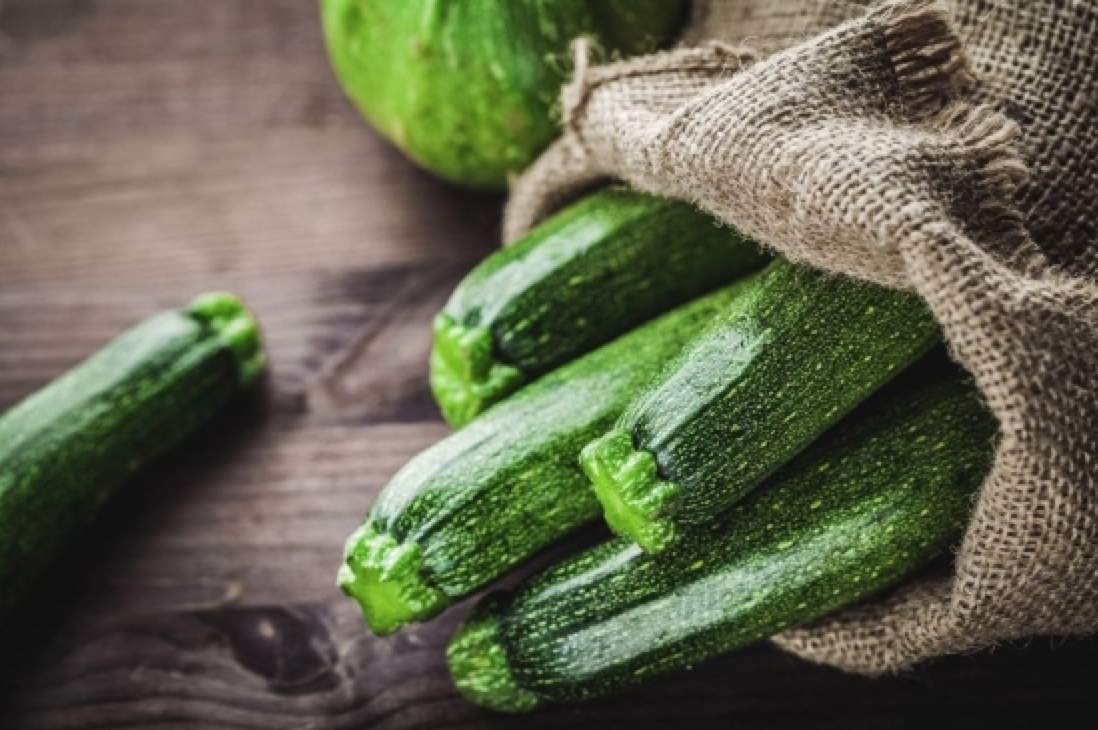
14. Zucchini,  water content: 95%

Although green squash such as zucchini may not sound like the perfect summer snack, it is loaded with lutein and zeaxanthin (which promote healthy vision), manganese (which protects tissue from damage caused by free radicals), and massive amounts of vitamin C. Zucchini also has a very high water content, and is the perfect addition to your summer diet.

15. Celery,  water content: 95%

Celery is a perfect food for satisfying cravings and promoting weight loss, all thanks to its high water and fiber content, and its absurdly low calorie count. At the same time, celery contains vitamins A, C, and K, making it nutritious as well as filling and thirst quenching.

16. Pineapple,  water content: 87%

One of the most popular tropical fruits, pineapples are extremely rich in vitamin C. In fact, 1 cup of fresh pineapple contains over 100% of the recommended daily value of vitamin C. Pineapple is also high in manganese, making it a healthy and energy-rich fruit that will also keep you hydrated.

17. Peaches,  water content: 88%

Another fruit which is great by itself or as a part of a larger meal, peaches are also known to calm upset stomachs and even relieve anxiety (they’re known as the “Fruit of Calmness” in Hungary). Their juicy flesh contains significant amounts of water, and makes a great snack.

18. Cranberries,  water content: 87%

The health benefits of cranberries are widely recognized, which is one of the reasons that cranberry juice is so often mixed with other juices. Cranberries contain vitamin C, fiber, and more antioxidants than almost any other fruit or vegetable. Their high water content makes them a must for those who want to eat healthy and keep hydrated.

19. Blueberries,  water content: 85%

These small, dark berries are often added to other dishes, and are known to help lower cholesterol, and also decrease the risk of diabetes and heart disease. Much like cranberries, they contain incredibly high amounts of antioxidants. And, also like cranberries, blueberries contain a high percentage of water.

20. Cucumberwater content: 96%

If cucumbers contained any more water, they’d probably be a soup. Suffice it to say that cucumbers contain more water than almost any other solid food. And, thanks to their high levels of vitamins, their ability to help flush toxins from the human body, and their usefulness in controlling blood pressure, cucumbers are actually one of the most nutritious foods available.

So, don’t let the summer heat dry you up; grab a few of your favorite hydrating ingredients and make a summer smoothie that will not only quench your thirst, but also nourish your body in the process. Now get out there and enjoy that sun!

[via The Blend]

Tuesday, November 19, 2013

Your Top 10 Superfoods

When it comes to ditching unwanted pounds, these key ingredients are as powerful as they are tasty. Add them to your plate to lose weight!

Wild Salmon

Slimming superpowers: The fish's omega-3 fatty acids could help you fight flab more effectively. They alter the expression of certain genes, shifting your body to burn fat rather than store it.

The amazing proof: In a study analyzing the diets of 35,000 women, published in Public Health Nutrition, those subjects who ate oily fish such as salmon two to four times per week had the lowest basal metabolic indexes, a common measure of body fat.

Apples

Slimming superpowers: This fruit's 4 to 5 grams of fiber not only are filling but also help ferry out some of the fat and calories you take in from other foods.

The amazing proof: People who ate an apple 15 minutes before lunching on cheese tortellini consumed 187 fewer calories in total than those who snacked on nothing beforehand, a study from Penn State University in University Park determines. How about them apples?

Quinoa

Slimming superpowers: A complete protein, quinoa has all the essential amino acids needed to build metabolism-revving muscle.

The amazing proof: Reduced-calorie dieters eating about 115 g of protein daily lost 22 percent more fat after four months than those who ate 70 g per day, The Journal of Nutrition reports.

Lentils

Slimming superpowers: These legumes are rich in resistant starch (RS), a carbohydrate that may encourage fat burning and shrink fat cells.

The amazing proof: When study participants enjoyed a meal with 5 g of RS—about what you get from 3/4 cup cooked lentils—they burned 23 percent more fat over 24 hours than when they had a meal without the starch, researchers at the University of Colorado in Denver say.

Olive Oil

Slimming superpowers: Healthful monounsaturated fats found in olive oil could potentially switch on genes related to fat burning and storage.

The amazing proof: Dieters on a low-cal plan emphasizing monounsaturated fats, protein and complex carbs lost almost double the weight that dieters who ate the same calories but less total fat and protein and more carbs lost, a study in the Archives of Internal Medicine reveals.

Eggs

Slimming superpowers: The breakfast staple is loaded with choline, a compound known to help block fat absorption.

The amazing proof: After eight weeks, dieters who ate two eggs, toast and jelly for breakfast five days a week lost 65 percent more weight than those who had a same-calorie bagel breakfast without eggs, according to a study in the International Journal of Obesity.

Yogurt

Slimming superpowers: Lowfat and nonfat Greek and regular yogurts contain 20 percent or more of your daily calcium needs. The mineral slows production of cortisol, a hormone that encourages belly-flab buildup.

The amazing proof: People on a low-cal diet that included yogurt lost 81 percent more belly fat than those on a similar but no-yogurt plan, a study from the University of Tennessee at Knoxville concludes. This dairy is a must-do.

Sweet Potatoes

Slimming superpowers: These spuds have RS, the same carbs found in lentils that may turn up the body's fat-scorching furnace. RS may also increase production of peptide hormone compounds that signal the brain to stop eating.

The amazing proof: After a breakfast and a lunch containing RS, subjects ate about 10 percent fewer calories over the next 24 hours compared with when they had similar meals with a placebo, research from the University of Surrey indicates.

Kiwifruit

Slimming superpowers: A large kiwi has 84 milligrams of vitamin C—more than a day's quota. C helps form carnitine, a compound that transports fat into cell mitochondria, where it's burned for energy during exercise.

The amazing proof: People with low blood levels of C burned 10 percent less fat per pound of body weight while walking than did those with normal levels of C, a study at Arizona State University in Mesa shows. But when subjects got a dose of C, their fat burning increased fourfold.

Edamame

Slimming superpowers: The green soybeans supply 17 g of protein per cup, and your body torches more calories digesting protein than it does processing carbs and fat.

The amazing proof: Researchers from the Federal University of Vicosa found that people burned about 70 more calories per day when their A.M. meal contained soy protein versus other types of protein. Cool beans!
[via Self]

Wednesday, September 11, 2013

Wearing, Rather Than Eating, Broccoli Could Protect Against Skin Cancer


The latest weapon in the war against skin cancer is lean, green, and universally abhorred by small children. We’re talking about broccoli, of course. The key, according to researcher Sally Dickinson, lies in sulforaphane, a naturally occurring compound in broccoli with established chemopreventive properties. Dickinson isn’t asking her patients to chow down on the cruciferous veggie, which has previously demonstrated risk-reduction properties for various forms of cancer, as a way to unlock its skin-protecting nutrients, however. Rather, she wants them to apply small doses of sulforaphane to their skin like they would sunscreen.

Wear Your Veggies

“Even though there is heightened awareness about the need for limited sun exposure and use of sunscreens, we’re still seeing far too many cases of skin cancer each year,” says Dickinson, a research assistant professor in the pharmacology department at the University of Arizona and a University of Arizona Cancer Center member, “We’re searching for better methods to prevent skin cancer in formats that are affordable and manageable for public use. Sulforaphane may be an excellent candidate for use in the prevention of skin cancer caused by exposure to ultraviolet rays.”

Dickinson’s research reveals that sulforaphane is highly effective at inhibiting cancer-causing pathways.

Dickinson’s research reveals that sulforaphane is highly adaptable and effective at inhibiting cancer-causing pathways (such as the AP-1 protein), while activating chemoprotective genes (such as the Nrf2 gene). A pilot study, conducted in collaboration with Johns Hopkins University, will test a topical broccoli-sprout solution on the skin of a group of patients to ascertain the compound’s efficacy under solar simulated light. (Previous studies demonstrated the extract’s safety for both topical and oral use.)

If the research proves successful, Dickinson believes it could lead to wider applications for sulforaphane, particularly for patients with compromised immune systems.

“Sulforaphane is the kind of compound that has so many incredible theoretical applications if the dosage is measured properly,” Dickinson says. “We already know that it is very effective in blocking sunburns, and we have seen cases where it can induce protective enzymes in the skin.”
[via ecouterre]

Tuesday, September 3, 2013

25 Healthiest, Nutrient-Dense Foods


In an ideal world, we wouldn’t go first to a pharmacist to address maladies ranging from the common cold to cancer; instead, we’d create grocery shopping lists aimed at fostering optimal health. Good nutrition may not cure disease, but a growing body of research shows it could do something even more powerful: help prevent disease. “By choosing foods wisely, we can control our health destiny,” says Joel Fuhrman, MD, author of Eat for Health (Gift of Health, 2008). “But we can’t make small, moderate changes to the average diet and expect prevention; we need to make aggressive, radical changes.”

Fuhrman developed a comprehensive nutrient-per-calorie ranking system, which he calls the Aggregate Nutrient Density Index (ANDI). The charts on the following pages list the top ANDI-ranked foods by category. Use them as guides to make the healthiest eating choices for you and your family.

~ Top 6 Vegetables ~

Vegetables are low in calories and loaded with fiber and micronutrients—vitamins, minerals, and phytochemicals— so eat them in unlimited quantities (exceptions: starches such as potatoes, yams, and corn).

Smart tip: Start lunch and dinner with a serving of raw vegetables, such as a large salad or crudités, to increase nutrient intake and help control appetite.

1. Dark Leafy Greens

Nutrients: Vitamins A, C, and K, folate, manganese, magnesium, calcium, fiber
Health Boosts: May promote eye health (thanks to carotenoids, a group of pigments found mainly in green leafy vegetables, carrots, and tomatoes), fight cancer, and reduce diabetes risk (vitamin K improves insulin sensitivity and blood glucose control).
Recipes:
Garlicky Mustard Greens with Garbanzos
Dandelion and Watercress Salad with Ginger Dressing
Kale with Sesame Seed Dressing

2. Bok Choy

Nutrients: Vitamin C, folate, calcium, fiber
Health Boosts: May help promote bone health and support immunity.
Recipes:
Braised Baby Bok Choy with Ginger and Garlic
Bok Choy Stir-Fry with Shrimp
Baby Bok Choy

3. Brussels Sprouts

Nutrients: Vitamins A, C, and K, folate, manganese, fiber, potassium, vitamin B6
Health Boosts: Linked to reduced cancer risk, especially breast and colon cancers.
Recipes:
Mustard-Glazed Brussels Sprouts with Hazelnuts
Brussels Sprouts in Sage Butter
Stir-Fried Brussels Sprouts with Shallots

4. Radishes

Nutrients: Vitamin C, fiber, folate
Health Boosts: Help with weight control; may boost the immune system.
Recipes:
Radish, Fennel & Dandelion Salad
Black-Eyed Pea, Corn, and Radish Salad

5. Bean Sprouts

Nutrients: Vitamins C and K, folate, protein, potassium
Health Boosts: May boost satiety and assist in weight management.
Recipes:
Seaweed Salad with Bean Sprouts and Tofu
Chilled Tofu with Bean Sprouts

6. Red Bell Peppers

Nutrients: Vitamin C (three times as much as green bell peppers), vitamins A, B6, and K, fiber, manganese, folate
Health Boosts: May promote heart health. Vitamin C supports immunity; carotenoids may decrease risk of certain types of cancer, including lung cancer.
Recipes:
Grilled Red Peppers and Tomato


~ Top 5 Fruits ~

Eat at least four fresh fruits daily for the maximum variety of phytochemicals. Frozen fruit is a fine substitute, but avoid canned, which often contains added sweeteners. For weight loss and diabetes or prediabetes management, eat just two fruits daily, focusing on lower-sugar options such as berries, green or Granny Smith apples, melons, grapefruit, oranges, kiwifruit, and papaya.

1. Strawberries

Nutrients: Vitamin C, potassium, fiber, folate, flavonoids
Health Boost: May have anti-inflammatory, anticancer effects and promote brain health; may lower cholesterol and improve the effectiveness of cholesterol-lowering diets.
Recipes:
Fresh Strawberries with Balsamic Vinegar
Strawberry Sunrise Shake

2. Pomegranate Juice

Nutrients: Antioxidants, flavonoids, potassium, fiber, calcium
Health Boost: Studies indicate that pomegranate juice has antiatherogenic (protects against plaque in the arteries), antioxidant, antihypertensive, and anti-inflammatory effects that help fight heart disease, certain types of cancer, and brain degeneration.
Recipes:
Squash Tart with Fresh Pomegranate Juice

3. Tomatoes

Nutrients: Vitamins A, B, and C, potassium, iron, folic acid, phosphorus, carotenoids, fiber
Health Boost: Lycopene, a potent antioxidant in tomatoes, may prevent certain cancers, protect skin from UV rays, and promote overall prostate health.
Recipes:
Indian-Seasoned Tofu with Tomatoes
Quinoa and Salmon Stew with Tomatoes

4. Plums

Nutrients: Fiber, vitamins A and C
Health Boost: Plums help support immunity and may help slow development of artherosclerosis. Polyphenols from dried plums may promote bone strength and density by regulating growth factors linked to bone formation.
Recipes:
Curried Chicken with Dried Plums
One-Pan Baked Chicken with Peaches and Plums
Lettuce Wraps with Chicken in Plum Sauce

5. Raspberries

Nutrients: Manganese, vitamin C, fiber
Health Boost: Anthocyanins—red plant pigments—may protect eyes and improve heart health by preventing artery hardening and reducing blood pressure; ellagic acid, a phytochemical, helps kill certain types of cancer cells.
Recipes:
Raspberry Soup
Apple, Raspberry, and Frisée Salad
Melon and Berry Salad


~ Top 4 Beans and Legumes ~

Eat at least 1⁄2 cup of beans daily. Try adding them to soups, stews, and salads. Dried beans are the most economical; if you’re buying canned, look for unsalted and BPA-free varieties. To avoid gas or bloating, soak dried beans for 8 to 12 hours and slow cook with a piece of sea vegetable, such as wakame.

1. Lentils

Nutrients: Protein, fiber, folate, iron, manganese, magnesium
Health Boost: Folate may improve colon, breast, and brain health and lower blood pressure.
Recipes:
Green Lentils and Seasoned Walnuts
Curried Lentils
Grilled Salmon with Lentils and Curried Mint Yogurt

2. Black Beans

Nutrients: Iron, fiber, protein, folate, manganese, magnesium
Health Boost: Some of the best sources of antioxidants, as indicated by their dark color; may protect against colorectal cancer and slow tumor growth.
Recipes:
Cuban Black Bean & Rice Soup
Tex-Mex Bean Salad
Black Beans Cakes with Orange Basil Salsa

3. Adzuki Beans

Nutrients: Protein, fiber, iron, magnesium, potassium, zinc, folate
Health Boost: Promote heart health; help manage weight.
Recipes:
Oriental Bean Cakes

4. Red Kidney Beans

Nutrients: Folate, fiber, manganese, protein, iron, tryptophan, phosphorus
Health Boost: Promote heart health; may help prevent diabetes.
Recipes:
Kidney Bean & Butternut Squash Soup
Baked Winter Squash with Heirloom Beans and Hominy


~ Top 5 Grains ~

Not all whole-grain products are good foods, says Fuhrman. Breakfast cereals and some breads, for example, lose much of their fiber and micronutrients during processing. Choose coarsely ground grains, which the bloodstream absorbs more slowly, and always look for “whole” on the package (or the Whole Grains Council’s 100 Percent Whole Grain stamp). Whole grains should appear among the first items in the ingredient list. 

1. Oats

Nutrients: Fiber, protein, calcium, iron
Health Boost: Beta-glucan, a soluble fiber, can slow the release of sugar into the bloodstream to help fight diabetes. Oats also lower cholesterol and may reduce risk of heart disease and cancer.
Recipes:
Quick Apple-Cranberry Oatmeal
Mixed Whole-Grain Breakfast

2. Brown Rice

Nutrients: Fiber, manganese, selenium, magnesium, phosphorus
Health Boost: May improve blood glucose control; helps control weight and manage cholesterol, and may decrease asthma risk.
Recipes:
Puffed Brown Rice Tabbouleh with Red Cabbage

3. Sprouted Grain Bread

Nutrients: Fiber, protein, vitamin B1
Health Boost: When grain seedlings sprout, enzymes convert some of the fats and carbohydrates into vitamins, minerals, and amino acids; sprouted-seed breads are more filling and have less of a spiking impact on blood sugar than other breads.
Recipes:
Sprouted Spelt and Seed Bread

4. Barley

Nutrients: Fiber, folic acid, iron, calcium, magnesium, phosphorus, potassium, vitamin E
Health Boost: Look for hulled barley, which contains more nutrients than pearl barley. The FDA recently confirmed the qualified health claim linking whole-grain barley to a reduced risk of coronary heart disease; soluble fiber lowers cholesterol and stabilizes blood glucose levels.
Recipes:
Barley and Spinach-Stuffed Bell Peppers
Lima Bean, Mushroom and Barley Soup

5. Quinoa

Nutrients: Protein, calcium, lysine, iron, magnesium, vitamin E, potassium, phosphorus, fiber
Health Boost: Bolsters heart health; may protect against certain types of cancer, including breast cancer.
Recipes:
Quinoa and Wild Rice
Quinoa & Pecan Salad with Dried Cranberries
Quinoa with Mixed Vegetables


~ Top 5 Nuts and Seeds ~

Despite being high in calories, nuts and seeds are rich in essential fatty acids, which promote brain and heart health. Most women should limit intake to 1 ounce per day and men to 2 ounces (about a handful), especially when trying to lose weight. Increase servings if you need to fuel athletic efforts.

1. Brazil Nuts

Nutrients: Selenium, calcium, magnesium, omega-3 fatty acids, protein, vitamin A, iron
Health Boost: One of the richest sources of selenium, Brazil nuts may bolster immunity, reduce the risk of cancer, and promote liver health.
Recipes:
Fresh Vegetable Rolls with Mango and Tamarind Sauce

2. Sunflower Seeds

Nutrients: Vitamins B1, B5, and E, manganese, magnesium, selenium, phosphorus, folate
Health Boost: May help prevent cardiovascular disease and alleviate arthritis symptoms.
Recipes:
Soy Nut Trail Mix

3. Flaxseeds

Nutrients: Lignans (phytoestrogens), fiber, omega-3s, alpha-linolenic acid (ALA)
Health Boost: May prevent colon, breast, skin, and lung cancers; can help treat rheumatoid arthritis and other inflammatory diseases; may decrease cholesterol levels, arterial plaque formation, and diabetes risk.
Recipes:
Fresh Ricotta with Arugula and Flaxseed Pizza
Buckwheat-Flaxseed Blueberry Pancakes

4. Sesame Seeds

Nutrients: Protein, calcium, vitamin B3, iron, zinc
Health Boost: May decrease breast cancer risk.
Recipes:
Carrot Salad with Sesame Seeds

5. Pumpkin Seeds

Nutrients: Protein, iron, zinc, omega-3s, manganese, magnesium, phosphorus
Health Boost: Help reduce cholesterol; may promote prostate health.
Recipes:
Luscious Beet Salad with Toasted Pumpkin Seeds
Butternut Squash Soup with Roasted Pumpkin Seeds