Showing posts sorted by date for query radishes. Sort by relevance Show all posts

Friday, April 24, 2015

Cooking With Vegetables From Root to Stem

Ever hear about something that is a new trend and all the rage and think, “I’ve always done that?” One of the food trends for this year is for chefs to put the focus on vegetables. Similar to the whole “nose-to-tail” practice used in cooking meat, there is now a “root-to-stem” practice where no part of a vegetable or fruit goes to waste. Well, it may be a new trend in the culinary world but I’ve been cooking that way for years. Other people may lop off the tops of carrots, beets and radishes, throw away the fronds from a bulb of fennel, and discard the stalks from a head of broccoli, but I cook with all of it. With the price of food rising and the increased amount of food waste, it only makes sense to get the most out of the food we buy. The leaves, stems, stalks and skins of vegetables have their own unique tastes and textures so it’s like getting multiple veggies in one package. Here are some ways you can start cooking from root to stem.

1. Asparagus Stems


Whenever I cook asparagus, I trim the tough, woodsy ends off. Then they go in a storage bag into the freezer until it’s time to make stock. Add the stems to the pot with the celery, onions, and water. Season with herbs and spices, bring to a boil and simmer for at least half an hour. Strain and store in the freezer until you’re ready to use it. Or use the whole asparagus right away to make this delicious and refreshing Raw Asparagus Soup.

2. Beet Greens


Beets are delicious and so are the greens that come attached to them. Use them to make Beet Greens Pesto or sauté them as in these Beet Greens with Garlic and Toasted Almonds and Sautéed Beet Red Greens. I love to use them to make a salad to go along with my Borscht soup. See more ways to use beet greens in Beet and Carrot Greens: How to Use Them Instead of Toss Them.

3. Broccoli Stalks and Leaves


There was a time when I preferred to buy broccoli crowns because I thought I was getting more edible food for my money. Then I realized that the broccoli stalks are delicious and really filling. Now I get upset if my broccoli doesn’t come with the stalks attached. When I cook broccoli, I cut off the florets and then get to work on the stalks. They can be peeled to remove the outer peel but I usually just chop them up and add them with the florets to whatever I’m cooking. Use the stalks in stir-fries and salads like this Broccoli Salad with Quinoa, Scallions and Roasted Cashews. Another way to use the stalks is to use a julienne peeler to make broccoli “noodles” or a regular peeler to shave the stalk into thin ribbons. Use these noodles raw or cooked in lighter pasta dishes like this Tomato Basil Broccoli Noodle and White Bean Salad and this Tofu Scramble with Broccoli Noodles. The leaves are edible as well. Add them to salads and stir-fries just as you would any other dark, leafy greens.

4. Carrot Tops


When I was a kid, we fed the carrot tops to our parakeets. Today, I use them in lots of dishes. Carrot greens can be bitter so blanch them first. Use them to make pesto, vegetable stock, and salads. Add them to sautés, stir-fries and smoothies. Running low on parsley or cilantro? No problem! Carrot greens can stand in for them in recipes or as a garnish. See all the ways to use carrot tops in Beet and Carrot Greens: How to Use Them Instead of Toss Them.

5. Cauliflower Stems and Leaves


Cauliflower is hot right now. You knew that but did you know you can eat the stem and the leaves? Every time we read a cauliflower recipe, it tells us how to remove the leaves and cut the florets off the stem. When I cook cauliflower, I cut off the florets and then I chop up the stem and cook it with florets. It takes just as long to get tender as the florets do. You can also leave the stems attached when you cut the head of cauliflower into steaks as in this Cauliflower Piccata. The next time you make Roasted Buffalo Cauliflower Bites, leave the stems attached to the florets so you have a “handle” to hold each piece by. Use the leaves by adding them to the dish towards the end of cooking so they slightly wilt.

6. Celery Stalks and Leaves


Celery is an under-appreciated vegetable as it is; don’t make it feel even worse by throwing away its outer stalks and pretty, tender leaves. Every bit of the celery is edible. Use all the stalks, inner and outer, in your dishes. You can peel the stalks to make them less “stringy.” Make celery the main attraction as in this Braised Celery dish. Celery is very healthy, so add it to your smoothies and juices turn it into soup and enjoy it in this Onion, Celery and Mushroom Stuffing. Use the celery leaves in soups and salads or as a garnish instead of parsley.

7. Chard Stems


Whenever I get rainbow chard, I make sure that I use the stems. They are too pretty to throw away! They can be blanched until tender and used to make pickled relishes. I like to chop them up and saute them before adding the greens in dishes like this yummy Swiss Chard with Onions, Currants and Pine Nuts and Gluten-Free Lemon Swiss Chard Pasta.

8. Fennel Stalks and Fronds


Fennel can be used from bulb to fronds. The bulbs have overlapping layers of fennel, sort of like a cabbage. The stalks are similar to celery in both texture and crunch. The feathery fronds look like fresh dill but taste like anise and make a beautiful garnish. Fennel seeds can be bought whole or ground and add a bright note to dishes. Check out 10 Ways to Cook with Fennel Tonight and then try this Orange Fennel Salad with Agave-Mustard Dressing, Mizuna, Fennel, and Mulberry Salad and Roasted Fennel.

9. Jackfruit Cores


When I first cooked with jackfruit, recipe instructions said to cut the outer part of the sliced jackfruit away from the core and discard the core. That would have meant throwing away about half of the jackfruit that came in the can. I didn’t understand that since the core is really tender so I just cut up the entire slice and cooked it. Read Have You Tried Cooking With Jackfruit Yet? Get Started With These Recipes! Then use the meat and the core to make Jackfruit Philly Cheesesteaks, Jackfruit Ropa Vieja, and BBQ Jackfruit.

10. Leek Greens


Leeks are relatives of onions and garlic, but they have a milder taste than either of them. They are most often used as an aromatic for soups and stews, but they can also be the main ingredient of dishes. Leeks can be eaten raw in salads, sautéed until tender, braised to make them soft and sweet or grilled until charred. Most recipes tell you to cut the green leaves off and discard them but they are edible and delicious. Cook them along with the rest of the leeks or cook them as you would other leafy greens. Use them to make this Pureed Lentil Dip with Caramelized Leeks, Sweet Potato, Carrot and Leek Soup, Cheesy Leek and Potato Gratin, and Mushroom and Leek Risotto With ‘Parmesan’ Tempeh.

11. Potato Skins


Like so many of my other vegetables, I don’t peel potatoes before cooking with them. I just scrub them clean and cook. If you do peel your potatoes, don’t throw the peels away. Cook them the same way you cook fries. You can fry them or you can bake them in the oven. Simply toss the peels with a bit of olive oil and seasonings – my choices are garlic powder, paprika, and black pepper. Then cook them in the oven for about 20-25 minutes at 425 degrees. When they are browned and crispy, sprinkle with kosher salt and munch away. They make a great snack or use them as a crunchy garnish as you would crispy fried onions. It’s like having Potato Skins or French Fries without the actual potato.

12. Radish Leaves


One year I had a ton of radishes. The green leaves on radishes do not last long so you have to use them right away. I used the radishes to make my Caramelized Radishes and the leaves to make Radish Leaf Pesto that became an amazing pasta sauce. To make it: combine 4 cups fresh chopped radish leaves, ½ cup chopped walnuts, 3 cloves garlic, the zest and juice of half a lemon and 2 Tbs. vegan parmesan in a food processor. Stream in up to ¼ cup extra-virgin olive oil while processing the ingredients. When the pesto is smooth, season with kosher salt and black pepper to taste. When the pasta is al dente, reserve 1 cup of the cooking water and add it, little by little, to the pesto to loosen it up a bit. Toss the pasta in the pesto sauce and serve hot. Radish leaves can also be used in salads but they can be bitter so you might want to blanch them first.

Learning how to use all the parts of a vegetable is like trying new foods. When we cook from root to stem, we not only lessen the amount of food we waste but we gain a larger variety of healthy and delicious dishes we can make. Try it and let us know how it goes.

Wednesday, October 22, 2014

Beyond Pumpkin: 10 Other Fall Foods to Eat Right Now

Pumpkin gets all of the love when it comes to fall food, but fall flavors go way beyond that beautiful orange squash. Find these fall foods at your farmers market!

Don’t get me wrong. I love pumpkin and pumpkin spice. But you can’t live on pumpkin alone, as much as we all may want to.

Fall is such a bountiful season, and there are tons of delicious, seasonal fall foods that I could have listed below. The foods on this list are in season right now, and they’re some of my favorites to pile onto my plate. Cheers!

10 Fall Foods in Season Now


1. Arugula – Arugula gets a lot of love as a spring green, but you can also often find it at local markets in early fall. Pair bitter arugula with a bright lemon vinaigrette or try it on a sandwich in place of lettuce.


2. Eggplant – Eggplant's subtle and distinctive combination of textures and flavors - smooth, fleshy, creamy, smoky - make it a versatile and beguiling component of many great dishes. Try it in any of these vegan and vegetarian eggplant recipes.


3. Grapes – Grapes are in season now all over the U.S. and will stay in season until about December. See what types of grapes are available at your local market. You can eat them as-is, of course, or use them to make delicious food art.


4. Cabbage – Cabbage is the humblest of the uber healthy cruciferous vegetables. It’s affordable, healthy, and in season right this second! If you’re sick of slaw, try making your own fermented sauerkraut. It’s good on sandwiches, stirred into a bowl of stew, or on top of grain bowls.


5. Pecans – Snatch up those seasonal pecans now! Pecans are lovely stirred into oatmeal or baked in a pie, but you can also use them in recipes like these homemade chocolate energy bars.


6. Carrots – Pumpkins aren’t the only orange fall foods that deserve your attention. Early fall is peak carrot season. If you need a little carrot inspiration, try shredding them into a pan-full of carrot muffins.


7. Brussels Sprouts – People tend to love or hate these tiny cabbages, and I fall squarely onto the love end of the spectrum. Try roasting them up with olive oil and a touch of balsamic vinegar at 425F for about 45 minutes. Stir every 10-15  minutes until they’re soft and a little bit brown.


8. Potatoes – White potatoes don’t get a lot of attention, but I am a big potato fan. They’re filling, affordable, and surprisingly healthy. Bake ‘em, mash ‘em, or cook ‘em into fritters. If you want to replace the egg in that fritter recipe, just whisk 1 tablespoon flax meal into 3 tablespoons of water, and let it sit for about 5 minutes. Boom! Flax egg.


9. Turnips – As root veggies go, turnips don’t get the limelight too often, but I love them. If you’re sick of using turnips in soups and stews, try using them in place of radishes in this recipe. I have done it, and it was amazing.


10. Leeks – Adding sauteed leeks to any recipe somehow makes it instantly special. Leeks are one of those fall foods that seem expensive, but don’t have to be. A little goes a long way, so just grab one or two leeks instead of a whole, pricey bunch. If you need a little bit of help including seasonal leeks in your cooking, try one of these leek recipes.

Wednesday, August 13, 2014

What To Plant in August


The garden doesn’t have to stop producing just because summer is waning. In fact, August is the perfect time to add some variety and get a second season harvest from your space. Plant these garden favorites and harvest right through the fall and have plenty to preserve for winter as well.

Kale

If you haven’t grown kale yet, there is no time like the present. Start it now and in many zones you’ll be able to harvest right through the winter months. In fact, a bit of frost will just make these tasty greens even sweeter.

Lettuce

Cooler temperatures are on the way, and that’s perfect for lettuce. Plant now for fresh salad greens (and reds) for weeks and months to come.

Beans

Believe it or not there is still plenty of time for another round of beans. Select fast growing varieties and get ready to preserve the bounty because beans love this time of year almost as much as I do.

Radishes

Radishes are one of the fastest growing garden vegetables, usually ready from seed to table in less than a month. Plant a few rows every two weeks for fresh radishes all season.

Spinach

Spinach thrives in the cooler temps of fall, and getting those seeds in the ground now will give them plenty of time to get a strong root system before the weather cools off.
[via Urban Fig]

Thursday, July 10, 2014

20 Foods to Help You Stay Hydrated this Summer

For most of us, summertime is synonymous with long days, warm evenings, visits to the pool, and, above all, sunshine. But when that glorious yellow orb is warming and lighting the world, it can be easy to forget to stay hydrated. This is problematic, because poor hydration can lead to a host of short and long-term health problems, including constipation, nose bleeds, headaches, coughing, fatigue, acne, and unwanted weight gain. But staying hydrated when it’s hot outside doesn’t have to be a difficult chore; by including certain foods in your diet, you can help your body stay happy and hydrated while you beat the heat.

Here are 20 foods to stay hydrated with, so keep them on your menu when the days start to grow long and hot.

1. Watermelonwater content: 92%

Watermelon is a cherished summer treat, and for good reason—it’s tasty, fun to eat, and undeniably refreshing. Of course, it’s no secret that watermelon is loaded with water; after all, it’s even in the name. However, it also contains lycopene, which is an antioxidant believed to help fight cancer.

2. Strawberries,  water content: 92%

Another summer favorite, strawberries are as water-rich as watermelons, but thanks to their small size, they are a bit easier to eat while on the go. They may also promote bone health, boost short-term memory, and even help burn stored fat.

3. Apricotswater content: 86%

Generally only available fresh through the beginning of summer (due to the fact that they bloom early, have little tolerance to extreme heat, and are difficult to ship), fresh apricots are nonetheless widely popular. In addition to having a high water content, they are also rich in antioxidants, fiber, and beta carotene.

4. Iceberg Lettucewater content: 96%

Although you’re probably less-likely to grab a handful of lettuce to take along on your summer walk or July beach-trip, one of the things that makes lettuce such a wonderful food is that it’s easy to incorporate into other meals. A healthy salad or fresh sandwich can be a great way to get the hydrating benefits of lettuce—as well as the other nutritional advantages—while still enjoying a delicious meal.

5. Spinach,  water content: 92%

Spinach doesn’t have quite as much water in it as iceberg lettuce, but it is a bit more nutritious overall. However, the calcium and iron in raw spinach are often unprocessable by the human body, because of a compound called oxalic acid that is also present in spinach. This problem can be solved by simply cooking the spinach, blending it in a smoothie, or by pairing it with foods rich in vitamin C.

6. Grapefruit,  water content: 91%

Tart and tangy, grapefruits are loaded with mouth-watering citrus juice. They’re also suspected to help burn unwanted fat, while reducing cravings and boosting the immune system. For added nutrients and hydration, consider peeling the grapefruit and eating it like an orange, rather than cutting it.

7. Sweet Peppers,  water content: 92%

Sweet peppers are large, mild peppers which have a subtle sweet flavor and are generally very crisp. They come in a variety of colors, but all of them have a high water content. They are often used in salads and main dishes, but when sliced into smaller sections, they can make a great mid-day treat that’s high in vitamins C, E, B6, and helpful enzymes, and low in calories.

8. Tomatoeswater content: 94%

We’ve come a long way in the last 200 hundred or so years, when the prevailing British and American belief was that tomatoes were poisonous (despite the fact that they were eaten regularly in Spain and Italy). These days, tomatoes are found in dishes around the world, and are considered by many to be world’s most popular (and possibly most nutritious) fruit.

9. Radishes,  water content: 95%

Often overlooked as a standalone vegetable, radishes are nevertheless a slightly spicy treat that can also help keep you hydrated and healthy. This is because radishes contain vitamin C, zinc, and phosphorus, which all play a part in keeping you feeling your best during the hot months.

10. Cauliflower,  water content: 92%

Although you may not realize it, cauliflower actually has as high of a percentage of water as strawberries—this helps contribute to the crispiness for which cauliflower is known. It also contains sulforaphane (which is believed to kill cancer stem cells), is loaded with vitamins, and helps to regulate digestion.

11. Broccoli,  water content: 91%

Similar to cauliflower in many respects, broccoli is likewise full of vitamins and sulforaphane, and contains a high amount of water. It is best for the body when eaten raw.

12. Carrots,  water content: 87%

Carrots are best known for their bright orange color and their sometimes-debated ability to improve vision. What they’re not as well known for is their water content. However, carrots are easy to pack along for snacks, and can help keep the body hydrated.

13. Cantaloupe,  water content: 90%

Cantaloupe is another great summer treat that will keep you hydrated. As summer-season fruits, they are available fresh all the way through to the end of August. They are nutritious and low in calories, and have a unique musky flavor. Consider giving it a sour-tasting flavor boost by eating it with a dash of lime or lemon juice.

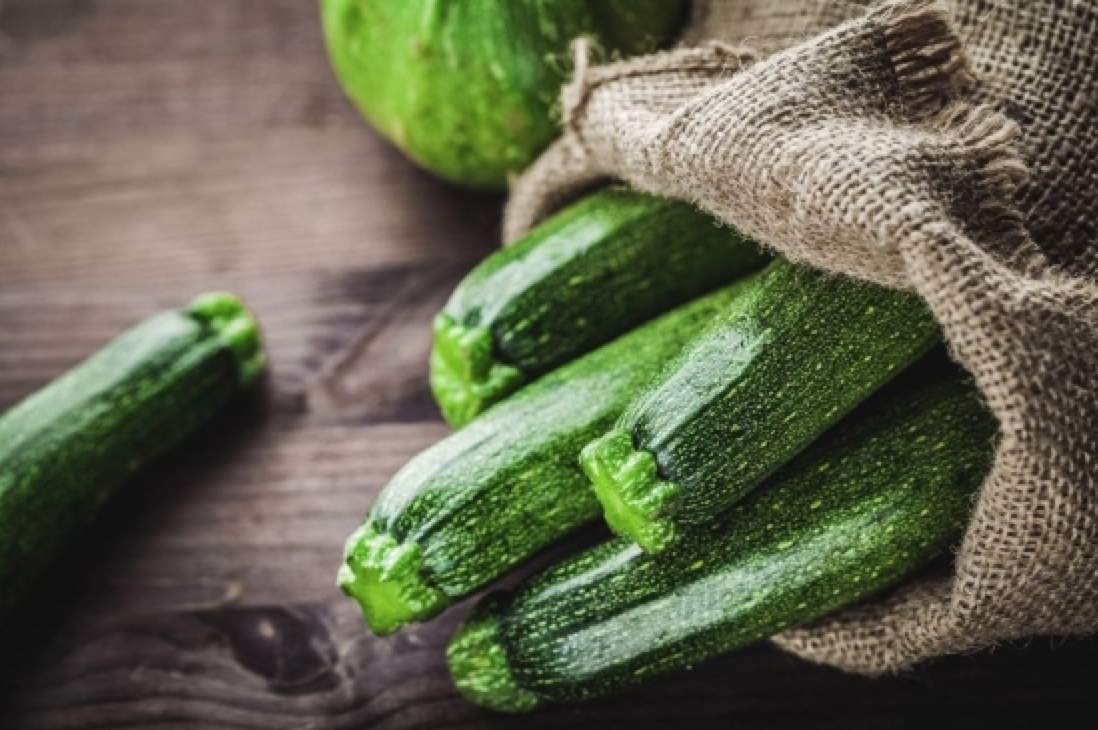
14. Zucchini,  water content: 95%

Although green squash such as zucchini may not sound like the perfect summer snack, it is loaded with lutein and zeaxanthin (which promote healthy vision), manganese (which protects tissue from damage caused by free radicals), and massive amounts of vitamin C. Zucchini also has a very high water content, and is the perfect addition to your summer diet.

15. Celery,  water content: 95%

Celery is a perfect food for satisfying cravings and promoting weight loss, all thanks to its high water and fiber content, and its absurdly low calorie count. At the same time, celery contains vitamins A, C, and K, making it nutritious as well as filling and thirst quenching.

16. Pineapple,  water content: 87%

One of the most popular tropical fruits, pineapples are extremely rich in vitamin C. In fact, 1 cup of fresh pineapple contains over 100% of the recommended daily value of vitamin C. Pineapple is also high in manganese, making it a healthy and energy-rich fruit that will also keep you hydrated.

17. Peaches,  water content: 88%

Another fruit which is great by itself or as a part of a larger meal, peaches are also known to calm upset stomachs and even relieve anxiety (they’re known as the “Fruit of Calmness” in Hungary). Their juicy flesh contains significant amounts of water, and makes a great snack.

18. Cranberries,  water content: 87%

The health benefits of cranberries are widely recognized, which is one of the reasons that cranberry juice is so often mixed with other juices. Cranberries contain vitamin C, fiber, and more antioxidants than almost any other fruit or vegetable. Their high water content makes them a must for those who want to eat healthy and keep hydrated.

19. Blueberries,  water content: 85%

These small, dark berries are often added to other dishes, and are known to help lower cholesterol, and also decrease the risk of diabetes and heart disease. Much like cranberries, they contain incredibly high amounts of antioxidants. And, also like cranberries, blueberries contain a high percentage of water.

20. Cucumberwater content: 96%

If cucumbers contained any more water, they’d probably be a soup. Suffice it to say that cucumbers contain more water than almost any other solid food. And, thanks to their high levels of vitamins, their ability to help flush toxins from the human body, and their usefulness in controlling blood pressure, cucumbers are actually one of the most nutritious foods available.

So, don’t let the summer heat dry you up; grab a few of your favorite hydrating ingredients and make a summer smoothie that will not only quench your thirst, but also nourish your body in the process. Now get out there and enjoy that sun!

[via The Blend]

Thursday, February 6, 2014

The Newbies Guide to Fermenting


Lacto-fermented vegetables are cultured vegetables. You've probably heard of sauerkraut, kim chi, and sour dill pickles, right? These are all forms of lacto-fermentation. Many people use whey as a starter but it is not necessary given you use enough salt. You can also make salt-free cultured vegetables without whey as long as you use some sort of acid, such as lemon juice, to prevent spoilage before the lactobacilli take over. Making your own lacto-fermented veggies is so easy that once you start you'll be hooked!

Traditionally lacto-fermentation was used to preserve the harvest and store vegetables for the winter. If you have a garden full of cabbage, cauliflower, beets, carrots, and green beans and don't know how to store them all, consider making a few batches of lacto-fermented vegetables. These veggies can be stored in your refrigerator for months....if they don't get eaten first!

Lacto-fermented vegetables provide a viable source of probiotics (at a cost well below most supplements) to heal and maintain a healthy gut. These beneficial microorganisms attach to receptors in our guts that send a signal to the immune system that says everything is okay, no need to overreact to foods and other things entering the gut, let's keep everything calm. If you are dealing with multiple allergies, chances are your gut is out of balance and is in need of a daily dose of beneficial microorganisms. These crispy, sour, salty vegetables are highly addicting and an easy, economical way to maintain a healthy gut. These vegetables are also important to include daily if you are following our Elimination Diet.

Lacto-Fermented Vegetables

We've tried fermenting all types of different vegetables. We have fun creating different flavors, some spicy and some not. Our current flavor addiction is beet-basil-dill-carrot-garlic. All of these vegetables combined in one jar is out of this world good....even if you thought you didn't like beets! I have tried using a salt brine made up from anywhere between 1 to 2 tablespoons of sea salt per 2 cups of water. I find that 2 tablespoons is too salty and slows down fermentation, so use anywhere between 1 and 1 1/2 tablespoons. It is very important that you use filtered water for all fermentation. Chlorine in water is great for keeping our water supply clean but not so good for allowing beneficial bacteria to grow and not so good for our guts and overall health.

1 glass quart jar with a plastic lid 1 to 1 1/2 tablespoons sea salt 2 cups filtered water

Any Combination of Raw Organic Vegetables chopped cauliflower chopped beets chopped carrots chopped green beans chopped bell peppers sliced radishes sliced daikon sliced cucumbers chopped turnips chopped broccoli chopped kale chopped onions chopped green onions chopped garlic cabbage leaves (for the top)

Any Combination of Herbs and Spices dried chili peppers black peppercorns bay leaf fresh dill fresh basil fresh tarragon fresh mint sea vegetables (arame or hijiki) - use less salt if using these

First dissolve your sea salt in water in a glass jar or 2-cup glass measure. Then place you favorite combination of vegetables into a quart jar (you can use a larger cylindrical jar or ceramic crock instead, just double or triple the salt brine keeping the same ratio of salt and water). Add a few layers of herbs and spices too. I prefer to keep the peppercorns in the first layer, on the bottom of the jar, so they don't float to the top. Make sure you leave about an inch from the top of the jar.

Then cover with your salt brine, leaving about an inch to a half inch from the top. Fold a small cabbage leaf and press it into the brine so the water floats above it and the vegetables are completely submerged. Cover with a plastic lid (it is best not to use metal as the salt and acids can corrode it, though I have used them occasionally if that is all I have). Screw the lids on tightly. After day 2 or 3 begin to "burp" your jars once or twice daily to let excess gasses escape. You can do this by unscrewing the lid just enough to hear the gasses release and then quickly tightening it back up. You should see a bit of bubbling and some liquid possibly dripping out after about day three, depending on the heat level in your home. I like to place my jars into some sort of container, like a rectangular Pyrex dish, to catch any drips. Set your jars in an undisturbed place in your kitchen out of direct sunlight. I like to store mine on top of my refrigerator.

You can taste the veggies after about five days to see how soured they are. I prefer to let mine ferment for about 7 to 8 days in the winter and 5 to 6 days in late summer. I have also let them ferment for 10 or more days. Just experiment, there is no exact science with fermentation. After your veggies are soured to your liking place the jar (or jars) into your refrigerator where they will store for months.

Use your vegetables to top cooked quinoa, beans, and chopped leafy greens. Serve them atop grilled fish or chicken. Serve them with scrambled eggs for breakfast. I like to add them to salmon or chicken salads made with mayonnaise. And try to restrain yourself from eating the whole jar in one sitting....it may be a little too much salt all at once! You can also whisk some of the leftover brine with olive oil, a squirt of dijon mustard, and a dash of honey for a probiotic salad dressing!

Tuesday, September 17, 2013

Planting a Fall Garden the Easy Way

Fall doesn’t have to be a time in your garden when your bountiful summer crops simply start to slow down. In fact, in most areas of the country, fall can be one of the most productive times of year in your garden. Many crops thrive in the cooler weather of autumn, and even into winter with a bit of protection. Think spinach, lettuce, beets, carrots, cabbage, parsnips, turnips, radishes, broccoli, kale, chard, mustard greens — the list goes on!

One main question gardeners have about planting a fall garden is, “When should I plant?” No gardener wants to spend time adding compost and putting in new crops, only to have winter’s frosty chill come along and stall or kill the plants before they’ve produced harvestable yields.

In steps a tool we’ve been raving about for a few years now: the Vegetable Garden Planner. This online tool allows you to create a snazzy digital plan of your fall garden. You draw your beds, click on whatever crops you want to grow, and arrange them in your garden. The tool automatically spaces the crops for you. Then, you click on the “Plant List” button within the Garden Planner, and it tells you the window of time in which to plant each crop based on your exact location (you plug in your ZIP code when you begin), along with an expected harvest window for each.

New to the Garden Planner this year are various “garden objects” you can place in your plan. Especially useful for fall gardening are the season-extension devices you can add. Choose from hoop houses, cold frames, row covers, greenhouses, heated greenhouses and more. Just place whatever devices you’re using in your garden directly over the crops you plan to protect. The possible planting times and harvest windows will adjust for those crops.


In the image above, I’ve added a small hoop house over the left garden bed. Inside the hoop house, I’m growing spinach, kale and leaf lettuce. I’ve also added a small cold frame next to my shed, off the right. In the cold frame, I’ve indicated that I’ll be growing some mustard greens. If you like, you can add labels such as “hoop house” or “cold frame” next to these objects.

Of course, other crops were in these same beds earlier in the year — and that’s OK. For each crop you add to your garden plan, you can specific exactly which months it will be in the ground. When you remove summer crops such as zucchini and add some fall crops in the same spot, you just make those timing adjustments right in the Planner. The tool even tells you which crop family each crop belongs to, and warns you if you’re about to violate crop-rotation practices. You can see in the plan above that the kale, cabbage and mustard greens all have a light green shadow around them. The size of the shadow indicates how much space these crops will take up in your garden, and the color of the shadow tells you the crop family — in this case, that these are all brassicas. These features are so cool — and save me a lot of time!

If you live in an area with HOT summers — meaning spring and fall are definitely your prime growing seasons—you can tell the Garden Planner to “split” your seasons. When you do this, you’ll get two sets of planting windows and harvest windows: one for early in the year and one for late in the year. Fall gardeners can take advantage of this feature, too. If you want to plant lettuce, for example, in spring and in fall, just “split” your seasons to get two recommended planting times for the year.

For more fall gardening tips, see Grow Your Best Fall Garden. Happy gardening! We wish you bountiful harvests in every season.

Tuesday, September 3, 2013

25 Healthiest, Nutrient-Dense Foods


In an ideal world, we wouldn’t go first to a pharmacist to address maladies ranging from the common cold to cancer; instead, we’d create grocery shopping lists aimed at fostering optimal health. Good nutrition may not cure disease, but a growing body of research shows it could do something even more powerful: help prevent disease. “By choosing foods wisely, we can control our health destiny,” says Joel Fuhrman, MD, author of Eat for Health (Gift of Health, 2008). “But we can’t make small, moderate changes to the average diet and expect prevention; we need to make aggressive, radical changes.”

Fuhrman developed a comprehensive nutrient-per-calorie ranking system, which he calls the Aggregate Nutrient Density Index (ANDI). The charts on the following pages list the top ANDI-ranked foods by category. Use them as guides to make the healthiest eating choices for you and your family.

~ Top 6 Vegetables ~

Vegetables are low in calories and loaded with fiber and micronutrients—vitamins, minerals, and phytochemicals— so eat them in unlimited quantities (exceptions: starches such as potatoes, yams, and corn).

Smart tip: Start lunch and dinner with a serving of raw vegetables, such as a large salad or crudités, to increase nutrient intake and help control appetite.

1. Dark Leafy Greens

Nutrients: Vitamins A, C, and K, folate, manganese, magnesium, calcium, fiber
Health Boosts: May promote eye health (thanks to carotenoids, a group of pigments found mainly in green leafy vegetables, carrots, and tomatoes), fight cancer, and reduce diabetes risk (vitamin K improves insulin sensitivity and blood glucose control).
Recipes:
Garlicky Mustard Greens with Garbanzos
Dandelion and Watercress Salad with Ginger Dressing
Kale with Sesame Seed Dressing

2. Bok Choy

Nutrients: Vitamin C, folate, calcium, fiber
Health Boosts: May help promote bone health and support immunity.
Recipes:
Braised Baby Bok Choy with Ginger and Garlic
Bok Choy Stir-Fry with Shrimp
Baby Bok Choy

3. Brussels Sprouts

Nutrients: Vitamins A, C, and K, folate, manganese, fiber, potassium, vitamin B6
Health Boosts: Linked to reduced cancer risk, especially breast and colon cancers.
Recipes:
Mustard-Glazed Brussels Sprouts with Hazelnuts
Brussels Sprouts in Sage Butter
Stir-Fried Brussels Sprouts with Shallots

4. Radishes

Nutrients: Vitamin C, fiber, folate
Health Boosts: Help with weight control; may boost the immune system.
Recipes:
Radish, Fennel & Dandelion Salad
Black-Eyed Pea, Corn, and Radish Salad

5. Bean Sprouts

Nutrients: Vitamins C and K, folate, protein, potassium
Health Boosts: May boost satiety and assist in weight management.
Recipes:
Seaweed Salad with Bean Sprouts and Tofu
Chilled Tofu with Bean Sprouts

6. Red Bell Peppers

Nutrients: Vitamin C (three times as much as green bell peppers), vitamins A, B6, and K, fiber, manganese, folate
Health Boosts: May promote heart health. Vitamin C supports immunity; carotenoids may decrease risk of certain types of cancer, including lung cancer.
Recipes:
Grilled Red Peppers and Tomato


~ Top 5 Fruits ~

Eat at least four fresh fruits daily for the maximum variety of phytochemicals. Frozen fruit is a fine substitute, but avoid canned, which often contains added sweeteners. For weight loss and diabetes or prediabetes management, eat just two fruits daily, focusing on lower-sugar options such as berries, green or Granny Smith apples, melons, grapefruit, oranges, kiwifruit, and papaya.

1. Strawberries

Nutrients: Vitamin C, potassium, fiber, folate, flavonoids
Health Boost: May have anti-inflammatory, anticancer effects and promote brain health; may lower cholesterol and improve the effectiveness of cholesterol-lowering diets.
Recipes:
Fresh Strawberries with Balsamic Vinegar
Strawberry Sunrise Shake

2. Pomegranate Juice

Nutrients: Antioxidants, flavonoids, potassium, fiber, calcium
Health Boost: Studies indicate that pomegranate juice has antiatherogenic (protects against plaque in the arteries), antioxidant, antihypertensive, and anti-inflammatory effects that help fight heart disease, certain types of cancer, and brain degeneration.
Recipes:
Squash Tart with Fresh Pomegranate Juice

3. Tomatoes

Nutrients: Vitamins A, B, and C, potassium, iron, folic acid, phosphorus, carotenoids, fiber
Health Boost: Lycopene, a potent antioxidant in tomatoes, may prevent certain cancers, protect skin from UV rays, and promote overall prostate health.
Recipes:
Indian-Seasoned Tofu with Tomatoes
Quinoa and Salmon Stew with Tomatoes

4. Plums

Nutrients: Fiber, vitamins A and C
Health Boost: Plums help support immunity and may help slow development of artherosclerosis. Polyphenols from dried plums may promote bone strength and density by regulating growth factors linked to bone formation.
Recipes:
Curried Chicken with Dried Plums
One-Pan Baked Chicken with Peaches and Plums
Lettuce Wraps with Chicken in Plum Sauce

5. Raspberries

Nutrients: Manganese, vitamin C, fiber
Health Boost: Anthocyanins—red plant pigments—may protect eyes and improve heart health by preventing artery hardening and reducing blood pressure; ellagic acid, a phytochemical, helps kill certain types of cancer cells.
Recipes:
Raspberry Soup
Apple, Raspberry, and Frisée Salad
Melon and Berry Salad


~ Top 4 Beans and Legumes ~

Eat at least 1⁄2 cup of beans daily. Try adding them to soups, stews, and salads. Dried beans are the most economical; if you’re buying canned, look for unsalted and BPA-free varieties. To avoid gas or bloating, soak dried beans for 8 to 12 hours and slow cook with a piece of sea vegetable, such as wakame.

1. Lentils

Nutrients: Protein, fiber, folate, iron, manganese, magnesium
Health Boost: Folate may improve colon, breast, and brain health and lower blood pressure.
Recipes:
Green Lentils and Seasoned Walnuts
Curried Lentils
Grilled Salmon with Lentils and Curried Mint Yogurt

2. Black Beans

Nutrients: Iron, fiber, protein, folate, manganese, magnesium
Health Boost: Some of the best sources of antioxidants, as indicated by their dark color; may protect against colorectal cancer and slow tumor growth.
Recipes:
Cuban Black Bean & Rice Soup
Tex-Mex Bean Salad
Black Beans Cakes with Orange Basil Salsa

3. Adzuki Beans

Nutrients: Protein, fiber, iron, magnesium, potassium, zinc, folate
Health Boost: Promote heart health; help manage weight.
Recipes:
Oriental Bean Cakes

4. Red Kidney Beans

Nutrients: Folate, fiber, manganese, protein, iron, tryptophan, phosphorus
Health Boost: Promote heart health; may help prevent diabetes.
Recipes:
Kidney Bean & Butternut Squash Soup
Baked Winter Squash with Heirloom Beans and Hominy


~ Top 5 Grains ~

Not all whole-grain products are good foods, says Fuhrman. Breakfast cereals and some breads, for example, lose much of their fiber and micronutrients during processing. Choose coarsely ground grains, which the bloodstream absorbs more slowly, and always look for “whole” on the package (or the Whole Grains Council’s 100 Percent Whole Grain stamp). Whole grains should appear among the first items in the ingredient list. 

1. Oats

Nutrients: Fiber, protein, calcium, iron
Health Boost: Beta-glucan, a soluble fiber, can slow the release of sugar into the bloodstream to help fight diabetes. Oats also lower cholesterol and may reduce risk of heart disease and cancer.
Recipes:
Quick Apple-Cranberry Oatmeal
Mixed Whole-Grain Breakfast

2. Brown Rice

Nutrients: Fiber, manganese, selenium, magnesium, phosphorus
Health Boost: May improve blood glucose control; helps control weight and manage cholesterol, and may decrease asthma risk.
Recipes:
Puffed Brown Rice Tabbouleh with Red Cabbage

3. Sprouted Grain Bread

Nutrients: Fiber, protein, vitamin B1
Health Boost: When grain seedlings sprout, enzymes convert some of the fats and carbohydrates into vitamins, minerals, and amino acids; sprouted-seed breads are more filling and have less of a spiking impact on blood sugar than other breads.
Recipes:
Sprouted Spelt and Seed Bread

4. Barley

Nutrients: Fiber, folic acid, iron, calcium, magnesium, phosphorus, potassium, vitamin E
Health Boost: Look for hulled barley, which contains more nutrients than pearl barley. The FDA recently confirmed the qualified health claim linking whole-grain barley to a reduced risk of coronary heart disease; soluble fiber lowers cholesterol and stabilizes blood glucose levels.
Recipes:
Barley and Spinach-Stuffed Bell Peppers
Lima Bean, Mushroom and Barley Soup

5. Quinoa

Nutrients: Protein, calcium, lysine, iron, magnesium, vitamin E, potassium, phosphorus, fiber
Health Boost: Bolsters heart health; may protect against certain types of cancer, including breast cancer.
Recipes:
Quinoa and Wild Rice
Quinoa & Pecan Salad with Dried Cranberries
Quinoa with Mixed Vegetables


~ Top 5 Nuts and Seeds ~

Despite being high in calories, nuts and seeds are rich in essential fatty acids, which promote brain and heart health. Most women should limit intake to 1 ounce per day and men to 2 ounces (about a handful), especially when trying to lose weight. Increase servings if you need to fuel athletic efforts.

1. Brazil Nuts

Nutrients: Selenium, calcium, magnesium, omega-3 fatty acids, protein, vitamin A, iron
Health Boost: One of the richest sources of selenium, Brazil nuts may bolster immunity, reduce the risk of cancer, and promote liver health.
Recipes:
Fresh Vegetable Rolls with Mango and Tamarind Sauce

2. Sunflower Seeds

Nutrients: Vitamins B1, B5, and E, manganese, magnesium, selenium, phosphorus, folate
Health Boost: May help prevent cardiovascular disease and alleviate arthritis symptoms.
Recipes:
Soy Nut Trail Mix

3. Flaxseeds

Nutrients: Lignans (phytoestrogens), fiber, omega-3s, alpha-linolenic acid (ALA)
Health Boost: May prevent colon, breast, skin, and lung cancers; can help treat rheumatoid arthritis and other inflammatory diseases; may decrease cholesterol levels, arterial plaque formation, and diabetes risk.
Recipes:
Fresh Ricotta with Arugula and Flaxseed Pizza
Buckwheat-Flaxseed Blueberry Pancakes

4. Sesame Seeds

Nutrients: Protein, calcium, vitamin B3, iron, zinc
Health Boost: May decrease breast cancer risk.
Recipes:
Carrot Salad with Sesame Seeds

5. Pumpkin Seeds

Nutrients: Protein, iron, zinc, omega-3s, manganese, magnesium, phosphorus
Health Boost: Help reduce cholesterol; may promote prostate health.
Recipes:
Luscious Beet Salad with Toasted Pumpkin Seeds
Butternut Squash Soup with Roasted Pumpkin Seeds