Showing posts with label beef. Show all posts

Friday, August 15, 2014

50 Grain-Free & Paleo Ground Beef Recipes

Whether you’re in a time crunch or are responsibly planning a week in advance, here are some mouth-watering grain-free dishes that call for ground beef (or ground beef can easily be substituted). Enjoy!

Burgers and Meatloaves

http://lovelovething.com/wp-content/uploads/2014/07/Paleo-Burger-with-Caramelized-Balsamic-Onions-Avocado-6.jpg

Paleo Burgers with Caramelized Balsamic Onions & Avocado – Joyful Healthy Eats

Salted Mocha Burgers – Popular Paleo

Stuffed Cheddar Beef Burgers – Delicious Obsessions

Burgers with Egg and Garlic Butter Balsamic – Primally Inspired

Sweet Potato Patties – Cinnamon Eats

http://paleospirit.com/2013/paleo-mini-meatloaves/

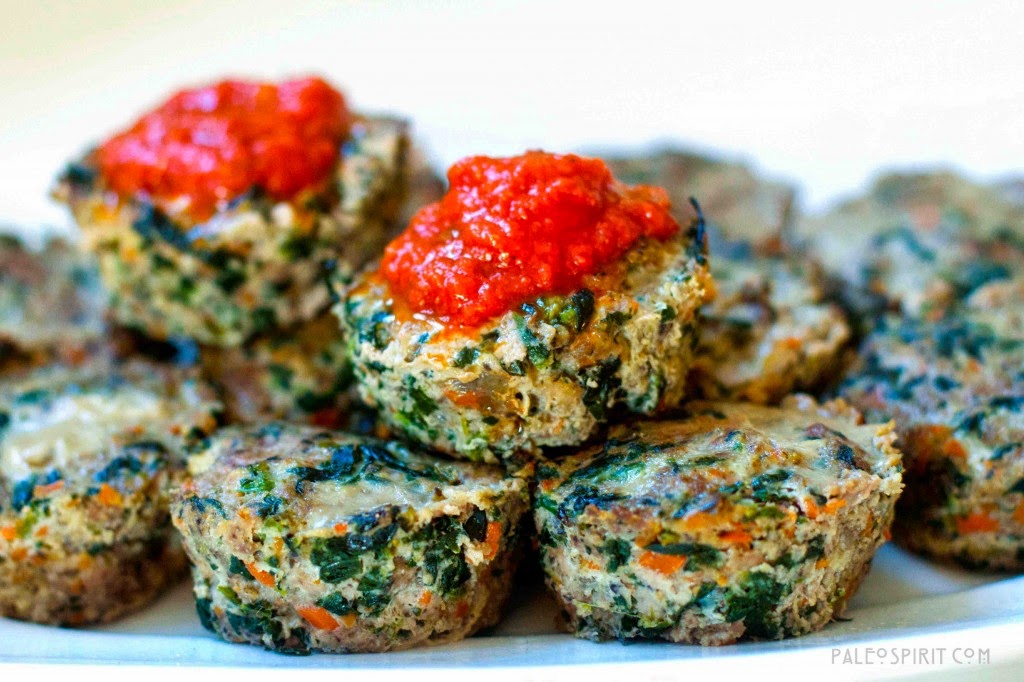
Paleo Mini Meatloaves – Paleo Spirit

Gluten-Free Kangaroo Burgers – Economies of Kale (Can use ground beef! ;) )

Meatballs & Kebabs

Bacon Meatballs with Mango Honey Mustard Sauce – PaleOMG

BBQ Meatballs – Healing Cuisine by Elise

Butternut Squash Meatballs with Zucchini and Carrot – Cinnamon Eats

Hidden Liver Meatballs – Real Food RN

Sweet and Sour Paleo Meatballs – Gutsy By Nature

Meatballs – Food Your Body Will Thank You For

Sweet & Sour Meatballs – Homemade Dutch Apple Pie

Grain-Free Italian Meatballs – Primally Inspired

Baked Chili Meatballs – Recipes to Nourish

Chelo Kebabs – And Here We Are

Kebabs with Roasted Butternut Squash and Zucchini – Cinnamon Eats

Entrees

http://www.theorganickitchen.org/blog-tutorials/zucchini-noodles-with-cranberries-and-walnuts/ 

Zucchini Noodles with Cranberries and Walnuts – The Organic Kitchen

Meatballs with Zucchini and Carrot “Pasta” – Cinnamon Eats

Easiest Crock Pot Taco Meat Ever – Delicious Obsessions

Shepherd’s Pie – Healing Cuisine by Elise

Twice-Baked Cheeseburger Spaghetti Squash – Popular Paleo

Potato-Free Shepherd’s Pie – It Takes Time

Healthy Butternut Squash Shepherd’s Pie – Primally Inspired

Ground Beef Cabbage Wraps – Fearless Eating

Sloppy “Rose” Lettuce Wraps – Recipes to Nourish

Creamy Plantain and Squash Ground Beef Mash – The Healthy Foodie

Paleo Ground Beef Stir-Fry with Wilted Napa Cabbage – Popular Paleo

Homemade Hamburger Helper – Healing Cuisine by Elise

Stuffed Winter Squash – Gutsy By Nature

Italian Spiced Beef Kefta with Avocado Cream Sauce – A Happy Healthnut

Paleo Cabbage Rolls (Galumpkis) – Sweet Potatoes and Social Change

Crock Pot Stuffed Peppers – Homemade Dutch Apple Pie

Furious Furikake Chilli Beef Hash – The Paleo Network

http://www.primalpalate.com/paleo-recipe/zucchini-lasagna/


Zucchini Lasagna – Primal Palate

Spiced Beef Kofte with a Pomegranate Glaze – The Paleo Network

Seriously Delicious Spaghetti Sauce – Holistic Health Herbalist (You can use zoodles (made with this) or spaghetti squash for the noodles)

Grass Fed Meat and Vegetable Muffins – Cinnamon Eats

Grass Fed Persian Spiced Beef and Roasted Butternut Squash – Cinnamon Eats

Spaghetti Squash Frittata Meatza – Real Food RN (you can sub the ground pork for ground beef)

Grain-Free Mexican Flatbread – A Happy Healthnut

Soups & Salads

Bacon and BBQ Burger Salad – Primally Inspired

Black Bean and Kangaroo Chili – Can use ground beef! :)

Grilled Hamburger Salad – Healing Cuisine by Elise

Vegetable Beef Soup – Raising Generation Nourished

Beef & Cabbage Soup – Raia’s Recipes

Love Your Body Chili – Food Your Body Will Thank You For

Slow Cooker Sweet Potato Chili – Farm Fresh Eats (Can omit the corn)

Spicy Paleo Slow Cooker Chili – Oh Snap Let’s Eat

Taco Salad with Cilantro-Mint Guacamole Sauce – Recipes to Nourish

Thursday, October 3, 2013

Grass-Fed vs. Feedlot Beef - What's the difference?

If asked, most people could not tell you where the meat on their plate came from. In fact, if they wanted to know, it would be darned difficult – if not impossible – to find out. On the other hand, while they may imagine that the beef cow they are eating was once frolicking on lush green pastures, the average American today would NOT want to meet their dinner while it was still standing.

No, Virginia, not all cows eat grass.

That lovely image of a herd of cattle happily munching away and contentedly chewing their cud is mostly a figment of your imagination. Over the last 70 years, the beef industry has evolved into an intense, industrial enterprise designed to put as much weight on animals as fast as possible and get the resulting meat to market as quickly as possible.

To do that, beef cattle – who are by nature ruminants (grass eaters) – are hustled off the pasture where they spent their first six months of life to spend the next six to eight months packed into confined animal feeding operations (CAFOs) with no green pasture in sight. In those feedlots, they are fed grain – lots of grain – to bring them up to the target weight for slaughter. Since it takes as much as 7 pounds of grain (corn, barley, soybeans, and other grain) to develop a pound of meat and those cattle gain about 3 pounds a day, that’s a lot of feed.

At the same time, to keep the cattle gaining weight, they are given growth hormones and antibiotics. According to the Union of Concerned Scientists, 70% of all antibiotics used in the United States are fed to livestock. And, as many as six different growth hormones may be given to beef cattle, three of which occur naturally and three of which are synthetic.

Since those animals are eating 50 to 60 pounds of feed a day, a quick look at the source of that feed is important. Forty-four percent of the corn grown in the US is used for animal feed, and 86% of the corn planted in 2010 was bio-engineered varieties that contained insect- or herbicide-resistant genes (or both). Fifty-nine percent of the soybean harvest is crushed for oil, however the meal left over from the crush is used as animal feed. A whopping 94% of all soybeans grown are genetically engineered to be herbicide tolerant.

Meat and potatoes, please…

Researchers have linked serious health problems such as heart disease, stroke, diabetes, and certain types of cancer to heavy meat consumption. Americans eat more meat than ever before, and most of it is high in saturated fats.

We consume about 67 pounds of beef a year for each person – man, woman, and child. And those animals eat a lot of corn and other grain: most beef cattle are “finished” on grain before slaughter; only a very small percentage is entirely “grass-fed.”

Ah, back to that question – don’t cows eat grass? More and more farmers and ranchers are raising grass-fed beef on a natural diet consisting of fresh grasses, legumes, and other plants and allowing them to roam about.

Many are choosing to follow organic practices in their herd management, which are clearly healthier and more humane for the animals. The good news is that meat from those animals is free of antibiotics, steroids, hormones, pesticides, herbicides and other potentially toxic substances. The bad news is that it can take nearly two years to bring those animals to market on grass.

You Are What You Eat Eats Too


Studies have shown that an animal’s diet can have an impact on the nutritional content of the meat on the consumer’s table. Grass-fed meat has been shown to contain less fat, more beneficial fatty acids, and more vitamins and to be a good source of a variety of nutrients. According to a study published in the Journal of Animal Science in 2009, eating grass-fed beef provides many benefits to consumers.

Grass Fed Beef Benefits to Consumers

  • Lower in total fat
  • Higher in beta-carotene
  • Higher in vitamin E (alpha-tocopherol)
  • Higher in the B-vitamins thiamin and riboflavin
  • Higher in the minerals calcium, magnesium, and potassium
  • Higher in total omega-3s
  • A healthier ratio of omega-6 to omega-3 fatty acids (1.65 vs 4.84)
  • Higher in CLA (cis-9 trans-11), a potential cancer fighter
  • Higher in vaccenic acid (which can be transformed into CLA)
  • Lower in the saturated fats linked with heart disease
Lower Fat – Meat from grass-fed cattle is much lower in fat, and therefore lower in calories. A 6-ounce steak from a grass-finished animal has almost 100 fewer calories than the same sized-piece from a grain-fed animal. If, like the average American, you eat about 67 pounds of beef a year, switch to grass-fed beef and you’ll save nearly 18,000 calories a year.

Omega-3 Fatty Acids – Omega-3 fatty acids are fats that are essential to human health. Sixty percent of the fatty acids in grass is omega-3, which is formed in the chloroplasts of green leaves. Grass-fed cattle can contain as much as two-to-four times more omega-3 fatty acids than grain-fed animals.

At the same time, a high ratio of omega-6 to omega-3 fatty acids has been linked with an increased risk of cancer, cardiovascular disease, allergies, depression, obesity, and autoimmune disorders. A ratio of four to one or lower is considered ideal, Grain-fed beef has a much higher ratio of omega-6 to omega-3 fatty acids than wild game or grass-fed beef. In grass-fed beef the ratio is approximately 2 to 1, while the ratio in grain-fed beef is more than 14 to 1.

More Vitamins – In humans vitamin E is linked with la lower risk of heart disease and cancer. Meat from grass-fed cattle is higher in vitamin E.; as much as four times higher in vitamin E than meat from feedlot cattle.

Rich source of CLA – Meat from grass-fed animals is the richest known source of “conjugated linoleic acid” or CLA. Grass-fed cattle have been found to produce 2 to 5 times more CLA than cattle fed high grain feedlot diets. In laboratory animals, a diet containing even a small amount of CLA greatly reduced cancerous growths.

Shop Local for Grass Fed Meat

Finding grass fed meats in you community is getting much easier than it used to be as more and more small ranches are popping up across the USA. It's now common to find grass fed beef and lamb at local farmers markets. The best value is to buy the cow 'on the hoof' which means that you are buying the whole cow- bones, skin and all. The cow is then processed at a butcher and the individual cuts are delivered individually wrapped and labeled ready for your home freezer.

A growing trend among friends and family is sharing a whole cow (also known as cow-pooling, as in car-pooling). This is much easier for the rancher so he can pass the savings on to you. A 1/4 share of a whole grass fed cow usually results in between 150-250 pounds of finished beef depending on the breed and size of the cow.

Thursday, July 18, 2013

7 Foods You Should Always Avoid


Clean eating means choosing fruits, vegetables, and meats that are raised, grown, and sold with minimal processing.

Often they're organic, and rarely (if ever) should they contain additives. But in some cases, the methods of today's food producers are neither clean nor sustainable. The result is damage to our health, the environment, or both. So we decided to take a fresh look at food through the eyes of the people who spend their lives uncovering what's safe—or not—to eat. We asked them a simple question: "What foods do you avoid?" Their answers don't necessarily make up a "banned foods" list. But reaching for the suggested alternatives might bring you better health—and peace of mind.

1. Canned Tomatoes

Fredrick Vom Saal, PhD, an endocrinologist at the University of Missouri who studies bisphenol-A, gives us the scoop:

The problem: The resin linings of tin cans contain bisphenol-A, a synthetic estrogen that has been linked to ailments ranging from reproductive problems to heart disease, diabetes, and obesity. Unfortunately, acidity (a prominent characteristic of tomatoes) causes BPA to leach into your food. Studies show that the BPA in most people's body exceeds the amount that suppresses sperm production or causes chromosomal damage to the eggs of animals. "You can get 50 mcg of BPA per liter out of a tomato can, and that's a level that is going to impact people, particularly the young," says vom Saal. "I won't go near canned tomatoes."

The solution: Choose tomatoes in glass bottles (which do not need resin linings), such as the brands Bionaturae and Coluccio. You can also get several types in Tetra Pak boxes, like Trader Joe's and Pomi.

Budget tip: If your recipe allows, substitute bottled pasta sauce for canned tomatoes. Look for pasta sauces with low sodium and few added ingredients, or you may have to adjust the recipe.


2. Corn-Fed Beef

Joel Salatin, co-owner of Polyface Farms and author of half a dozen books on sustainable farming, gives us the scoop:

The problem: Cattle evolved to eat grass, not grains. But farmers today feed their animals corn and soybeans, which fatten up the animals faster for slaughter. But more money for cattle farmers (and lower prices at the grocery store) means a lot less nutrition for us. A recent comprehensive study conducted by the USDA and researchers from Clemson University found that compared with corn-fed beef, grass-fed beef is higher in beta-carotene, vitamin E, omega-3s, conjugated linoleic acid (CLA), calcium, magnesium, and potassium; lower in inflammatory omega-6s; and lower in saturated fats that have been linked to heart disease. "We need to respect the fact that cows are herbivores, and that does not mean feeding them corn and chicken manure," says Salatin.

The solution:
Buy grass-fed beef, which can be found at specialty grocers, farmers' markets, and nationally at Whole Foods. It's usually labeled because it demands a premium, but if you don't see it, ask your butcher.

Budget tip:
Cuts on the bone are cheaper because processors charge extra for deboning. You can also buy direct from a local farmer, which can be as cheap as $5 per pound. To find a farmer near you, search allorganiclinks.com.

3. Microwave Popcorn

Olga Naidenko, PhD, a senior scientist for the Environmental Working Group, gives us the scoop:

The problem:
Chemicals, including perfluorooctanoic acid (PFOA), in the lining of the bag, are part of a class of compounds that may be linked to infertility in humans, according to a recent study from UCLA. In animal testing, the chemicals cause liver, testicular, and pancreatic cancer. Studies show that microwaving causes the chemicals to vaporize—and migrate into your popcorn. "They stay in your body for years and accumulate there," says Naidenko, which is why researchers worry that levels in humans could approach the amounts causing cancers in laboratory animals. DuPont and other manufacturers have promised to phase out PFOA by 2015 under a voluntary EPA plan, but millions of bags of popcorn will be sold between now and then.

The solution: Pop natural kernels the old-fashioned way: in a skillet. For flavorings, you can add real butter or dried seasonings, such as dillweed, vegetable flakes, or soup mix.

Budget tip: Popping your own popcorn is dirt cheap.

4. Non-Organic Potatoes

Jeffrey Moyer, chair of the National Organic Standards Board, gives us the scoop:

The problem:
Root vegetables absorb herbicides, pesticides, and fungicides that wind up in soil. In the case of potatoes—the nation's most popular vegetable—they're treated with fungicides during the growing season, then sprayed with herbicides to kill off the fibrous vines before harvesting. After they're dug up, the potatoes are treated yet again to prevent them from sprouting. " Try this experiment: Buy a conventional potato in a store, and try to get it to sprout. It won't," says Moyer, who is also farm director of the Rodale Institute (also owned by Rodale Inc., the publisher of Prevention). "I've talked with potato growers who say point-blank they would never eat the potatoes they sell. They have separate plots where they grow potatoes for themselves without all the chemicals."

The solution: Buy organic potatoes. Washing isn't good enough if you're trying to remove chemicals that have been absorbed into the flesh.

Budget tip: Organic potatoes are only $1 to $2 a pound, slightly more expensive than conventional spuds.

5. Farmed Salmon

David Carpenter, MD, director of the Institute for Health and the Environment at the University at Albany and publisher of a major study in the journal Science on contamination in fish, gives us the scoop:

The problem:
Nature didn't intend for salmon to be crammed into pens and fed soy, poultry litter, and hydrolyzed chicken feathers. As a result, farmed salmon is lower in vitamin D and higher in contaminants, including carcinogens, PCBs, brominated flame retardants, and pesticides such as dioxin and DDT. According to Carpenter, the most contaminated fish come from Northern Europe, which can be found on American menus. "You could eat one of these salmon dinners every 5 months without increasing your risk of cancer," says Carpenter, whose 2004 fish contamination study got broad media attention. "It's that bad." Preliminary science has also linked DDT to diabetes and obesity, but some nutritionists believe the benefits of omega-3s outweigh the risks. There is also concern about the high level of antibiotics and pesticides used to treat these fish. When you eat farmed salmon, you get dosed with the same drugs and chemicals.

The solution:
Switch to wild-caught Alaska salmon. If the package says fresh Atlantic, it's farmed. There are no commercial fisheries left for wild Atlantic salmon.

Budget tip: Canned salmon, almost exclusively from wild catch, can be found for as little as $3 a can.

6. Milk Produced with Artificial Hormones

Rick North, project director of the Campaign for Safe Food at the Oregon Physicians for Social Responsibility and former CEO of the Oregon division of the American Cancer Society, gives us the scoop:

The problem: Milk producers treat their dairy cattle with recombinant bovine growth hormone (rBGH or rBST, as it is also known) to boost milk production. But rBGH also increases udder infections and even pus in the milk. It also leads to higher levels of a hormone called insulin-like growth factor in milk. In people, high levels of IGF-1 may contribute to breast, prostate, and colon cancers. "When the government approved rBGH, it was thought that IGF-1 from milk would be broken down in the human digestive tract," says North. As it turns out, the casein in milk protects most of it, according to several independent studies. "There's not 100% proof that this is increasing cancer in humans," admits North. "However, it's banned in most industrialized countries."

The solution: Check labels for rBGH-free, rBST-free, produced without artificial hormones, or organic milk. These phrases indicate rBGH-free products.

Budget tip: Try your grocer's private label, but make sure it does not use rBGH.

7. Conventional Apples

Mark Kastel, former executive for agribusiness and codirector of the Cornucopia Institute, a farm-policy research group that supports organic foods, gives us the scoop:

The problem: If fall fruits held a "most doused in pesticides contest," apples would win. Why? They are individually grafted (descended from a single tree) so that each variety maintains its distinctive flavor. As such, apples don't develop resistance to pests and are sprayed frequently. The industry maintains that these residues are not harmful. But Kastel counters that it's just common sense to minimize exposure by avoiding the most doused produce, like apples. "Farm workers have higher rates of many cancers," he says. And increasing numbers of studies are starting to link a higher body burden of pesticides (from all sources) with Parkinson's disease.

The solution: Buy organic apples.

Budget tip: If you can't afford organic, be sure to wash and peel them. But Kastel personally refuses to compromise. "I would rather see the trade-off being that I don't buy that expensive electronic gadget," he says. "Just a few of these decisions will accommodate an organic diet for a family."

[via Prevention]

Monday, December 17, 2012

Revealed: What the Beef Industry Pumps Into Your Dinner

A common industry practice puts consumers at higher risks for eating food contaminated by deadly pathogens -- and that's just the tip of the iceberg. 

By Tara Lohan


If acclaimed authors Upton Sinclair (The Jungle), Jeremy Rifkin (Beyond Beef) and John Robbins (Diet for a New America) haven't given you enough reasons over the last century to be wary of the meat industry, then a year-long investigation by the Kansas City Star may do the trick.

Mike McGraw kicks off the KC Star's investigative series by introducing Margaret Lamkin, who has been forced to wear a colostomy bag for the rest of her life, after a medium-rare steak she ordered three years ago at Applebee's was contaminated with a pathogen. The resulting illness destroyed her colon.

Of course we already know about E. coli and other food-borne pathogens; people have gotten sick from everything from spinach to peanut butter. But the news here is that what sickened Lamkin wasn't just the meat, but a process the industry uses to tenderize it. McGraw explains :
The Kansas City Star investigated what the industry calls "bladed" or "needled" beef, and found the process exposes Americans to a higher risk of E. coli poisoning than cuts of meat that have not been tenderized.

... Although blading and injecting marinades into meat add value for the beef industry, that also can drive pathogens - including the E. coli O157:H7 that destroyed Lamkin's colon - deeper into the meat.
By using this process (which according to the story, 90 percent of processors will use, depending on the cut), people are at a greater risk of exposure to life-threatening illness. And consumers have no way of knowing whether their meat has undergone this process.

Ending up with a fecal-contaminated burger is bad, but it's just the beginning of what the investigation uncovered. Here are the other key findings, as McGraw writes:
  • Large beef plants, based on volume alone, contribute disproportionately to the incidence of meat-borne pathogens.
  • Big Beef and other processors are co-mingling ground beef from many different cattle, some from outside the United States, adding to the difficulty health officials have tracking contaminated products to their source. The industry also has resisted labeling some products, including mechanically tenderized meat, to warn consumers and restaurants to cook it thoroughly.
  • Big Beef is injecting millions of dollars of growth hormones and antibiotics into cattle, partly to fatten them quickly for market. Many experts believe that years of overuse and misuse of such drugs contributes to antibiotic-resistant pathogens in humans, meaning illnesses once treated with a regimen of antibiotics are much harder to control.
  • Big Beef is using its political pull, public relations campaigns and the supportive science it sponsors to influence federal dietary guidelines and recast steaks and burgers as "health foods" people should eat every day. It even persuaded the American Heart Association to certify beef as "heart healthy."
Read the full investigation, and think about how this scenario fits into the larger picture of what we deem acceptable as a food system. Just last month Consumer Reports shared frightening findings about pork.
And there is a ray of good news. Ocean Robbins wrote today:
People are taking an increasing interest in the way that the animals raised for food are treated. In fact, a poll conducted by Lake Research partners found that 94 percent of Americans agree that animals raised for food on farms deserve to be free from cruelty. Nine U.S. states have now joined the entire European Union in banning gestational crates for pigs, and Australia's two largest supermarket chains now sell only cage-free eggs in their house brands.
The demand is growing for food that is organic, sustainable, fair trade, GMO-free, humane, and healthy. In cities around the world, we're seeing more and more farmer's markets (a nearly three-fold increase in the last decade), and more young people getting back into farming. Grocery stores (even big national chains) are displaying local, natural and organic foods with pride. The movements for healthy food are growing fast, and starting to become a political force.

Investigations like the one done by the Kansas City Star are crucial for public education, as is support for the growing food movement that needs help in turning purchasing power at the market into political power that can affect decisions about food safety and industry practices.

"Big agribusiness would probably like us all to sit alone in the dark, munching on highly processed, genetically engineered, chemical-laden, pesticide-contaminated pseudo-foods," Robbins writes. "But the tide of history is turning, and regardless of how much they spend attempting to maintain their hold on our food systems, more and more people are saying NO to foods that lead to illness, and YES to foods that help us heal."

Tuesday, July 24, 2012

Grassfed vs Grainfed


Grassfed
-Cattle eat their natural diet of grasses
-No antibiotic
-No hormones
-Cattle roam open pasture to feed
-Cattle naturally take 1.5-2 years to mature

Grainfed
-Cattle eat 90% corn
10% other: forage, cheap high energy feeds like candy, starch, bakery waste, potato waste, pasta, chicken litter, meat processing waste

-Antibiotics: 29 million pounds were used on American livestock in 2009 for illness & growth promotion

-Hormones: Implants or injections are used to increase growth rate by 10-15

-Confined Feedlots: Restricting movement prevents cattle from using energy so that they fatten quicker

-1 year to maturity: The combination of high-energy foods, drugs and confinement turns cows into cheap meat in half the time


Meat Composition of grassfed cows is significantly healthier when analyzed for fat and nutrient content: 
Grassfed: 
2-4x more Omega 3
5x more CLA*
More vitamins
More minerals

Grainfed
4x more fat per 3oz serving