Showing posts with label make at home. Show all posts

Monday, October 27, 2014

Natural Moisturizers for Winter Skin Care

Keep your skin glowing through the dry winter days. Try these natural moisturizers for winter skin care.


Plant-derived oils and naturally sourced fats and ingredients are better for your skin and body than chemical preservatives and stabilizers. Along with the rest of nature, our skin changes as the seasons turn. With winter comes low humidity, which strips skin of its natural moisture, leaving it dry and more susceptible to damage. To protect your skin from the cold, turn to natural moisturizers with healing natural ingredients.

Four Homemade Moisturizers


Moisturizing Basics for Winter Skin Care

When choosing a commercial moisturizer, your first consideration should be your skin type. For oily skin, use a light moisturizer; for normal to oily skin, use a moisturizing lotion; and for dry skin, use a moisturizing cream.

Next, analyze a product’s ingredient list: Nearly every moisturizer contains some combination of emollients, humectants, emulsifiers, “active ingredients” and penetration enhancers.

Emollients, such as phospholipids and lecithin, soften, heal and hydrate. Plant oils such as olive, castor, jojoba and coconut make great emollients because they mimic the soothing oils our own skin produces.

Humectants attract moisture to the skin. Look for moisturizers made with glycerin and sorbitol derived from natural sources. (To find out if the ingredients are from natural sources, consult the ingredients list or peruse the company’s website.)

Emulsifiers are used to keep the ingredients in a moisturizer from separating. Lanolin is an excellent natural emulsifier. Similar to the natural oil in human skin, lanolin, commonly called wool fat, is a fatty substance naturally produced in sheepskin. It coats wool, acting as a protective agent against cold and dampness, and is extracted from shorn wool by centrifugal separators. This cream, which can be found at any health-food store, is typically used in moisturizers as a water-absorbing emulsifier.

A product’s “active ingredients” are usually responsible for providing its advertised effects, such as soothing, treating blemishes or preventing signs of aging. For example, zinc oxide is a natural active ingredient that protects against sun damage. Be careful when choosing skin products purported to remove wrinkles, blemishes or dark spots: These often contain harsh chemicals. To find out more about natural active ingredients, see “The Best Active Ingredients in Moisturizers” further in this article.

Penetration enhancers help a product’s active ingredients absorb into the skin. Look for moisturizers with natural penetration enhancers such as essential oils (menthol or chamomile are common), vegetable squalene, linoleic acid and oleic acid rather than synthetic penetration enhancers such as propylene glycol and tetrasodium EDTA.

Avoid poor-quality ingredients such as mineral oils, harsh chemicals, and artificial colors and fragrances. Harsh chemicals such as parabens, formaldehyde and propylene glycol are often used to give moisturizers a longer shelf life and help them absorb into the skin, but they can have side effects ranging from skin irritation to potential reproductive disorders. You can find effective, safe natural moisturizers or make your own simple, inexpensive moisturizer using this Homemade Moisturizer Recipe. For more information on ingredients in personal-care products to avoid and extensive listings of safer options, read Come Clean: Natural Alternatives to Chemical-Laden Personal-Care Products.

5 Moisturizer Ingredients to Avoid

  • Formaldehyde: A human carcinogen; watch for ingredients dimethyl-dimethyl (DMDM) hydantoin, imidazolidinyl urea, diazolidinyl urea, sodium hydroxymethylglycinate, and 2-bromo-2-nitropropane-1, 3-diol or bronopol
  • Fragrance: Usually contains phthalates, linked to hormone disruption, possible birth defects, infertility and breast cancer
  • Parabens: May cause reproductive disorders and has been detected in breast cancer tissue; watch for any ingredient ending in -paraben
  • Propylene glycol: May cause hives, allergic reactions and other skin irritation in concentrations as low as 2 percent; synonyms include PPG, 1,2-dihydroxypropane, 2-hydroxypropanol, methylethyl glycol, 1,2-propanediol, and propane-1,2-diol
  • Retinyl palmitate and retinol (vitamin A): Rich in antioxidants and anti-aging properties; may also speed up the development of cancerous skin tumors when exposed to the sun; excessive amounts may be toxic to a developing fetus if pregnant women are exposed

The Best Active Ingredients in Moisturizers


  • Anti-aging: Boswellia serrata, CoQ10
  • Antibacterial and antifungal: Tea tree oil
  • Anti-irritants: Comfrey leaf and root, Aloe vera, licorice root, marshmallow root, chamomile, white willow bark, vitamin C
  • Soothing: Aloe vera, licorice root, green tea, chamomile extract
  • Sun protection: Zinc oxide, titanium dioxide

Tuesday, August 26, 2014

12 Recipes for Healthy Homemade Chips


Crunchy and salty, how we love this snack time power couple! There’s no substitute for the crave-worthy flavor and satisfying texture that make carb-centric snacks so delicious. But store-bought chips are usually fried in an unhealthy amount of oil, which packs a significant amount of fat. Instead, try baking your own homemade chips by using vegetables, fruits and whole-wheat pitas. We’ve rounded up this list of healthier chip recipes that will certainly cure your case of munchies. Just don’t forget some salsa, hummus or dip!

http://blog.jchongstudio.com/2013/04/sweet-potato-baked-chips-with-orange.html

Baked Sweet Potato Chips with Orange and Thyme

Orange juice and blood orange zest give an unexpected twist to the classic sweet potato chip. If you need to use more than one baking sheet, make sure to adjust the 20-minute bake time accordingly. Bonus: These are paleo-friendly!

http://www.hiddenfruitsandveggies.com/2013/08/19/easy-homemade-pita-chips/

DIY Pita Chips

It’s quick and easy to make your own pita chips, and this recipe tells you the how much of each spice is optimal for seasoning. Try adding Parmesan if you want a cheesy taste, or use nutritional yeast if you’re vegan. We recommend using whole-wheat pitas for a serving of heart-healthy whole grains.

http://littleferrarokitchen.com/2013/05/homemade-taro-chips/

Homemade Taro Chips

Known as the “potato of the tropics,” taro is a purple root vegetable that’s a good source of vitamins B6 and C. Eat these sophisticated chips au natural or class them up for a party by using them as a crunchy base for salmon tartar.

http://kristaandmichele.com/garlic-bread-spinach-chips/

Garlic Bread Spinach Chips

Breadcrumbs, Parmesan and garlic give green leaves a kick in this savory snack that delivers a healthy serving of iron. Don’t skimp on the olive oil otherwise the delicious seasoning won’t stick to the spinach. And, be sure to use parchment paper on your baking sheet so your chips don’t burn.

Photo and Recipe: Veronica / The Vegetarian Ginger

Baked Cinnamon Apple Chips

Transform your apples into a cinnamon-y sweet treat! This recipe requires a three–hour baking and cool time, but the end result is worth it. We say fitting in a workout is the best way to make the time pass!

 Photo and Recipe: Dana / Minimalist Baker

Baked Chili Cheese Fritos

Tortillas, spices and olive oil come together to give your taste buds a spicy punch in this gluten-free and vegan recipe. It’s got all of the flavor and none of the suspicious ingredients found in the store-bought version that used to turn your fingers orange. Sprinkle these crisps on to chili or a hearty winter soup.

 Photo and Recipe: Belinda / The Moonblush Baker

Tofu Chips with Sesame and Miso

Asian-inspired seasoning made of miso paste and sesame seeds will take time to make, but the savory umami flavor is sure to get your taste buds’ attention. Pro tip: Make sure to press your tofu to release excess liquid before slicing it.

 Photo and Recipe: Amy / Kid Cultivation

Beet Chips with Curried Yogurt Dip

The sweetness of beets enhances these veggie crisps. To save some calories, skip the frying and bake these instead. They’ll pair perfectly with a mild dip that’s got extra protein from Greek yogurt.

 Photo and Recipe: Karielyn / The Healthy Family and Home

Lemon Dill Zucchini Chips

Tart taste lovers, rejoice! Lemony flavor steals the spotlight in this recipe. To slice your zucchinis as thin as possible to reduce baking time, use the thinnest setting on a mandolin slicer.

 Photo and Recipe: Zach and Clay / The Bitten Word

Microwave Sweet Potato Chips

If you don’t have an oven or a dehydrator, you can still make homemade chips with minimal equipment and ingredients. To prevent burning, make sure you keep a close eye as your sweet potato slices bake for 8 minutes or so since some microwaves emit an uneven amount of power.

Photo and Recipe:  Branny Boils Over

Hint of Lime Baked Tortilla Chips

A dash of citrus ups the ante on your standard Tex-Mex spread. The secret? Bake tortillas until they start to crisp, sprinkle them with a zest and salt mixture and then return to the oven for a few final minutes… Olé!

Photo and Recipe: Jaymee / E is for Eat

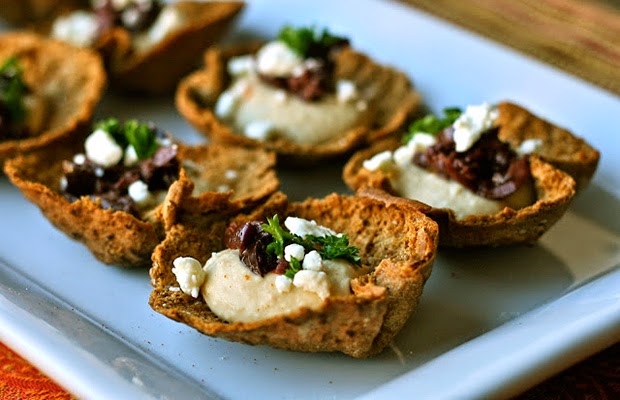
Pita Cups with Homemade Hummus

Though not technically a chip, these pita cups make a unique — and healthy! —  appetizer. Use an empty can or cup to make circular pita rounds, press them into muffin tins and voilà! You’ve got yourself a handy little cup just begging to be filled with hummus, salsa or artichoke dip.

Monday, July 21, 2014

6 Healthy Easy-to-Make Beverages At Home

In our ever busy days, eating and drinking something nutritious may not be on our top priority. Constraint of time and energy is probably one of the top reasons why we eat so much fast food and processed/frozen food and drinks. Even an extra step of transferring food onto a plate or washing the dishes become a painful chore, let alone cooking from scratch. The food industry has caught on to this and now they offer healthier versions of packaged foods and drinks, boasting that they are healthy with labels like "zero calorie," "low fat," "no MSG," etc. Just remember that as much as you think they are healthy, they can't be as healthy as they are fresh.

If cooking food is too much hassle, try making homemade beverages. It's much simpler, requires minimal cleaning, and a step further towards healthy living. Homemade food and drinks are best because we know exactly when we make it (freshness), how they are made (think about cross contamination), and what we put in it (no funny and harmful ingredients). So let's try one of these to start with:

1. Wheatgrass Juice

Early in the morning, increase our well being and boost our immune system by getting rid of toxins from our body with fresh Wheatgrass Juice. It's rich in chlorophyll, a pigment that helps to detoxify our body, treats bad breath, and has antioxidant and anti-inflammatory properties that help fight infections.

2. Coconut-Chia Energy Drink


To boost energy and keep you hydrated, try this Coconut-Chia Energy Drink that is packed with protein, fiber, antioxidants, and electrolytes.


3. Almond Milk


For those who are on gluten-free diet and allergic to cow's milk but needs an extra dose of calcium, vitamin E, and minerals such as magnesium, potassium, zinc, and iron, try making homemade Almond Milk. This can keep in the fridge for up to five days, so you can make it ahead of time on your less busy days.


4. Water Kefir and Milk Kefir


A healthy gut is one of the cornerstones for a healthy body. Our body needs more probiotics (good bacteria) more than ever before because of all the processed food and drinks we consume and the overuse of antibiotics. This easy to make Water Kefir and Milk Kefir are natural probiotic beverages that can help you balance your gut flora and improve your digestion. It takes only a few minutes to put together, let them ferment for a day or two, and you can enjoy this probiotic-rich drinks anytime at home. Make one big batch and you are set for the week.

5. Fruits and Herbs-Infused Flavored Water

Throughout the day, keep a big bottle of Fruits and Herbs-Infused Flavored Water to keep you motivated to drink and your body hydrated, while reaping the benefits of the vitamins and minerals that are infused into your water from the fresh fruits and herbs.

6. Lemon, Garlic, Ginger, and Honey Tea

When you don't feel well or down with a flu, warm your body with homemade Lemon, Garlic, Ginger, and Honey Tea. Each ingredient provides unique power to fight off infections, balances the body's pH and, speeds up circulation, and boosts our immune system.

Friday, May 2, 2014

Eco-Friendly Cinco de Mayo Festivities

Eco-friendly isn’t usually the first word that pops into your mind when you think ‘Cinco De Mayo,’ but it can be this year. With a few simple swaps you could be throwing an incredible eco-friendly Cinco De Mayo celebration. It doesn’t take a lot of effort, but it will make a big impact.

Potluck, Barbecue or Fiesta?

First, consider throwing a potluck or barbecue. Potlucks are more environmentally friendly as everyone is bringing something they made in a reusable container, therefore creating very little waste. Barbecues are also friendly on the environment for their low use of energy, if the correct fuel is used. Lump charcoal, propane, or an electric or solar grill are all better choices than charcoal briquettes and lighter fluid. Plus, cooking outside rather than in the kitchen helps to prevent your house from heating up and requiring the air conditioner to be run. Or, instead of cooking, bring home entrees for your fiesta from a restaurant. This is easily made eco-friendly if you bring your own containers, or use foil pans that can be recycled after use.

The Food

After deciding what kind of celebration you’ll be having, it’s time to purchase the food. Visit a farmers market first, for locally grown fresh produce and then head to the grocery store. Remember to bring your own bags, and select locally grown and/or organic items whenever possible.

You can also take your celebration one step further, and make it meatless. Whether you have a potluck, barbecue, or traditional fiesta, all can be made environmentally friendly by excluding meat. Meat not only has a much higher carbon footprint than vegetables, but also requires a lot more water to produce. And with so many delicious meat-free alternatives, its absence will hardly be missed. Serve options such as veggie fajitas, grilled veggie burritos, grilled pizza, cold pasta and potato salads, fruit salad, veggie burgers, bean and cheese dip, cheese enchiladas or tamales, nachos, etc.

When it comes to drinking, ask your guests to avoid stuffing anything, like a slice of fruit or used napkin, inside their bottle or can. This makes the bottle or can unable to be recycled, as it requires too much effort to extract whatever has been put inside. Also ask guests to put their recyclables in specially marked trashcans to be recycled later.

Decor and Aupplies

But before that, you’ll need to actually invite your guests. One of the easiest ways to do that, and go green for Cinco De Mayo, is to invite guests via Evite, rather than posting paper invites through the mail.

Purchasing and making eco-friendly party supplies is just as easy. Use real or compostable plates, cups, and utensils instead of plastic ones. Also select cloth table cloths and napkins, or those made of recycled materials.

Rather than purchasing a pinata, why not try making one out of paper bags (which can be recycled when the party is over)? Or make a colorful banner out of felt or cloth to decorate the space with. Also consider decorating with items like maracas and sombreros, or using brightly colored table cloths, cups and plates.

Lastly, encourage your guests to carpool to the celebration and, especially if alcohol is served, to share a cab home. With a few simple swaps, you can have a colorful and delicious eco-friendly Cinco De Mayo celebration this Saturday. Just remember to recycle and pick up any trash left behind. Happy Cinco De Mayo!
[via Examiner]

Monday, April 28, 2014

Natural Homemade Sunscreen Recipe


Natural Ways to Protect your Skin

While we normally suggest allowing your skin to get a good amount of sunshine to provide your body with ample Vitamin D, we do not condone soaking up the sun until you are burnt to a crisp. In years past, people knew how to avoid getting too much sun by following some simple sunny day guidelines:
  • avoid being outside during the middle of the day when the sun’s rays are the hottest
  • seek shade under a tree, umbrella, etc., if being outside during peak sun is necessary
  • wear a large-brimmed hat
  • wear light, loose clothing to cover exposed skin
However, we understand there are times you will not be able to cover up or get out of the sun and may need to use sunscreen. But commercial sunscreens have been a hot topic lately, guilty of containing harsh chemicals and being counterproductive in maintaining healthy skin.

So let’s learn how to safely protect your skin when covering up or getting out of the sun is out of the question.

Ingredients for Natural Sun Protection

There are several oils, butters, essential oils, and other natural ingredients that provide natural sun protection. While most of these offer very low amounts of sun protection, when added to your homemade sunscreen they nourish the skin and offer some protection against the effects of excessive sun.
  • Coconut oil - contains natural SPF properties
  • Shea butter - naturally protects skin, making it perfect for use in a sunscreen
  • Jojoba oil, sunflower oil, or sesame oil - these oils are easily absorbed into the skin and also provide some natural sun protection
  • Eucalyptus and lavender essential oils - eucalyptus has very low natural SPF and lavender is great for soothing and repairing skin. DO NOT use citrus essential oils in your sunscreen, as they may increase sensitivity to sunlight.
  • Vitamin E oil - nourishes and moisturizes skin, and helps naturally preserve homemade sunscreen
  • Zinc oxide (non nano) - a non-toxic, usually non-irritating, effective broad spectrum sunblock. The particles sit on the outermost layer of your skin, scattering and absorbing UVA and UVB rays, protecting the skin below. Be sure to use non nano zinc oxide to produce a natural homemade sunscreen. We purchased ours here. (The smallest amount you can purchase is a container that will last you years!)
Important: Nano or micronized zinc oxide has been treated to reduce the size of its particles, creating an ultrafine powder. When added to sunscreens it does not leave a white film on the skin, thus making it a popular choice in many commercial sunscreens. The problem with this is that the particles are so small they can enter the body through the skin, causing potential health problems. When purchasing, be sure to purchase a non nano zinc oxide that has particle sizes as large as possible. (Anything with a particle size smaller than 100nm is considered a nano particle – the zinc oxide we found is 330nm.)

Choose your SPF

Different amounts of zinc oxide are needed depending on what SPF you would like your lotion to be. Once you have chosen the SPF a little math is involved. The zinc oxide must be a certain percentage of the weight of your ingredients (before adding the zinc oxide). For this reason, it’s easiest to use a kitchen scale when making your sunscreen. For example, if you have 2 ounces of lotion and you’d like to make SPF 10 sunscreen, according to the values below you will need to add .2 ounces of zinc oxide to the lotion. Use the zinc oxide recommendations below.
  • For SPF 2-5: Use 5% zinc oxide
  • For SPF 6-11: Use 10% zinc oxide
  • For SPF 12-19: Use 15% zinc oxide
  • For SPF >20: Use 20% zinc oxide

Homemade Natural Sunscreen

Ingredients:

  • 1 oz. coconut oil
  • 0.8 oz. shea butter
  • 0.1 oz. jojoba, sesame, or sunflower oil
  • 0.1 oz. Vitamin E oil
  • 30 drops essential oils, optional – I use 15 lavender, 10 eucalyptus, 5 peppermint
  • zinc oxide powder (determine amount for 2 oz. of lotion)

Directions:

Add coconut oil, shea butter, and jojoba/sesame/sunflower oil to a makeshift double boiler. (To make your own double boiler, place a Pyrex measuring cup containing ingredients inside a small pot filled with a few inches of water). Heat gently until shea butter is just melted. Remove from double boiler and allow to cool a little. Put on a mask that covers your nose and mouth (to avoid breathing in the fine particles of zinc oxide powder), and measure out your zinc oxide. Add zinc oxide, Vitamin E oil, and optional essential oils to the other ingredients. Stir well to combine. Store in a dark jar in the refrigerator.

To Use:

Apply liberally to exposed skin. Reapply every few hours, or more often if swimming or sweating.

Additional Notes

This homemade sunscreen has about a 6 month shelf life, and should be refrigerated when not being used. The oils it contains are photosensitive, so do not leave your homemade sunscreen sitting out in direct sunlight. Keeping it in a cooler will prevent it from melting in high temperatures when taking it to the pool or beach.

If you prefer to add zinc oxide to another homemade lotion you like, simply weigh a desired amount of lotion and add enough zinc oxide to achieve the preferred SPF, mixing thoroughly.

Wednesday, February 19, 2014

Detergent-Free All Purpose Surface Cleaner, DIY Style


This all purpose surface cleaner recipe solves a few problems. First and foremost, it gets things clean and kills germs. But even more appealing, is that it’s free from the harsh chemicals found in all those commercial cleaning products.

It would be great if some scientists could study whether or not fragrances and detergents are addictive. Particularly those found in household cleaning products. Up until the last century, a clean home smelled like vinegar. Lemons. Herbs and oils. But now, it’s that lingering detergent scent and the artificial fragrances that so many people feel are essential to making sure our homes are safe and clean. But nothing could be further from the truth. 

Detergents and artificial fragrances pose serious health risks to your family and the environment. They’re more expensive than they need to be (or should be). And, they’re totally unnecessary.

While it may take some time to break yourself from the expectation of a clean home smelling like bleach or Comet, be assured that the transformation is a liberating one.

Take back your home, and make it clean with this simple recipe for an all-purpose surface cleaner, DIY and au natural style. This recipe is excellent for kitchen counters, sinks, tubs, toilets, faucets and even walls. It’s not ideal for wood floors or furniture, as the alcohol can be drying out and pull off any finish.

What you need
  • 2 cups warm water
  • ¼ cup white vinegar (or a citrus vinegar)
  • 3 tablespoons rubbing alcohol or vodka
  • 2 teaspoons liquid castile soap (like Dr. Bronner’s)
  • 10-15 drops of your favorite essential oil. Recommendations include lemon, lemongrass, sweet orange, grapefruit, lavender, basil and tea tree oil. Mix as you like or stick with one scent.
Directions

Mix all ingredients into a large spray bottle and shake well. Spray onto surfaces and clean with a soft rag or towel. No need to rinse the mixture off with water.

Wednesday, January 22, 2014

Nuts for Nutella? Learn How to Make Your Own


We know, it’s a dilemma. Nutella is so good … and yet so not local: It takes at least six countries to make a jar of the stuff. Luckily you don’t have to choose your gut over your guilt complex when it comes to this homemade treat, since it doesn’t get much more local than your own kitchen (assuming your chocolate and hazelnuts are fair-trade).

Carey Nershi of Reclaiming Provincial is making a version that’s a slightly grown-up version of the one you may be familiar with. It’s nutty and not too sweet, with equal parts milk and dark chocolate and the teensiest hint of almond. If you’d like to keep it dairy-free, you can substitute coconut oil and condensed almond milk.

All in all, it’s a great (and dare I say far superior) alternative to the store-bought variety.


Homemade Nutella

Makes about 2 cups

To roast and peel the hazelnuts:
  • 1 1/4 cups hazelnuts
  • 2 cups water
  • 3 tablespoons baking soda

To make the Nutella:
  • 1 1/4 cups hazelnuts, roasted and peeled
  • 5 ounces milk chocolate, chopped
  • 5 ounces dark chocolate, chopped
  • 6 tablespoons heavy cream
  • 1 tablespoon butter, softened
  • 1 tablespoon unsweetened cocoa powder
  • 2 tablespoons confectionery sugar
  • 1/2 teaspoon salt
  • 1/2 teaspoon vanilla extract
  • 1/8 teaspoon almond extract


Preheat the oven to 350 degrees F. Spread the hazelnuts out on a baking sheet and roast for 15 minutes, stirring every five minutes.

When hazelnuts have finished roasting, bring 2 cups of water to a boil in a large pot. Prepare a separate bowl of cool water and set aside on the counter. Once the water on the stovetop is boiling, add 3 tablespoons of baking soda, followed by the hazelnuts. Boil for three minutes, drain, then add the hazelnuts to the bowl of cool water. Peel hazelnuts and discard skins.


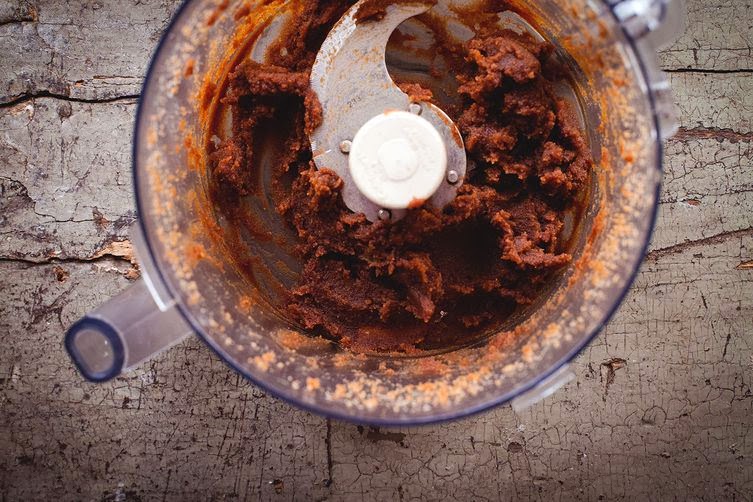
Blend hazelnuts in a food processor or blender until they form a thick, smooth paste. This should take approximately five minutes. It will be crumbly at first but the crumbs will begin to come together to form a butter.


Add the butter, sugar, cocoa powder, salt, and extracts. Continue to blend until smooth, approximately one to two minutes.


Melt together the chocolates and heavy cream in a double boiler, stirring until a smooth ganache forms. Remove from heat and let cool for five minutes.


Once ganache has cooled slightly, add it to the food processor or blender and blend until just combined (around 15 seconds).

Transfer to jars and store in the fridge for up to a week. (The Nutella will firm up slightly in the fridge, so let it sit out at room temperature for approximately 30 minutes to soften the consistency).

Wednesday, December 18, 2013

22 DIY Alternatives To A Christmas Tree

 http://www.notmartha.org/archives/2010/12/20/christmas-tree-ornament-mobile/

Decorating Christmas tree with our family is probably among the best childhood memories we have. However, not everyone likes the idea of cutting down the trees, so people came up with an idea to replace them with artificial ones. And now, as the boundaries of imagination are only expanding, the most recent trend is the DIY Christmas trees!

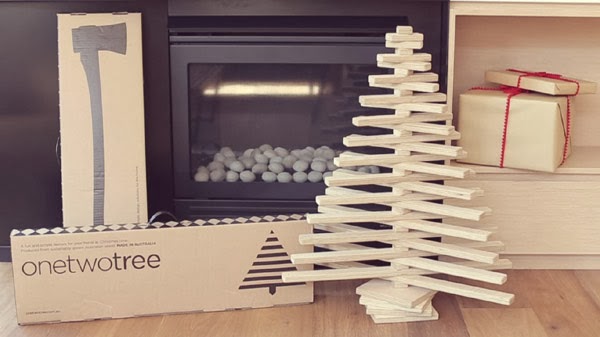
For the spaces, that couldn’t fit an actual Christmas tree, or for the people, who want to make the holidays even more special, a DIY Christmas tree is a great project. That way, you can pick the size, the color, the style and the texture completely on your own, and make the Christmas tree look like a beautiful accessory, complementing the interior. What is more, that way it will definitely be one of a kind! To give you some ideas, we have made a selection of some DIY X-mas trees that we liked a lot. What will yours look like this year? Click the images to find the how-tos!


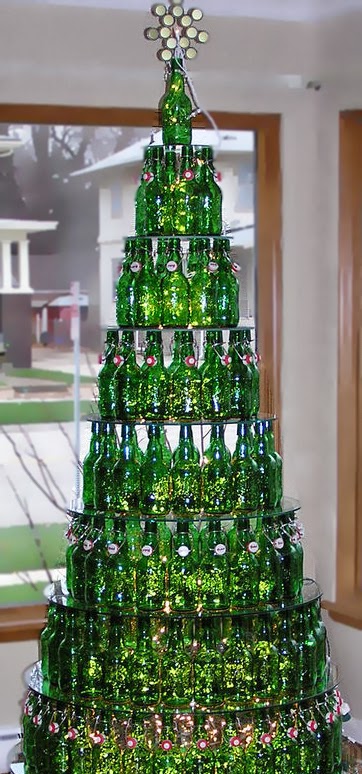
http://pattiewack.blogspot.com/2007/12/glass-bottle-christmas-tree.html

http://www.thecreativityexchange.com/2010/12/fabric-covered-poster-board-christmas-tree-cones.html

http://www.notmartha.org/archives/2011/12/21/3d-christmas-tree-gingerbread-cookies/

http://www.motherearthliving.com/~/media/Images/MEL/Editorial/Articles/Magazine%20Articles/2009/11-01/Try%20This%20Projects%20for%20the%20Holidays%20Newspaper%20Christmas%20Tree/HomemadeDecor.ashx

http://www.littlethingsbringsmiles.com/2010/12/almond-tree.html

http://www.alittletipsy.com/2011/11/elmers-craft-tell-party-giveaway-how-to.html

http://www.parafalardecasamento.com/2010/12/arvore-de-natal-com-botoes-diy.html

http://www.michaeljohansson.com/works/seasons_greetings.html

http://luniversdezelles.blogspot.com/

http://www.cantstopmakingthings.com/2011/01/strawberry-christmas-tree.html

http://www.amerrymishapblog.com/2010/12/mail.html

http://www.flickr.com/photos/celestialkiddy/2112523958/sizes/l/in/photostream/

http://laloleblog.blogspot.co.uk/2011/12/mi-arbol-de-navidad.html

http://www.apartmenttherapy.com/janes-wall-collection-christma-72170

http://www.digsdigs.com/unusual-eco-friendly-christmas-tabletop-tree/

http://www.freshomedecor.com/christmas-decoration-ideas-scandinavian-or-nordic-style/christmas-decorating-ideas-2012/

http://twentytwowords.com/2011/12/12/a-christmas-tree-made-of-stacked-books/

http://www.nedesignbuild.com/holiday-design-tip-alternative-christmas-trees/

http://www.studiodiy.com/2012/11/20/diy-faux-christmas-tree/