

Showing posts with label all natural. Show all posts
Showing posts with label all natural. Show all posts
Friday, October 17, 2014
Best Herbs and Supplements for Stress Relief [Infographic]
Tired of living in the age of anxiety? Try one of these gentle, non-addictive remedies.

Thursday, January 23, 2014
What if Natural Products Came with a List of Ingredients?

Processed foods are notorious for their jaw-droppingly long lists of chemical-laden ingredients, each one sounding worse than the last. But as these detailed infographics show, even the simplest of foods are anything but.
These images were put together by James Kennedy, an Australian chemistry teacher.
"I want to erode the fear that many people have of 'chemicals',' and demonstrate that nature evolves compounds, mechanisms and structures far more complicated and unpredictable than anything we can produce in the lab," he told io9.
"This poster series breaks down all the major ingredients in popular natural foods—using E-numbers and IUPAC names instead of common names where they exist. Anthocynanins, for example, which are said to give blueberries their "superfood" status, are also known as E163."
"With these graphics, I wanted to show that Chemistry is everywhere."


[via i09]
Wednesday, January 22, 2014
Nuts for Nutella? Learn How to Make Your Own

We know, it’s a dilemma. Nutella is so good … and yet so not local: It takes at least six countries to make a jar of the stuff. Luckily you don’t have to choose your gut over your guilt complex when it comes to this homemade treat, since it doesn’t get much more local than your own kitchen (assuming your chocolate and hazelnuts are fair-trade).
Carey Nershi of Reclaiming Provincial is making a version that’s a slightly grown-up version of the one you may be familiar with. It’s nutty and not too sweet, with equal parts milk and dark chocolate and the teensiest hint of almond. If you’d like to keep it dairy-free, you can substitute coconut oil and condensed almond milk.
All in all, it’s a great (and dare I say far superior) alternative to the store-bought variety.

Homemade Nutella
Makes about 2 cups
To roast and peel the hazelnuts:
- 1 1/4 cups hazelnuts
- 2 cups water
- 3 tablespoons baking soda
To make the Nutella:
- 1 1/4 cups hazelnuts, roasted and peeled
- 5 ounces milk chocolate, chopped
- 5 ounces dark chocolate, chopped
- 6 tablespoons heavy cream
- 1 tablespoon butter, softened
- 1 tablespoon unsweetened cocoa powder
- 2 tablespoons confectionery sugar
- 1/2 teaspoon salt
- 1/2 teaspoon vanilla extract
- 1/8 teaspoon almond extract

Preheat the oven to 350 degrees F. Spread the hazelnuts out on a baking sheet and roast for 15 minutes, stirring every five minutes.
When hazelnuts have finished roasting, bring 2 cups of water to a boil in a large pot. Prepare a separate bowl of cool water and set aside on the counter. Once the water on the stovetop is boiling, add 3 tablespoons of baking soda, followed by the hazelnuts. Boil for three minutes, drain, then add the hazelnuts to the bowl of cool water. Peel hazelnuts and discard skins.

Blend hazelnuts in a food processor or blender until they form a thick, smooth paste. This should take approximately five minutes. It will be crumbly at first but the crumbs will begin to come together to form a butter.

Add the butter, sugar, cocoa powder, salt, and extracts. Continue to blend until smooth, approximately one to two minutes.

Melt together the chocolates and heavy cream in a double boiler, stirring until a smooth ganache forms. Remove from heat and let cool for five minutes.
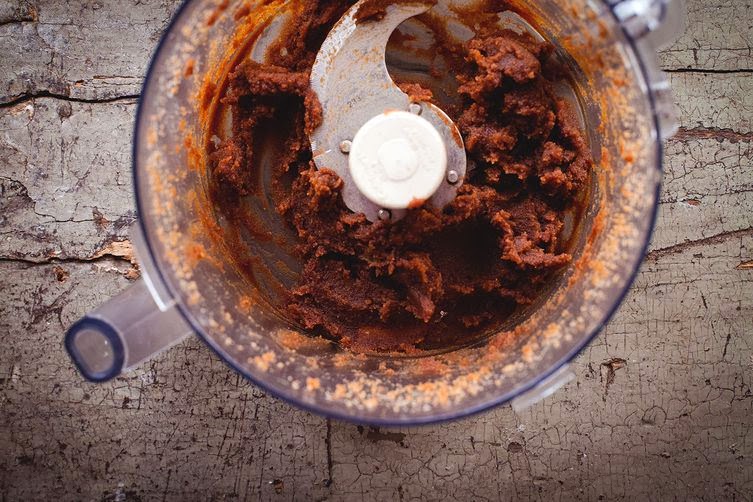
Once ganache has cooled slightly, add it to the food processor or blender and blend until just combined (around 15 seconds).
Transfer to jars and store in the fridge for up to a week. (The Nutella will firm up slightly in the fridge, so let it sit out at room temperature for approximately 30 minutes to soften the consistency).

[full recipe via grist]
Tuesday, January 21, 2014
Six Yummy Organic Recipes For Your Super Bowl Party

Forget football, the Super Bowl is perhaps the most important snacking event of the year! Chips, dips and finger foods are the way to please your game loving crowd, but you and your guests don’t have to indulge in fatty foods to have a good time. Instead try our 6 yummy organic munchies at your big game party this year -- we promise they'll win big!
HOMEMADE TORTILLA CHIPS

Forget the store bought chips, making your own tortilla chips is fast and easy and allows you to add extra zing with your own spices! Just cut corn tortillas into sixths, and spread on a cookie sheet sprayed with cooking spray. Bake in the oven at 400 degrees for about 6 minutes, then flip. Lightly spray the other side with cooking spray and sprinkle with your favorite dried spices. Try basil, cayenne, rosemary, or just plain sea salt, and bake that side for 6 more minutes. Cool and serve for a hearty crunchy snack!
LOW FAT MEXIDIP

Dip your chips in your own creamy fresh and fat free Mexican inspired dip. Use versatile fat free Greek yogurt, and combine in your food processor with a red pepper, purple onion, bunch of chopped cilantro, can of black beans, dash of balsamic vinegar and cayenne pepper to taste. The dip is creamy, hearty and great for chips, pretzels and fresh veggies.
MEDITERRANEAN SALSA

In case you have some vegans in the house, whip up some fresh salsa with a little flair. Mediterranean salsa is just as fresh and yummy, but olives and basil add a new kick. Finely chop 2 large seeded tomatoes, 1 small jar roasted red peppers, ½ red onion, one bunch fresh basil, ¾ cup Kalamata olives, 1 garlic clove and ½ zucchini or cucumber. Toss with 2 tsp lemon juice, 2 tsp extra virgin olive oil, a dash of salt, pepper and balsamic vinegar. Serve with your chips or pita chips.
HOMEMADE HUMMUS PINWHEELS

Hummus is cheap, healthy and easy. Just throw one can of chickpeas, one tablespoon tahini, 3 garlic gloves, a squeeze of lemon and ½ cup water in your food processor, with salt to taste (pepper too if you’d like.) Spread the mixture on whole wheat tortillas, covering the entire wrap, then roll. Slice into 1 inch pieces, and you have a garlicky-good finger food!
EGGPLANT SLIDERS

Sliders are synonymous with sports parties, and the smoky flavor of eggplant meshes well with mini brioche rolls! Choose a small eggplant, and cut into medallions, leaving the skin on. Brush with olive oil and sprinkle salt and pepper, and bake the medallions for 7 minutes at 400F, then flip and repeat. Lower the heat to 300, and let cook for about 15 minutes (eggplant will be tender). Now get creative- top with goat cheese and roasted red pepper, or cheddar and barbeque sauce! Give your guests a variety and watch them devour!
PARTY CHILI

A Crock Pot not only seals in flavor while slow cooking, but also doubles as your serving dish. Veggie chili practically makes itself. Just dump 1 can organic pealed tomatoes, I can organic black beans and 1 can organic chick peas into the pot. Dice 2 zucchini, 1 onion, 2 carrots, 2 celery stalks, 1 red pepper and green chilies to taste. Add garlic gloves, oregano, cumin, salt and chili powder to your liking, and let simmer for 4 hours. Serve with bread or chips!
Your guests are sure to be satisfied with your savory treats, and you can pair them with some organic brews, like Peak Organic’s Amber Ale!
[via inhabitat]
Monday, January 20, 2014
The 7 Best Spices For Healing
Most of us in the field of holistic medicine could spend hours discussing different approaches to food and diet. However, I think that we often overlook the power that a diet varied in an abundance of spices can provide. The history of spices is simply fascinating. Did you know that wars were fought over spices and kingdoms were lost over them? And the truth is that even back in 2600 BCE, spices were already recognized as powerful medicine. Not only do they add interest to our plates and palates, but they promote health in incredibly powerful ways. Here are some spices that are worth adding to your culinary undertakings.


More than 1,000 studies have demonstrated curcumin's anti-cancer effects. It inhibits the activation of genes that trigger cancer, inhibits the proliferation of tumor cells, shrinks tumor cells, and prevents development of the blood supply necessary for cancer cells to grow. Beyond its anti-cancer properties, turmeric has been shown to combat allergies, Alzheimer's disease, arthritis, colitis, dyslipidemia, eczema, uveitis, gout, gum disease, macular degeneration, psoriasis and high blood pressure.


Ginger
Ginger is rich in phytonutrients called gingerols. Studies support the antioxidant, anti-inflammatory, antiviral, and antibacterial effects of gingerol. It's useful against arthritis, migraine, asthma, heart disease, heartburn, cancer and nausea.Saffron
This is the world's most expensive spice: It takes 80,000 blue saffron crocus flowers and a quarter million dried stigmas to produce one pound of saffron. But it's worth its weight in gold! Saffron has two compounds, crocin and saffranal, that preserve levels of dopamine, seratonin, and norepinephrine in the brain. Several studies out of Iran have shown that saffron is as powerful as or more effective than fluoxetine and imipramine in treating depression. Studies also show that it may help protect against atherosclerosis, Alzheimer's disease, many forms of cancer, anxiety, insomnia, multiple sclerosis, Parkinson's disease and PMS.Rosemary
Rosemary grows like a weed in many parts of the world, and this easy-to-grow backyard herb packs a powerful punch in the form of rosmarinic acid, carnosic acid and carnosol. It's incredibly anti-carcinogenic, and has been found to significantly decrease levels of dangerous heterocyclic amines when cooked with meats at high temperatures. It's also been shown to be effective in improving dermatitis, enhancing memory, protecting the liver and alleviating arthritis pain.Black Pepper
Black pepper is one of the most commonly used spices, and believe it or not, in the Middle Ages it was considered more valuable than gold. Piperine is the active ingredient in black pepper, and it has been shown to jumpstart digestion, prevent certain cancers and heart disease, improve vitiligo, lower blood pressure, and prevent arthritis.Turmeric
Turmeric was once called a poor man's saffron, but now we know how incredibly healing and powerful this spice truly is. New studies are coming out on a daily basis touting its incredible litany of benefits. Curcumin is the active compound in turmeric that is powerfully anti-inflammatory as well as rich in antioxidants.More than 1,000 studies have demonstrated curcumin's anti-cancer effects. It inhibits the activation of genes that trigger cancer, inhibits the proliferation of tumor cells, shrinks tumor cells, and prevents development of the blood supply necessary for cancer cells to grow. Beyond its anti-cancer properties, turmeric has been shown to combat allergies, Alzheimer's disease, arthritis, colitis, dyslipidemia, eczema, uveitis, gout, gum disease, macular degeneration, psoriasis and high blood pressure.
Oregano
Oregano is a great spice to grow on your windowsill and keep on hand. The major components of oregano, carvacrol and thymol, are wonderfully antiviral, antibacterial, anti-parasitic, and anti-fungal. Aside from its ability to curb infections, studies have shown that oregano can help calm colitis, support the liver, prevent and ameliorate metabolic syndrome, and suppress inflammatory cytokines TNF-alpha, IL-1beta, and IL-6.Star Anise
Star anise is a beautiful 8-pointed star made of slender pods and seeds. Shikimic acid and anethole are two of the compounds that give star anise its powerful infection fighting properties. Star anise has been found to inhibit Epstein-Barr virus (the virus that causes mononucleosis), herpes simplex 1, hepatitis B, tooth decay and even HIV.
[via Mind Body Green]
Thursday, January 9, 2014
This Little Weed is one of the Most Useful Medicines on the Planet

You’ve stepped on it, ignored it, and tried to eradicate it from your lawn. However, this innocuous little weed is one of the most useful medicines on the planet, just begging to be harvested.
There are two major types of plantain in BC, Canada: Lance and Broadleaf. Generally, all 200-plus varieties of plantain yield the same results. It grows especially well in poor, rocky soil (such as driveways) and is often seen alongside dandelion. More often than not, you will see plantain growing in gravel pits and construction sites as nature seeks to regenerate the soil. Introduced to North America in the 1600s, it was once called “White Man’s Foot” by the Native Americans who witnessed that where the Europeans tread and disrupted the soil, plantain sprung up.
Plantain has often been the go-to remedy for hikers plagued by mosquitos. Because it draws toxins from the body with its astringent nature, plantain may be crushed (or chewed) and placed as a poultice directly over the site of bee stings, bug bites, acne, slivers, glass splinters, or rashes. Bandage the area and allow the plantain to work its magic for 4-12 hours. Plantain may also be used to create a balm for emergency kits, or an infusion used as a skin or general wash. It is also a notable, soothing remedy for hemorrhoids.
Plantain is renowned for its healing effect on the digestive system. This is especially useful for anyone who has been damaged by antibiotics, anti-inflammatory or pain medications, food allergies, or Celiac disease. Both leaves and seeds specifically target the digestive system for healing. The leaves may be steeped as tea, added to soups, or dried with a sauce similar to kale chips. The seeds – a type of psyllium – can be ground or soaked for bulk mucilage or absorbable fibre, which, consumed before meals, may help with weight loss.
Because plantain is a gentle expectorant and high in silica, an infusion can be helpful for lung problems, coughs, and colds.
Plantain is almost a panacea for the human body, treating everything from all menstrual difficulties, all digestive issues, to nearly all skin complaints, and even arthritis. Add to salads, chew to ease thirst, or enjoy in stir fries. This versatile wild vegetable will keep you in good health for years to come!
Resources:
- Prescription for Herbal Healing: 2nd Edition – Phyllis A. Balch, CNC
- Hygieia: A Woman’s Herbal – Jeannine Parvati
- Healing Secrets of the Native Americans – Porter Shimer
- The New Age Herbalist – Richard Mabey
[via The Future of Health Now]
Wednesday, November 20, 2013
Countless Uses for Coconut Oil – The Simple, the Strange, and the Downright Odd
Coconut oil has been a dietary and beauty staple for millennia. It’s a powerful destroyer of all kinds of microbes, from viruses to bacteria to protozoa, many of which can be harmful, and provides your body with high-quality fat that is critical for optimal health.

Around 50 percent of the fat in coconut oil is lauric acid, which is rarely found in nature. In fact, coconut oil contains the most lauric acid of any substance on Earth.
Your body converts lauric acid into monolaurin, a monoglyceride that can actually destroy lipid-coated viruses such as HIV and herpes, influenza, measles, gram-negative bacteria, and protozoa such as giardia lamblia.
This is undoubtedly part of what makes it so medicinally useful—both when taken internally and applied externally.
Coconut oil is comprised of medium chain fatty acids (MCFAs) that are easily digested and readily cross cell membranes. MCFAs are immediately converted by your liver into energy rather than being stored as fat. This is in part why I recommend coconut oil as an ideal replacement for non-vegetable carbohydrates.
Coconut oil is easy on your digestive system and does not produce an insulin spike in your bloodstream, so for a quick energy boost, you could simply eat a spoonful of coconut oil, or add it to your food. In the video above, I also share my recipe for a scrumptious yet healthful chocolate treat, courtesy of the healthy fat from coconut oil.
To get more coconut oil into your diet, you can add it to your tea or coffee, in lieu of a sweetener. It will also help improve absorption of fat-soluble vitamins, so taking a spoonful of coconut oil along with your daily vitamins may help boost their effectiveness.
Coconut oil is ideal for all sorts of cooking and baking, as it can withstand higher temperatures without being damaged like many other oils (olive oil, for example, should not be used for cooking for this reason).
Furthermore, coconut oil does not go rancid, which is a huge boon when you’re making homemade concoctions. Coconut oil that has been kept at room temperature for a year has been tested for rancidity, and showed no evidence of it. Since you would expect the small percentage of unsaturated oils naturally contained in coconut oil to become rancid, it seems that the other (saturated) oils have a powerful antioxidant effect.
When applied in this manner, the coconut oil inhibits the penetration of water into the hair strands, which would otherwise cause the cuticle, or surface of the hair shaft, to rise, making it prone to damage and breakage. Furthermore, when applied as a pre-wash treatment, a small amount of the coconut oil is able to penetrate deeper into the hair shaft during the wash, when the hair fiber swells slightly.
This can also explain why so many rave about the oil’s ability to prevent “the frizzies” in humid weather—this is another feature of its hydrophobic activity. More porous types of hair may find coconut oil particularly beneficial, such as African and chemically treated hair, as well as those suffering with any type of scalp problems, including dandruff.
Another oral health technique where I believe coconut oil can be quite beneficial is oil pulling. This technique has significantly reduced my plaque buildup, allowing me to go longer between visits to the dental hygienist. (Adding fermented vegetables to my diet has been another game-changer in my oral health.)
Oil pulling is a practice dating back thousands of years, having originated with Ayurvedic medicine. When oil pulling is combined with the antimicrobial power of coconut oil, I believe it can be a very powerful health tool. Sesame oil is traditionally recommended, but it has relatively high concentration of omega-6 oils. Therefore, I believe coconut oil is far superior, and, in my mind, it tastes better. But from a mechanical and biophysical perspective, it is likely that both work.
Oil pulling involves rinsing your mouth with the oil, much like you would with a mouthwash. The oil is “worked” around your mouth by pushing, pulling, and drawing it through your teeth for a period of 15 minutes. If you are obsessive like me and want even better results, you can go for 30-45 minutes. This process allows the oil to “pull out” bacteria, viruses, fungi and other debris. The best time is in the morning before eating breakfast, but it can be done at any time. I try to do it twice a day if my schedule allows. When done, spit out the oil and rinse your mouth with water. Avoid swallowing the oil as it will be loaded with bacteria and whatever potential toxins and debris it has pulled out.
When done correctly, oil pulling has a significant cleansing, detoxifying and healing affect, not only for your mouth and sinuses but for the rest of your body as well. Candida and Streptococcus are common residents in your mouth, and these germs and their toxic waste products can contribute to plaque accumulation and tooth decay, in addition to secondary infections and chronic inflammation throughout your body. Oil pulling may help lessen the overall toxic burden on your immune system by preventing the spread of these organisms from your mouth to the rest of your body, by way of your bloodstream.

Around 50 percent of the fat in coconut oil is lauric acid, which is rarely found in nature. In fact, coconut oil contains the most lauric acid of any substance on Earth.
Your body converts lauric acid into monolaurin, a monoglyceride that can actually destroy lipid-coated viruses such as HIV and herpes, influenza, measles, gram-negative bacteria, and protozoa such as giardia lamblia.
This is undoubtedly part of what makes it so medicinally useful—both when taken internally and applied externally.
Coconut oil is comprised of medium chain fatty acids (MCFAs) that are easily digested and readily cross cell membranes. MCFAs are immediately converted by your liver into energy rather than being stored as fat. This is in part why I recommend coconut oil as an ideal replacement for non-vegetable carbohydrates.
Coconut oil is easy on your digestive system and does not produce an insulin spike in your bloodstream, so for a quick energy boost, you could simply eat a spoonful of coconut oil, or add it to your food. In the video above, I also share my recipe for a scrumptious yet healthful chocolate treat, courtesy of the healthy fat from coconut oil.
To get more coconut oil into your diet, you can add it to your tea or coffee, in lieu of a sweetener. It will also help improve absorption of fat-soluble vitamins, so taking a spoonful of coconut oil along with your daily vitamins may help boost their effectiveness.
Coconut oil is ideal for all sorts of cooking and baking, as it can withstand higher temperatures without being damaged like many other oils (olive oil, for example, should not be used for cooking for this reason).
Furthermore, coconut oil does not go rancid, which is a huge boon when you’re making homemade concoctions. Coconut oil that has been kept at room temperature for a year has been tested for rancidity, and showed no evidence of it. Since you would expect the small percentage of unsaturated oils naturally contained in coconut oil to become rancid, it seems that the other (saturated) oils have a powerful antioxidant effect.
General Health Benefits of Coconut Oil
In all, coconut oil offers a truly impressive array of health benefits when included in your daily diet. In addition to its antimicrobial properties, coconut oil is beneficial for:- Promoting heart health
- Supporting proper thyroid function
- Promoting healthy brain function
- Strengthening your immune system
- Providing an excellent “fuel” for your body and supporting a strong metabolism that can aid in weight loss
- Maintaining healthy and youthful looking skin
Coconut Oil Can Replace Dozens of Beauty and Personal Care Products
One of the best personal care products you’ll ever find may be sitting in your kitchen cupboard right now. These videos, featuring HolisticHabits3 blogger and coconut oil aficionado Sarah, recounts many of its beauty uses and also includes a recipe making your own coconut oil-based deodorant. A previous article by Delicious Obsessions also lists no less than 122 creative uses for this household staple, including 21 DIY coconut oil skin care recipes. For example, coconut oil can be used to replace the following personal care and beauty products.- Makeup remover: Swipe on with a moist cotton ball. Wipe off with clean cotton ball or wet washcloth.
- Facial cleanser: Massage a dollop of coconut oil onto face and neck. Wash off with wet washcloth and pat dry.
- Body scrub: Mix equal parts coconut oil with organic cane sugar in a glass jar. Use the scrub on dry skin prior to your shower or bath.
- Facial scrub: Instead of sugar, mix coconut oil with baking soda, or oatmeal with a dash of cinnamon, for a gentle facial scrub.
- Shaving lotion: Apply a thin layer of coconut oil on area to be shaved, and shave as usual. The lauric acid in the coconut oil will also serve as an antiseptic for cuts that result from shaving.
- Face and body moisturizer: You can use it either by itself, or add your favorite essential oil. (Make sure you’re using a high quality essential oil that is safe for topical application). The featured article also suggests whipping the coconut oil with an electric mixer to produce a fluffy moisturizer that stays soft and spreadable even in cooler temperatures. When applied topically, coconut oil helps to reduce the appearance of fine lines and wrinkles by helping to keep your connective tissues strong and supple, and aids in exfoliating the outer layer of dead skin cells, making your skin smoother.
- Eye cream: Apply a thin layer of coconut oil around your eyes to soften wrinkles and counteract thinning, sagging skin.
- Cuticle cream: Simply rub a small amount of coconut oil around your cuticles to soften dry areas.
- Deodorant: Applying a small amount of coconut oil directly onto your armpits can help keep odors at bay, courtesy of the oil’s antibacterial properties. If you prefer, you can add a small amount of baking soda, or make a homemade deodorant using coconut oil, baking soda and arrow root powder. For directions, click here. DeliciousObsessions.com also lists additional deodorant recipes using coconut oil as the base.
- Bath soak: Adding coconut oil to your bath can help moisturize dry itchy skin (Make sure to scrub your tub afterward to prevent slipping!). Make sure the water is warmer than 76 degrees Fahrenheit though, otherwise the oil will turn to a solid.
- Soap: Coconut oil is one of the base ingredients in many homemade soap recipes, such as this one by NourishingJoy.com
- Lip balm: You can either apply a small amount of coconut oil, as is, or make your own lip balm using coconut oil as one of the base ingredients. You can find all sorts of recipes online, but here’s one by The Liberated Kitchen.
- Toothpaste: Mixed with baking soda, coconut oil can replace your regular toothpaste. The baking soda will gently cleanse while the coconut oil’s antibacterial action may help keep harmful bacteria in check. For recipes using essential oils to spruce up your toothpaste, see DeliciousObsessions.com.
- Insect repellent: Mixing coconut oil with high-quality essential oils may help keep biting insects at bay when applied to exposed skin. Effective choices include: peppermint, lemon balm, rosemary, tea tree oil, neem, citronella (Java Citronella), geraniol, catnip oil (according to one study,11 catnip oil is 10 times more effective than DEET), and/or clear vanilla extract
Hair’s Best Friend
Coconut oil is also known for its hair benefits. Most women seem to prefer using it as a pre-shampoo conditioner. Simply massage the coconut oil onto dry hair and leave on for about an hour or longer. You could even leave it on overnight. Just wear a shower cap to protect your pillow. Then, wash and style as usual.When applied in this manner, the coconut oil inhibits the penetration of water into the hair strands, which would otherwise cause the cuticle, or surface of the hair shaft, to rise, making it prone to damage and breakage. Furthermore, when applied as a pre-wash treatment, a small amount of the coconut oil is able to penetrate deeper into the hair shaft during the wash, when the hair fiber swells slightly.
This can also explain why so many rave about the oil’s ability to prevent “the frizzies” in humid weather—this is another feature of its hydrophobic activity. More porous types of hair may find coconut oil particularly beneficial, such as African and chemically treated hair, as well as those suffering with any type of scalp problems, including dandruff.
Oral Health Benefits
Coconut oil mixed with baking soda makes for very simple and inexpensive, yet effective, toothpaste. It’s also a great alternative if you want a fluoride-free toothpaste but don’t want to spend the extra money, since they tend to cost more than most regular, fluoridated toothpaste brands.Another oral health technique where I believe coconut oil can be quite beneficial is oil pulling. This technique has significantly reduced my plaque buildup, allowing me to go longer between visits to the dental hygienist. (Adding fermented vegetables to my diet has been another game-changer in my oral health.)
Oil pulling is a practice dating back thousands of years, having originated with Ayurvedic medicine. When oil pulling is combined with the antimicrobial power of coconut oil, I believe it can be a very powerful health tool. Sesame oil is traditionally recommended, but it has relatively high concentration of omega-6 oils. Therefore, I believe coconut oil is far superior, and, in my mind, it tastes better. But from a mechanical and biophysical perspective, it is likely that both work.
Oil pulling involves rinsing your mouth with the oil, much like you would with a mouthwash. The oil is “worked” around your mouth by pushing, pulling, and drawing it through your teeth for a period of 15 minutes. If you are obsessive like me and want even better results, you can go for 30-45 minutes. This process allows the oil to “pull out” bacteria, viruses, fungi and other debris. The best time is in the morning before eating breakfast, but it can be done at any time. I try to do it twice a day if my schedule allows. When done, spit out the oil and rinse your mouth with water. Avoid swallowing the oil as it will be loaded with bacteria and whatever potential toxins and debris it has pulled out.
When done correctly, oil pulling has a significant cleansing, detoxifying and healing affect, not only for your mouth and sinuses but for the rest of your body as well. Candida and Streptococcus are common residents in your mouth, and these germs and their toxic waste products can contribute to plaque accumulation and tooth decay, in addition to secondary infections and chronic inflammation throughout your body. Oil pulling may help lessen the overall toxic burden on your immune system by preventing the spread of these organisms from your mouth to the rest of your body, by way of your bloodstream.
Coconut Oil to the Rescue
Besides its usefulness in the kitchen and bathroom, coconut oil deserves a place in your medicine cabinet as well—again courtesy of its antimicrobial and anti-viral activity. For example, coconut oil may be helpful in the treatment of:- Ear infections: Place a couple of drops into each ear canal. If the coconut oil has solidified, you can easily liquefy it by placing a small amount in a shot glass or other small container and placing it into a cup of hot water
- Fungal and/or yeast infections, such as athlete’s foot and ringworm. For fungal infections, you can mix in a small amount of oregano oil or tea tree oil
- Cold sores: mix in a small amount of oregano oil, and apply at the first signs
- Thrush
- Vaginal Dryness
- Skin rashes and irritations, including chicken pox and shingles: Simply apply a small amount to the affected area
- Bug bites and bee stings
- Frequent nosebleeds may be improved by regularly applying a small amount to the inside of your nostrils
- Hemorrhoids and piles: You may add a small amount of lavender essential oil for added healing power
- Perineal massage: Expectant mothers can use it to massage the perineum daily, starting about a month or so before your due date, to help reduce your chances of tearing and/or the need for an episiotomy
Coconut Oil—More Effective Than Permethrin for Head Lice
According to research published in the European Journal of Pediatrics, 14 a combination of coconut oil and anise was found to be nearly twice as effective as the commonly prescribed permethrin lotion for the treatment of head lice. According to the authors:
“We designed a randomized, controlled, parallel group trial involving 100 participants with active head louse infestation to investigate the activity of a coconut and anise spray and to see whether permethrin lotion is still effective, using two applications of product 9 days apart. The spray was significantly more successful (41/50, 82.0%) cures compared with permethrin (21/50, 42.0%…). Per-protocol success was 83.3% and 44.7%, respectively. Thirty-three people reported irritant reactions following alcohol contact with excoriated skin. We concluded that, although permethrin lotion is still effective for some people, the coconut and anise spray can be a significantly more effective alternative treatment.” [Emphasis mine]
Isn’t it wonderful to see how nature provides us with so many effective solutions to so many of our ills? And does so in a way that is oftentimes more effective than our chemical drug concoctions! Another anecdotal Hawaiian head lice treatment is to first soak your hair in vinegar and leave it in to dry (don’t rinse). Next, coat your hair with coconut oil over night. I’d recommend sleeping with a shower cap to protect your bedding. The following day, the nits reportedly comb out easily.
14 Surprising Uses for Coconut Oil Around the House
Last but not least, coconut oil can be used for a number of household tasks otherwise relegated to more costly, and potentially toxic, alternatives. Following are 14 creative yet practical uses for this fantastic oil:
- Clean, condition and sanitize your wooden cutting board. Use whenever the wood starts to look dry.
- Use when making compost tea for your garden to reduce foam.
- Use as a metal polish. Make sure to test a small area first.
- Moisturize and soften leather goods as you would using other leather conditioners.
- Season your cast iron pots and pans using coconut oil in lieu of lard or corn oil.
- Lubricate squeaky hinges and sticky mechanisms with coconut oil instead of WD-40.
- Clean and condition wooden furniture in lieu of furniture polish. Make sure to test a small area first.
- Lubricate your guitar strings.
- Clean soap scum from your shower using a small dollop of coconut oil on a damp cloth. Spray the area with white vinegar and wipe dry with a lint-free cloth.
- Clean your hands and paint brushes with coconut oil after using oil-based paints, in lieu of mineral spirits.
- Clean and condition the inside of your car by adding a small amount to a soft lint-free cloth. Rub in and wipe off excess.
- Clean and sanitize your mouth guard by applying a thin layer of coconut oil. Leave the coconut oil on when not in use. Rinse before using.
- Cleanse and add a glossy finish to indoor plants by wiping the leaves with a small amount of coconut oil on a lint-free cloth.
- Remove chewing gum from virtually any area, including carpets and hair.
[via Real Farmacy]
Tuesday, May 21, 2013
Cocktails with Medicinal Roots
A toast to your health [via Mother Nature Network]
Although tonics and bitters made of herbal extracts, spices and the bark of exotic trees have faded from pharmacy shelves as elixirs, they live on in cocktails, grandfathered into drinks in splashes and dashes to create some of the most memorable and enduring cocktails imaginable. Here are recipes for six cocktails with medicinal roots.
Gin and Tonic

Quinine-based tonics helped the Brits build an empire by warding off malaria in the sweltering topics. Sipped over ice, the classic gin cocktail has a spiky edge to it.
Prep time: 5 minutes | Total time: 5 minutes | Yield: 1 cocktail
Ingredients:
- 1/2 tray ice
- 2 ounces dry gin
- 3 ounces tonic water, or to taste, preferably Schweppes
- 2 wedges fresh lime
Fill an old-fashioned glass halfway with ice. Add gin. Top with tonic water. Rim the glass with a lime wedge and squeeze a few drops of lime into the glass. Stir lightly. Add a fresh piece of lime as garnish.
Pink Gin

Purists note that traditional pink gin calls for gin and bitters and that's it. Bitters contain all manner of herbal exotica dissolved in alcohol, and were used traditionally to settle the stomach.
Prep time: 5 minutes | Total time: 5 minutes | Yield: 1 cocktail
Ingredients:
- 1/2 tray ice
- 2 ounces dry gin
- 1 ounce Cointreau or triple sec
- 4 dashes Angostura bitters
- 4 dashes Peychaud's bitters
Fill a small sealable glass jar with ice. Add gin, Cointreau, Angostura and Peychaud's bitters. Seal and shake well. Pour into a short glass filled with ice.
Dark and Stormy

Prep time: 5 minutes | Total time: 5 minutes | Yield: 1 cocktail
Ingredients:
- 1 tablespoon candied ginger, sliced
- 1/2 tray ice cubes
- 2 ounces dark rum
- 4 dashes Angostura bitters
- 1 teaspoon fresh lime juice
- 8 ounces Reed's Ginger Brew
- 1 wedge lime, optional garnish
Place candied ginger in the bottom of a well glass. Fill glass nearly to the rim with ice cubes. Pour bitters and rum onto ice. Add lime juice. Gently stir and top with ginger beer.
Horse's Neck

Prep time: 5 minutes | Total time: 5 minutes | Yield: 1 cocktail
Ingredients:
- 1 lemon
- 4-5 ice cubes
- 2 ounces bourbon
- 3 dashes Angostura bitters
- 4-5 ounces ginger ale
Using a potato peeler, remove lemon peel in one continuous motion. Drape peel over rim of a tall glass. Fill glass nearly to the rim with ice. Add bourbon and bitters. Gently stir and top with ginger ale to taste.
Champagne Cocktail

Prep time: 5 minutes | Total time: 5 minutes | Yield: 1 cocktail
Ingredients:
- 1 cube sugar
- 2-3 dashes Angostura bitters
- 4-5 ounces low- to mid-priced champagne
- 1 lemon peel, optional garnish
Add sugar cube to the bottom of a fluted glass. Add bitters. Pour champagne and lemon peel.
Old-Fashioned

As the name implies, Old-Fashioned cocktails have stood the test of time. The original cocktail called for water, sugar, bitters and spirits — that's all. The simplicity of the drink allows you to mix and match.
Prep time: 5 minutes | Total time: 5 minutes | Yield: 1 cocktail
Ingredients:
- 1/2 tray ice
- 2 ounces bourbon or rye
- 1 teaspoon grenadine syrup or 1 cube sugar
- 3 dashes Angostura bitters
- 3 ounces club soda, or to taste
- 1 orange peel
Combine the bourbon, syrup and bitters in a sealable glass container filled with ice. Shake and strain into a short glass with filled with ice. Top with club soda.
[via mother nature network]
Wednesday, May 8, 2013
Companion Planting

May 15th is the traditional cut off date for a final frost. Meaning, starting next week, everything goes – in your garden. I will be seeding watermelons and transplanting chile peppers. As you prepare to fill your summer plot, consider not only what you’re planting, but where you’re planting. The logic and tradition of companion planting is based on setting up mutually beneficial relationships between plants. This method of organization can encourage pest control and stimulate vigorous growth. It is even said to produce tastier tomatoes.
Every plant demands and provides differently – absorbing certain soil nutrients, attracting specific pests while repelling others. It makes sense, then, to arrange your garden in a way that takes advantage of these individual properties. Companion planting originated with the Native American custom of the “Three Sisters” guild. Historically, Native Americans would plant corn, squash and beans side by side on a small plot of land. The tall stalks of corn provided a trellis for the beans, while the sprawling squash offered ground cover, stamping out potential weeds. Beans, a legume, are nitrogen fixing, and will not disturb nutrient intake of corn or squash.
Trap crops are another example of companion planting. If you are concerned about squash bugs attacking your cucumber bed, plant zucchini nearby. Summer squash leaves are sweeter and more preferable to the pests, thus deterring them from your main crop cukes.
Overtime, growers have collectively developed a comprehensive guide to companion planting. Inevitably, these guides are part truth, part lore, but in any case, a home garden offers the perfect scale in which to trial some of this knowledge. We can’t tend to our garden at all times, so why not let the plants themselves do some of the work?
Here are a few suggestions:
Basil with tomatoes – repels tomato hornworms
Nasturtiums with squash – deters squash bugs
Radishes and cucumbers – trap crop for cucumber beetles
Lettuce and carrots – for best flavor of both
Bee balm and tomatoes – for enhanced tomato flavor
Tomatoes and lettuce – tall trellis can provide welcome shade for tender greens
[via Wilder Quarterly]
Thursday, October 18, 2012
Have a 'Greener' Halloween
Halloween is right around the corner and before you know it, you'll be getting handfuls of little four-foot monsters, ghosts, and ghouls knocking on your door. And that means a lot of candy with questionable ingredients and excessive waste.
This year, look for natural candy and when possible Fair Trade certified sweets. A great resource for this is Natural Candy Store, a family-run business located in California and THE online place to go to find vegan and organic candy. All of the items are clearly marked with symbols to identify what categories they fall into, including those made in the US. Additionally, every piece they sell contains NO artificial colors or dyes, NO artificial flavors, NO artificial sweeteners, NO preservatives, NO hydrogenated oils. Check them out, you still have a several days to place your order just in time for Halloween.

This year, look for natural candy and when possible Fair Trade certified sweets. A great resource for this is Natural Candy Store, a family-run business located in California and THE online place to go to find vegan and organic candy. All of the items are clearly marked with symbols to identify what categories they fall into, including those made in the US. Additionally, every piece they sell contains NO artificial colors or dyes, NO artificial flavors, NO artificial sweeteners, NO preservatives, NO hydrogenated oils. Check them out, you still have a several days to place your order just in time for Halloween.

Monday, September 10, 2012
All-Natural Air Fresheners

A fun, DIY recipe for making all natural air fresheners that look as great as they smell has been making it's way around the internet today. If you're a fan of natural fragrances we highly recommend you take a look at the post.
While some manufacturers have published data concerning the environmental impact of their products, most commercial air fresheners are met with skepticism in regards to their effect on personal health as well as the environment. One article by the Washington Post speculates that one ordinary plug-in air freshener uses 18.4 kilowatt-hours of electricity…the equivalent of 1 barrel of oil. Aside from any potential health risks, air fresheners can be expensive and let's be honest, they don't always smell so great.
So why not turn an expensive, mundane chore into a domestic adventure?! But how?! Good question. We did some digging and with the help of some of our favorite resources such as Rodale News, were able to find a few whacky, yet effective ways of cleaning the air around your house.

#1: Vodka
Ethyl alcohol, found in vodka and other spirits, is a main ingredient in most commercial air fresheners. But cleaning your air with vodka allows you to get rid of musty odors without saturating the air (or your lungs) with added chemicals, like petroleum-derived propellants and harmful synthetic fragrances. Vodka leaves no odor as it dries, so you can spray it straight into your air as is, or add 20 to 30 drops of your favorite essential oils for a pleasant scent.
Ethyl alcohol, found in vodka and other spirits, is a main ingredient in most commercial air fresheners. But cleaning your air with vodka allows you to get rid of musty odors without saturating the air (or your lungs) with added chemicals, like petroleum-derived propellants and harmful synthetic fragrances. Vodka leaves no odor as it dries, so you can spray it straight into your air as is, or add 20 to 30 drops of your favorite essential oils for a pleasant scent.

#2: Kitty Litter
Have a smelly closet or musty basement? Set out a tray of cat litter, specifically, Jonny Cat Litter brand, recommends Joey Green of Joey Green's Cleaning Magic (Rodale, 2010). One primary reason that brand works so well has to do with the fact that the main ingredient is diatomaceous earth, a naturally occurring mineral that, among its many wonders, absorbs odors (it also absorbs moisture in the air, and kills pests that come in contact with it). So if you can't find any Jonny Cat Litter, buy a box of diatomaceous earth and set a few bowls out in the corners of smelly rooms. You can find it online from garden supply stores, such as Planet Natural.

#3: Coffee Grounds
Who doesn't love the smell of coffee? According to Green, it's another weird odor remover that helps cut the smell of winter mustiness. You can use fresh or used grounds, but if going with used, let them dry out a bit first. Place them in a bowl as is wherever you need an odor removed, or wrap them up in a coffee filter or old stocking and hang them in a closet or from a shelf. If you're not a coffee drinker, you can still benefit. Some Starbucks (and many small locally owned cafes) give their used coffee grounds away for free.

#4: A Palm Tree.
We're not talking about palm trees at the beach (though a beach vacation is a good way to get away from dirty indoor air). Palm trees used as houseplants are very effective air purifiers, known to remove formaldehyde, which lurks in paints, furniture finishes, and the glues used to hold pressed wood and particle board together. You'll get similar benefits from a variety of other houseplants, but palm trees are among the easiest to care for. Look for Dwarf date, bamboo, areca, lady, or parlor palm varieties.
We're not talking about palm trees at the beach (though a beach vacation is a good way to get away from dirty indoor air). Palm trees used as houseplants are very effective air purifiers, known to remove formaldehyde, which lurks in paints, furniture finishes, and the glues used to hold pressed wood and particle board together. You'll get similar benefits from a variety of other houseplants, but palm trees are among the easiest to care for. Look for Dwarf date, bamboo, areca, lady, or parlor palm varieties.

#5: Your Skin.
Thanks to all the oils in your skin, dead skin flakes act like natural air purifiers, say researchers from Denmark. According to their study, published in the most recent issue of Environmental Science & Technology, one of the most common oils in skin, squalene, reduces levels of the indoor air pollutant ozone, a respiratory irritant that can trigger asthma attacks. After comparing levels of ozone in a day-care center's indoor air with the amount of squalene from skin flakes in its dust, the researchers determined that dead skin flakes can reduce ozone levels anywhere from 2 to 15 percent. Even we aren't sure how to best make use of this information, so please don't go around leaving skin flakes everywhere. But isn't it nice to know your very presence can make the air fresher? Also, ewwwww.
Thanks to all the oils in your skin, dead skin flakes act like natural air purifiers, say researchers from Denmark. According to their study, published in the most recent issue of Environmental Science & Technology, one of the most common oils in skin, squalene, reduces levels of the indoor air pollutant ozone, a respiratory irritant that can trigger asthma attacks. After comparing levels of ozone in a day-care center's indoor air with the amount of squalene from skin flakes in its dust, the researchers determined that dead skin flakes can reduce ozone levels anywhere from 2 to 15 percent. Even we aren't sure how to best make use of this information, so please don't go around leaving skin flakes everywhere. But isn't it nice to know your very presence can make the air fresher? Also, ewwwww.

#6: Elbow Grease.
Ultimately, the best way to deal with smelly or chemical-laden indoor air is to go straight to the source. It's easier to eliminate an odor's cause than to try to cover it up with coffee grinds or cat litter. And indoor air pollutants that collect in dust can be trapped by a good vacuum and weekly dusting with a damp cloth. To prevent further polluting your indoor air, make your own green cleaning kit with white vinegar, lemon juice, baking soda, and borax, all of which are also natural odor removers. For cleaning recipes, see How to Make Green Cleaning Recipes That Really Work.
Ultimately, the best way to deal with smelly or chemical-laden indoor air is to go straight to the source. It's easier to eliminate an odor's cause than to try to cover it up with coffee grinds or cat litter. And indoor air pollutants that collect in dust can be trapped by a good vacuum and weekly dusting with a damp cloth. To prevent further polluting your indoor air, make your own green cleaning kit with white vinegar, lemon juice, baking soda, and borax, all of which are also natural odor removers. For cleaning recipes, see How to Make Green Cleaning Recipes That Really Work.
Subscribe to:
Posts (Atom)


