Showing posts with label reduce waste. Show all posts

Monday, March 3, 2014

7 Ways to Revel in an Eco-Friendly Mardi Gras

Mardi Gras will be in full swing this week, and while it may be a traditional festival of excess, that doesn't mean it has to be wasteful. There are a lot of simple ways you can enjoy the Carnival and keep your eco-friendly wits about you. Hit the jump for our top 7 ideas!

Recycle your Beads

Mardi Gras ‘throws,’ the trinkets thrown by Krewe members from floats to parade goers, have a pretty rich history. Modern throws however, are largely made up of cheap plastic strings of beads, which end up littering the streets or thrown into trash cans. Some groups have started recycling these beads, such as Arc of Greater New Orleans, who follow parades with their “Catch and Release” float. The group encourages parade-goers to throw their beads back. Arc then sorts and resells the beads to Mardi Gras Krewes, reducing cost for the Krewes and wastage for everyone. The money Arc earns from sales goes directly back to their non-profit work. If you find yourself catching beads in a city where it’s not so easy to recycle, you can always try your hand at recycling them into colorful art work.


Regift Collectable Throws

In amongst the masses of plastic beads, you might be lucky enough to snag some more collectable throws. Traditional glass beads, commemorative doubloons, customized beads, decorated coconuts and all manner of flashing LED toys are just some of the items you might catch — and no, you really don’t need to remove your clothing to get them. If the trinkets aren’t your thing, there’s almost certainly a kid around too short to catch the throws, pass them along to those who’ll enjoy them and they’ll be far less likely to wind up in landfill.


Bring a Reusable Cup
If you’re celebrating Mardi Gras in a City with more liberal open container laws, such as New Orleans, bring your reusable cup. Chances are you’ll patronize more than one bar on your Mardi Gras travels, and while commemorative plastic cups are a treasured throw from various Mardi Gras Krewes, you certainly don’t need to collect (and throw out) a different cup from each bar you visit.


Bring a Reusable Water Bottle

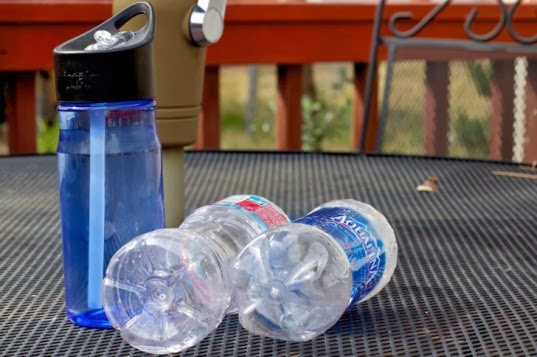
It’s pretty important to stay hydrated through Mardi Gras Festivities, but waiting in line to buy bottles of water is neither environmentally friendly or a fun use of your parade time. Bring a reusable water bottle with you and you’ll be free to focus on the party, plus you’ll be surprised how many establishments provide Cambros of water for you to fill up your container with. It’s free, and often the line is much shorter than the one for more adult beverages.


Make your Own Costume

This is a bit of a Mardi Gras no-brainer. While it’s perfectly possible to pick up feathered masquerade headgear around a lot of parades, Mardi Gras is the perfect opportunity to channel your creative side and make a bright, fabulous festive outfit of your own. Dig through your own closet for any big-mistake purchases, embarrassing 80s relics or unwanted hand-me-downs and go to town. Check out thrift stores for gaudy colors and feather boas. If you’re feeling ambitious, you can turn your old newspapers into Mardi Gras masks. There are no rules to Mardi Gras costuming, so run wild and reuse.


Ride a Bike!

With any Mardi Gras celebration comes large crowds, and very often a certain amount of festive drinking. Bring your bike instead of your car, and not only will you find it easier and safer to get around, you’ll also avoid guzzling gas in traffic jams. If costume making got your creative juices flowing, you can even think about decorating your bike! If you’re joining Mardi Gras on vacation, look around for bicycle rental, and perhaps consider taking a bike tour while you’re there.


Support or Join a Green Krewe (Or Start One of Your Own)

This one’s a little more ambitious and takes a little more planning than other items on this list. Eco-aware Mardi Gras Krewes are beginning to pop up, and they have a lot of ground to cover. Aside from from the proliferation of plastic throws, Mardi Gras floats are often largely made of paper mache and crepe paper, and pulled by tractors or trucks. In New Orleans Krewe of Kolossus made their floats from recycled trash and other salvaged materials, while new-comer Verdi Gras make their beads from newspaper and salvaged wood in an effort to create a greener Mardi Gras less dependent on imported plastic goods. Chattanooga’s smaller Mardi Gras celebrations come complete with pedal-powered floats. In most cases, anyone can join a Mardi Gras Krewe, though membership dues vary wildly. There’s huge room for growth in the push for a green Mardi Gras, so if you can, jump in and support those who are working towards a greener Carnival!

[via Inhabitat]

Thursday, September 5, 2013

Make Meals More A-Peeling

Boost Nutrients in Meals with Fruit and Vegetable Peels


Reducing waste and boosting taste to your meals is as easy as adding some apple peel to your sandwich. The skins and other discarded parts of fruits and veggies are packed with fiber and disease-fighting nutrients, so instead of tossing them out, get twice as many meals out of one food with these delicious ideas (just be sure to choose organic produce to avoid sketchy chemicals).

Potato Skins

Why: About half of the spud's hunger-quelling fiber is in the skin.

How: Make potato crisps. Place peelings on a baking sheet and sprinkle with oil, salt, black pepper, and cayenne. Bake at 400°F until crisp, 10 to 15 minutes.

Apple Peels

Why: They contain nearly all of the fruit's quercetin, an antioxidant that helps ward off certain cancers, according to a study in Nutrition Journal.

How: Add peels to a ham and cheese sandwich. Layer ham, thinly sliced apple peels, and grated Cheddar on a slice of whole grain bread, then broil until the cheese is bubbly.

Kiwi Peels

Why: Yep, they really are edible! They're also rich in vitamin E and disease-fighting flavonoids.

How: Blend up this smoothie: Combine 1 unpeeled kiwifruit, 1/2 cup frozen strawberries, 1 cup orange juice, and 1/2 cup plain yogurt. Blend and enjoy!

Orange Peels

Why: They provide d-limonene, a compound that may protect against skin cancer.

How: Add orange peels to chili. Finely chop the peel and toss in 1 to 2 tablespoons with the beans, tomatoes, and spices.

Broccoli Stalks

Why: A single one contains more than a day's worth of vitamin C.

How: Broccoli stalks are perfect for stir-fries. Peel the stalks—what's inside is almost as tender as asparagus—and toss into a stir-fry.

Carrot Peels

Why: The beta-carotene protects the eyes, skin, and immune system.

How: Meat loaf and burgers and perfect for carrot peels. Mix shredded carrot and carrot peel with lean ground meat. Bonus: the carrots keep the meat from drying out.
[via Prevention]

Friday, July 26, 2013

5 Ways to Curb Food Waste At Home


We’re excited to see an influx of new devices designed to eliminate food waste. From student design projects to crowd-funded food savers to apps that help manage expiration dates, there are all sorts of high tech options on the horizon that hold promise for food waste crusaders. Read on for a round-up of food waste innovations, plus some common sense tips to help you reduce food waste today!

1. Keep Ethylene in Check.

Tired of that sinking feeling when you reach in the fruit bowl for the last tomato, only to find it’s molded on the bottom? Designer Jagjit Chodha has designed a fruit bowl that prevents food waste by sensing ethylene levels. (Increasing ethylene levels indicate that fruit is starting to go bad.) The bowl lights up to alert you when levels increase, which means that your fruit is about to get moldy and you should eat it soon. Choda designed and showcased the bowl as part of the Made In Brunel Show at London’s Brunel University. The fruit bowl is not yet in production, but you can help slow the ripening of your produce by storing ethylene-producing items separate from ethylene-sensitive items. Here’s a handy list.

2. Vacuum-Seal Your Food.

Vacuum sealing your food may seem like a cumbersome step, but it can help your food last up to five times longer than other storage methods. VacuVita is a new vacuum-sealing system that has been running a strong crowd-funding campaign on IndieGoGo. Though there have been other vacuum-sealing products on the market for years, like FoodSaver and TightVac products, VacuVita’s sleek design and sustainable objective seem to have hit a nerve with the public. (With only a few days left of their campaign earlier this week, the brand had raised over $200,000, well over their $75,000 goal.) VacuVita uses small, reusable containers instead of plastic bags that feature a futuristic led light and soft bleep sound to let you know the food was successfully vacuum sealed. The brand offers a variety of colors and sizes, though they are not in full production yet.

3. Try a Food-Waste App.

Fridge Pal is an app designed, in simplest terms, to help you keep track of what is in your refrigerator. Remember the chives you found in a puddle at the back of your fridge last week? The sip of rotten milk you took as a child? The two bottles of red wine vinegar you now own because you forgot you already had red wine vinegar? Fridge Pal is designed to stop that from happening. You simply scan the bar codes of your groceries or add items manually. According to PureWow’s coverage of the app, “Fridge Pal will then add those items to a virtual fridge, freezer or pantry so you can see at a glance what you have in the house.” The expiration date of each item is displayed right next to it, and the app even sends you reminders when an item is about to expire. The app also provides recipes based on what you already have and helps you to create your shopping list. It even reminds you if you have left the grocery store without one of the items on your list.

4. Make a Low-Tech List.

It’s not going to personally remind you that you forgot the asparagus as you’re walking out of the grocery store, but a chalkboard or marker board mounted on the fridge can be a cheap, simple way of keeping track of what you have in there. Keep a list of the fresh produce, meat and dairy in order of when it was purchased (or write the expiration date next to it). This way, you can just look at the list to see what needs to be used up without ransacking the fridge every time you need to make dinner or a grocery list. Once something is used up, just erase it!

5. Bookmark This Website.

The Still Tasty website is a great resource for looking up nearly any food you can think of to find out the best way to store it and how long it will last before spoiling. The site has all sorts of helpful information—did you know milk should be stored in the main area of the fridge, not the door, and it can be frozen?—but its stand-out feature allows you to type in any food to receive a full run down on how to make that food last as long as possible, if you can freeze it, when it expires, etc. Still Tasty also has an app with similar features to Fridge Pal.

All of these items are part of a trend encouraging us to eliminate food waste. Have vacuum-sealed containers been around for a while? Yes. Have some families been keeping close track of what’s in their refrigerator? Sure. But, a focus on our nation’s food waste problem is encouraging more people to curb their food waste and bringing in new inventors and start-ups looking to build upon what our grandmothers always told us: Don’t waste your food.

Wednesday, June 12, 2013

Reduce Your Water Bill with a Rain Barrel

Also help reduce harmful runoff with rain water harvesting.


If you are not ready to install a green roof yet, you can achieve some of the same benefits with a low-cost solution: a rain barrel, which captures rain water that would otherwise run off of your roof.
One of the main benefits is to reduce the amount of stormwater runoff. Typically rain water flows off roofs, driveways, parking lots and other "impervious surfaces" into storm drains, which discharge either into community sewer systems or into nearby streams. In the first case, rain over-burdens sewers, leading to overflows that can contaminate public swimming beaches. In the latter case, rushing stormwater can erode stream banks, introduce pollutants and ruin habitat for fish and other aquatic life.

A second benefit is for your wallet. You can use water captured in rain barrels to irrigate your lawn and garden, saving on utility bills. (In water-stressed regions, or during droughts, this water-conservation technique may be a necessity, given the imperative to conserve water.)

The drier the climate, the more water gets dumped outdoors, according to research by Aquacraft. In the desert Southwest, as much as 60% of home water usage occurs outdoors, whereas the figure is as low as 20% in wetter regions, like the Northeast. In summer, not surprisingly, the percentage of water used outdoors spikes, as we water lawns and gardens.

As Environmental Work Group recently pointed out, if we use tap water to irrigate, we're essentially wasting our own tax dollars, which have gone toward treating that liquid to drinking water standards.
Commercial rain barrels can be attractive, and can be built to prevent mosquito breeding and make hooking up gardening hoses easy. But you can also make your own rain barrel (The Environmental Protection Agency offers a how-to pdf. Some of the commercial options on the market include:

  • Smartware's 48-gallon recycled plastic rain barrel with a classic look ($119 at amazon.com)
  • Algreen's 65-gallon plastic rain barrel, clay-like appearance and space for a containter garden ($151 at amazon.com)
  • Great American Rain Barrel's handsome 60-gallon barrels can be easily linked to increase storage capacity ($199 at gaiam.com)
  • Grow and Make's 50-gallon barrel made from recycled olive oil bins ($150 at worldofgood.com)
  • SpringSaver's 51-gallon rain barrel, in five styles ($130 at burpee.com)
  • Santa Fe's 47-gallon rain barrel, in a terracotta-style finish ($149 at gardeners.com)
  • Gardener Supply Co.'s faux sandstone 75-gallon rain barrel ($199 at gardeners.com)

Friday, September 7, 2012

Urban Foraging


Today's post comes from Bistro OneSix, an entertaining blog full of stories about all things delicious. Enjoy this post about urban foraging and then head over to Bistro OneSix for more fabulous tales from the kitchen. 
I hear the term “urban foraging” tossed around more and more lately and knew what my definition of it was but decided to look it up in the Urban Dictionary to confirm.
1.urban foraging
Urban foraging is a process of sorting through the dumpsters, gargbage bins, and other containers of waste to reclaim “wasted” food.

In looking a little further I found : Urban foraging can be defined as foraging for free fruits, vegetables, and other “wild food” around the city.
I walk and bike a lot around my neighborhood, and often come across trees that are so laden with fruit that they droop across the street, littering the pavement and sidewalk with overly ripe little bombs. I have contemplated doing a little harvesting but always considered that to be stealing. It’s someone else’s tree after all.
But then this whole “urban foraging” idea came to light. In fact, there’s a Google map for it in Boise, Idaho, charting out delicacies that can be found all over town. But the sound of my mom’s voice is in my head…”Just because everyone else is doing it doesn’t make it right.”
So, I wonder – when is urban foraging stealing?
I love blackberries. Like REALLY love blackberries and there is this huge blackberry bush on a road I cycle on all the time. Year after year I have admired them. This year intoxicated by the idea of urban foraging, I stopped one morning… just to sample a few. Before I knew it my hands were stained dark reddish purple. I quickly rode off like a kid that had just gotten away with something, feeling more than a little guilty. But shortly thereafter, their sweetness overtook my guilt and I returned with a box and picked as many as I could reach. It’s a busy road and with each passing car, I felt like at any moment I was going to get busted by the blackberry police. Or worse…the owner of the property.
But that begs the question, who does own these? They are on the side of a highway, seemingly in the easement. Does that mean they are ripe for the taking?
I like to explore the alleys of my neighborhood (there are lots of interesting things to look at in the alleys afterall) and there is an apricot tree that hangs heavy over the fence, rotten fruit strewn around the ground. Apricots are definitely on my list of summer fruit favorites (although let’s be honest…which summer fruit isn’t?) and so I stand there and ponder. Fair game to take them since obviously the owners aren’t harvesting or because I just used the word “owner” does that denote that indeed they intrinsically belonged to someone else? Are they “wild food” if they are in someone else’s yard?
My parents have gleaned potatoes and onions out of neighbor’s fields for as long as I can remember, albeit certainly with the farmer’s permission because that’s how they roll. Potatoes and onions that otherwise would have rotted. Potatoes and onions that easily fed our family with extras, to give to others, all winter long.
I refer back to the definition that kicked this all off. That of “reclaiming wasted food”. It sounds valiant. Honorable. Or maybe it’s just the way I justify the bowl of apricots on the kitchen counter.

Monday, August 27, 2012

HOW TO: Enjoy Your Labor Day Weekend

You probably don't need anyone to tell you how to spend your Labor Day weekend, but the fine folks at Organic Gardening came up with a list of a few nifty ways to enjoy the long weekend. We think they're pretty great, so we figured we'd share them with you. Enjoy!

1. Go to a farmers’ market. Harvest time is heading into high gear, so there’s no better time to head to a nearby farmers’ market and stock up on fresh, tasty edibles. You’ll not only get great field-fresh food; you’ll also support your local economy—and help fight global warming, since locally produced food comes without the carbon emissions required to truck it across the continent. Look for food grown with organic methods, and you avoid ingesting harmful chemicals and also support agriculture that adds carbon to the soil instead of releasing it into the atmosphere as a greenhouse gas. Now’s also a good time to sign up for a Community-Supported Agriculture (CSA) program, so you can get farm-fresh food every week.


2. Dig a root cellar. Not sure where or how to store all the fresh produce you got at the farmers’ market? A root cellar could be the answer. Don’t worry—you don’t have to literally dig one out of the ground (though you could, if you’re looking for a weekend project). Odds are there’s a cool, dark space somewhere in your home that will do: a shelf in the basement, an unused closet, even space under your porch.

3. Avoid overeating. Most holidays have a strong food component, and with its various buffets, cookouts, and picnics, Labor Day weekend is no exception. So follow the healthy-eating advice we offered back on July 4. Simple tactics like choosing smaller plates and keeping a count of your drinks can have a big impact on your calorie intake. And when it comes to overeating, keep the big picture in mind: Most of the food we’re exposed to has been pumped up with extra fat, sugar, and salt to play on our biologically hard-wired food cravings.


4. Get ready for fall allergies. If you’e prone to autumn allergies, ragweed and other triggers may already have you sneezing. Arm yourself with some easy nondrug allergy remedies that will cut down on the need for pills. Make sure your diet includes foods rich in folate, a B vitamin that seems to protect against allergies. And learn about some things you can do around the house to prepare for fall allergy season.


5. Do some late-season gardening. It’s not too late in the year to get your hands dirty, even if you don’t live in a southern part of the country. Good late-summer garden projects include planting garlic, installing a birdbath, or digging next year’s beds. You can also start a compost pile to build up some natural fertilizer for next year’s garden. If your garden’s lush right now, take an inventory of how high everything’s grown, and build some homemade supports and trellises that will give next year’s crop a lift. Or start your fall garden cleanup so your soil will he healthy and ready come spring.


6. Clean with vinegar. If you’re using some of the extended weekend to get some housecleaning done, try out the cheap, easy, ecosafe alternative to harsh chemical cleansers. Fast becoming the second-favorite liquid of the Rodale.com staff (water is number 1, of course), vinegar has all kinds of awesome uses. For basic cleaning, 1 part vinegar to 9 parts water will wipe out germs and grime. Mix vinegar with other natural ingredients to make specialized cleaners that cost a fraction of the toxic stuff you get at the stores.


7. Try canning or pickling. With some basic supplies and traditional canning techniques, you can preserve your favorite summer fruits and vegetables to enjoy in fall and winter. Check out Rodale.com's Nickel Pincher for a canning primer that you can use to make fruit preserves and jellies. You can apply the same skills to other fruit canning recipes, and try canning some tomatoes and pasta sauces. Or try your hand at pickling.


8. Relax. Maybe you’re one of those people who have trouble unwinding after a busy week. A great way to signal to your body that it’s time to relax is to spend some time in nature, so hang out outside as much as you can. Try a calming beverage and review our list of holiday stress-busters, which, though December-oriented, could also apply to anyone who’s running around buying charcoal or struggling with the logistics of one last desperate beach weekend. Anyway, those end-of-the year holidays will be here before you know it.

Monday, August 13, 2012

Trading Recycling for Food and Services


Sustainable Energy awareness platform Revmodo recently reported on the growing success and popularity of recycle for food and services programs that first took off in Brazil and most recently spread to Mexico. It is truly touching to see the enormous success of everyday people donating their time to help reduce waste. It will be very interesting to see future generations come of age in an area demonstrating such a strong example of working to create a more sustainable future as well as the importance of fresh, locally grown produce.

Take a look at the full story below; Do you think a system such as this is possible in the United States? Why or why not? We would love to hear from you in the comments.

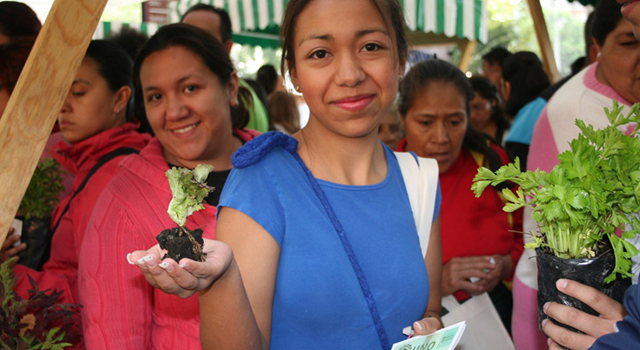
The city of Jundiai, Brazil, once struggled with litter-cluttered streets and trash-filled waterways. But 10 years ago, the city government launched a new program, called Delicious Recycling, designed to get more residents to recycle. In exchange for collecting cans and bottles, the city gives residents fresh produce grown in a local public garden. Now, the garden grows more than 30,000 plants to keep up with demand.

Other cities in Central and South America — particularly in Brazil — have similar programs. Curitiba, Brazil, began a recycling incentive program even earlier, offering transportation passes in exchange for recyclables. Residents of local shantytowns are employed to collect more trash, and the recyclable materials are sold to raise money for social services. The city now recycles 70 percent of its waste.

Inspired by the other programs, Mexico City is also now offering food in exchange for recycling.
The city has a major challenge with waste; it closed the largest landfill in the world last year, a 927-acre space that collected more than 76 million tons of trash. Now, the closed landfill will be tapped to generate power through its methane emissions. But every day, the city produces around 12,600 metric tons of new trash, and the government is looking for ways to dramatically cut that. The waste-to-food program is helping. When residents bring in their recycling, they’re given “green points” that can be spent at a local farmers’ market. It’s been a success so far, and the first market was so popular that all three tons of food were quickly given away.