Thursday, May 29, 2014

Health Benefits of Wakame

Some of the health benefits of wakame include its ability to aid in weight loss, lower cholesterol, boost heart health, prevent cancer, boost energy levels, maintains hormonal balance, build strong bones, increase circulation, improve skin health, and protects infant health.

Introduction to Wakame

Wakame is a variety of seaweed that is commonly used in Japanese cuisine. Its scientific name is Undaria pinnatifida and although it is considered one of the most invasive species of seaweed on the planet, it is healthy and beneficial when added to any diet. In Japan, wakame is commonly used in soups and salads, as well as in the form of a side dish, like tofu. The taste is briny and salty, with a slightly sweet taste mixed in that flavors other foods in such a delightful way. Japanese sea farmers have grown this seaweed for hundreds of years, and it is beginning to gain popularity in other parts of the world as well, particularly in France.

However, the best thing about wakame, besides its taste and versatility, is the enormous amount of health benefits that it contains. Most of these health benefits come from the rich supply of vitamins and minerals contained in these delicate green leaves, as well as certain organic compounds that have only recently begun to be studied.

Nutritional Facts of Wakame

Wakame is a very important source of vitamins and minerals, including iodine, calcium, iron, and magnesium, as well as folate, vitamin A, C, D, E, K, and B2. Wakame also contains lignans and fucoxanthin, which have their own unique health benefits. Let’s take a closer look at some of these health benefits.

Health Benefits of Wakame

Weight Control: The extremely small amount of calories, carbohydrates, and fats in wakame are one reason why it fills you up without adding too many calories to your diet, but that isn’t the only reason why people turn to wakame to control their obesity. Researchers have discovered a compound called fucoxanthin in wakame that actually inhibits the accumulation of fat in the cells and stimulates fat oxidation. This unique compound, rarely found in vegetables, is the reason that wakame has its unusual brown color, because it also helps in photosynthesis.

Cholesterol and Heart Health: Along with its inhibitory affects on fat accumulation, fucoxanthin also stimulates the liver to increase its production of DHA, which is a particularly kind of fatty acid that actually lowers the levels of “bad” cholesterol in your system. This is the type of cholesterol commonly associated with atherosclerosis and artery blockage, so you are able to protect yourself from various heart diseases, as well as heart attacks and strokes by adding this brittle, salty seaweed to your soups and salads!

Circulation: The high content of iron in wakame means that it increases your production of red blood cells. Iron is an essential part of red blood cells, and higher levels means increased circulation in your cardiovascular system, which provides additional oxygen to essential parts of the body, boosts energy, increases the health of your skin, and speeds up the healing process of all the tissues and organs in your body!

Cancer Prevention: Although it might seem like an insignificant addition to your diet, wakame can actually help to protect your body from developing cancer. Iodine, which is an essential part of any diet, is very high in all seaweeds, particularly wakame. Iodine has been connected to lower levels of breast cancer, evidenced by the notable increase in Japanese men and women who turn to a more Western diet. Furthermore, the lignans found in wakame have also been linked to lower levels of breast cancer!

Energy Booster: Magnesium is an extremely versatile and useful mineral in our body. The high levels in wakame mean that this variety of seaweed can help our body transfer energy efficiently, regulate hormones throughout the body, and help our body produce and utilize protein, which is essential for almost every bodily function related to growth or repair.

Infant Health: Folate, also known as Vitamin B9, is extremely vital for pregnant women, as it has been consistently connected with lowered chances of neural tube defects in infants. Wakame contains significant amounts of folate, so pregnant women should add some Japanese dishes to their pregnancy diet!

Bone Health: Calcium is one of the most important minerals when it comes to protecting the integrity and durability of our bones. The high levels of calcium found in wakame help your body increase bone growth and speeds up repair, thereby preventing early onset osteoporosis and keeping you fit and active well into your old age!

Hormonal Balance: Iodine is the most important component of the hormonal balance in our body. It is an integral aspect of creating the thyroid hormone, which controls a number of processes throughout the body, and it is also necessary for the production of energy in the body. High levels of iodine in wakame have been praised around the world as a healthy, delicious way to keep your energy levels up and your hormones balanced.

A Final Word of Caution: Although the vast majority of the components in wakame are beneficial for your health, it does have a relatively high level of sodium, which isn’t the best choice for people already suffering from obesity or blood pressure problems. Sodium works against potassium to lower blood pressure, so be careful not to overdo it on the wakame in your meals. Other than that, enjoy this delicious Japanese delicacy!

Friday, May 23, 2014

10 Epic Veggie Burgers to Throw on the Grill Now


Veggie burgers are a fun dish to cook and serve in vegan cuisine because there is so much creativity one can put into constructing the perfect burger. Making veggie burger mixes is an easy, try-as-you-go way to add a bunch of good-for-you ingredients, like beans, whole grains and vegetables, in a patty and make it taste like whatever you want. Grilling the patties marries all the flavors and makes an amazing summer lunch. Throw these 10 epic veggie burgers on the grill now.

1. Quinoa Veggie Burger

Quinoa and mushroom lovers must try this patty. Use this recipe as a base and jazz it up with whatever herbs, spices, veggies or toppings you like.

2. The Vegan Eggplant Crunchburger

This vegan, gluten-free burger is decadence on a bun. The recipe author recommends topping them with caramelized onions and a simple spread made with mayo, mustard, and vegan, gluten-free Worcestershire sauce.

3. Quinoa and White Bean Burger

These filling patties are packed with protein and fiber as well as other beneficial nutrients. They’re also packed with flavor; the recipe calls for thyme, garlic, shallots, lemon, red bell pepper, paprika and chipotle chili pepper.

4. Red Lentil Burgers With Kale Pesto

In this recipe, start with red lentils, potatoes, almonds and different seeds. You combine these with a nice blend of spices that includes cumin, paprika, coriander and black pepper. After you grill these patties, add the kale pesto sauce, then it place over some brown rice and you have a fantastic meal.


5. Spicy Cauliflower Potato Burger

Serve these spicy patties with roasted peppers, sliced tomatoes and an either guacamole or a chipotle habanero cashew cream sauce. For the Spicy Chipotle Cream sauce, blend 1/4 cup powdered raw cashews, 1/2+ cup water, 5 to 6 garlic cloves, 1/3 teaspoon salt, 1 teaspoon lemon juice and 2+ teaspoons Chipotle Habanero Hot sauce or to taste.


6. Hearty Lentil and Brown Rice Burger

These hearty, flavorful veggie burgers pair well with BBQ sauce and are made with delicious ingredients like green lentils, brown rice, yellow onion and garlic.

7. White Bean and Sweet Potato Burgers

White bean, sweet potato, onion, garlic, parsley, cumin, chili powder, breadcrumbs and a few other spices blend harmoniously together for these delicious white bean and sweet potato burgers.

8. Portobello Mushroom Burgers

Portobello mushroom burgers are a classic vegan veggie burger choice. These patties have a delicious glaze over top. Mix olive oil, balsamic vinegar, garlic,  basil, thyme, oregano, salt and pepper, then pour over caps and let marinade for 20 to 30 minutes on the grill.

9. Cajun Burgers

The base of these burgers are made from kasha, or buckwheat, which has a deep, nutty taste. It also has a delicious taste from the spices, like thyme, basil, oregano, paprika, mustard powder and cayenne pepper.

10. Reuben Burger

This delicious veggie burger has a spice rub of several spices like coriander, garlic, onion, caraway, fennel and black pepper.

Friday, May 16, 2014

9 Healthy Predinner Snacks

Dinner's at eight, but you just can't wait...try one of these nine healthy snacks to tide you over.


Cashew-Strawberry Crunch
Think of this as a gourmet cook's PB & J. Spread 1 tablespoon of cashew butter on a slice of Ryvita Fruit Crunch. (Or substitute peanut butter and Triscuits.) Drizzle with ½ tablespoon honey and top with sliced strawberries.

Health bonus: Nut butters are full of heart-healthy monounsaturated fats.


One-Minute Antipasto Plate
Roll a thin slice of prosciutto or ham around a part-skim mozzarella string cheese. Eat with a few olives and grapes, or add roasted bell peppers (from a jar) drizzled with balsamic vinegar.

Health bonus: Contains almost a quarter of a woman's 1,000-milligram recommended daily allowance for calcium.


Pineapple and Pistachios
Combine about ¼ cup dried pineapple pieces with about 25 pistachio nuts. (For a treat, use chile-lime pistachio nuts, available at specialty stores.) Other winning dried-fruit-and-nut combos: raisins and peanuts, apricots and almonds, cherries and hazelnuts.

Health bonus: Pineapple and nuts are both good sources of antioxidants.


Cottage Cheese and Apples
Slice an apple, such as Fuji or Granny Smith, and top with ½ cup of low-fat cottage cheese (look for 4-ounce four-packs from Breakstone). Or replace the fresh apple with two drained cinnamon-spiced apple rings, such as Musselman's (which can be found in the canned-fruit aisle).

Health bonus: Provides protein, calcium, and fiber.


Cheese Melt
Spread ½ teaspoon of spicy mustard on a cocktail-size slice of thin whole-grain rye bread. Add a thin square of sharp Cheddar (about the same size as the bread) and broil until the cheese melts, then top with a slice of tomato and a sprinkling of caraway seeds.

Health bonus: Rich in calcium.


Parmesan Pita Crisps
Sprinkle 2 tablespoons of grated Parmesan evenly over a 4-inch whole-wheat pita. Dust pita with ¼ teaspoon dried oregano and broil until the cheese browns. Cut into quarters.

Health bonus: Good balance of protein, fat, and fiber.

Creamy Feta-Walnut Dip
Place 2 cups plain nonfat yogurt in a sieve lined with a coffee filter. Let stand in the refrigerator for 1 hour or overnight. Discard the liquid and spoon the thickened yogurt into a small bowl. Add ¾ cup (3 ounces) crumbled Feta cheese, 2 cloves minced garlic, 2 tablespoons finely chopped toasted walnuts, ¼ teaspoon freshly ground black pepper, and ¼ teaspoon hot sauce. Mix well. Cover with plastic wrap and refrigerate for at least 2 hours to allow the flavors to blend. Makes 1½ cups.

Pair Feta-Walnut Dip with cherry tomatoes, a whole-wheat pita, or baby carrots.

Health bonus: An easy way to get calcium, protein, and monounsaturated fat.

Edamame
Grab a handful of frozen shelled soybeans and run them under steaming-hot water for a quick thaw. For a tangy twist, add a spritz of lemon.

Health bonus: Contains 8 grams of fiber and lots of cholesterol-lowering soy protein.


Fresh Vegetables With Dressing
Slice a cucumber into strips and place on a plate with baby carrots or baby corn. Dip in a lower-fat dressing, such as Annie's Naturals Roasted Red Pepper Vinaigrette or Trader Joe's Carrot-Ginger.

Health bonus: Fiber-rich and very low-calorie.

Thursday, May 15, 2014

The Pros and Cons of a Juice Cleanse

A million dollar industry in America, it has as many fans as detractors. A juice cleanse or juice fasting involves limiting your diet to fresh vegetable and fruit juices plus water for a few days to a few weeks. Claims range from significant weight loss, clearer skin, bolstered immunity, body detoxification, and cancer prevention. What should you know before undertaking a juice cleanse?

The amount of information and varied opinions on the web is enormous! Elemental Wellness waded through a lot of it to distill this post down to some simple key points.

PROS
  1. If you’re cleansing or fasting with juice, you’ll probably lose weight. But you’ll be losing mostly water. A reduction in bloating is well-known benefit of juicing. (see Con #5)
  2. If you undertake a juice cleanse (shorter is preferred, i.e. 4 days or less) and see it through, chances are you’ll feel great at the end of it. You’ll have a real sense of accomplishment, and you’ll look at your regular diet with fresh eyes.
  3. By spending a few days ingesting only fruits and vegetables, you are avoiding highly processed foods that have solid fats and added sugar. If you have a strong habit of making unhealthy food choices, a brief juice cleanse may help you break them.
  4. If you diet rarely includes fruits and vegetable, juicing is an easy way to increase your daily intake. Keep in mind that if you’re really lacking in this department, substituting one glass of juice for a meal each day, will dramatically boost the quality of your diet.
  5. Again, if you’re not a fan of green side of the food pyramid, juicing can help retrain your taste buds to enjoy fruits and vegetables.
  6. Many of us reach for carbs, sweets, chips or alcohol when we’re bored, sad, lonely or anxious. These foods are off-limits on a juice cleanse. So the process of undertaking a whole new diet, briefly, can put you in touch with your body and it’s automatic habits.

CONS
  1. You’ll find little to no protein and fat in fresh pressed juice. Some commercial juices contain added nut milk that contributes a small amount of fat and protein and helps with satiety. But your body will suffer from going for more than a few days without sufficient protein — the raw materials to build new tissues. Low-fat diets are notoriously hard on the skin and hair. Don’t forget that fat is also necessary to processes fat-soluble vitamins (A, D, E and K).
  2. Common side effects from a juice cleanse include dizziness, blood sugar spikes, headaches, constipation, fatigue, irritability, nausea. The symptoms occur as your body releases glycogen (stores of carbohydrates). Ultimately, many people report feeling “amazing,” which is explained by the body going into ketosis (glycogen stores are used up and the body begins burning fat). Though you may experience a decrease in your appetite (that makes things easier), ketosis can cause nausea and bad breath, and ultimately organ failure.
  3. A juice cleanse is not safe for everybody, especially people undergoing chemotherapy, diabetics, anyone with nutritional deficiencies or kidney disease. Check with your doctor is you have any medical conditions that a cleanse might impact.
  4. Juicing removes some of the fiber and nutrients found in whole fruits and veggies (those in pulp, skin and seeds). Because there is less fiber in juice, more of the fructose is absorbed by the body, so lean toward more vegetables than fruit. Less fiber will also leave you feeling less satisfied. Keep in mind that a juicer removes fiber, but a blender, masticating or triturating juicers help retain more fiber and nutrients.
  5. You’ll lose weight but most will be water weight. People love that they feel less bloated (and they do), but if you’re looking to lose fat and keep it off, a juice cleanse is not the answer. The majority of people put the weight right back on after the cleanse.
  6. Any calorie-restrictive diet will lead to some weight loss. Yet your body will respond to prolonged “starvation” with calorie conservation. This screws with your metabolism, lowering it. If you put your body into starvation mode too often, you risk permanently lowering your metabolism (i.e. metabolic syndrome).
  7. A big claim among juice fasting systems and products is that it will detoxify your body. Many medical experts disagree with the idea that humans need help detoxifying our bodies. The liver, kidneys and intestines are highly evolved bodily systems that rid us of the toxins we ingest or encounter in the environment. We excrete them in our urine, feces, breath, and sweat.
CONSIDERATIONS
  • A maximum length of three to four days is advised.
  • Health and wellness is a booming industry. Lots of people want to make money from your desire to lose weight and get healthy fast. If you buy a pre-made juice cleanse system make sure it is reputable! Check that the produce is carefully cleaned and the juice is made in small fresh batches to avoid bacterial growth. Pasteurized juices are not advised. Follow a reputable plan if you are making your own at home.
  • If you have any doubts that a juice cleanse is right for your body, please check with your physician.
  • There’s no proof that eating liquefied fruits and veggies offers an advantage offer the same ingredients in their whole state. If you’d like to increase your intake, try swapping fresh juice for your regular breakfast, or as a mid-afternoon snack. Meanwhile, stick to a balanced diet including adequate amounts of fat and protein.

Wednesday, May 14, 2014

Chia, Hemp, and Flax: Are You Eating These Super Seeds?

The next big thing in nutrition might be these tiny seeds.

Chia, hemp, and flax … it’s been said that these tiny seeds are the next big thing in nutrition. If you’ve ever searched for a healthy smoothie recipe or healthy breakfast recipe, chances are you’ll find at least one of these seeds listed in the ingredients. So, why is there so much hype around these “super seeds” and how do we know which ones to include in our diets?

Seeds have been deemed “nutritional powerhouses” by health experts and for a good reason. It’s no wonder: seeds deliver as much protein as nuts (and in some cases more) and all three of these seeds deliver heart-healthy alpha-linolenic acid (ALA), the plant-based omega-3 fat, also found in walnuts. All three of these seeds listed below are packed with healthy oils, fiber, disease-fighting minerals and enzymes, antioxidants, and proteins. Each one of these tiny wonders has its own unique nutritional value and can be easily incorporated into just about any recipe without changing its taste or texture.

Here are 3 super food seeds that will add a nutrient-packed punch to your diet:

Chia Seeds

What is it? You may have heard of them first as the seeds that grow toy Chia pets, but chia seeds are actually an ancient super food used by Aztec warriors to increase energy and stamina on the battlefield.

Why is it good for you?
In addition to being an excellent source of fiber, antioxidants, and protein, chia is very rich in omega-3 fatty acids. Integrative Nutrition visiting teacher Dr. Andrew Weil suggests they may have even more so than flax. Not to mention that this tiny seed may have over three times more calcium than milk! Chia also forms a gel when added to liquid and absorbs ten times its weight in water making it an excellent source of hydration.

Try this Chia Chocolate Tapioca Recipe for a delicious and simple way to enjoy Chia seeds. 

Hemp Seeds

What is it? Hemp seeds come from the same Cannabis species as marijuana, but don’t worry about testing positive for drugs after consuming these seeds—the minuscule amounts of tetrahydrocannabinol (THC) found in hemps seed make them perfectly safe to incorporate in your healthy diet.

Why is it good for you?
Hemp seeds contain all the essential amino acids—something uncommon in plant protein sources. This means that hemps seeds are a fantastic protein supplement for people on a plant-based diet. They’re also chock-full of fiber and packed with other nutrients, such as omega-3 and omega-6, vitamin E, B vitamins and folic acid.

Start your morning off right by blending a tablespoon of hemp seeds into your oatmeal or your post-workout smoothie for an extra hit of protein and nutrition.

Flax Seeds

What is it? This seed comes from the flax plant and has been celebrated for centuries for its health benefits by people all over the world.

Why is it good for you? Flax seeds are rich in Alpha-Linolenic Acid (ALA), an essential fatty acid and powerful anti-inflammatory. Some studies show that due to their anti-inflammatory properties, flax seeds may help to prevent heart disease and reduce certain types of cancers.  They are also an excellent source of dietary fiber, lignans, calcium, potassium, and magnesium, among other nutrients. To get the most out of your flax seeds, try grinding them first—this will make them easier for you to digest and absorb all the nutrients.

Just sprinkle ground flax seeds into cereals, baked goods, smoothies, and yogurt for an extra boost of vitamins and minerals.

Which seeds do you add in your diet?

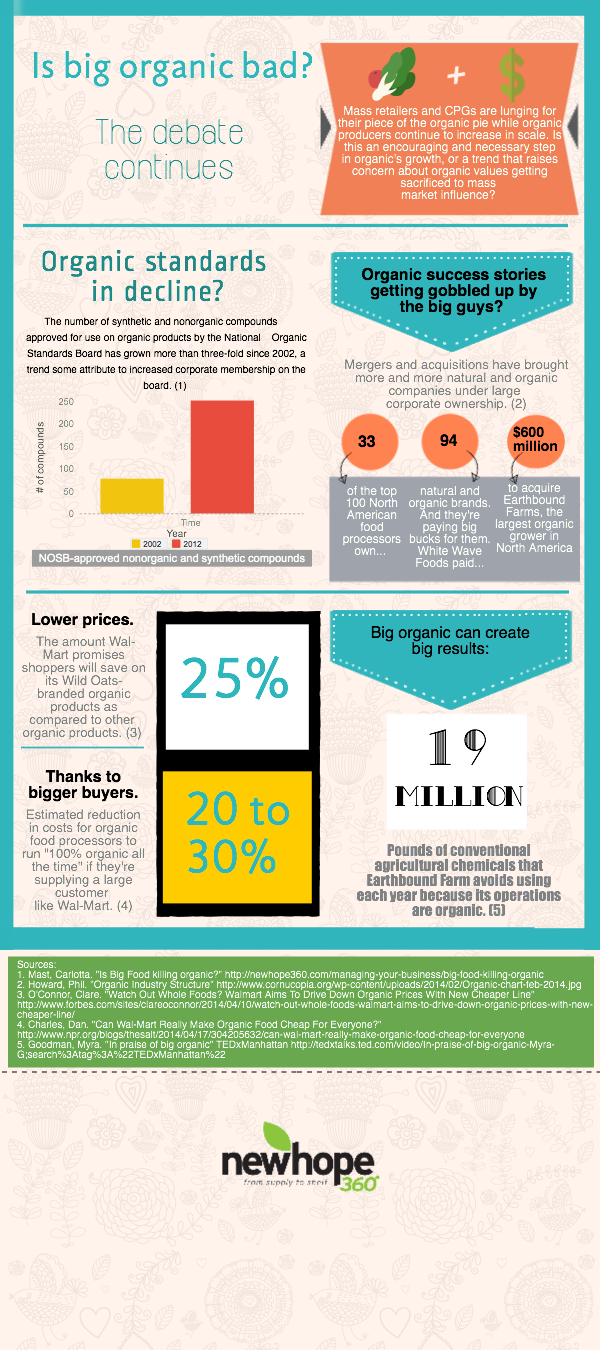
The Complex Nature of Big Organic

A spate of recent acquisitions in the organic sphere brings the resurgence of discussions about the costs and benefits of organic "going big."

Thursday, May 8, 2014

Go green for Mother’s Day


Mother’s Day is less than a week away, which means there are only a few days to buy the “perfect” gift for mom.  According to statisticbrain.com, $14.6 billion will be spent on Mother’s Day, with the average person spending around $126 on mom for her special day.

While flowers and diamonds are beautiful, and everyone loves a card and a day at the spa, these practices are not sustainable. Cutting flowers, mining diamonds, purchasing cards made of paper resources and wasting water at the spa are all the opposite of living green on Mother’s Day. Mom loves the sentiment of these things, but imagine how much more she would love sustainable gifts which are Mother Nature approved. Pair these gift ideas with a homemade card made with recycled paper and a meal of ethically sourced food for an awesome, green Mother’s Day this year.

Organic Tea, Wine and Chocolate

Moms love tea, wine and chocolate. Why not take the extra step to make these gifts organic and better yet, locally sourced, too? Organic tea is much better for you because it is processed with fewer chemicals, and the tea bags are also free of chemicals. Organic and ethically sourced chocolates and wines are also good for you, and your mom can rest easy knowing that she’s consuming these indulgences that are good for the environment as well as good for her body. If you don’t have a store near you where you can go purchase these items in person, try some great companies that ship from the web. For organic, fair trade tea, click here. For wine, click here. For delicious chocolates, click here.

Provide a Service

What mother doesn’t need something done for her around the house? Does she need her house cleaned from top to bottom, spring cleaning style? Does she need her yard cleaned up to get ready for the summer? Providing a service uses almost no resources, and if you do it yourself, you can make sure to do it in an eco-friendly way. For cleaning, use green cleaning products with no chemicals. You can find them in stores or make your own. For yard work, use chemical-free weed killers and fertilizers and plant an extra tree or bush.

Plan an Eco-Friendly Spa Day

Many spas and salons offer eco-friendly spa services. It might take a little extra work, but call around to salons and spas near you to see if you can find one that provides these services at reasonable prices. If you can’t find one near you, try buying your mom some eco-friendly spa products she can use at home. An added benefit to this is that it isn’t a one-time spay day; she can use the products you buy her whenever she needs a little bit of relaxation.

Plant Flowers Instead of Picking Them

I love the idea of planting a few rose bushes in lieu of a bouquet of flowers. Roses are easy to plant and hearty flowers that don’t take a whole lot of maintenance. Once they start blooming, it’s easy to pick flowers to make your own bouquet as you prune the bushes. If the mom in your life is an avid gardener, she will love the opportunity to plant more. If she’s not, consider planting the flowers for her. Then, she’s sure to enjoy their blooms all summer long.

Create Recycled Jewelry

If your mom is a lover of all things sparkling and shiny, consider recycling jewelry to create something new for her. Try raiding your own jewelry box or another family members for old pieces that are rarely worn. An experienced jeweler can melt these pieces down and create something entirely new and beautiful. This is also a wonderful thing to do because the piece you end up with will be especially unique for your mom while requiring no new resources to create. If you don’t have jewelry you’re willing to melt down, look for pieces that are made from recycled products. A simple search on Etsy will yeild many beautiful pieces out there made from recycled glass and metals that your mom will love.
[h/t Care 2]